Filters

17 filtered results

Clear all filters
Favorites
With answer key
Interactive

17 filtered results

Difficulty Level

Grade


Enhance your child's fundamental math skills with our engaging Basic Math Skills Building Vocabulary Worksheets, designed specifically for ages 3-9. These colorful and interactive worksheets introduce essential mathematical concepts while enriching vocabulary, making learning fun and effective. Young learners will explore numbers, shapes, measurements, and basic operations through various activities that encourage critical thinking and problem-solving. Ideal for parents and educators, these worksheets support early math education and promote confidence in young learners. Foster a love for math as your child develops essential skills that form the foundation for future academic success. Start their learning journey today!

Check out this FREE Trial Lesson on Building Vocabulary for age 3-9!

Decode Multi-syllabic Words

Favorites
With answer key
Interactive
  • 3-9
  • Basic Math Skills
  • Building Vocabulary
Count Them Up Worksheet

Count Them Up Worksheet

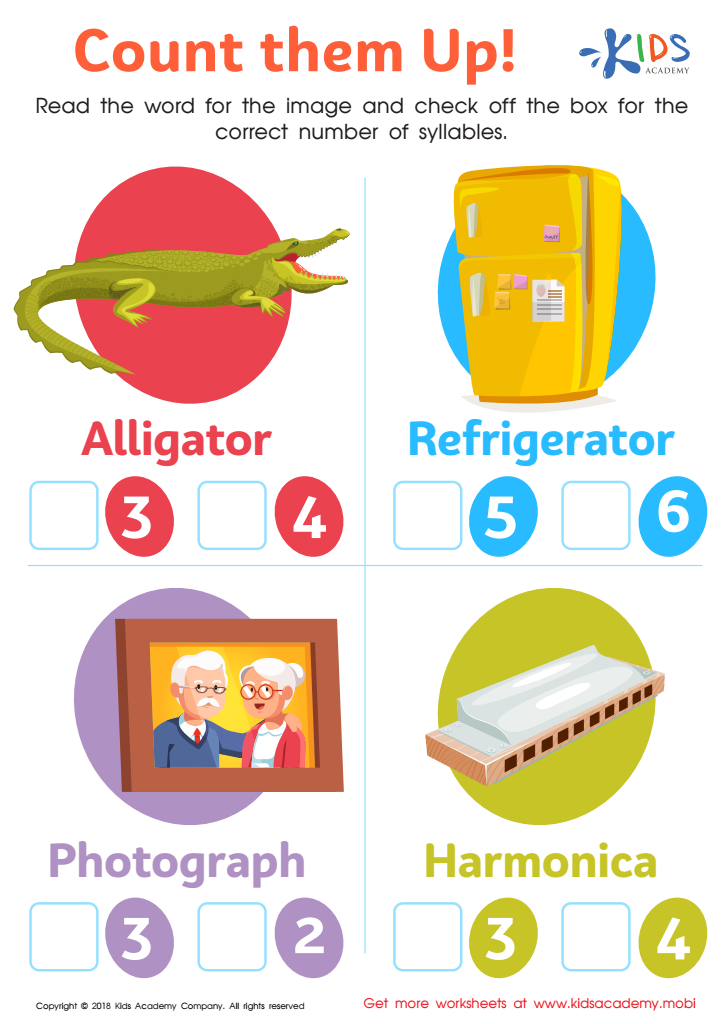
This worksheet has four colorful pictures. Ask your students to identify and name each image, then count the syllables in the word. Make them repeat the word after you, and check off the box with the correct number of syllables. Mastering the art of counting goes beyond numbers. Get your students counting syllables with this activity!


Count Them Up Worksheet
Worksheet
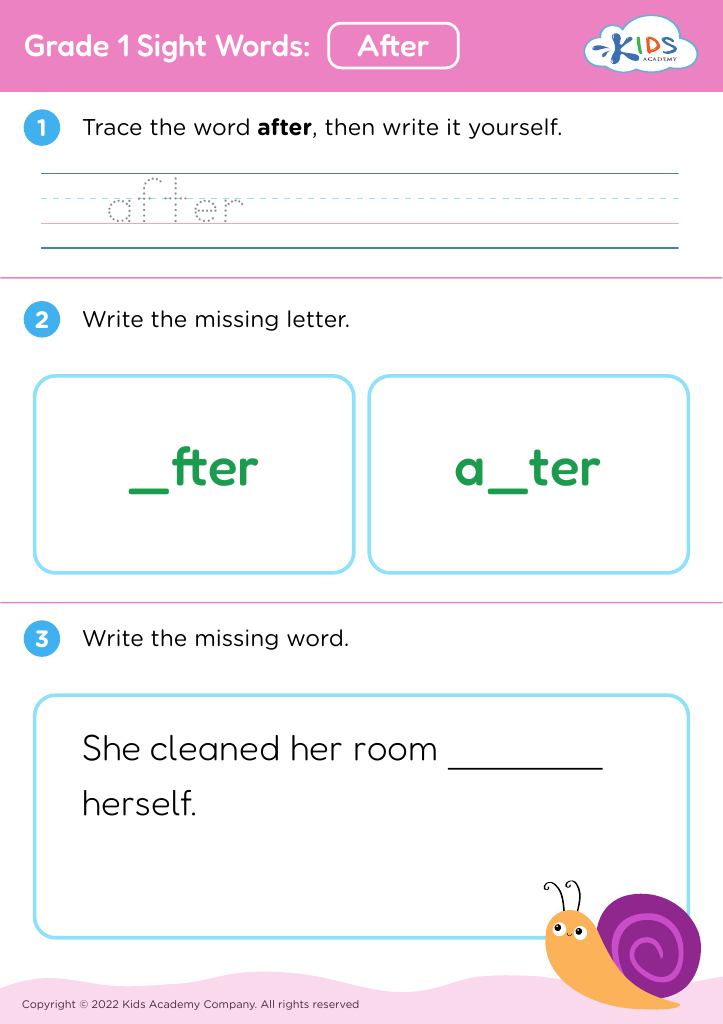
Grade 1 Sight Words: After

Grade 1 Sight Words: After

Grade 1 Sight Words: After
Worksheet
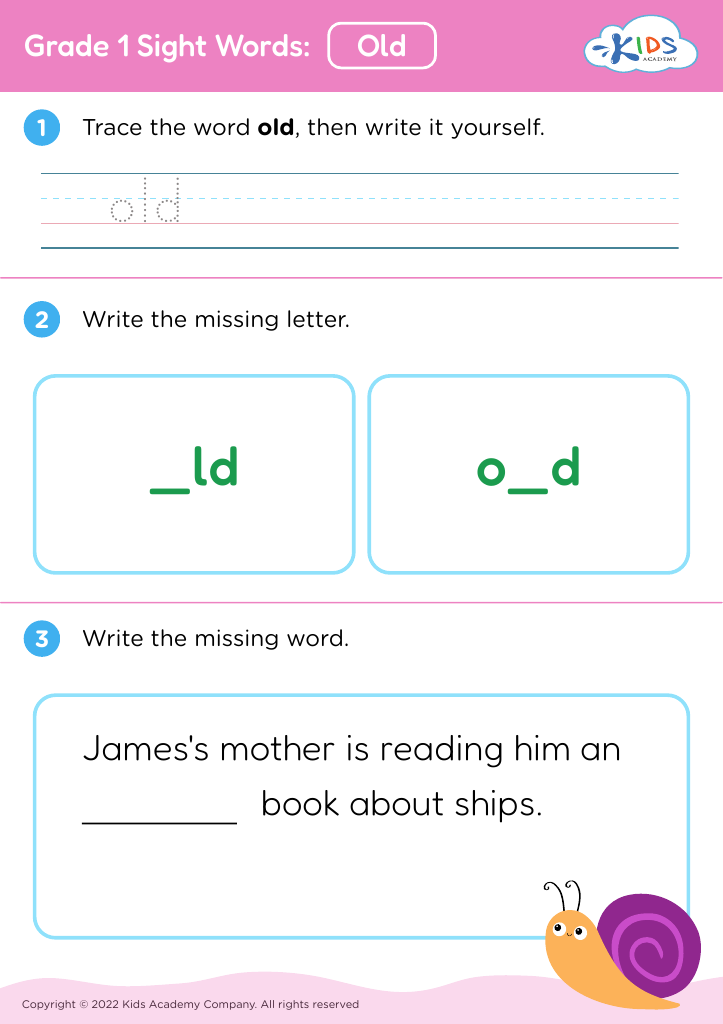
Grade 1 Sight Words: Old

Grade 1 Sight Words: Old

Grade 1 Sight Words: Old
Worksheet
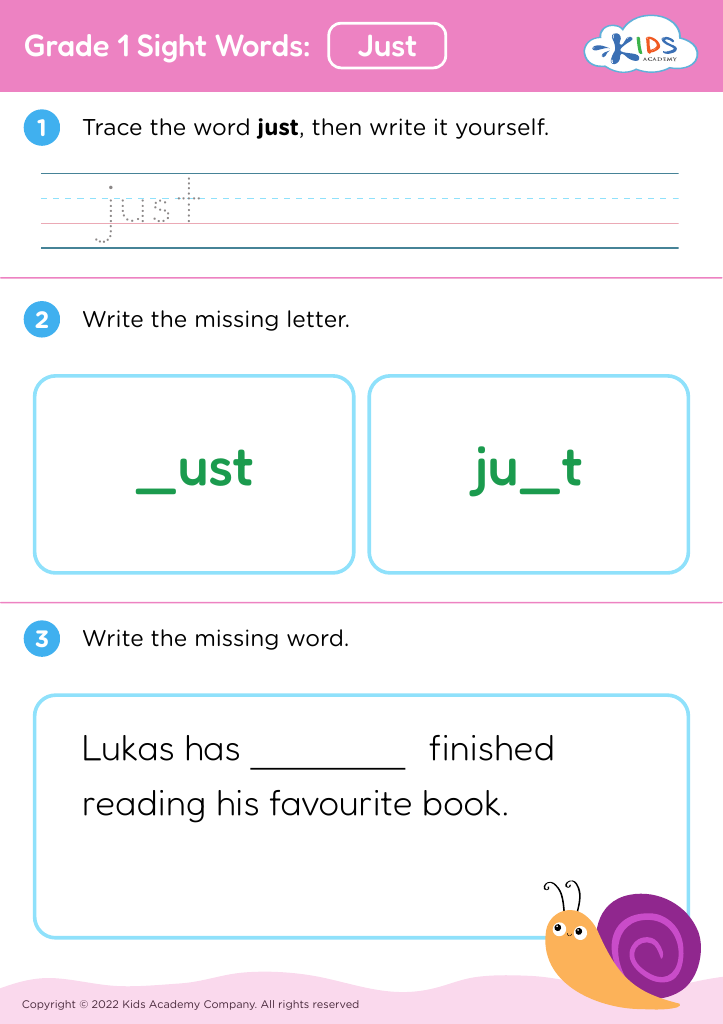
Grade 1 Sight Words: Just

Grade 1 Sight Words: Just

Grade 1 Sight Words: Just
Worksheet
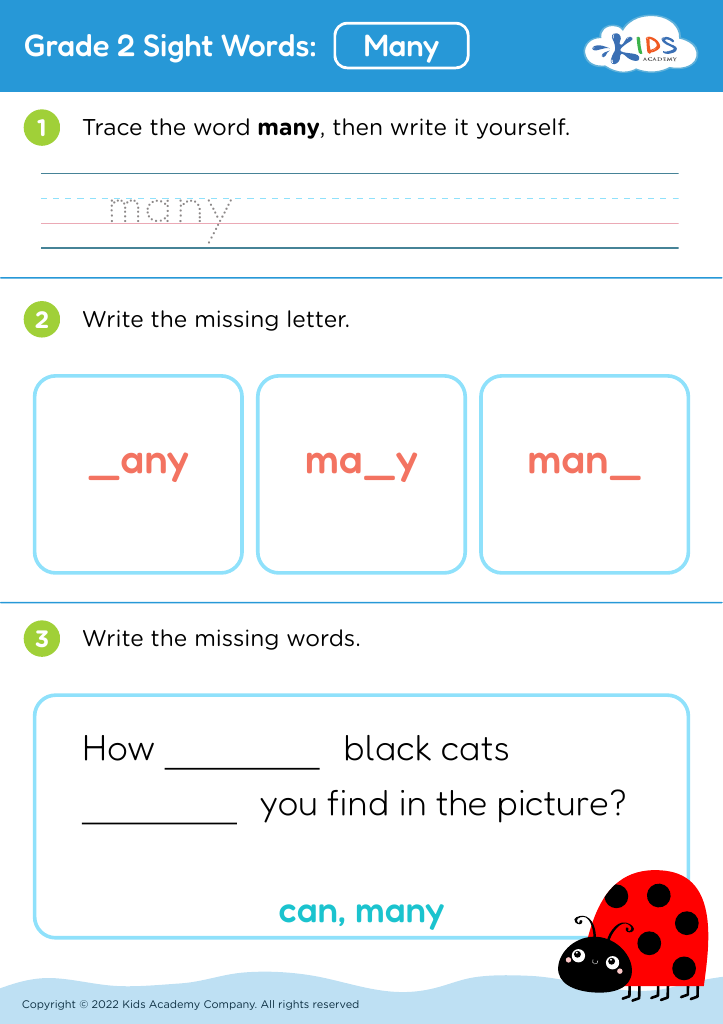
Grade 2 Sight Words: Many

Grade 2 Sight Words: Many

Grade 2 Sight Words: Many
Worksheet
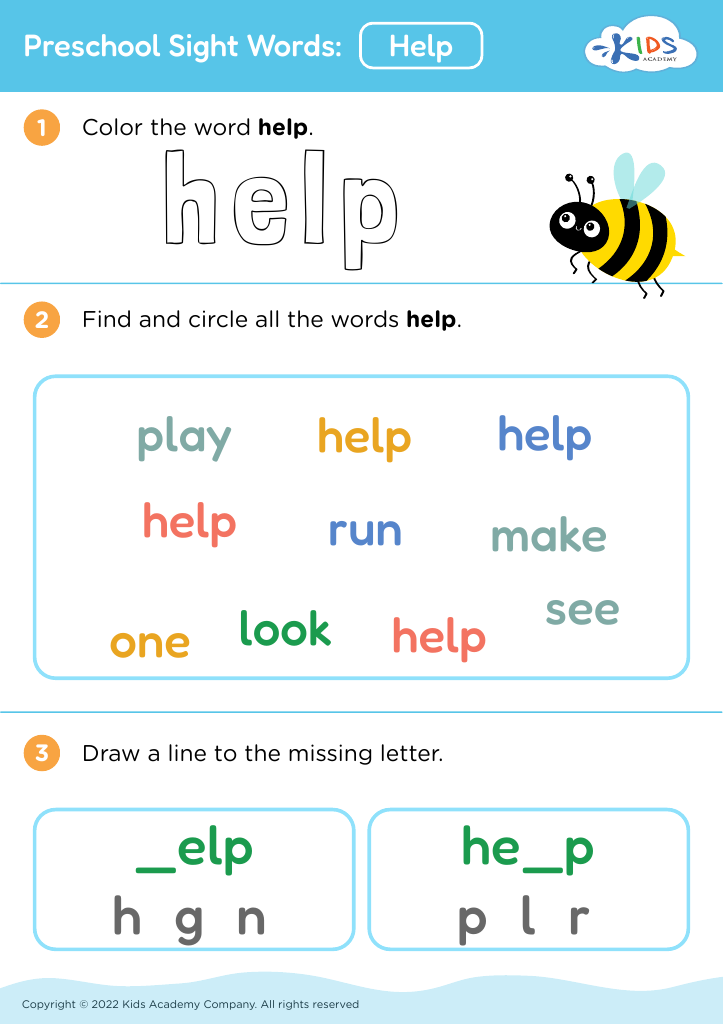
Preschool Sight Words: Help

Preschool Sight Words: Help

Preschool Sight Words: Help
Worksheet
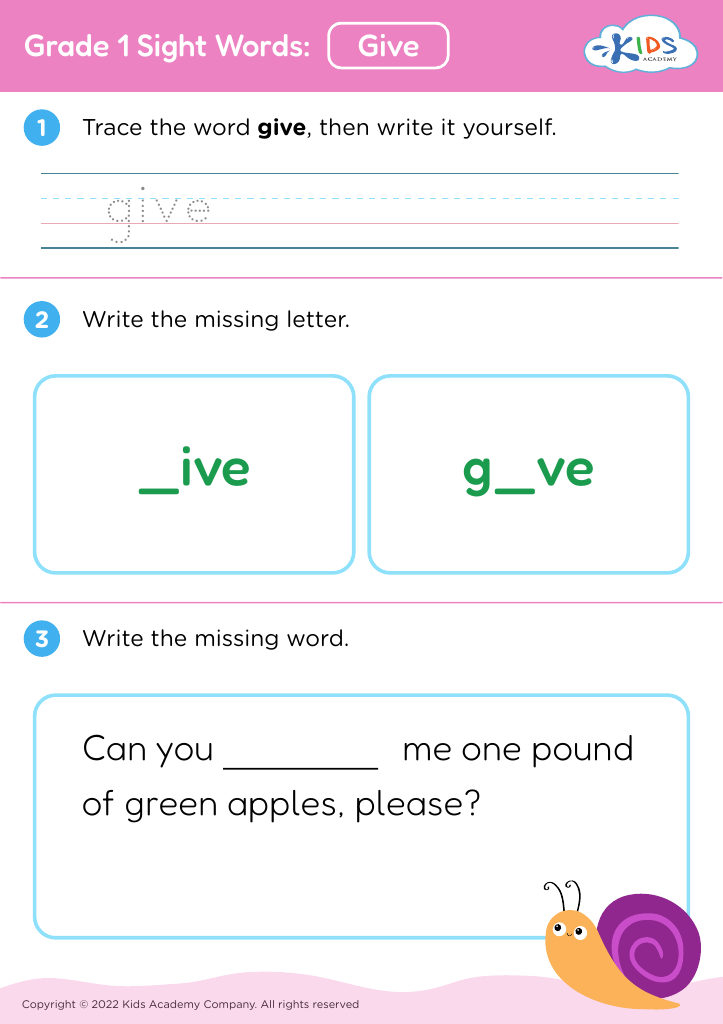
Grade 1 Sight Words: Give

Grade 1 Sight Words: Give

Grade 1 Sight Words: Give
Worksheet
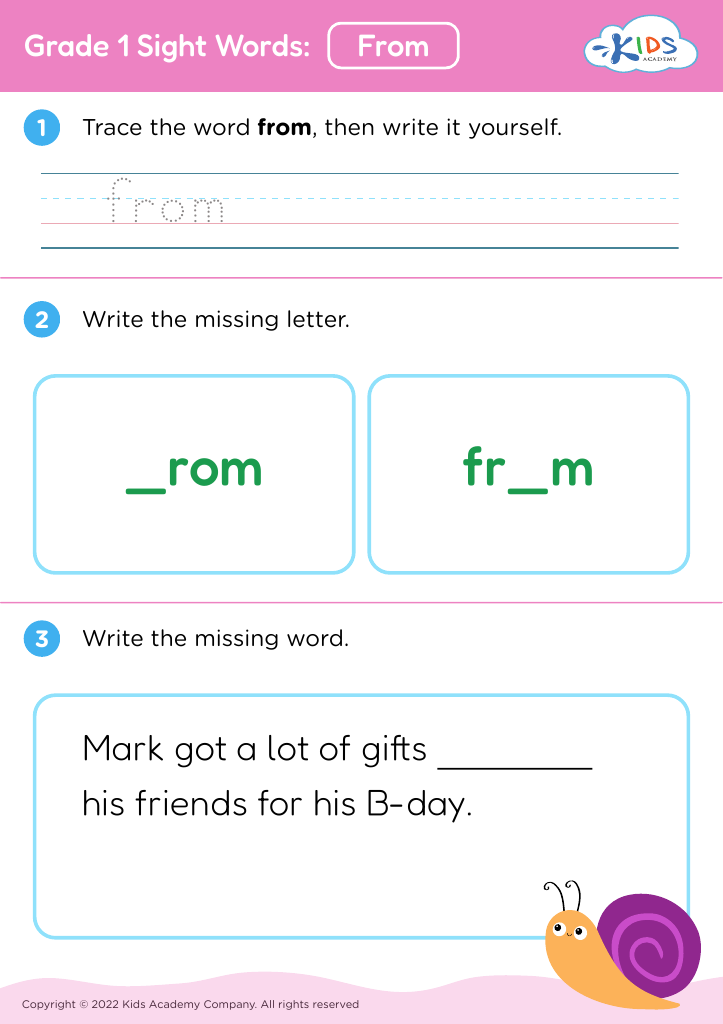
Grade 1 Sight Words: From

Grade 1 Sight Words: From

Grade 1 Sight Words: From
Worksheet
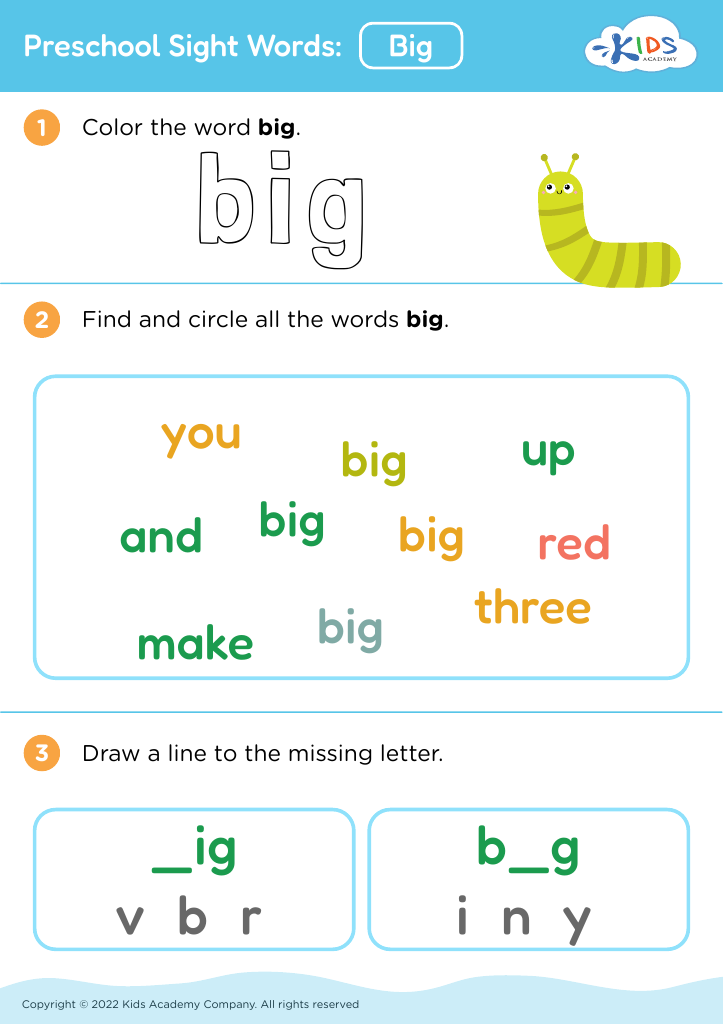
Preschool Sight Words: Big

Preschool Sight Words: Big

Preschool Sight Words: Big
Worksheet
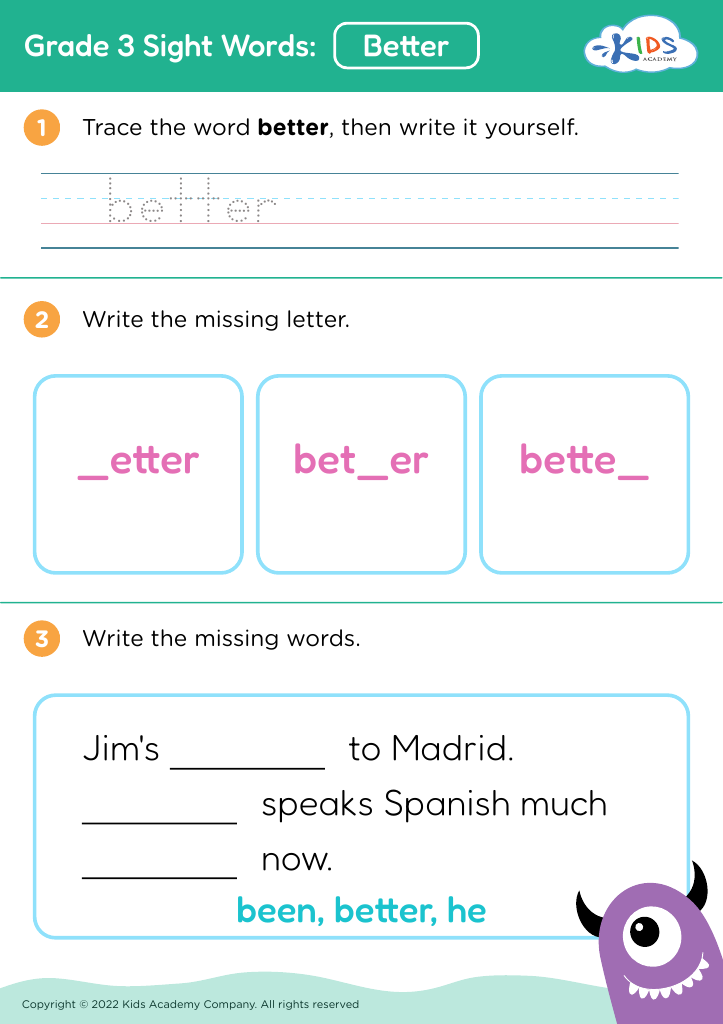
Grade 3 Sight Words: Better

Grade 3 Sight Words: Better

Grade 3 Sight Words: Better
Worksheet
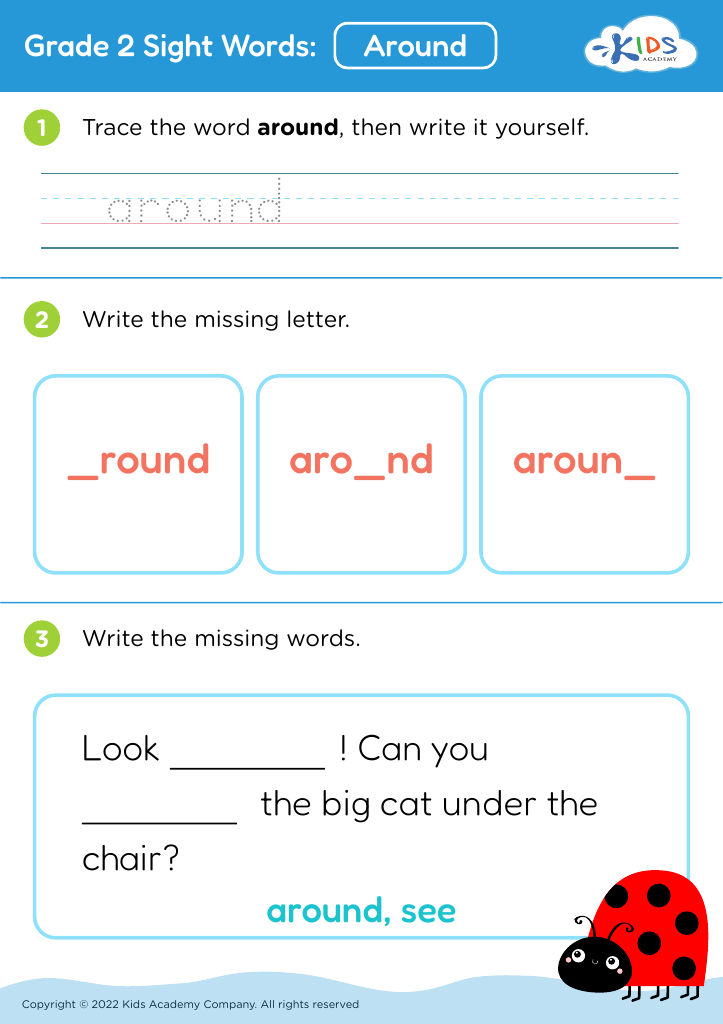
Grade 2 Sight Words: Around

Grade 2 Sight Words: Around

Grade 2 Sight Words: Around
Worksheet
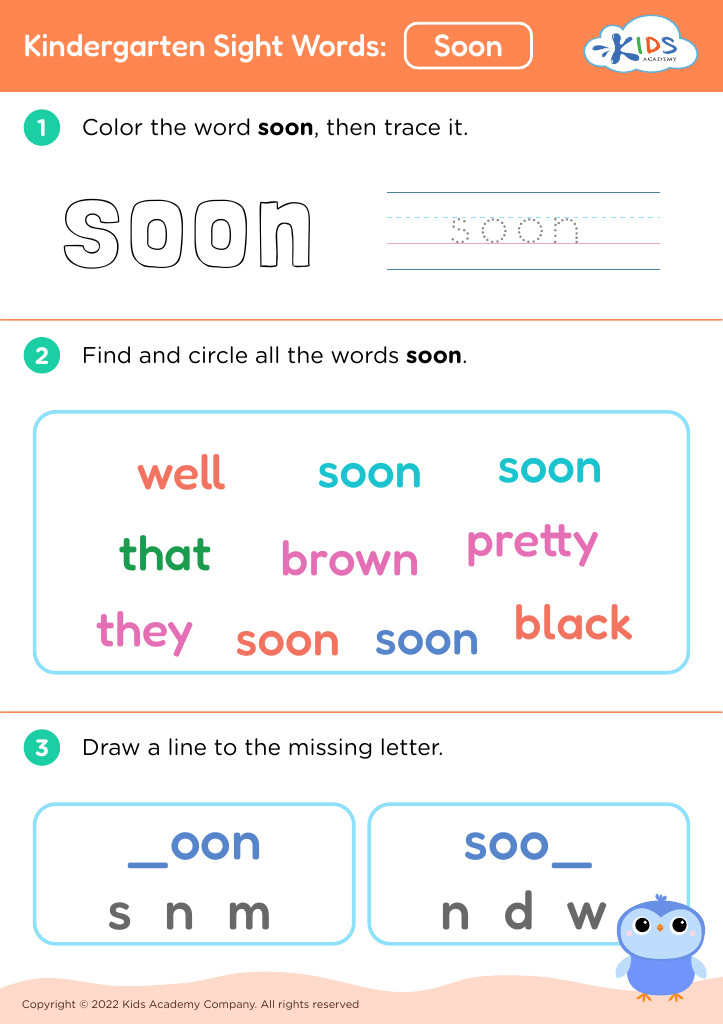
Kindergarten Sight Words: Soon

Kindergarten Sight Words: Soon

Kindergarten Sight Words: Soon
Worksheet
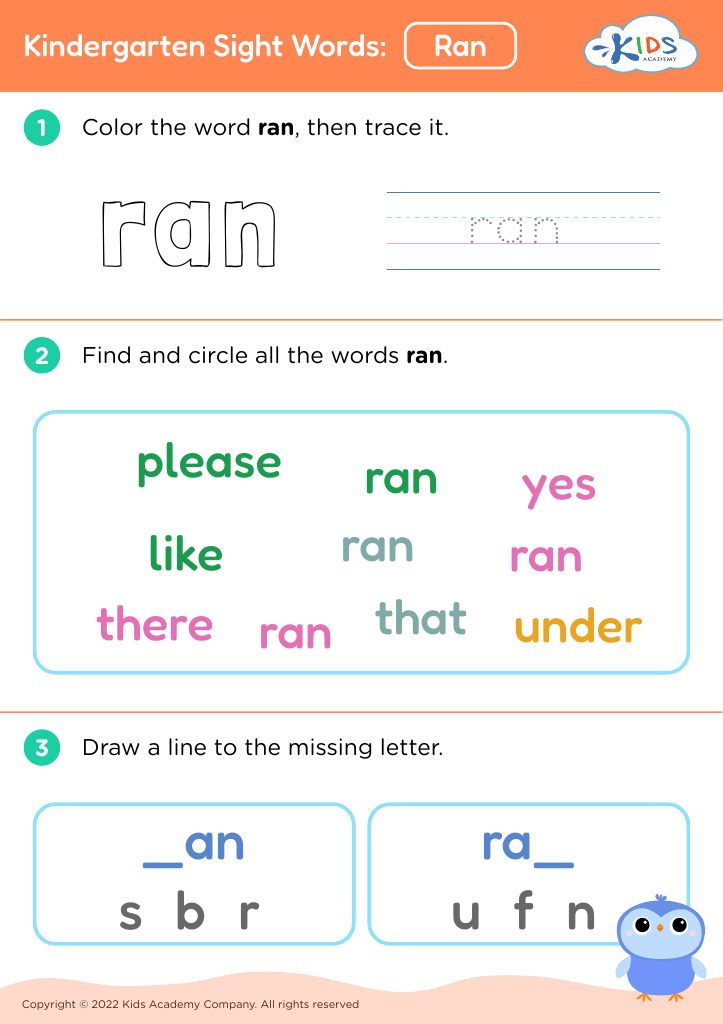
Kindergarten Sight Words: Ran

Kindergarten Sight Words: Ran

Kindergarten Sight Words: Ran
Worksheet
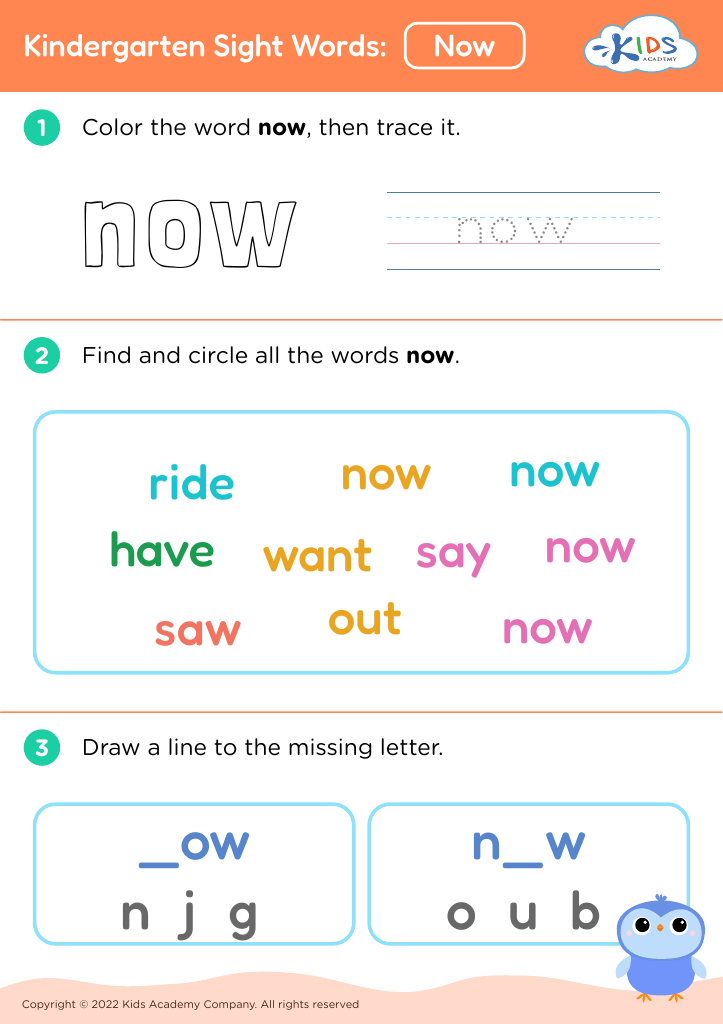
Kindergarten Sight Words: Now

Kindergarten Sight Words: Now

Kindergarten Sight Words: Now
Worksheet
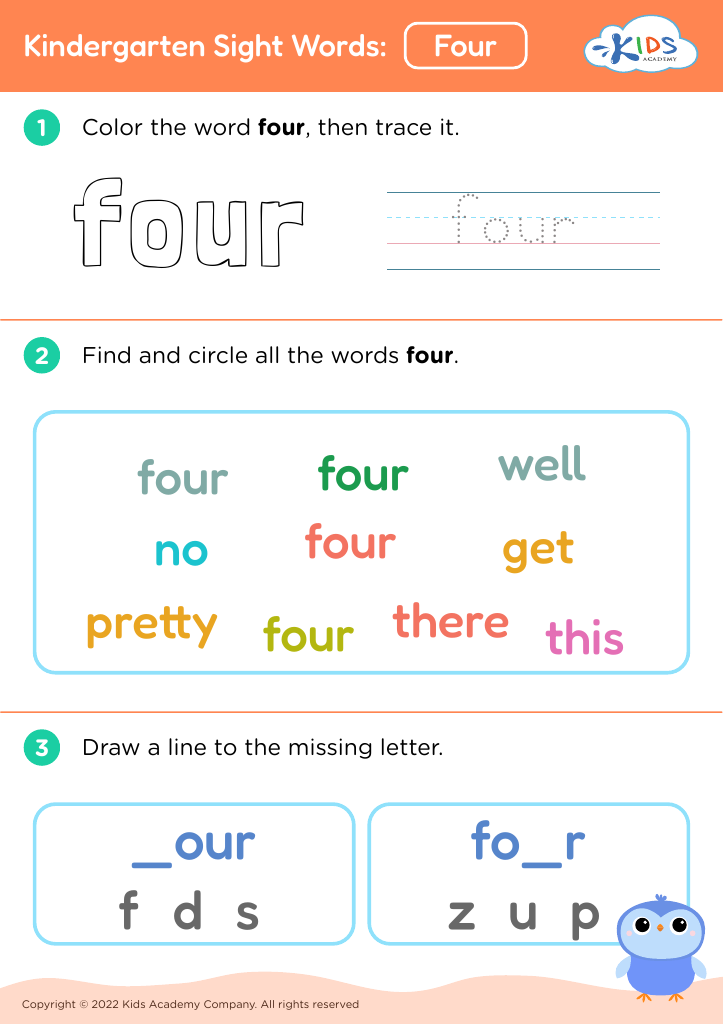
Kindergarten Sight Words: Four

Kindergarten Sight Words: Four

Kindergarten Sight Words: Four
Worksheet
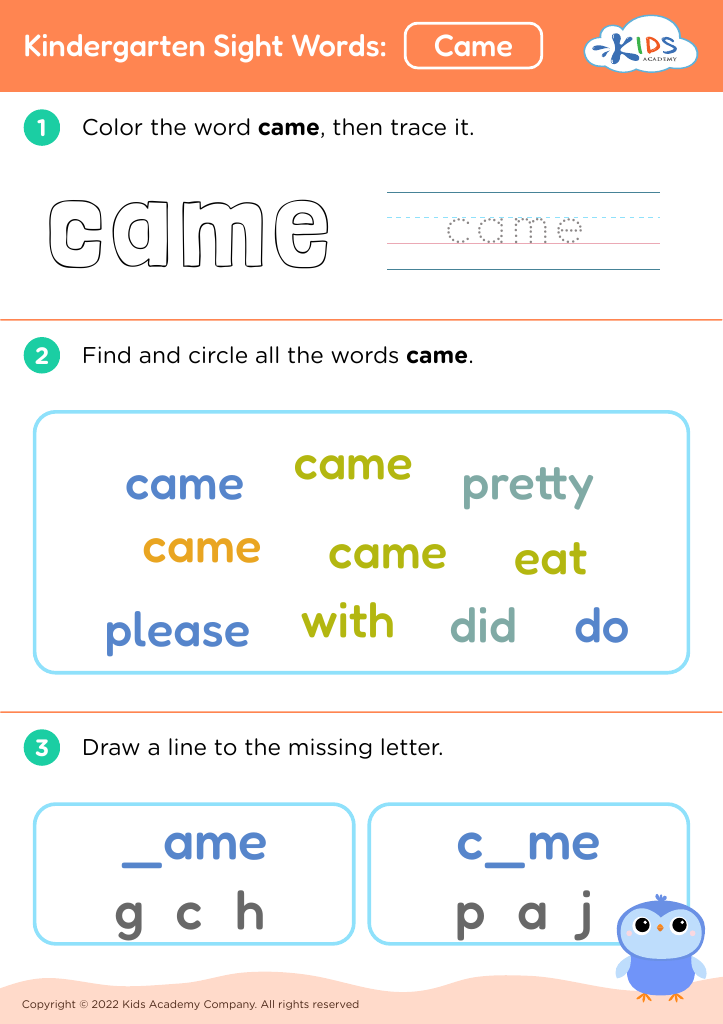
Kindergarten Sight Words: Came

Kindergarten Sight Words: Came

Kindergarten Sight Words: Came
Worksheet
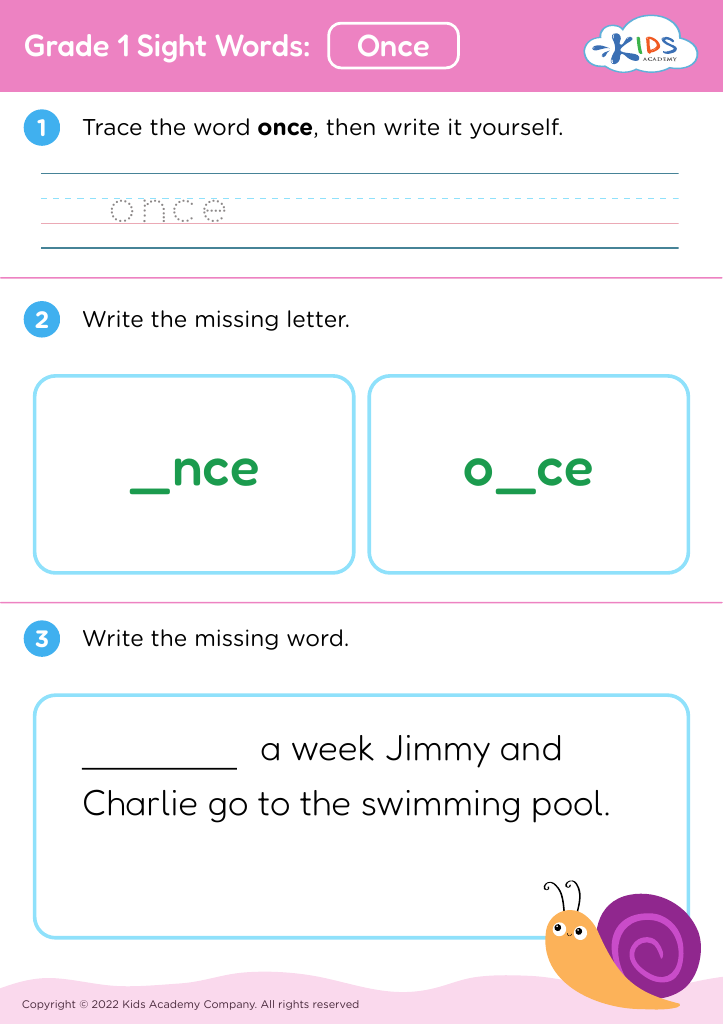
Grade 1 Sight Words: Once

Grade 1 Sight Words: Once

Grade 1 Sight Words: Once
Worksheet


Building a strong vocabulary around basic math skills is crucial for children aged 3 to 9, as it lays the foundation for their future success in mathematics and overall academic achievement. At this age, children are naturally curious, and integrating math vocabulary into their daily interactions nurtures this curiosity while reinforcing essential concepts. When parents and teachers expose children to terms such as "addition," "subtraction," "greater than," and "less than," they help them develop a robust mathematical language. This not only enhances their comprehension of math-related tasks but also boosts their confidence when tackling problems.

Moreover, a rich math vocabulary enhances critical thinking and reasoning skills. As children are encouraged to verbalize their thoughts, they learn to articulate their understanding and assumptions, fostering better problem-solving abilities. Engaging in discussions about shapes, numbers, and measurements during play or daily activities creates a more enriching learning environment.

Ultimately, when parents and teachers prioritize basic math skills building vocabulary, they equip children with the tools they need to navigate more complex mathematical concepts in the future. This early investment cultivates enthusiastic learners who view math as an accessible and essential part of their world.