Critical thinking skills Building Vocabulary Worksheets for Ages 3-9
7 filtered results
-
From - To
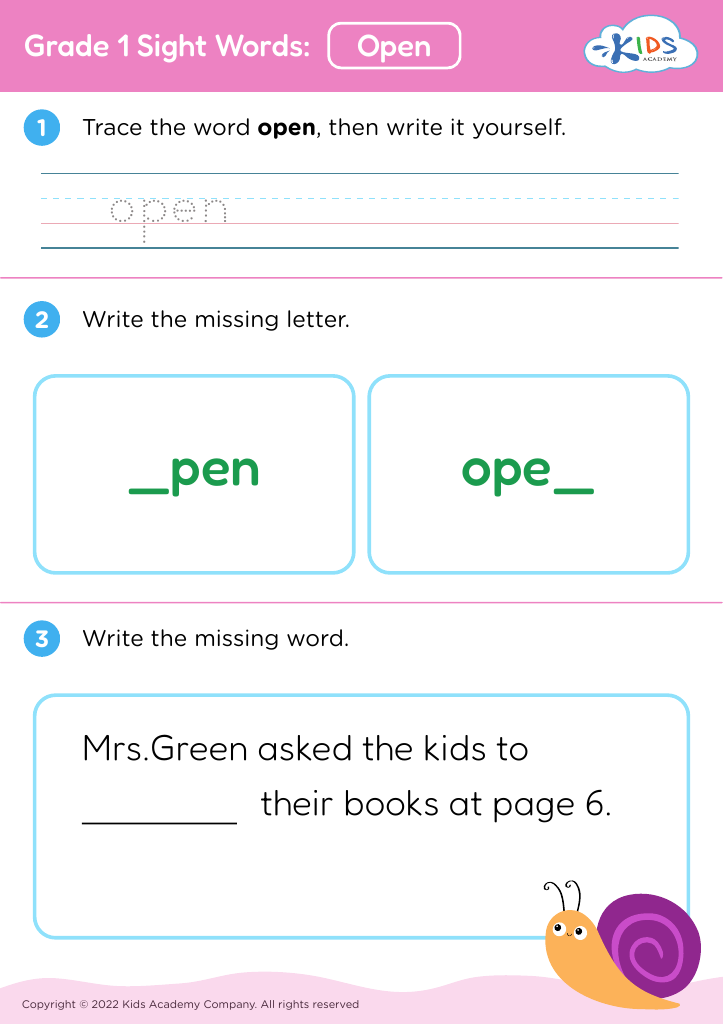
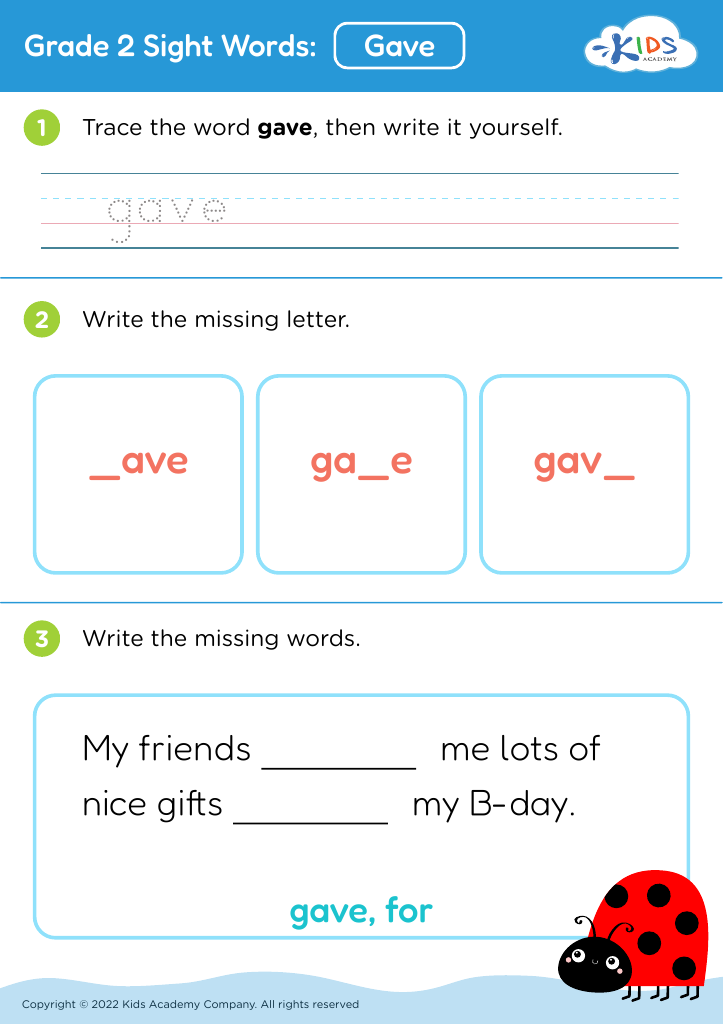
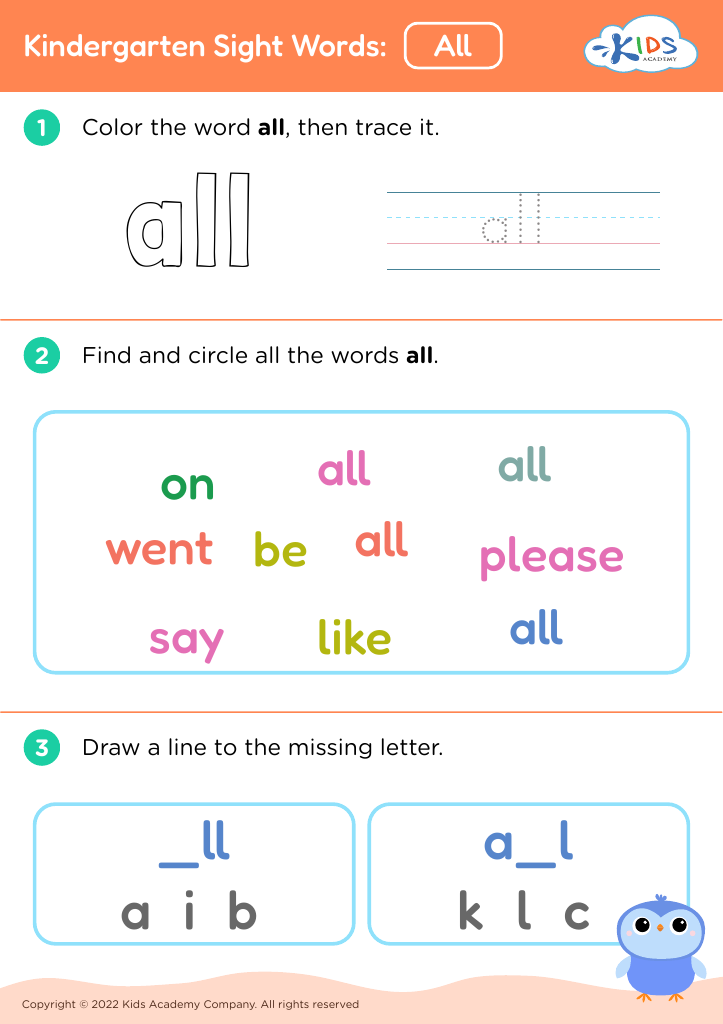
Enhance your child's language development with our "Critical Thinking Skills Building Vocabulary Worksheets" designed for ages 3 to 9. These engaging and interactive worksheets promote critical thinking while enriching vocabulary, supporting early literacy. Each activity encourages children to analyze, question, and connect ideas, fostering cognitive skills that are essential for their academic journey. Our thoughtfully crafted exercises stimulate curiosity and imagination, making learning enjoyable and effective. Ideal for teachers, parents, and caregivers, these resources are perfect for at-home practice or classroom use. Equip your young learners with the tools they need to succeed through fun and meaningful vocabulary exploration!
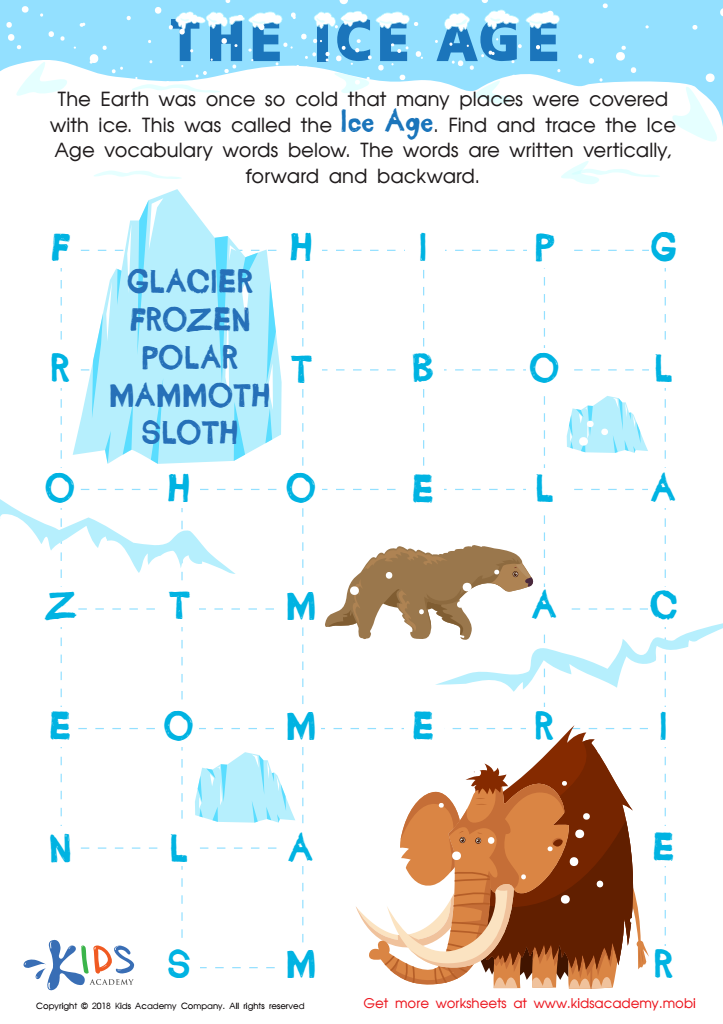
The Ice Age Worksheet
 Assign to My Students











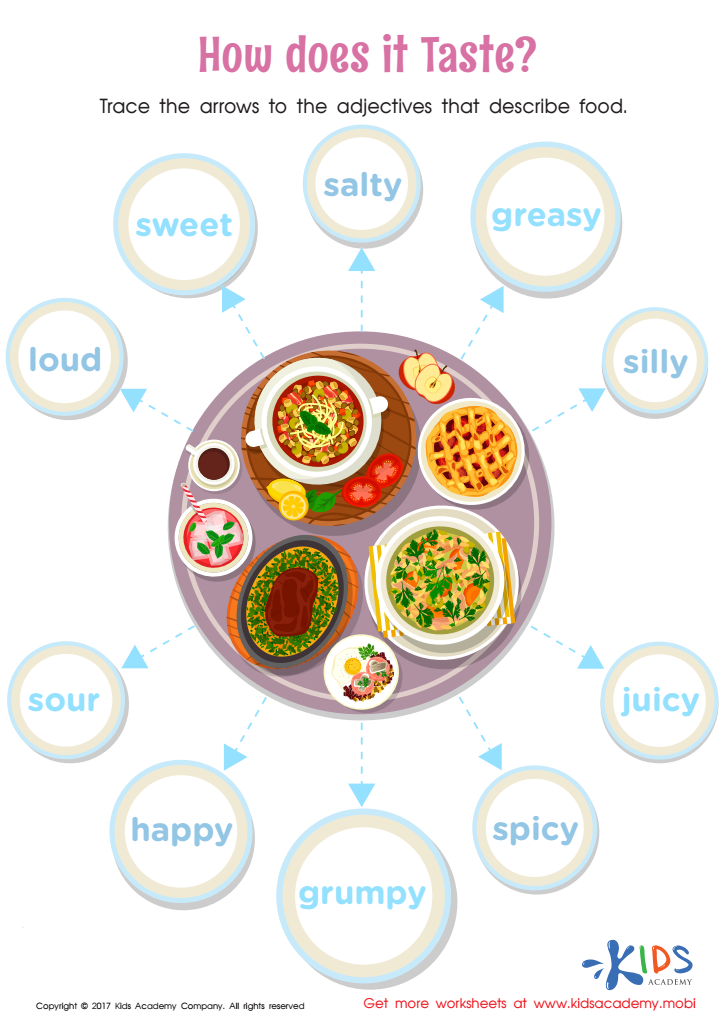
Food Adjectives Worksheet
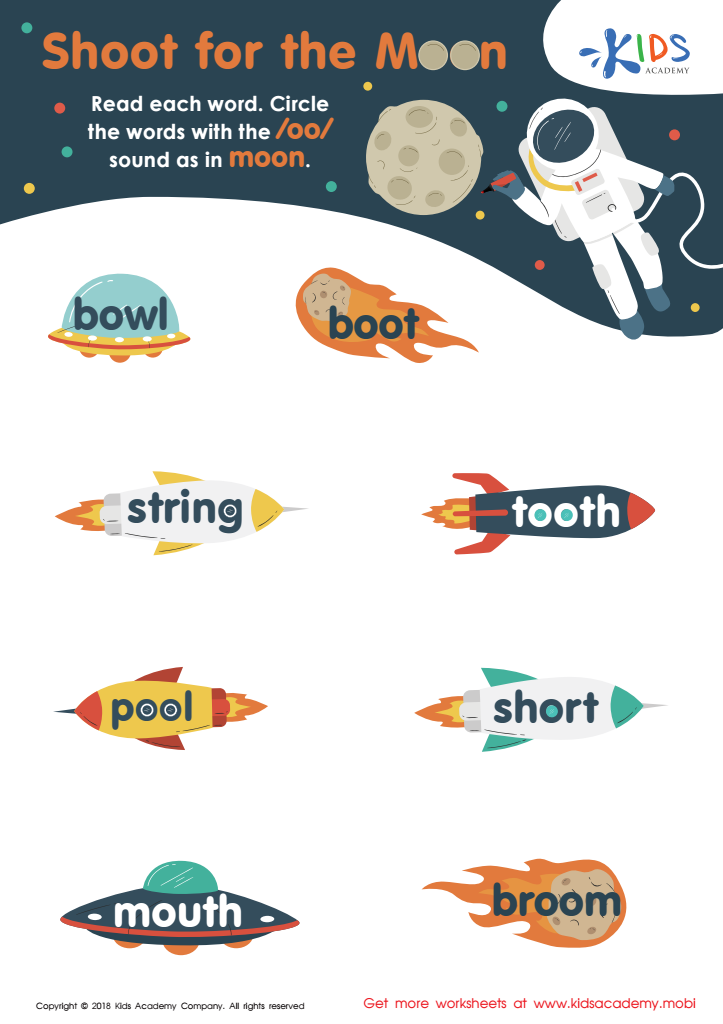
Reading: Shoot for the Moon Worksheet
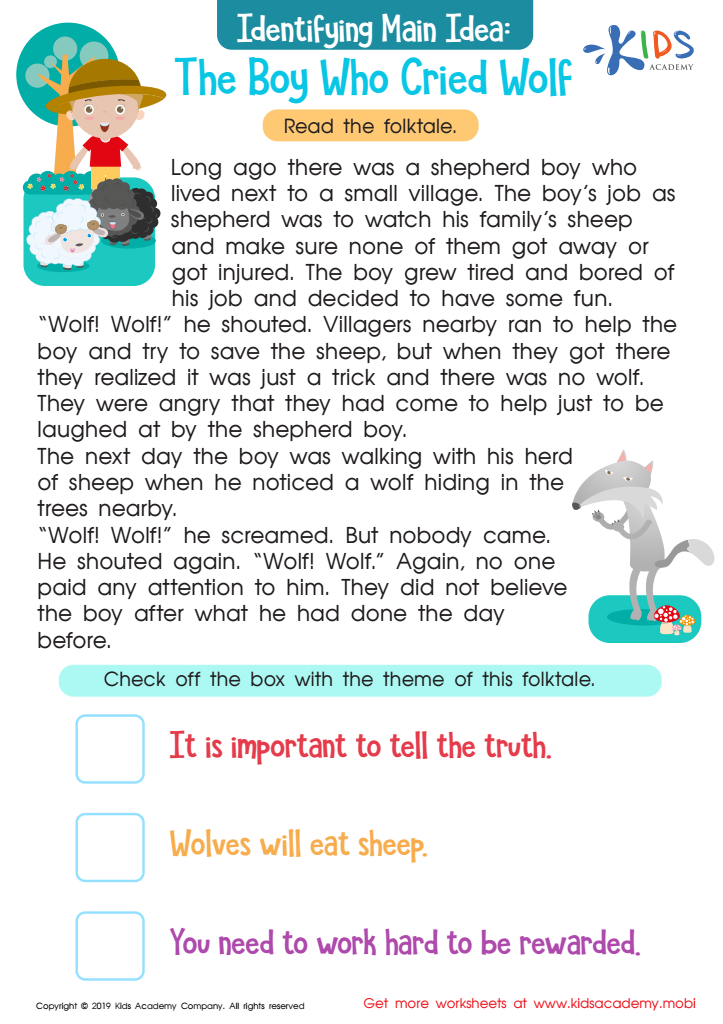
The Boy Who Cried Wolf Part 2 Worksheet







.jpg)
Critical thinking skills and vocabulary building are essential components in a child's development between the ages of 3 and 9. Parents and teachers should prioritize these skills because they form the foundation for academic success and lifelong learning.
Critical thinking encourages children to analyze information, solve problems, and make informed decisions. As they engage in discussions, ask questions, and explore concepts, they learn to approach challenges with confidence and creativity. This analytical mindset not only benefits them in academics but also enhances their social interactions, as they learn to understand different perspectives.
Building vocabulary during these formative years is equally important. A robust vocabulary enables children to express themselves clearly, understand complex ideas, and engage in conversations effectively. Exposure to a wide range of words enhances their reading and writing capabilities, supporting literacy development. Moreover, a rich vocabulary fosters cognitive development; children can better articulate thoughts and emotions, which aids in building strong relationships.
By focusing on critical thinking and vocabulary development, parents and teachers help create well-rounded individuals equipped to navigate the complexities of the world, fostering curiosity and a passion for learning that lasts a lifetime. Thus, investing time and effort in these areas is crucial for holistic child development.








