Math problem-solving Building Vocabulary Worksheets for Ages 3-9
6 filtered results
-
From - To
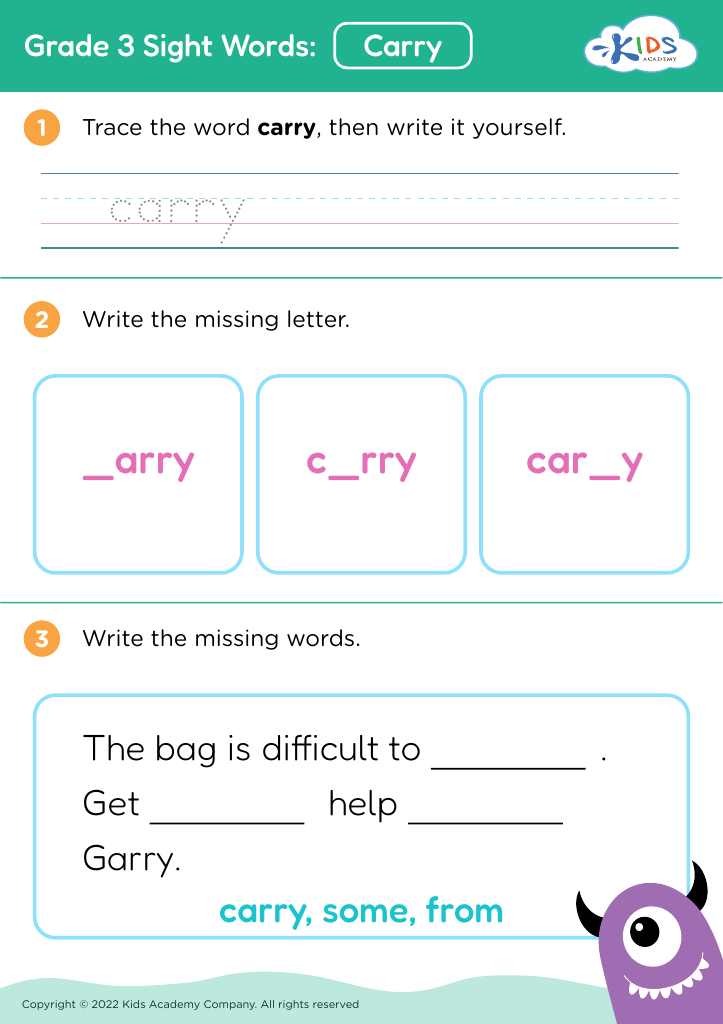
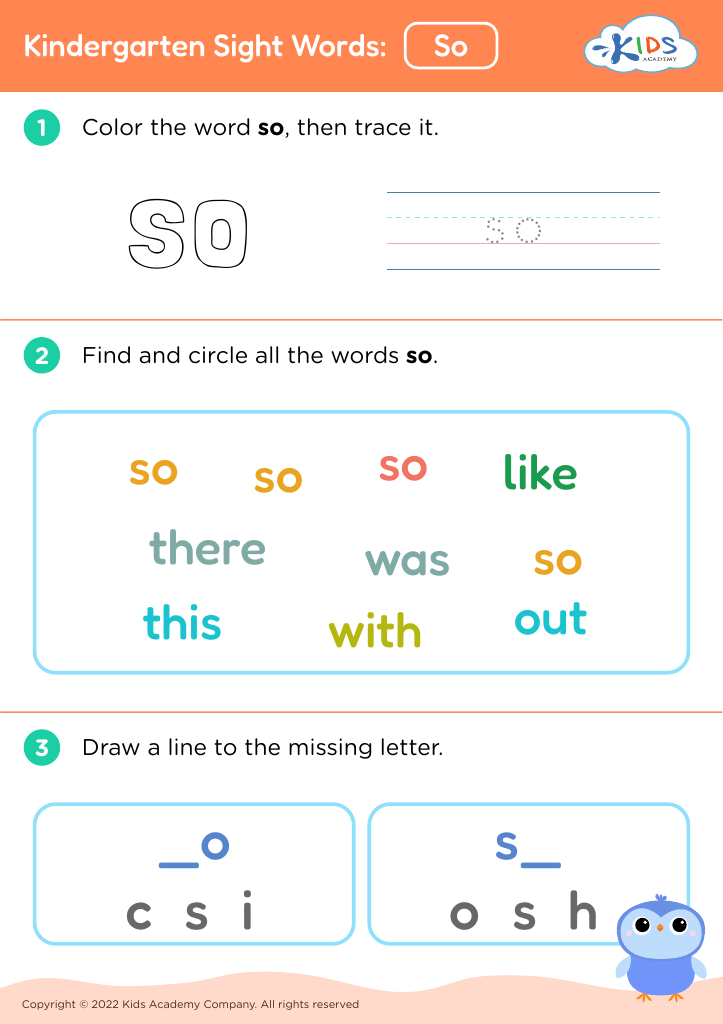
Discover our engaging Math Problem-Solving Building Vocabulary Worksheets designed for children ages 3-9! These versatile resources help young learners develop essential math skills while expanding their vocabulary. Each worksheet is crafted to introduce key math concepts through fun, interactive activities, promoting critical thinking and word understanding. From simple addition and subtraction to more complex problem-solving situations, these materials cater to varying skill levels, ensuring each child can progress at their own pace. Enhance your child's learning experience and build a strong foundation in math and language with our thoughtfully designed worksheets. Ideal for at-home practice or classroom activities!



















Mathematics problem-solving and vocabulary development are crucial components of early education for children aged 3-9. Parents and teachers should prioritize these areas for several reasons. First, mathematical vocabulary lays the foundation for understanding essential concepts. When children learn terms like "addition," "subtraction," "difference," and "greater than," they are better equipped to tackle mathematical problems. This vocabulary aids in developing critical thinking skills, enabling children to articulate their thought processes and solutions effectively.
Moreover, problem-solving encourages a mindset of exploration and resilience. It helps children learn to approach challenges logically and creatively, fostering confidence and independence. These skills are not only vital in math but also transferable to other subjects and real-life situations. By engaging young learners in math discussions and vocabulary-building activities, adults can create an enriching environment where children feel supported and valued in their learning journey.
Lastly, addressing math vocabulary supports language development and literacy, enhancing overall academic success. When children connect mathematical ideas with words, they reinforce their cognitive abilities and prepare for more complex concepts in later grades. Thus, emphasizing math problem-solving vocabulary in early education is essential for holistic child development, setting the groundwork for lifelong learning and success.








