Number Recognition Building Vocabulary Worksheets for Ages 3-9 - Page 2
33 filtered results
-
From - To
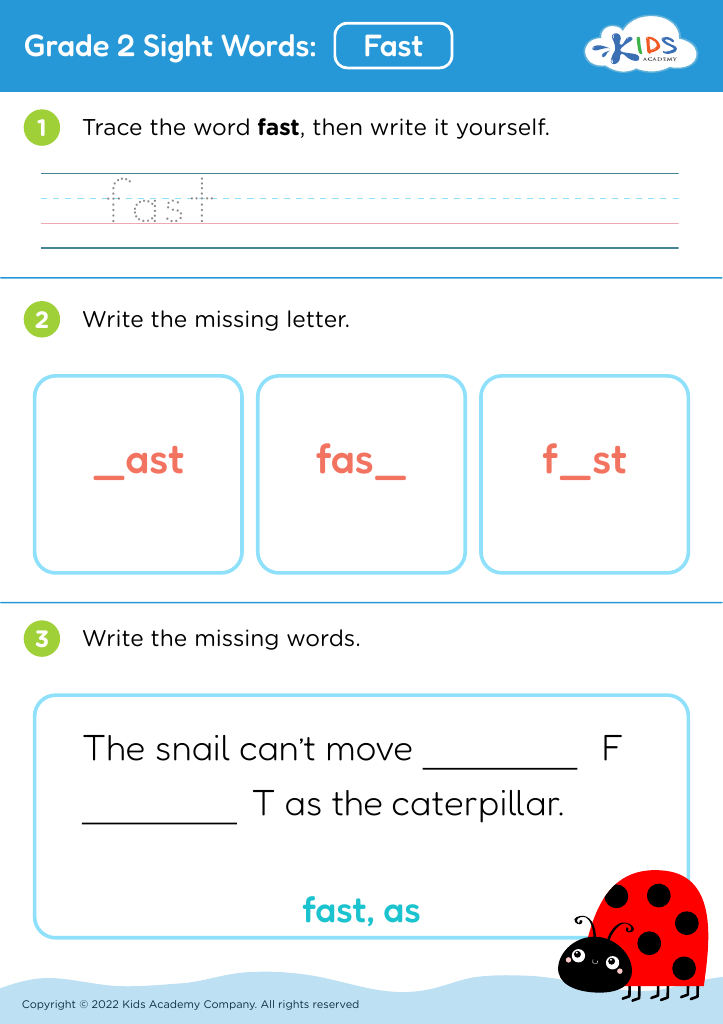











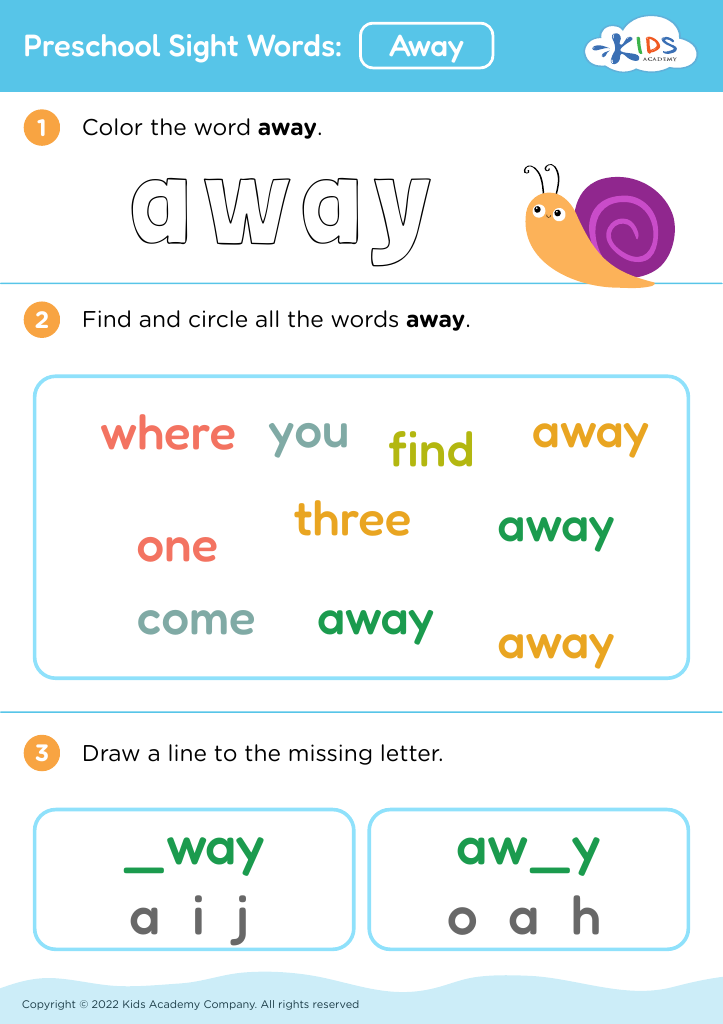
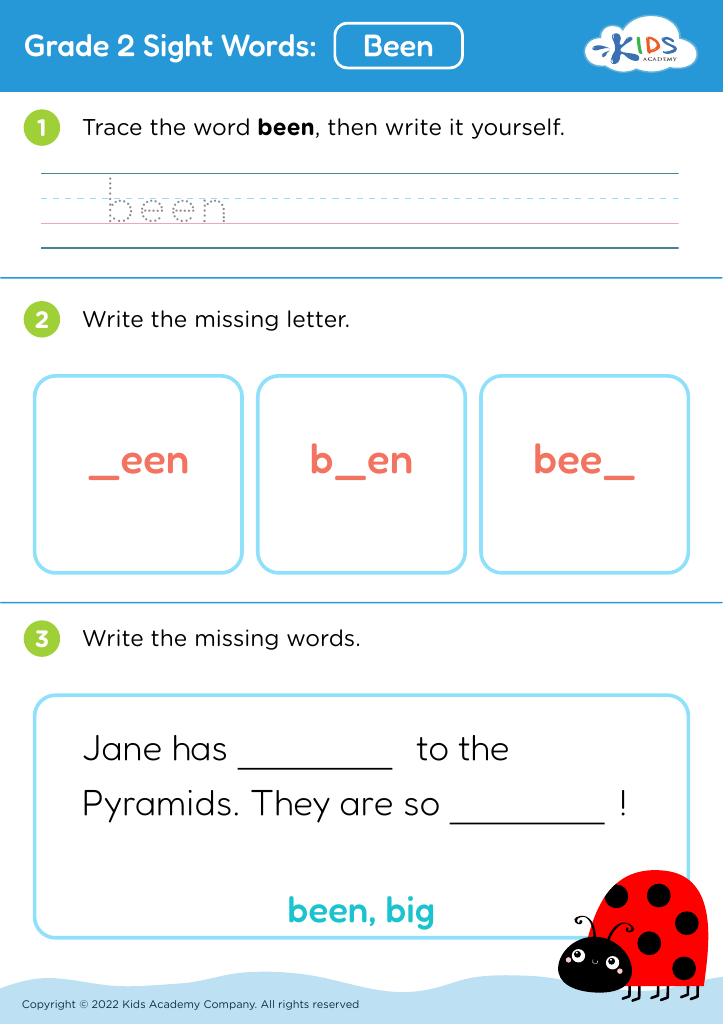
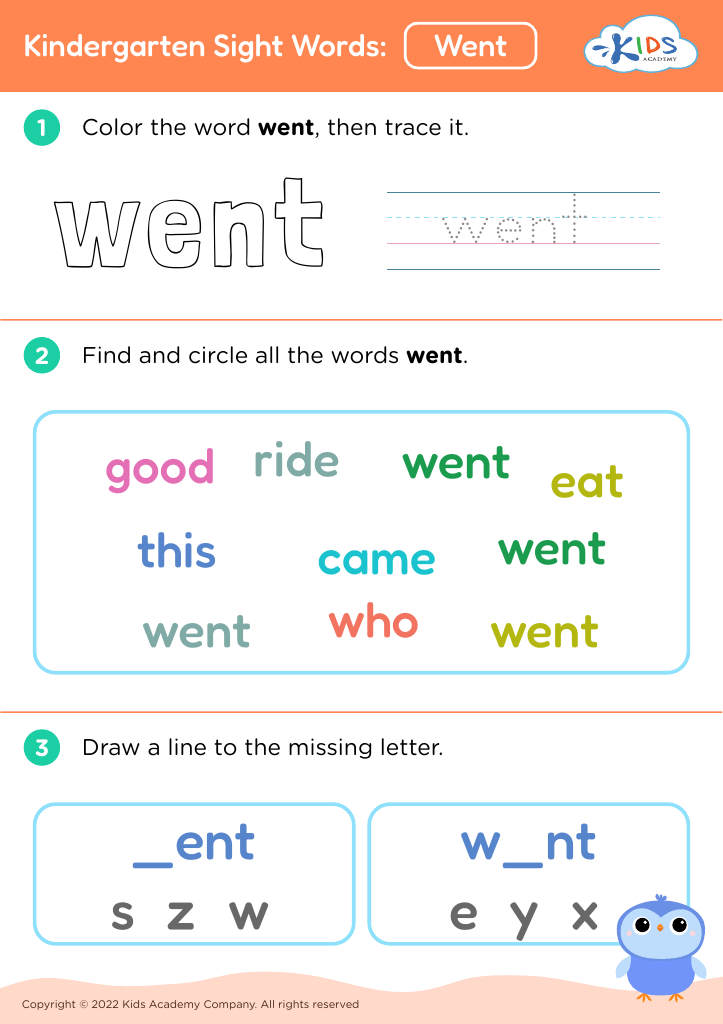
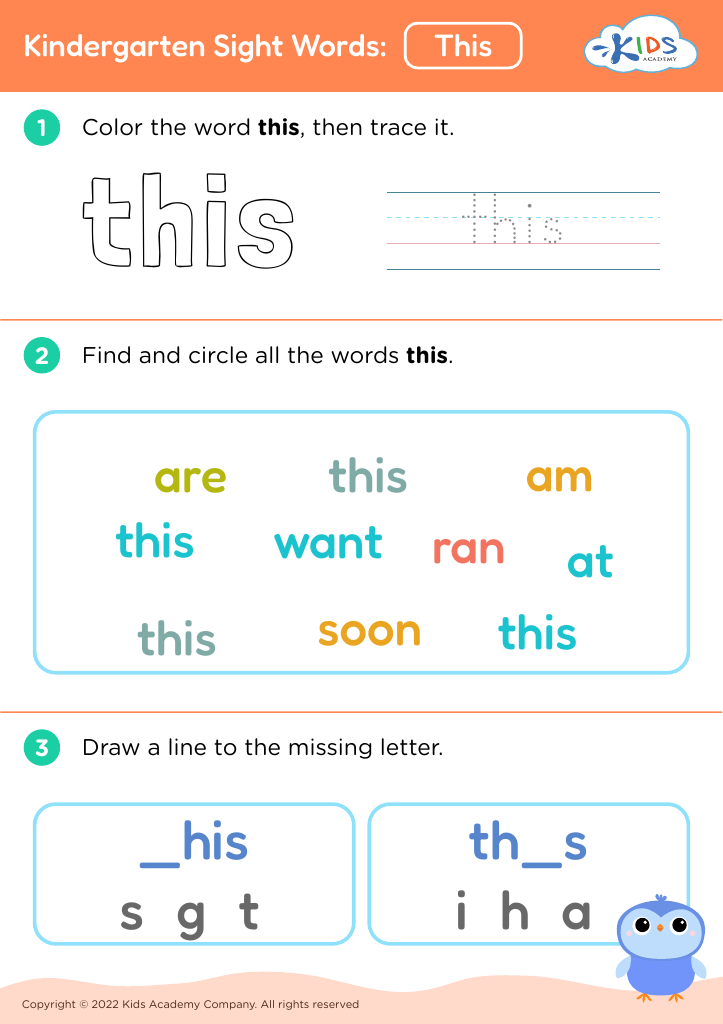
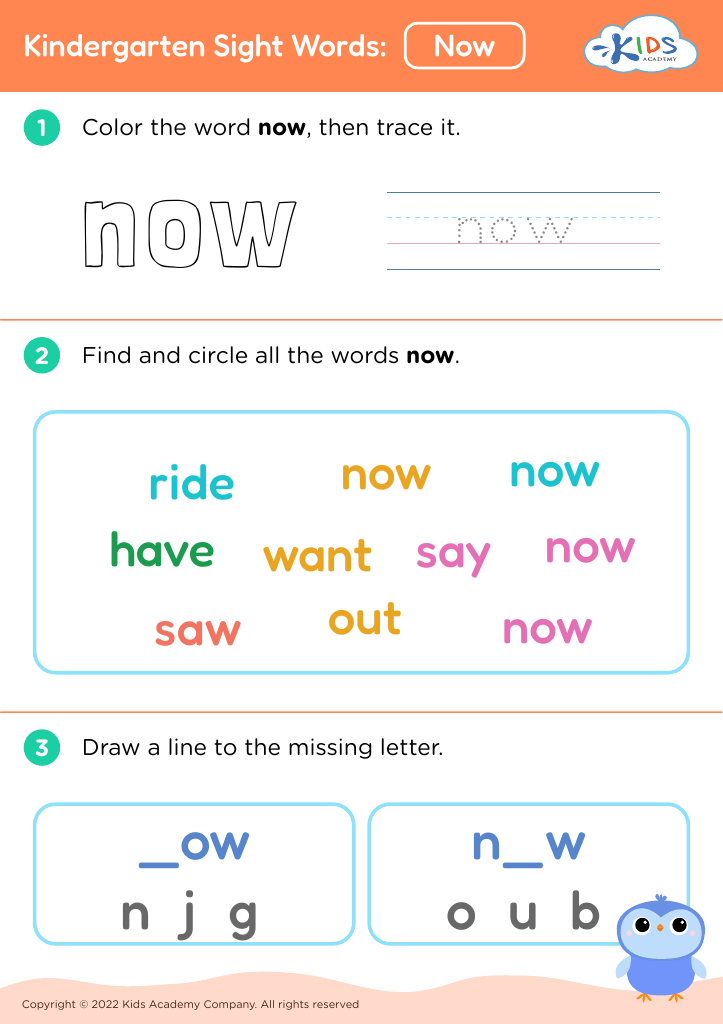
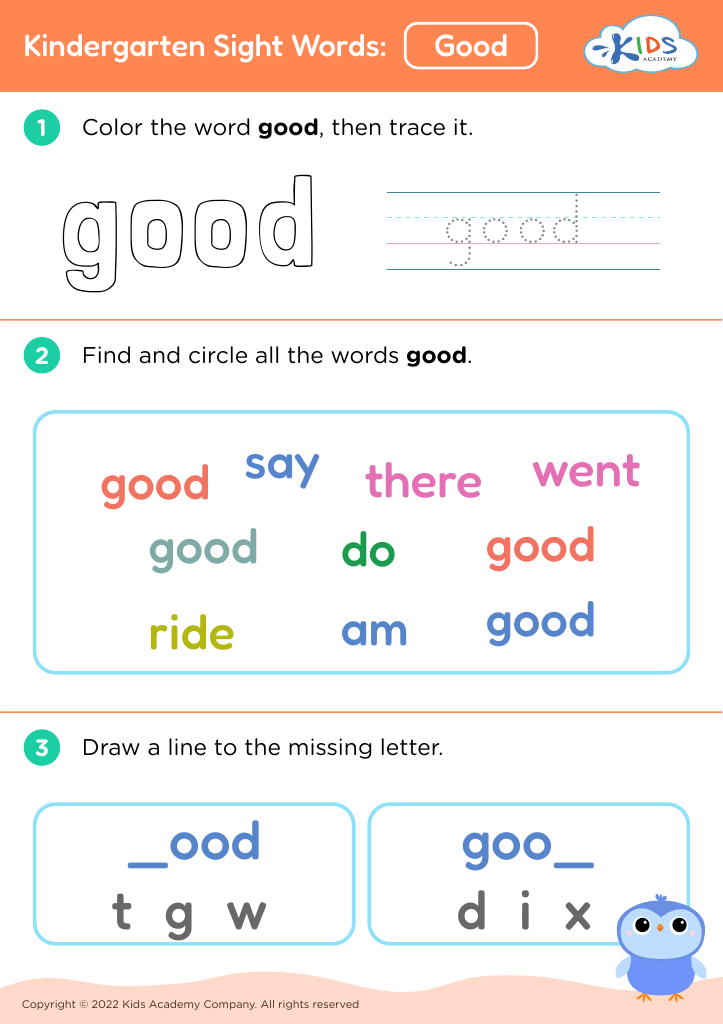
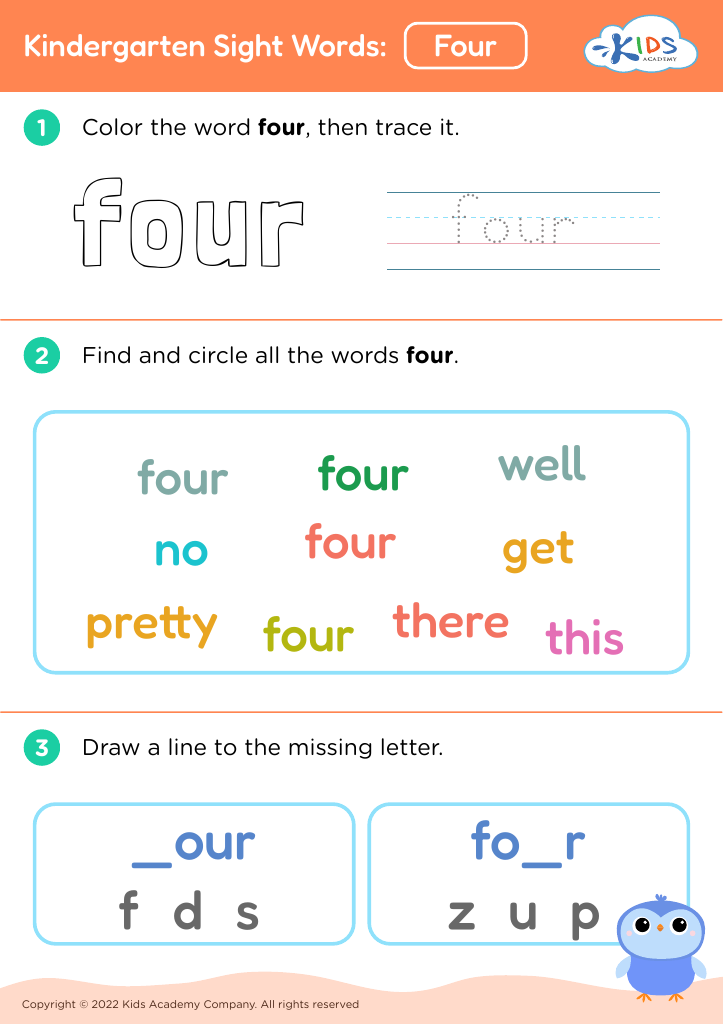
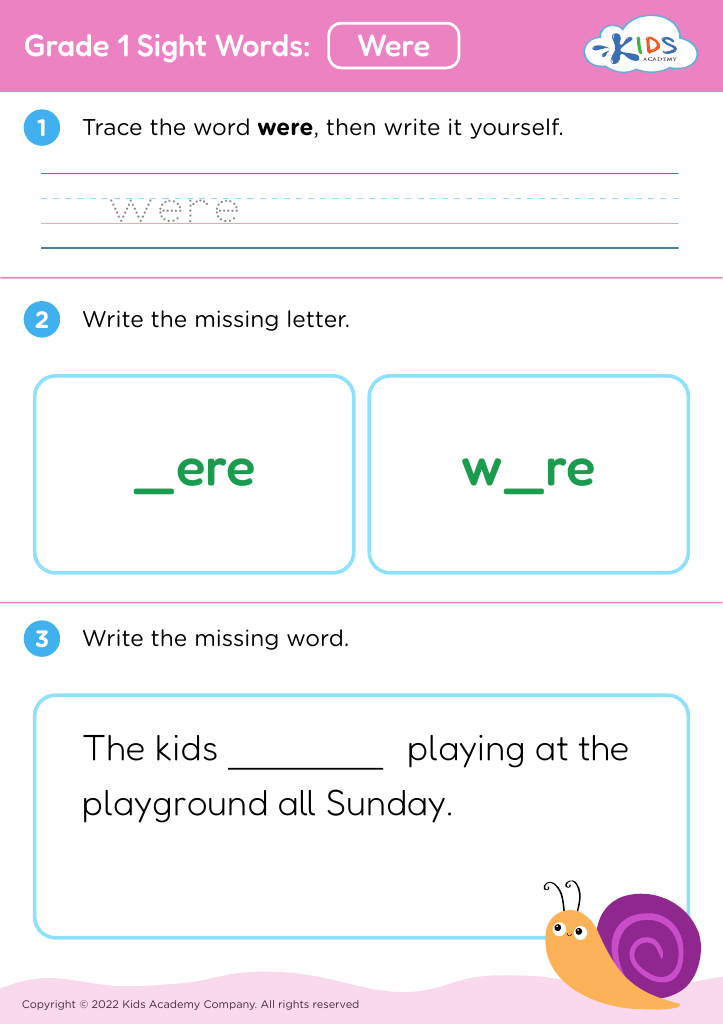








Number recognition and vocabulary building are foundational skills that significantly contribute to a child's overall development, making them crucial for parents and teachers to prioritize, especially for ages 3-9. Firstly, number recognition is vital for early math proficiency. Children who can recognize numbers can better understand basic arithmetic concepts, which are essential for future learning. Engaging with numbers in playful and relatable contexts, such as counting objects, enhances not only mathematical skills but also cognitive development.
Similarly, vocabulary building is integral to literacy skills. A rich vocabulary enables children to express themselves clearly and understand their surroundings better. Early exposure to diverse words helps foster communication skills, critical thinking, and a love for reading. Through stories, songs, and everyday conversations, children can develop essential language abilities that will benefit their academic journey and social interactions.
Furthermore, both number recognition and vocabulary building promote self-confidence in children. Mastery of these skills can motivate them to tackle more complex concepts and engage more fully in group learning experiences. Ultimately, by prioritizing these developmental areas, parents and teachers lay a solid foundation for lifelong learning and overall educational success.








