Filters

7 filtered results

Clear all filters
Favorites
With answer key
Interactive

7 filtered results

Difficulty Level

Grade


Boost your child’s vocabulary with our engaging Reading Skills Building Vocabulary Worksheets designed for ages 3-9! These worksheets provide a fun, interactive way to enhance language skills, helping young learners expand their word bank through various activities and exercises. With colorful illustrations and age-appropriate content, our worksheets cater to different learning styles and keep kids excited about reading. Each worksheet focuses on essential reading comprehension skills, ensuring a well-rounded approach to literacy. Perfect for home or classroom use, these resources pave the way for your child’s success in reading and communication. Ignite a passion for learning today!

Check out this FREE Trial Lesson on Building Vocabulary for age 3-9!

Short Vowels

Favorites
With answer key
Interactive
  • 3-9
  • Reading Skills
  • Building Vocabulary
Neighborhood Words Worksheet

Neighborhood Words Worksheet

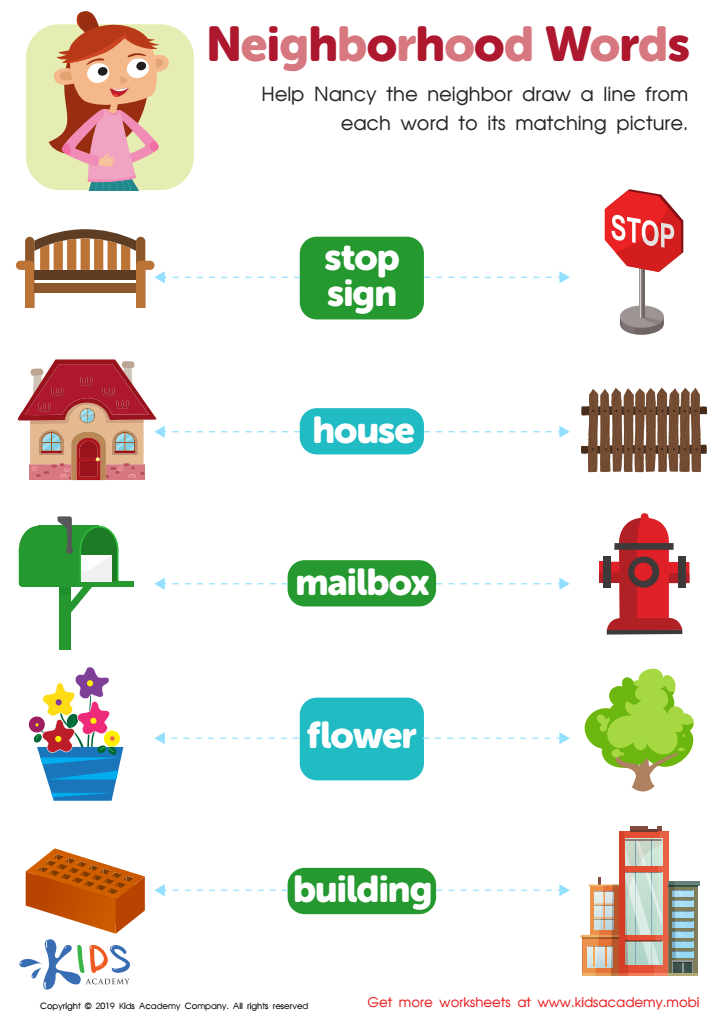
Help preschoolers develop life skills and familiarize them with words and concepts with this worksheet! It'll also boost their fine motor skills as they trace lines to match pictures with the words. They'll learn new words and feel more confident in their reading.
Neighborhood Words Worksheet
Worksheet
Short Vowel Eggs Worksheet

Short Vowel Eggs Worksheet

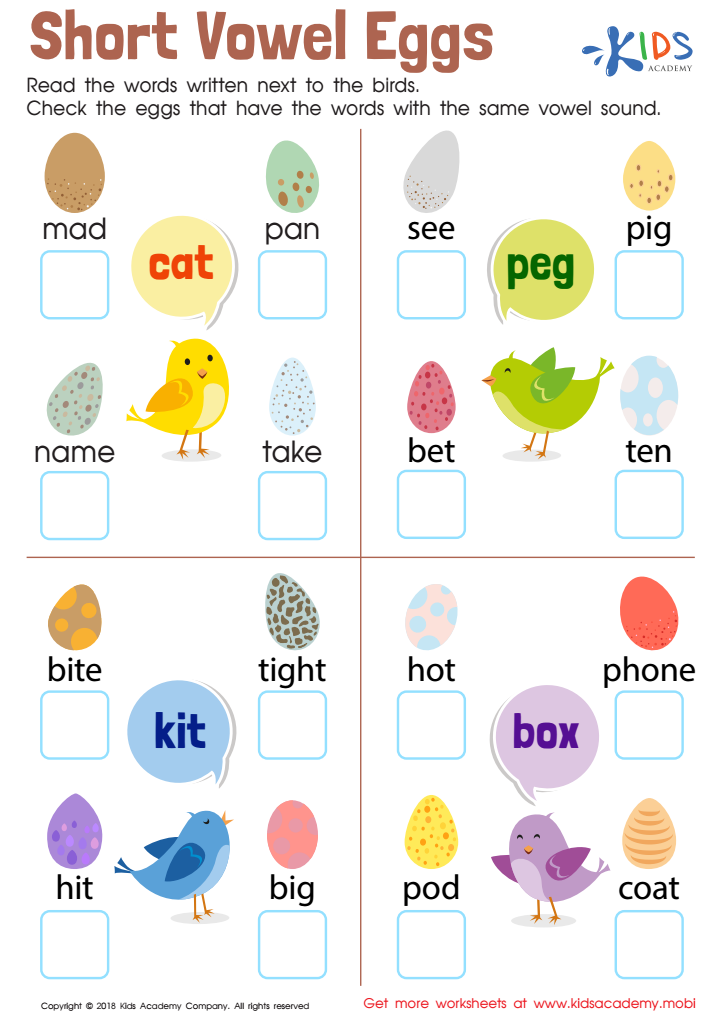
Your students will love helping these birdies pick the short vowel eggs! Have them read the words in the thought bubbles, then check off the boxes with the same short vowel sounds. The bright colors of this free Worksheet will draw them in and get them practicing their vowels!
Short Vowel Eggs Worksheet
Worksheet
Picture Words Worksheet

Picture Words Worksheet

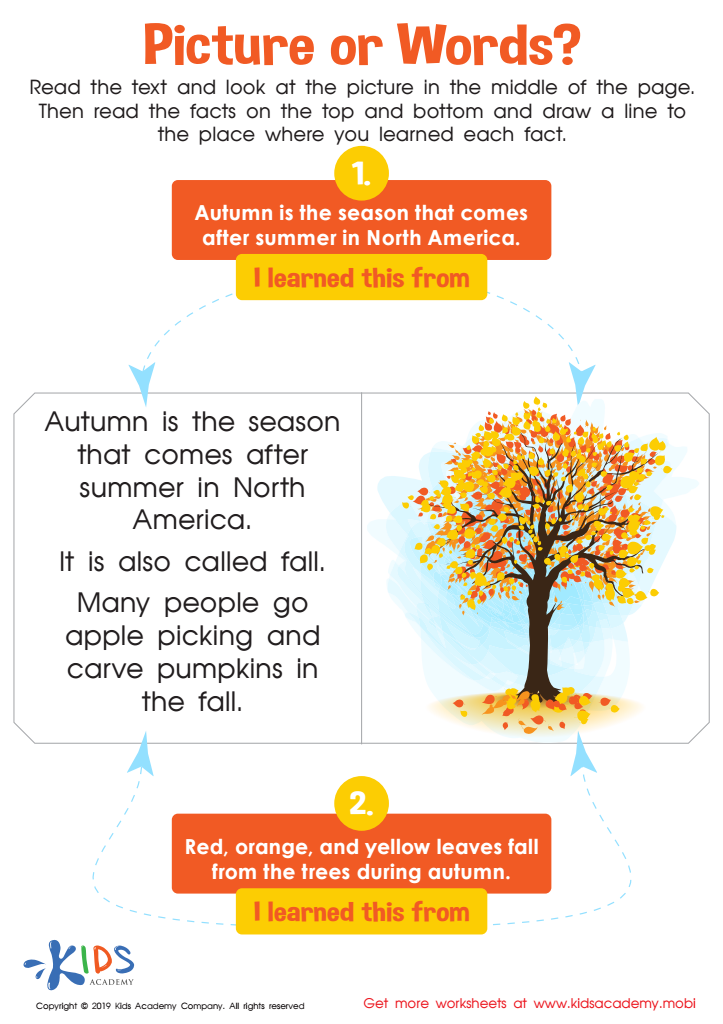
Pictures are key for early reading skills. Remind children to use all resources when reading passages to understand meaning. With the free PDF, kids can learn through pictures & words, then answer questions based on what they learned. This hits home that all info in text is valuable, pics included!
Picture Words Worksheet
Worksheet
“B” Words Printable Worksheet

First Words Worksheet

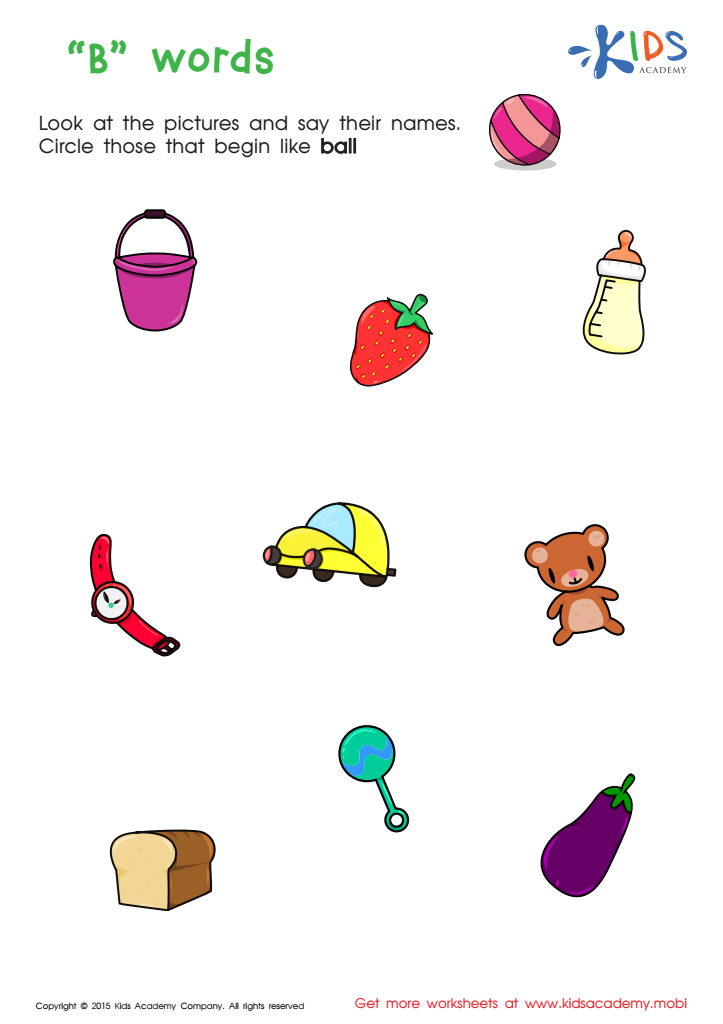
Want to help your preschooler learn to read and write? Start with this 'B' words printable worksheet. It will help your child match pictures to the letters they know, sound out words, and build literacy. Once they understand the concept, they can start sounding out words and building reading skills.
First Words Worksheet
Worksheet
Sight Words Worksheet: B Words

"B" Words Printable Sight Words Worksheet
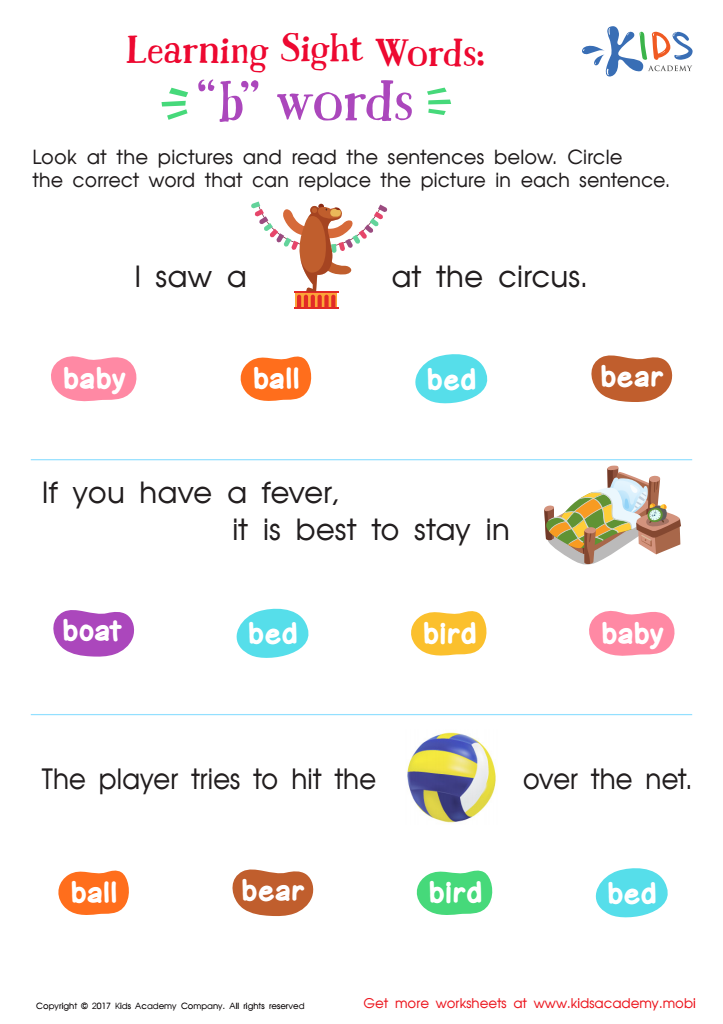
Kids will learn sight words quickly with this fun worksheet! "B" Words offers guided practice with simple sentences and pictures. Build your child's reading confidence with this helpful worksheet and watch them become a master!
"B" Words Printable Sight Words Worksheet
Worksheet
Pre reading worksheet guess my name

Pre Reading Worksheet Guess My Name

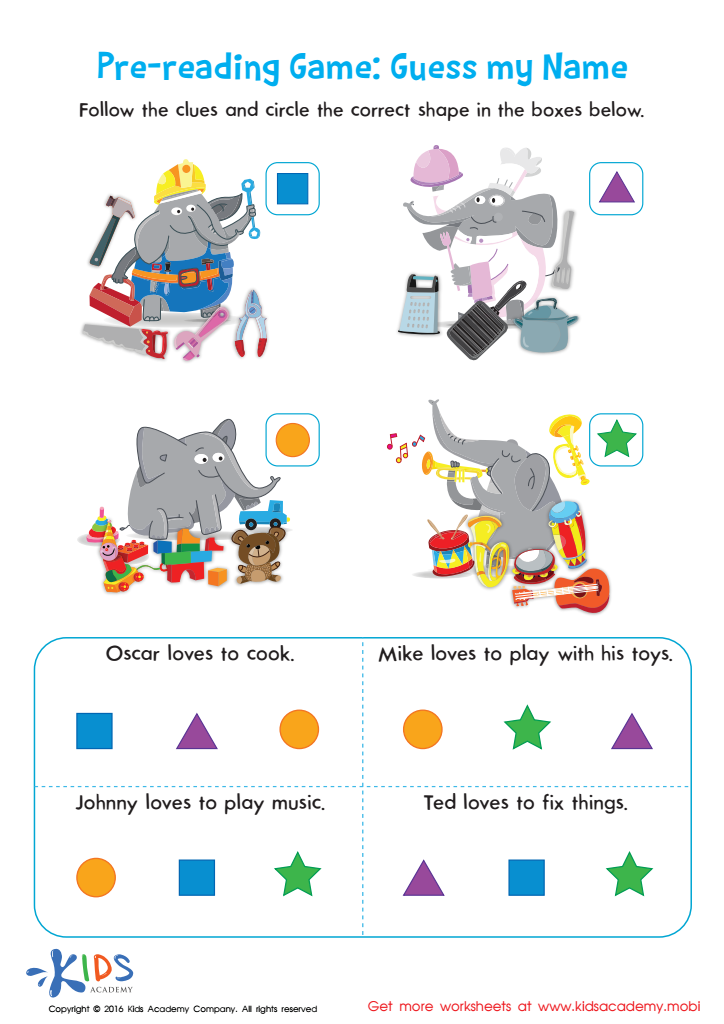
Guess My Name is a fun way to practice inference skills. Guess My Name is a fun pre-reading game to help your child practice drawing inferences from clues. With colorful illustrations, they'll use clues to match each elephant with its sentence and sharpen their inference skills.
Pre Reading Worksheet Guess My Name
Worksheet
Trace Read You Like Worksheet

Trace Read You Like Worksheet

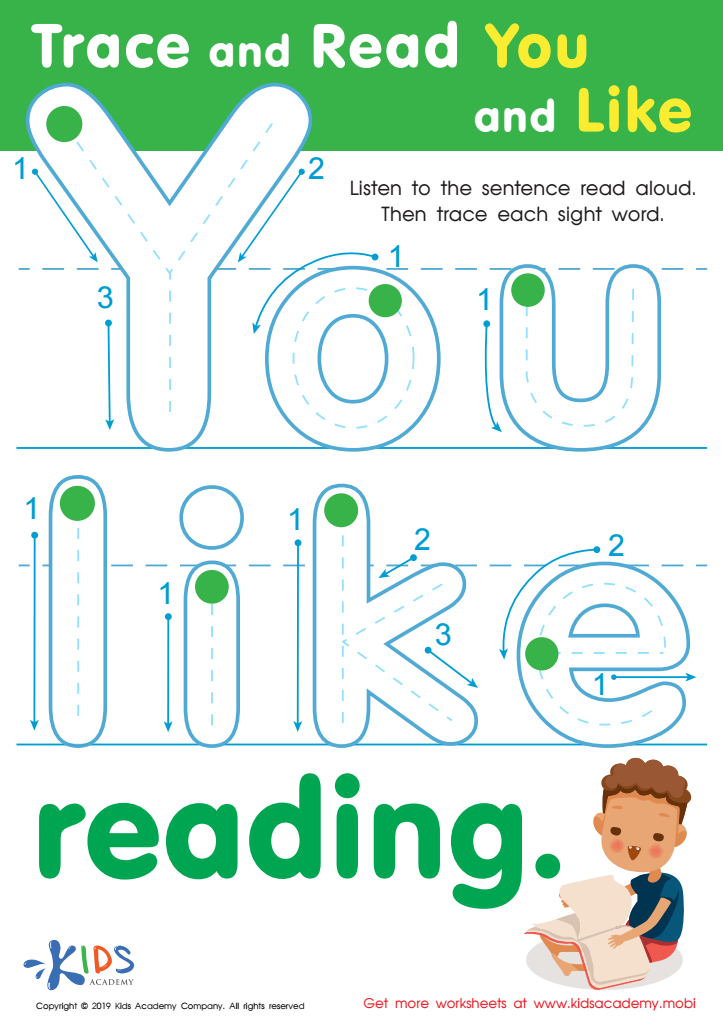
Sight words help children become confident and fluent readers. This free worksheet encourages success with basic 'you' and 'like' words. Writing them with traceable lines and green dots shows motion and builds sight word vocabulary. Help your child master the basics and boost their reading progress!
Trace Read You Like Worksheet
Worksheet


Building vocabulary is a critical aspect of reading skills for children aged 3-9, as it lays the foundation for their overall literacy development. Parents and teachers should care about this process for several reasons.

Firstly, a robust vocabulary enhances comprehension. When children understand the words they read, they can grasp the overall meaning of texts, which is vital for learning across subjects. Improved comprehension leads to better academic performance and instills a love for reading.

Secondly, vocabulary development is closely linked to cognitive development. As children learn new words, they also learn concepts, ideas, and new ways to express themselves. This, in turn, nurtures critical thinking and communication skills.

Additionally, a rich vocabulary can boost a child's confidence. When children are equipped with words to express their thoughts and feelings, they feel more empowered in social situations, enhancing their engagement with peers and adults.

Moreover, studies have consistently shown that children with extensive vocabularies in early childhood tend to achieve higher literacy levels and academic success later on. Therefore, investing time in vocabulary-building activities not only fosters a love for reading but also ensures that children are better prepared for future learning challenges.