Character analysis Reading Worksheets for Ages 3-9
6 filtered results
-
From - To
Introduce the joy of reading with our Character Analysis Reading Worksheets for ages 3-9. Specially designed to develop young learners' critical thinking and comprehension skills, these fun and engaging worksheets help children explore and analyze characters in their favorite stories. By focusing on key character traits, motivations, and development, our worksheets foster a deeper understanding and appreciation of narratives. Perfect for both classroom and at-home learning, they support literary growth that aligns with educational standards. Unlock your child's potential and enhance their reading journey today with our expertly-crafted character analysis resources!
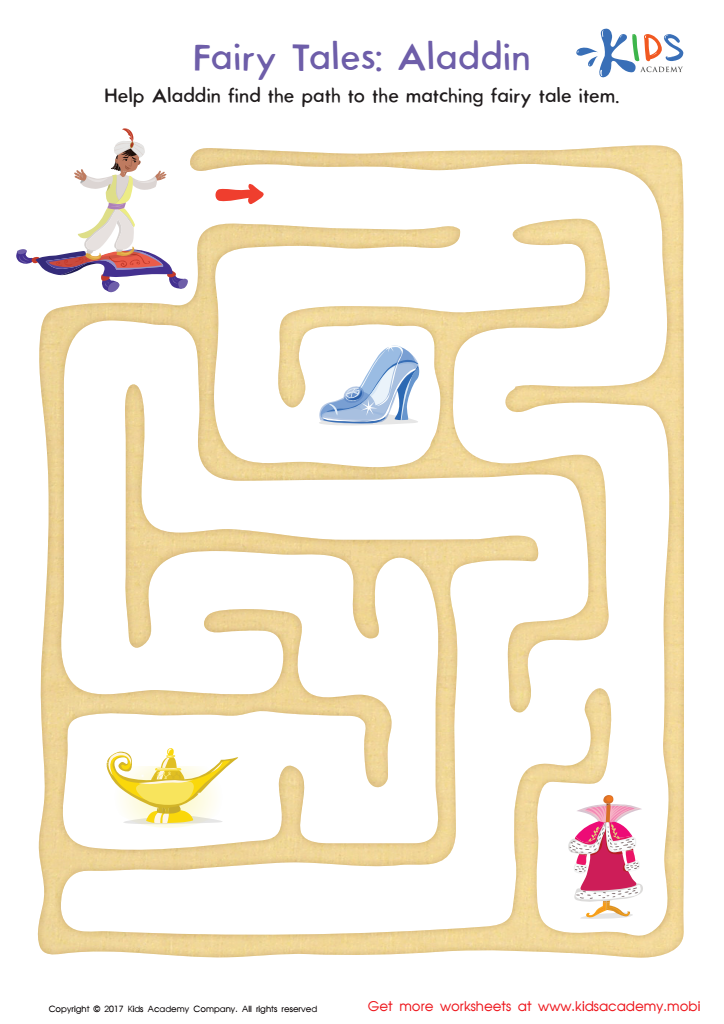
Fairy Tales Aladdin Printable
 Assign to My Students
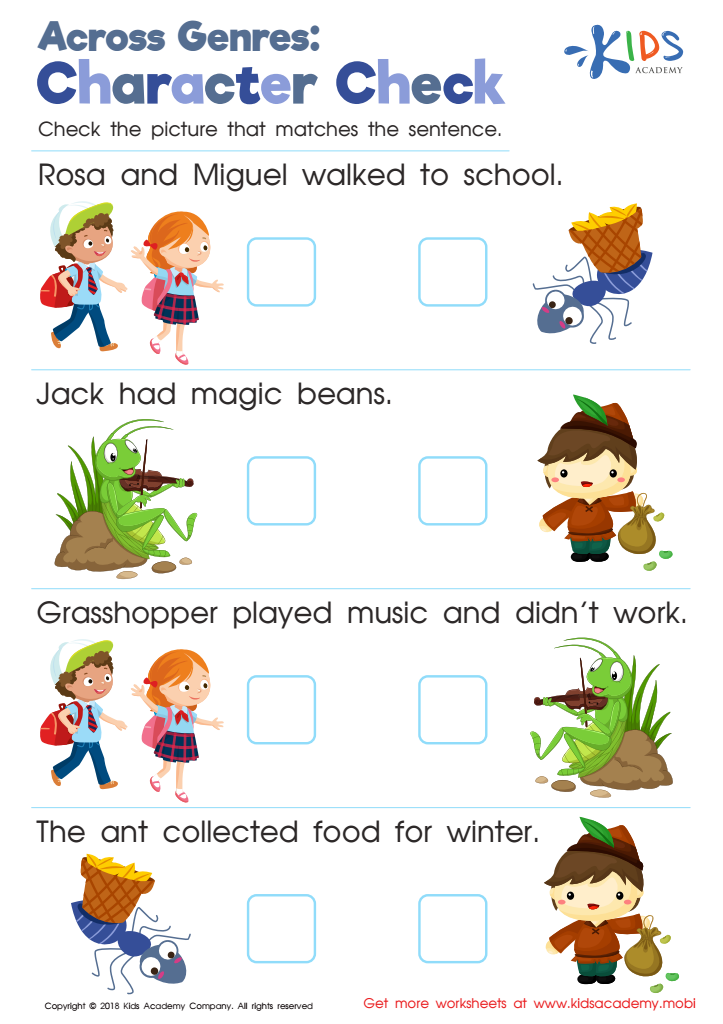
Across Genres: Character Check Worksheet
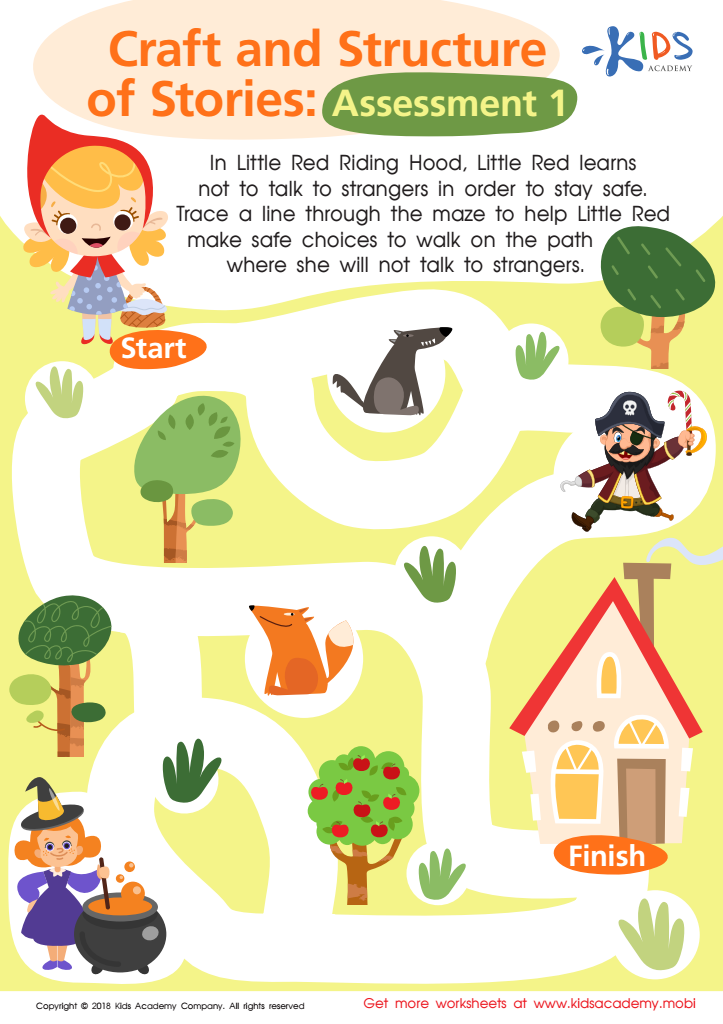
Craft and Structure of Stories: Assessment 1 Worksheet
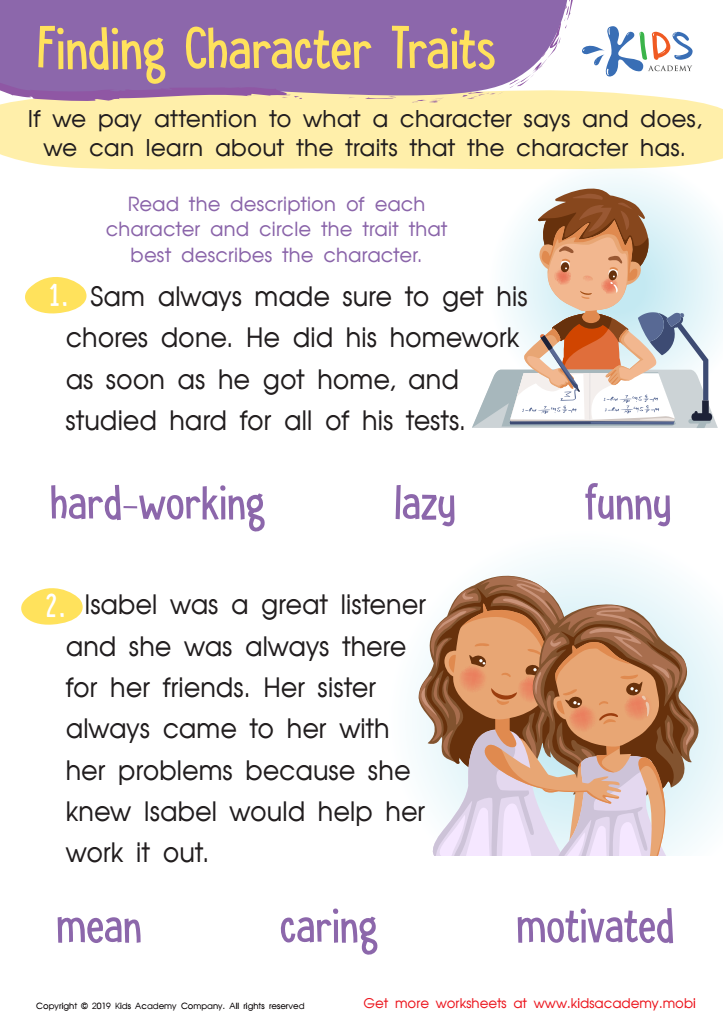
Finding Character Traits Worksheet
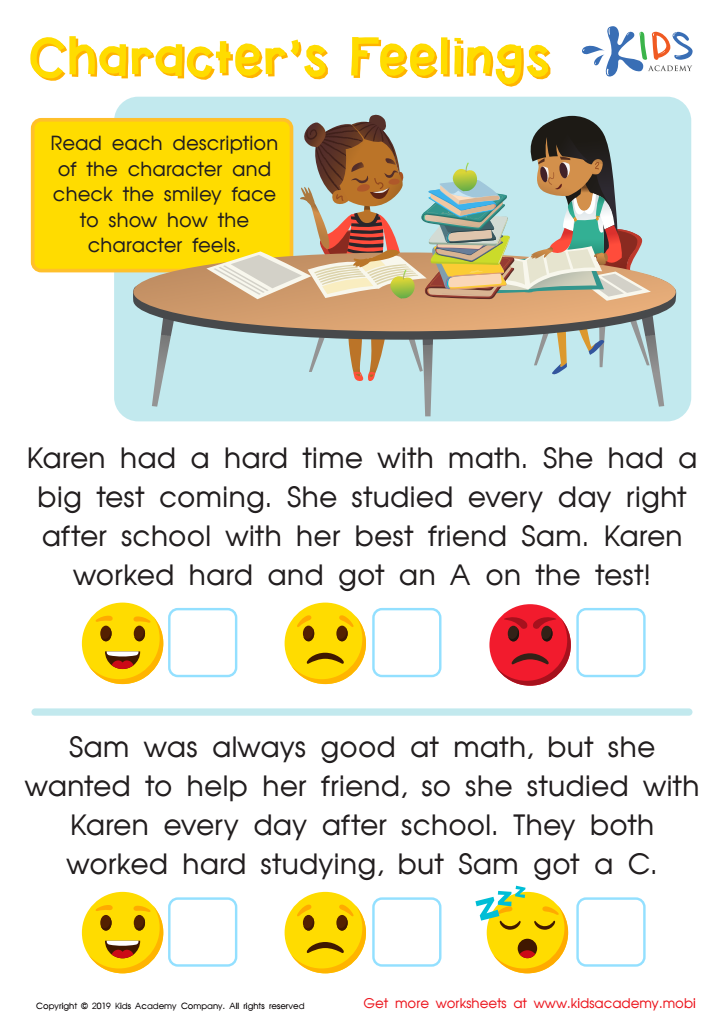
Character’s Feelings Worksheet
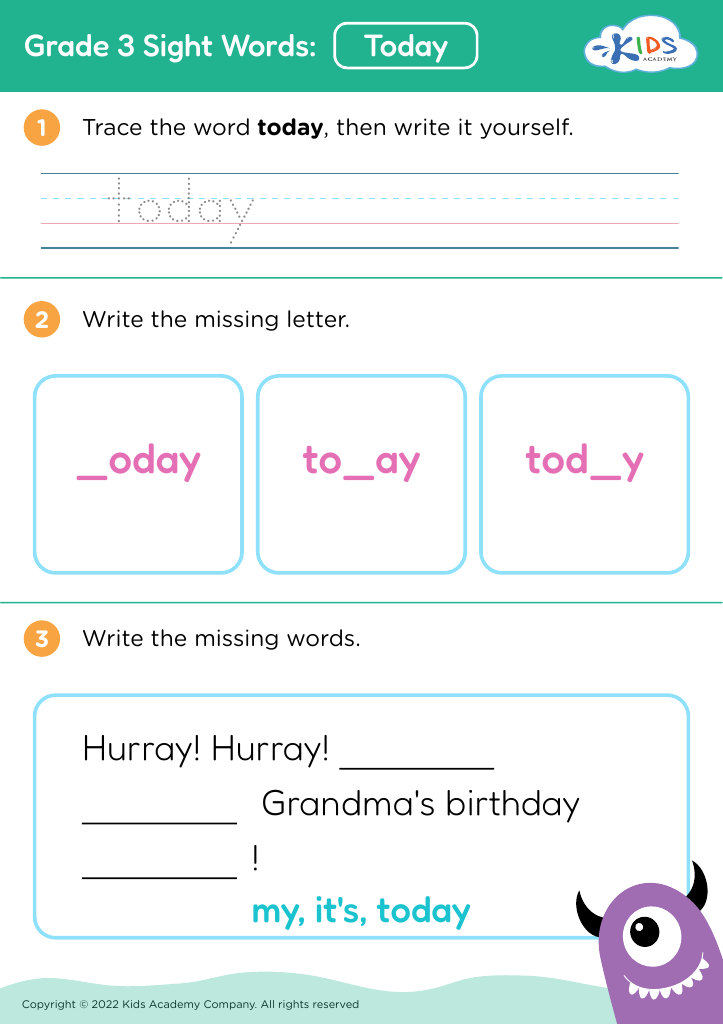








Character analysis is a critical aspect of early childhood education, especially for children aged 3-9, as it fosters essential cognitive and emotional development. When young children engage in character analysis, they enhance their comprehension skills by looking beyond the surface of the narrative to understand motives, feelings, and relationships. This deeper understanding aids in retention and makes reading a more interactive and enriching experience.
Moreover, character analysis encourages empathy and social skills. By understanding why characters behave a certain way, children learn to see situations from multiple perspectives. This is crucial for developing emotional intelligence, which is key to forming healthy relationships and navigating social dynamics throughout life.
Additionally, character analysis provides a foundation for critical thinking. Children learn to question and assess the moral and ethical dimensions of a character's actions, helping to shape their values and decision-making abilities. These are skills that go beyond the classroom, preparing children for complex problem-solving and ethical dilemmas they will face in the future.
Parents and teachers should care about character analysis in reading because it cultivates a more interactive, empathetic, and thoughtful reader, laying the groundwork for lifelong learning and personal development. It transforms reading from a passive activity into an engaged, reflective practice that benefits multiple aspects of a child's growth.








