Color recognition Reading Worksheets for Ages 3-9 - Page 2
30 filtered results
-
From - To
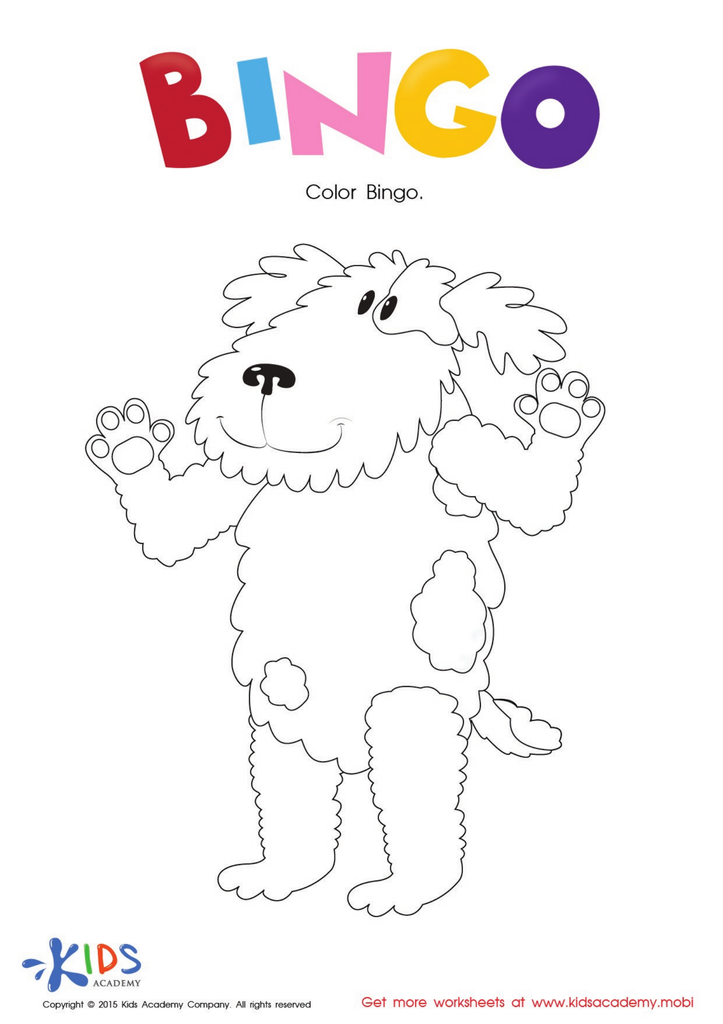
The Bingo Song: Coloring The Dog Worksheet
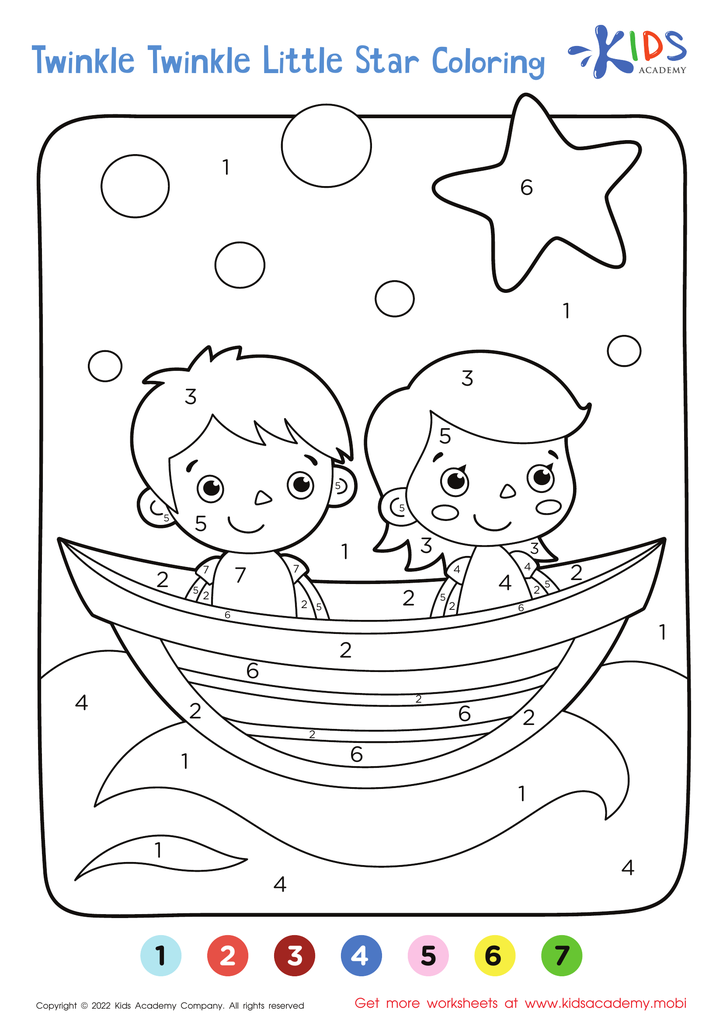
Twinkle, Twinkle, Little Star – Coloring by Numbers
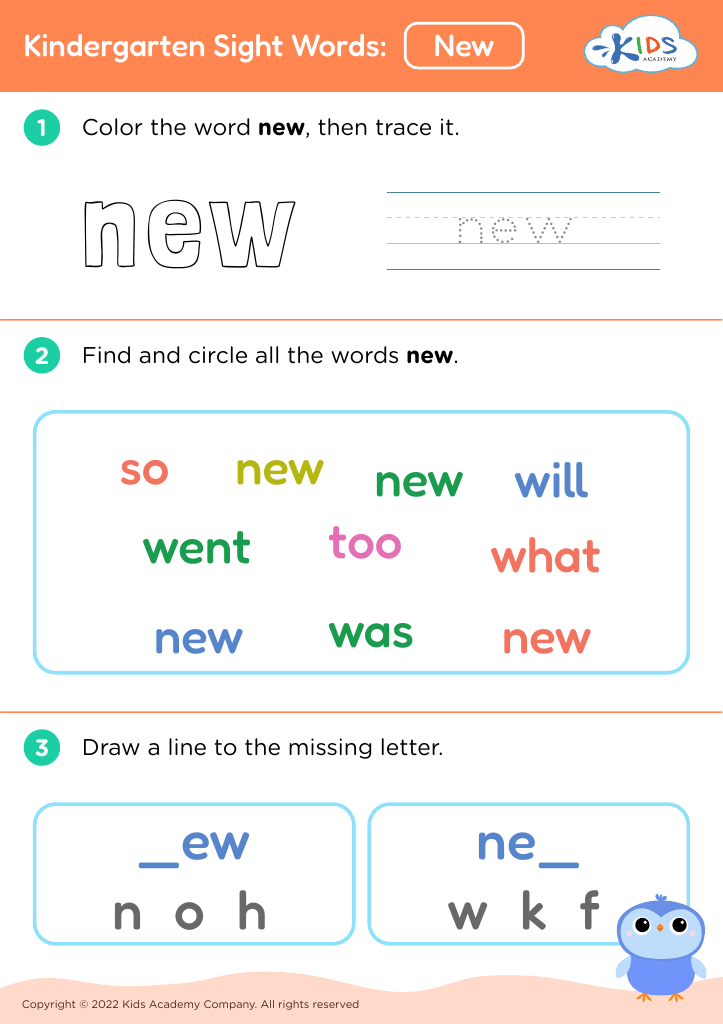
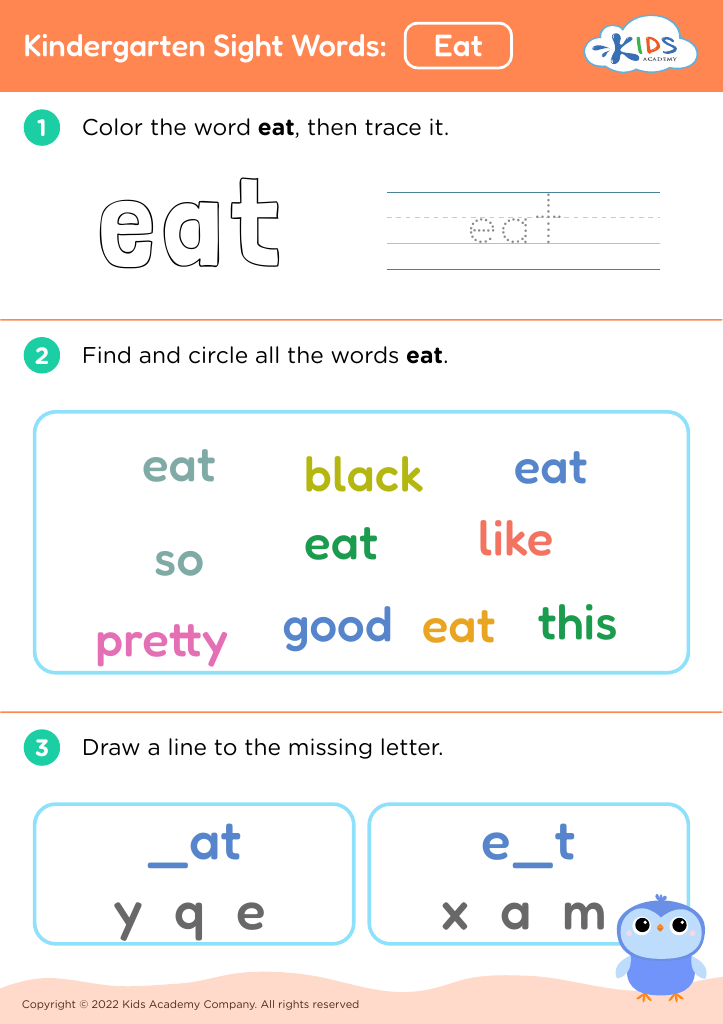








Color recognition is a foundational skill that significantly influences a child's early reading and learning experiences. For children ages 3-9, understanding and recognizing colors can enhance cognitive development and academic readiness. Firstly, color recognition aids in language development, as children learn to associate colors with words, fostering vocabulary growth. It also stimulates visual perception, helping young learners distinguish between different objects and enhance focus—an important skill for reading comprehension.
Moreover, integrating color recognition into early education fosters creativity and critical thinking. When children engage in activities that utilize colors, such as sorting or categorizing, they not only learn but also develop problem-solving skills that are vital in a variety of subjects, including literacy.
Additionally, colors play a vital role in storytelling and reading materials. Recognizing colors enables children to interpret illustrations, enhancing their understanding of narrative context. This visual connection to text encourages engagement and retention.
For parents and teachers, promoting color recognition is essential, as it lays the groundwork for better reading skills and overall academic success. By incorporating fun and interactive strategies, such as games and arts and crafts, caregivers can create a rich learning environment that nurtures both knowledge and a love for learning.








