Enhance counting skills Reading Worksheets for Ages 3-9
3 filtered results
-
From - To
Boost your child’s counting skills with our "Enhance Counting Skills Reading Worksheets" designed for ages 3-9. Our engaging, age-appropriate worksheets combine reading and math to make learning fun and effective. Through vivid visuals, interactive exercises, and relatable scenarios, children enhance their counting abilities while developing reading comprehension. Tailored to fit various skill levels, these worksheets progress from basic counting to more complex tasks, ensuring ongoing growth. Perfect for educators and parents, our resources support children’s foundational math skills in an enjoyable and stress-free way. Explore our collection today, and watch your child’s confidence and abilities soar!
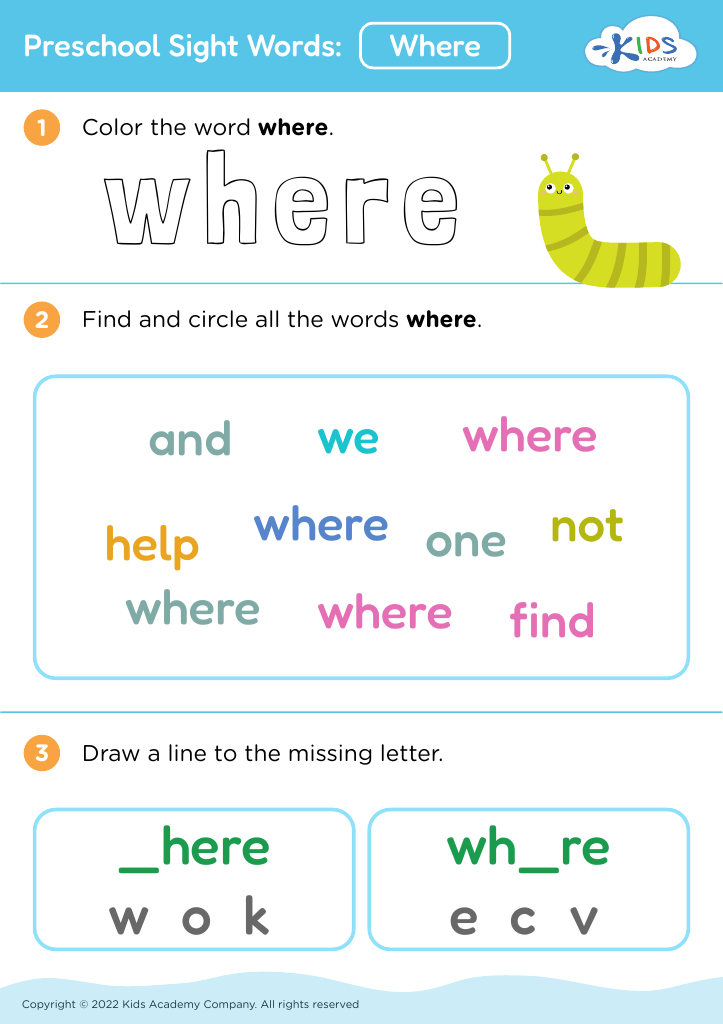
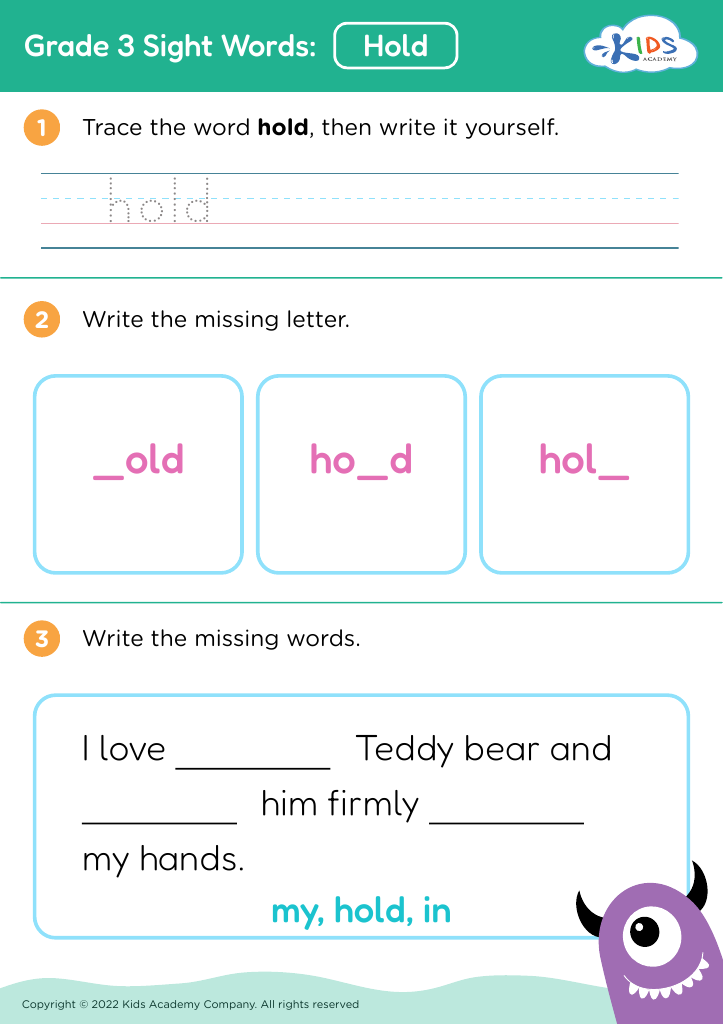
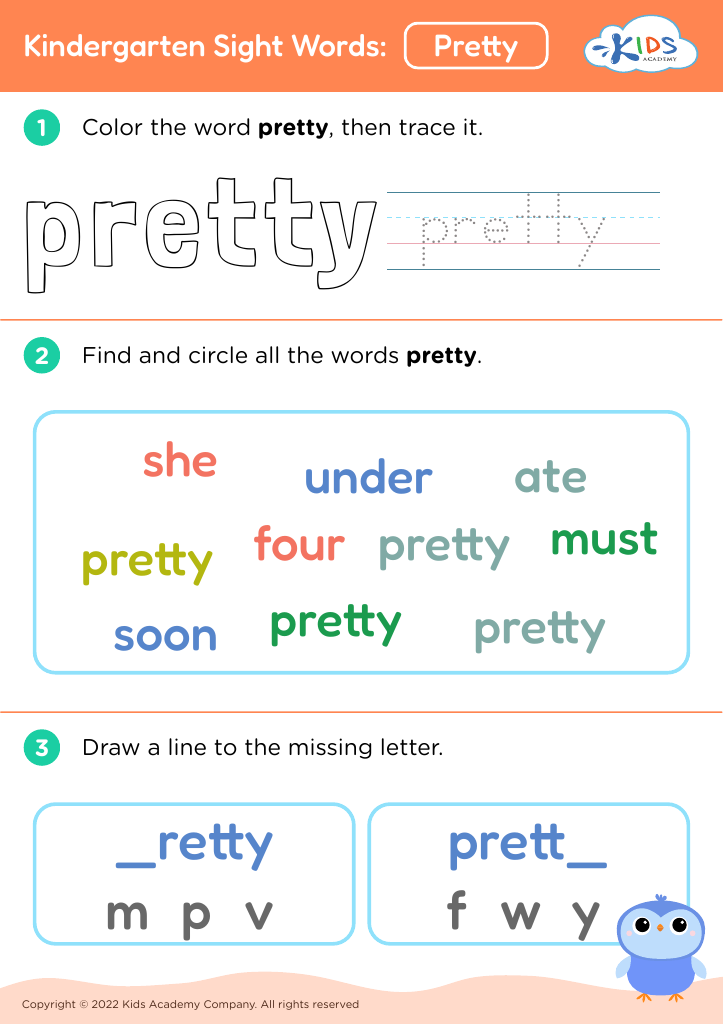








Enhancing counting skills and cultivating a love for reading in children aged 3-9 is crucial for their early cognitive development and foundational learning. During these formative years, children develop critical thinking abilities, problem-solving skills, and emotional intelligence. Counting and understanding numbers lay the groundwork for future mathematical concepts, enhancing their ability to grasp more complex ideas in later grades.
Reading, on the other hand, introduces children to language, expanding their vocabulary, comprehension, and ability to express thoughts and emotions. It also instills a love for stories and lifelong learning. Storytelling coupled with counting can make learning more engaging and enjoyable. For example, counting objects within a story not only reinforces number skills but also helps in memory retention and understanding sequences and patterns.
Parents and teachers play pivotal roles in nurturing these skills. By integrating numeracy and literacy activities in everyday routines—like counting toys while playing, reading picture books, or discussing stories—they create rich learning environments. These skills are building blocks not only for academic success but also for better social interaction and self-confidence. Ultimately, a strong foundation in reading and counting equips children with essential tools to navigate their educational journey and beyond, cultivating well-rounded, inquisitive learners.








