Improve vocabulary Reading Worksheets for Ages 3-9
5 filtered results
-
From - To
Boost your child's language skills with our "Improve Vocabulary Reading Worksheets for Ages 3-9"! Our expertly crafted worksheets are designed to make learning fun and interactive for young learners. With engaging activities and vibrant illustrations, these worksheets help children recognize new words, understand their meanings, and use them correctly in sentences. Tailored to fit the developmental stages of ages 3-9, each worksheet adapts in complexity to challenge and inspire your child. Witness their vocabulary blossom as they practice and master essential reading skills, giving them the confidence to excel in their academic journey. Explore today!
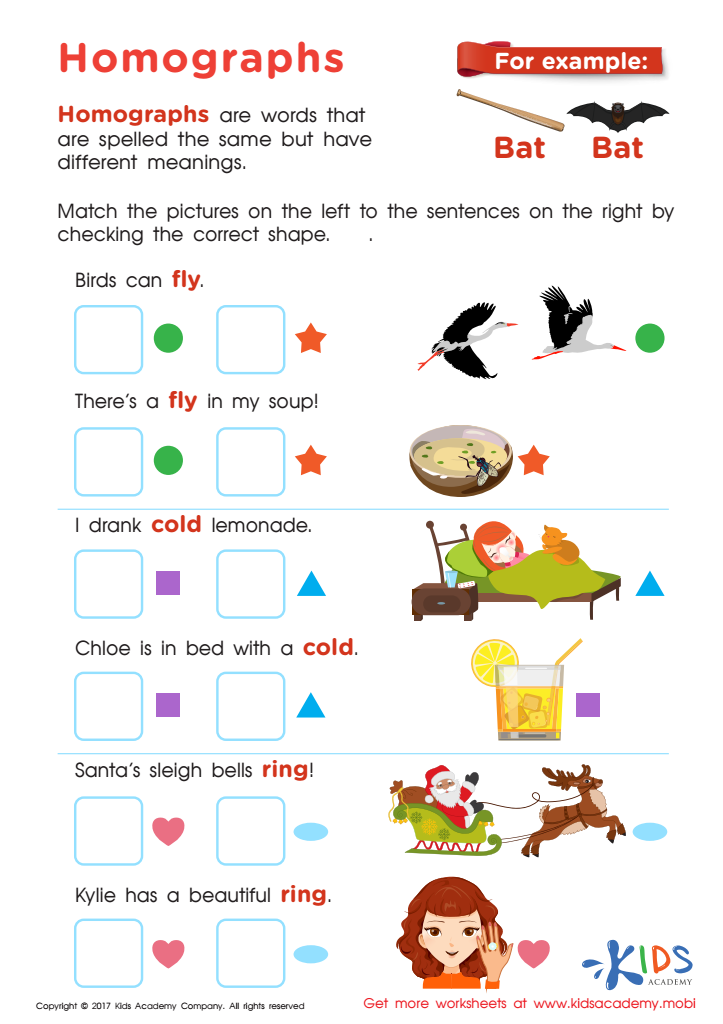
Homographs Free Printable Worksheet
 Assign to My Students
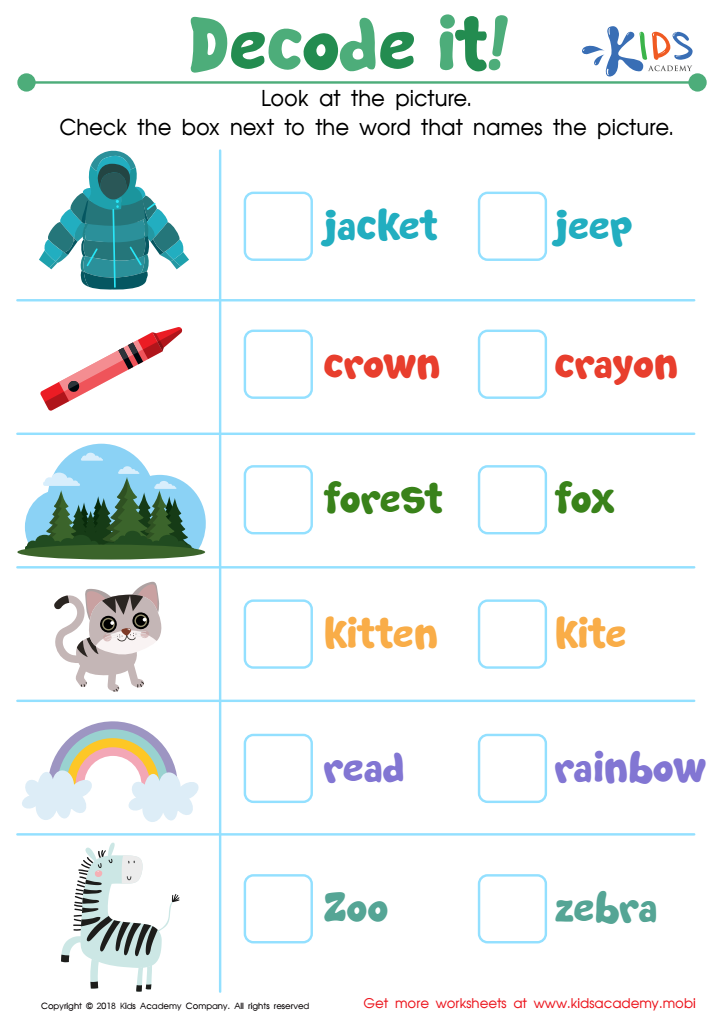
Reading: Decode It Worksheet
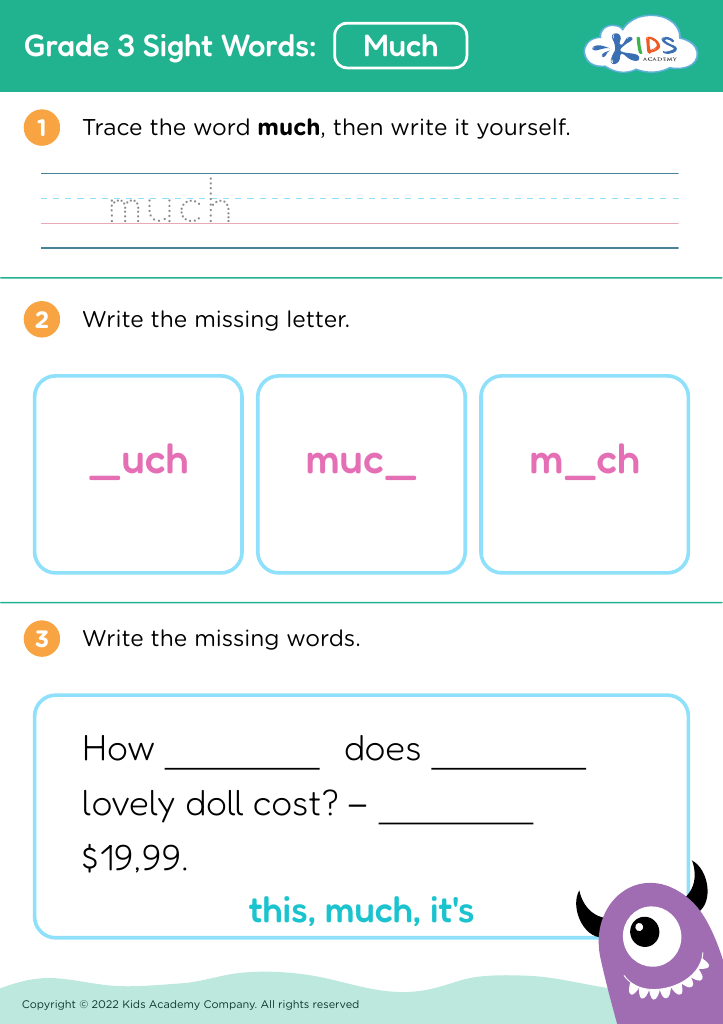
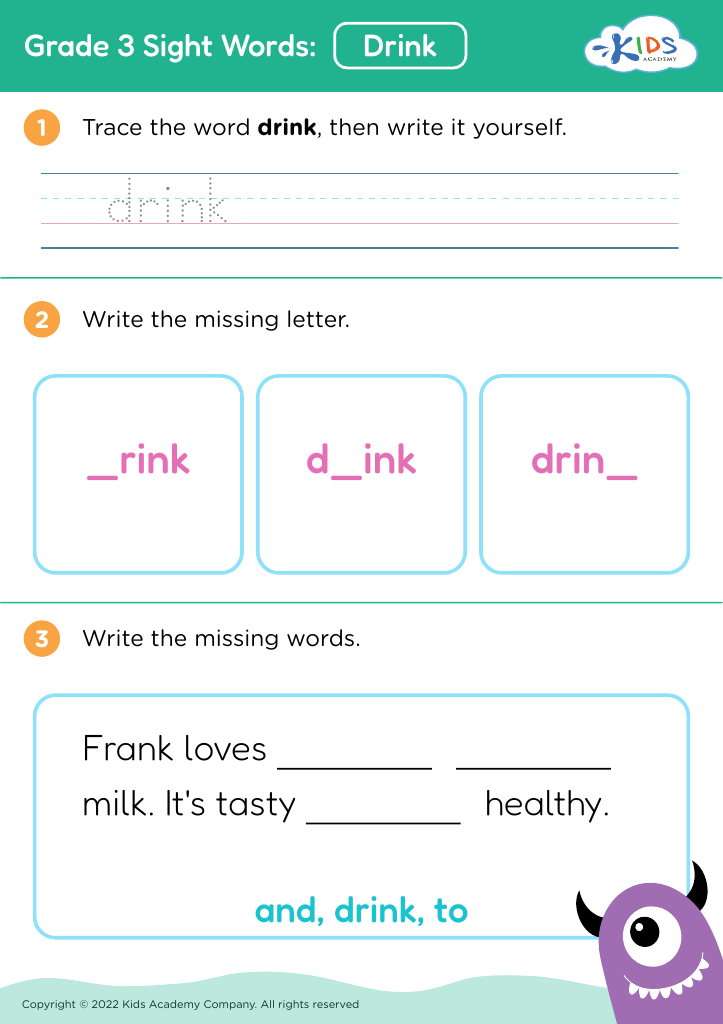
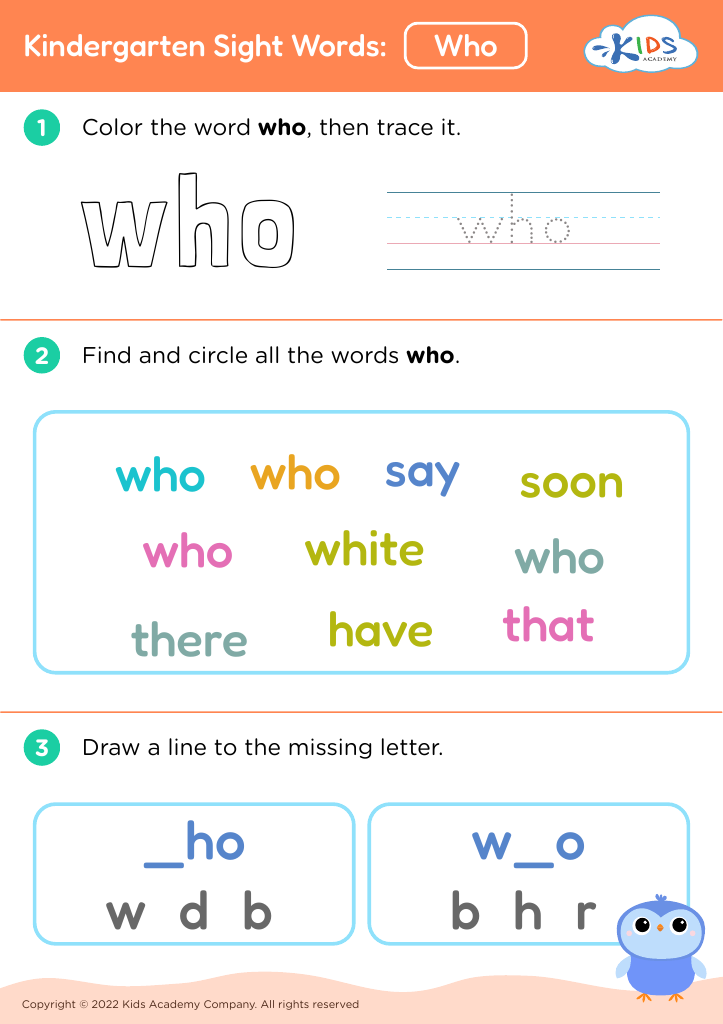


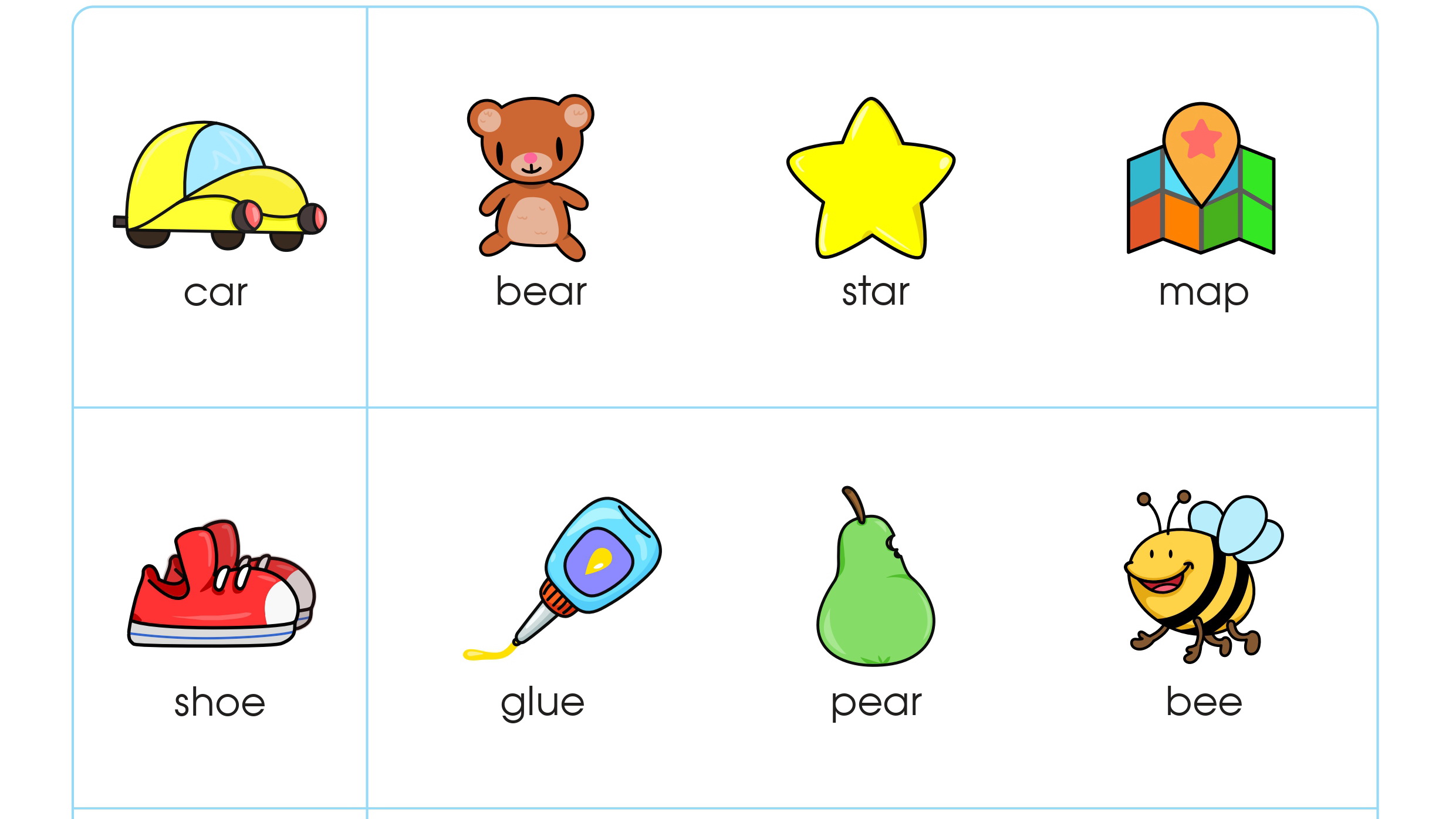





Parents and teachers should place significant emphasis on improving vocabulary reading for children aged 3-9 because this is a critical period for cognitive and language development. During these formative years, children's brains are exceptionally receptive to learning new words, which forms the foundation for reading proficiency and overall academic success.
Improved vocabulary enhances comprehension skills, allowing young readers to understand and engage with a variety of texts more effectively. This foundational skill also aids in better communication, enabling children to express their thoughts, needs, and emotions clearly and confidently.
Additionally, a robust vocabulary is closely linked to higher levels of curiosity and an intrinsic motivation to learn. Exposure to diverse words stimulates intellectual growth and sparks an interest in the world around them, encouraging lifelong learning.
Early vocabulary development is also a strong predictor of later academic achievement. Children with rich vocabularies typically perform better in school, as they possess the necessary tools to grasp complex concepts and excel in various subjects.
Moreover, fostering a love for reading from a young age cultivates empathy, creativity, and critical thinking—essential traits that contribute to overall personal and social development. Therefore, prioritizing vocabulary enrichment sets children on a path toward successful education and well-rounded personal growth.








