
Math problem-solving Reading Worksheets for Ages 3-9
7 filtered results
Difficulty Level
Grade
Age
-
From - To
Subject
Activity
Standards
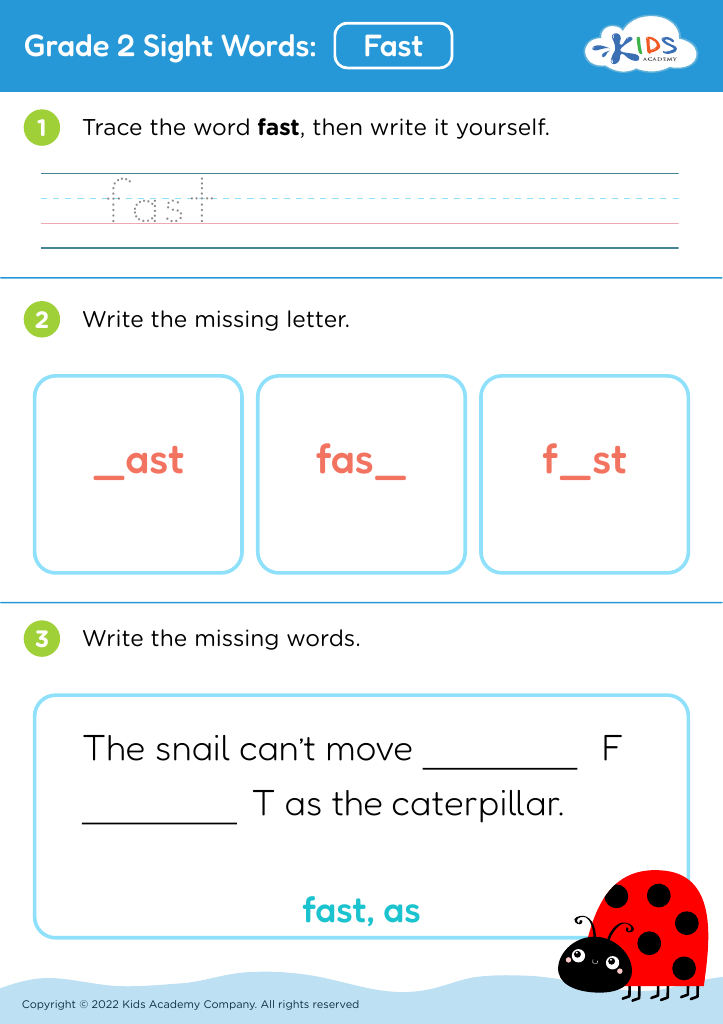
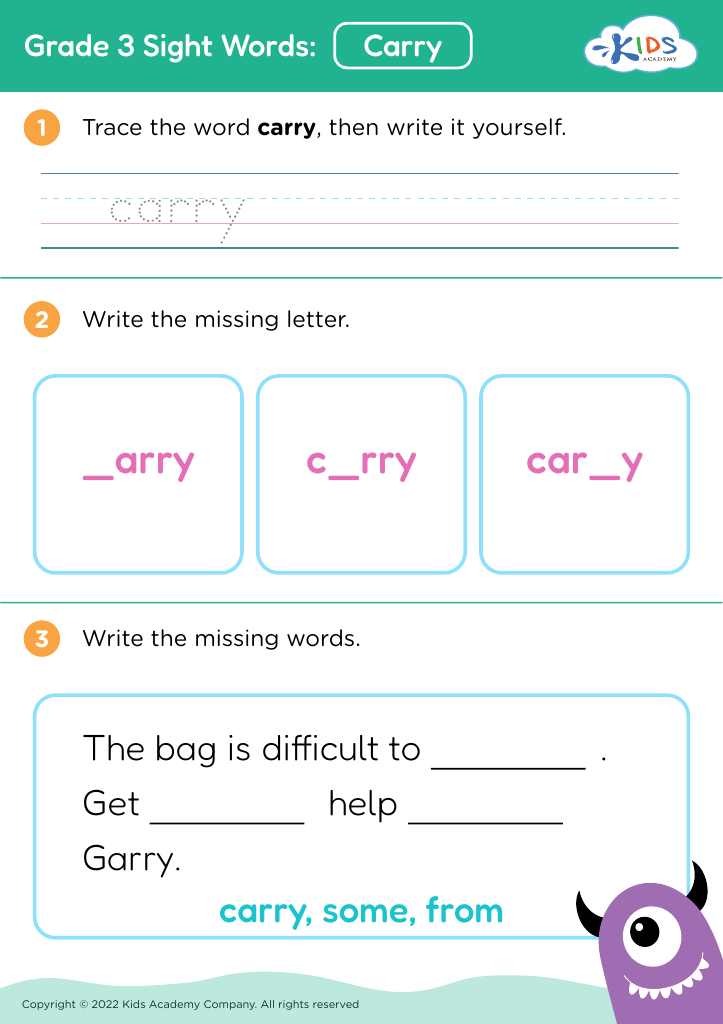
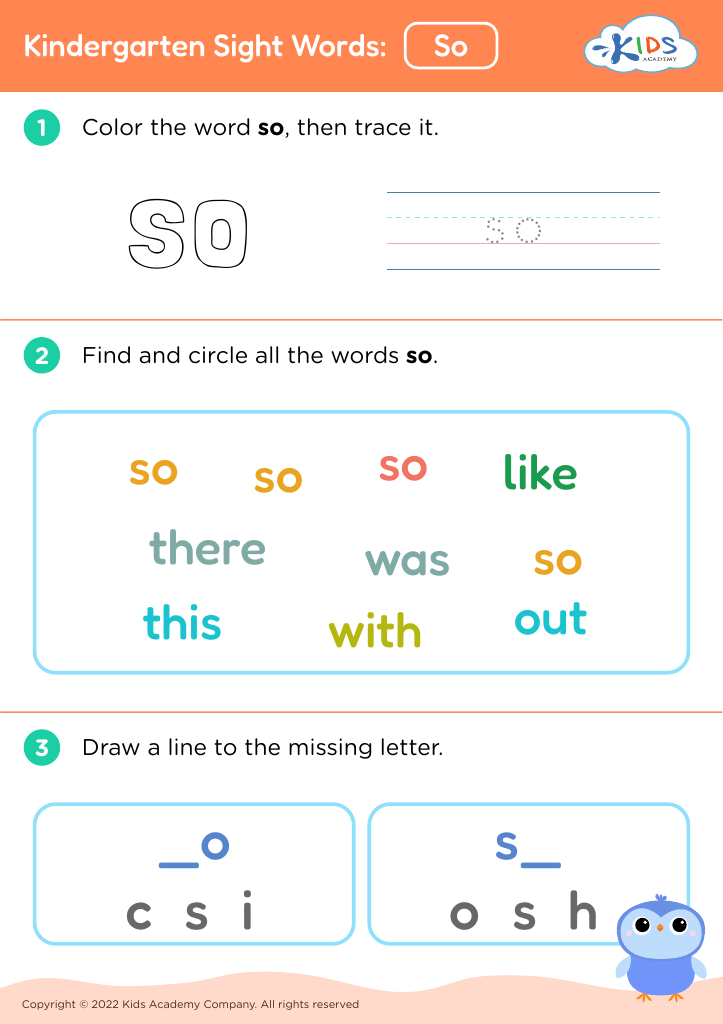
Discover interactive Math Problem-solving Reading Worksheets perfect for children ages 3-9 at Kids Academy. These engaging worksheets seamlessly integrate reading with solving math problems, helping young learners enhance critical thinking, comprehension, and numeracy skills. Each worksheet is designed to be fun and educational, offering a wide range of activities from basic counting and simple addition to more advanced challenges. Foster a love for math and reading in your child with our expertly crafted resources. Visit Kids Academy to explore our extensive collection and support your child's early learning journey!
Favorites
With answer key
Interactive
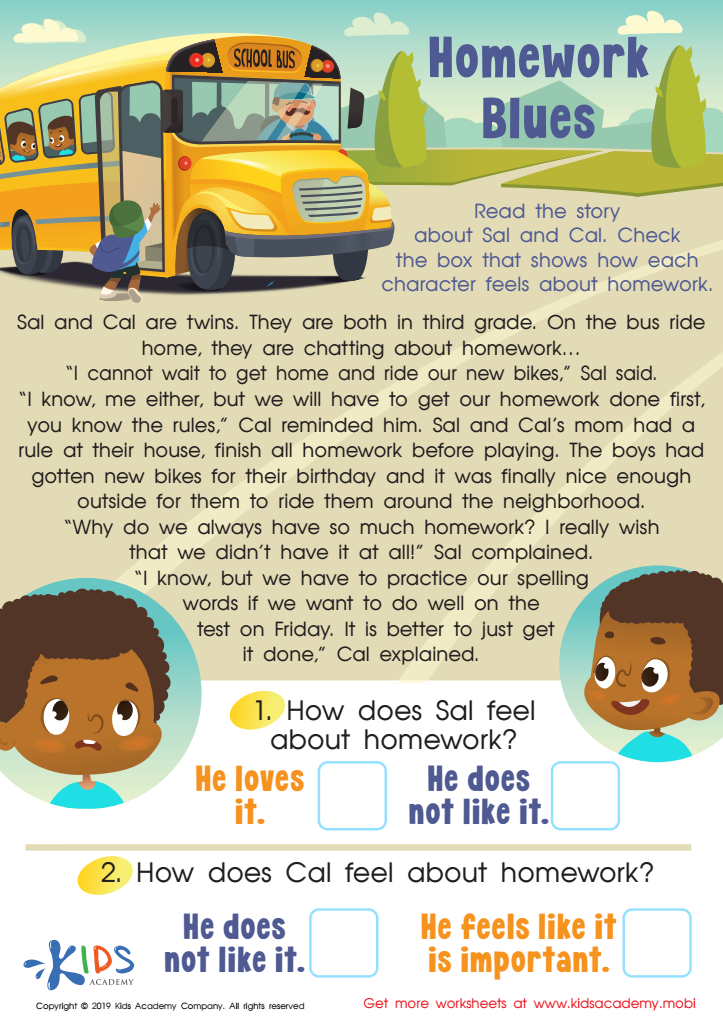
Homework Blues Worksheet
Cal and Sal don't love doing homework, just like your kids. Use this worksheet to help your children understand why homework is important. Read the passage together and then answer the questions at the bottom of the page. It's a fun way to learn together!
 Assign to My Students
Homework Blues Worksheet
Worksheet
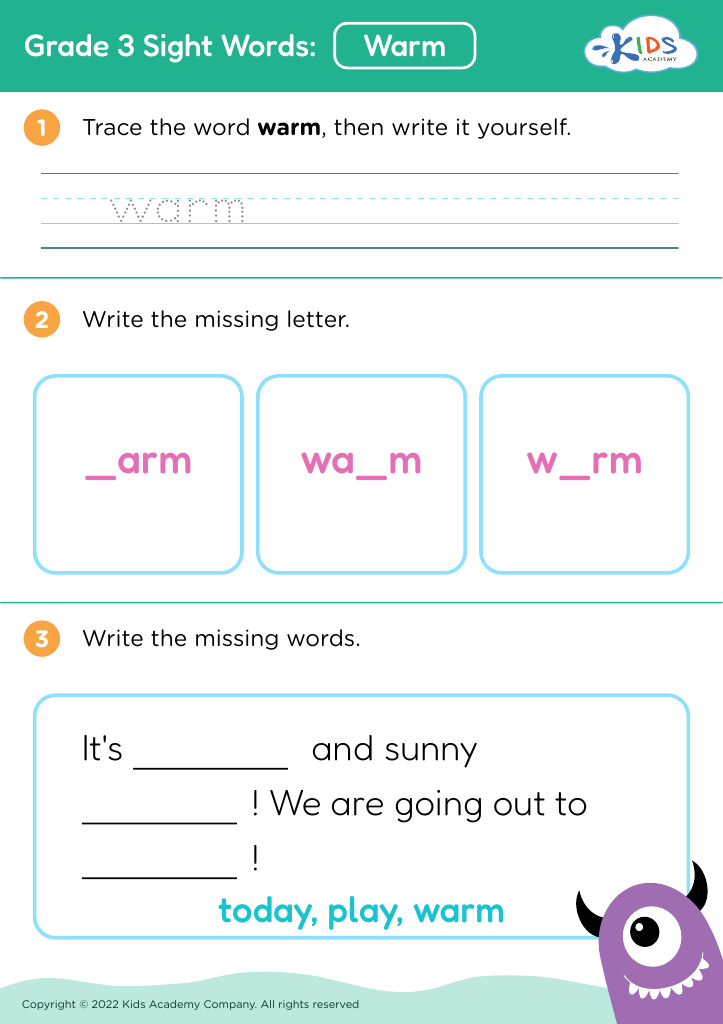
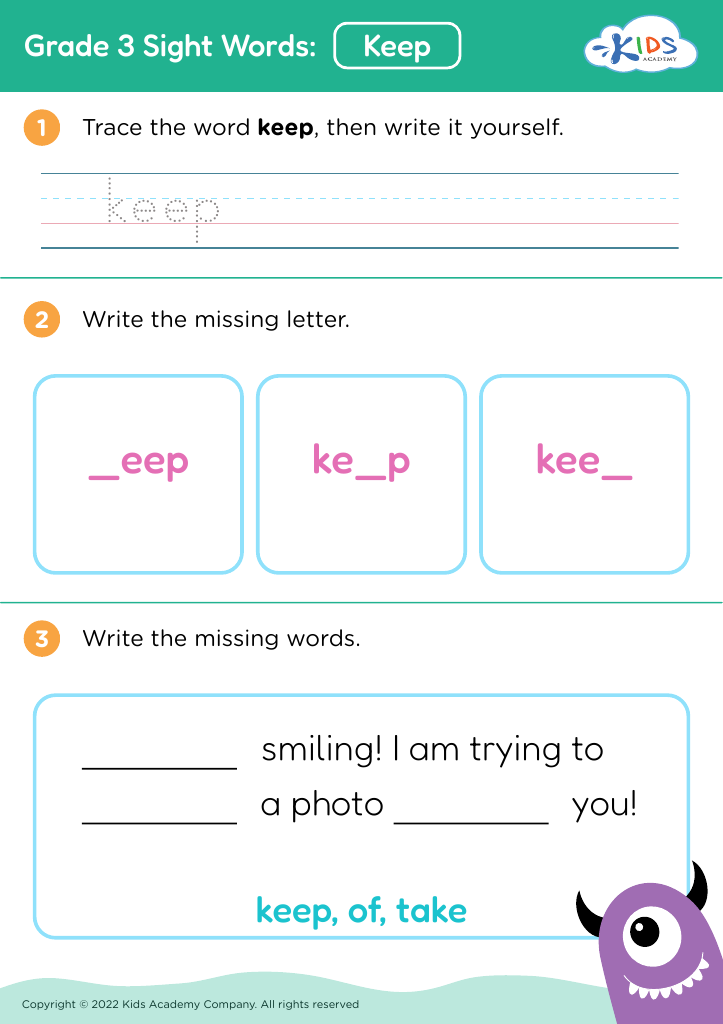
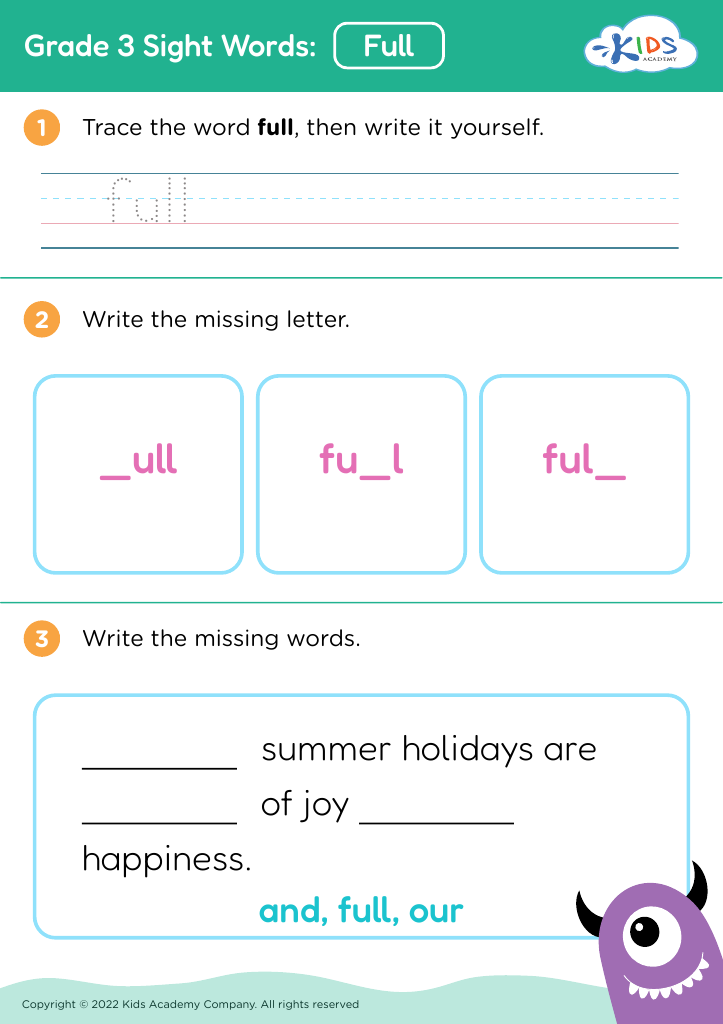
Join Kids Academy for Free
Who is primarily going to use this learning content?







Math problem-solving and reading for ages 3-9 is crucial for a child's early development for several reasons. This stage is known for rapid cognitive growth, where foundational skills are established, setting the stage for future learning. Integrating math with reading during these formative years can immensely enhance cognitive skills, problem-solving ability, and overall academic performance.
Early exposure to math problem-solving helps children develop critical thinking skills, which are important for academic success and everyday life. By learning to approach problems systematically and logically, children can apply these methods to various situations, promoting versatility in thought processes. Additionally, engaging with mathematical concepts through storybooks and interactive methods makes learning more enjoyable and relatable. This can foster a lasting interest in mathematics, countering the common fear or anxiety associated with the subject.
For educators and parents, these skills are necessary tools to support children's overall intellectual development. Reading math-related stories also enhances language skills, comprehension, and vocabulary, creating a strong interdisciplinary foundation. Cultivating these abilities early—through vibrant, context-rich problem-solving narratives—can help children build self-confidence in their abilities, encouraging a positive attitude towards learning in general. Thus, focusing on math problem-solving and reading within this age group can profoundly influence academic and personal development.








