
Mathematical reasoning Reading Worksheets for Ages 3-9
6 filtered results
Difficulty Level
Grade
Age
-
From - To
Subject
Activity
Standards
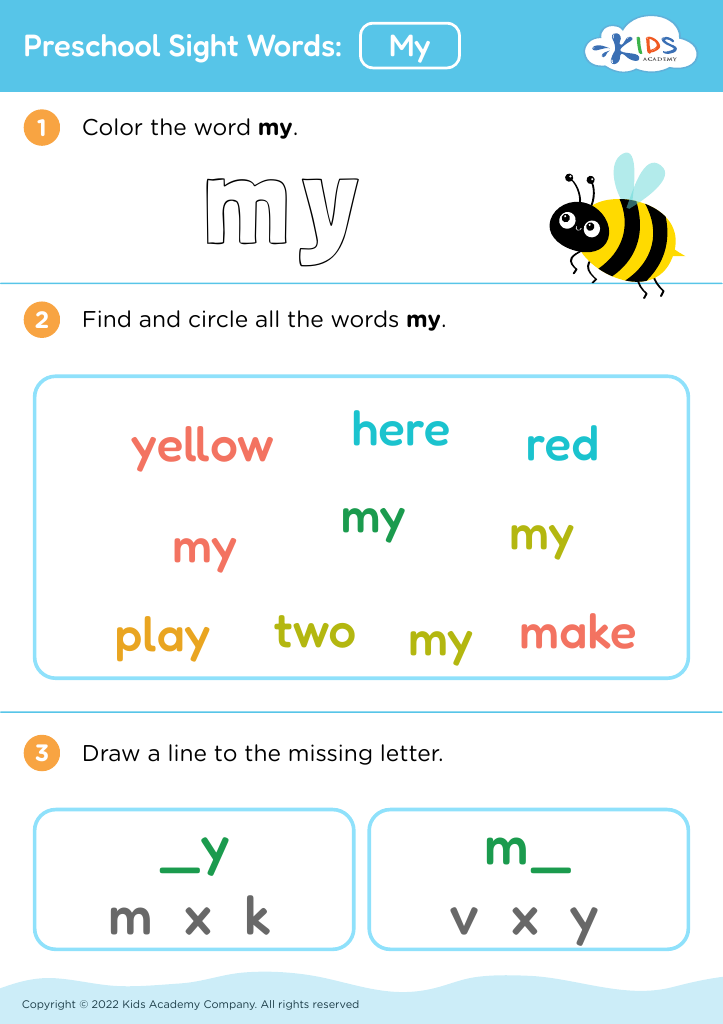
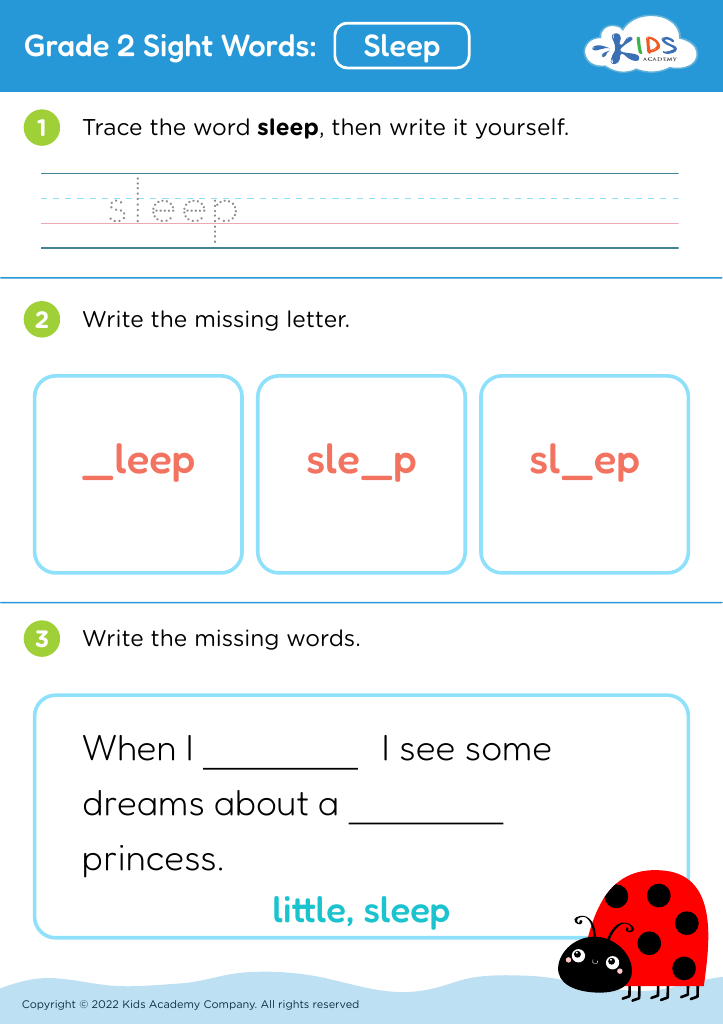
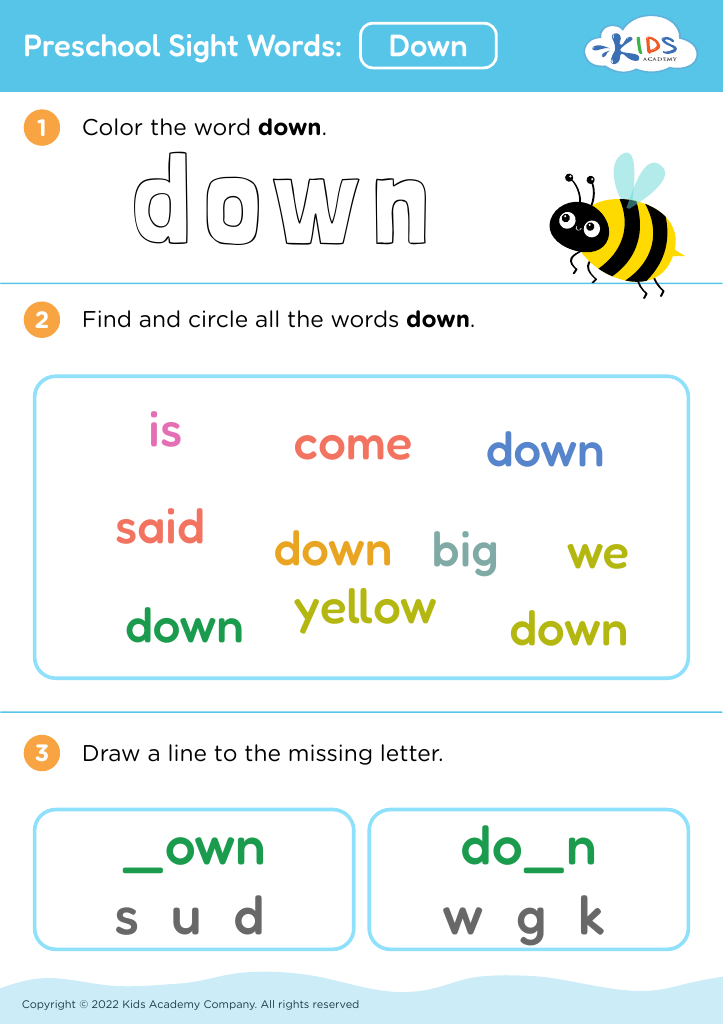
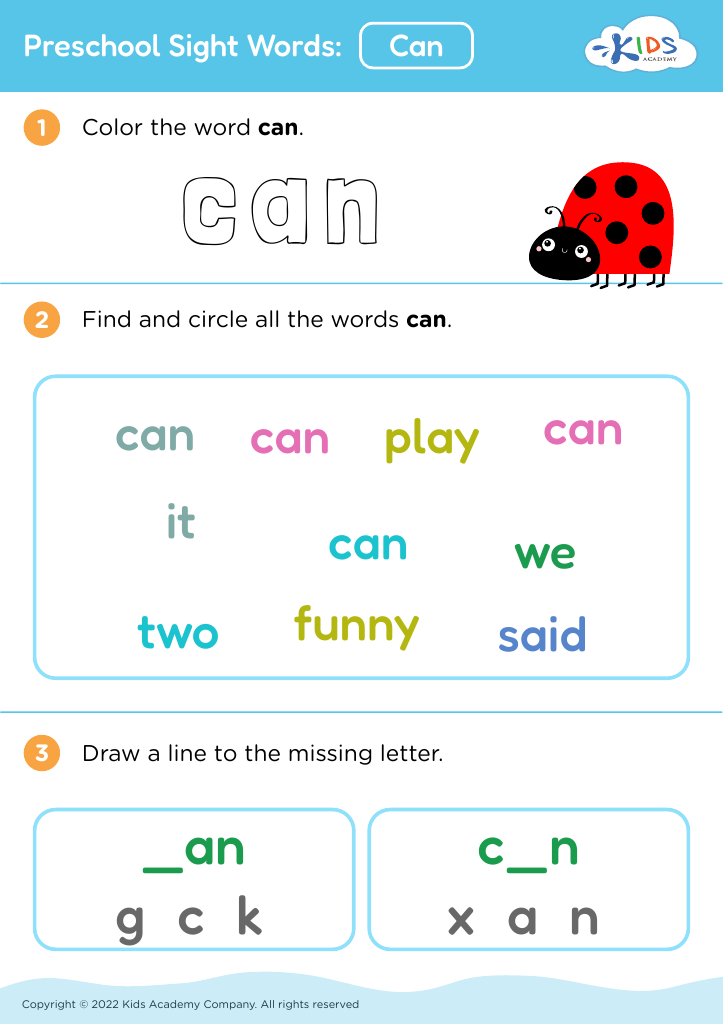
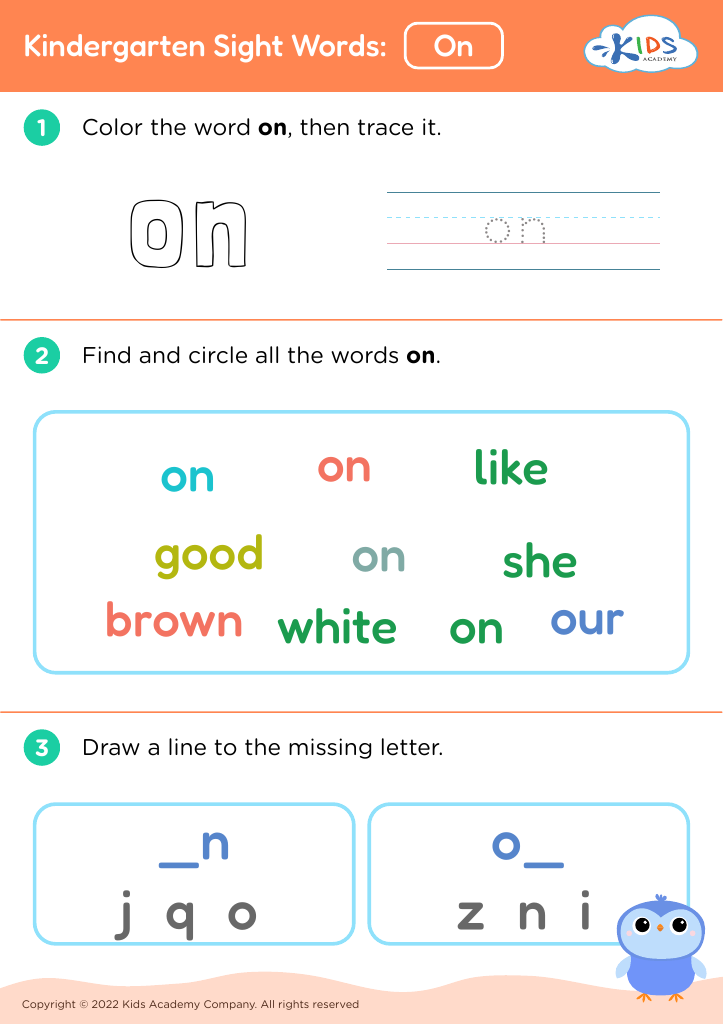
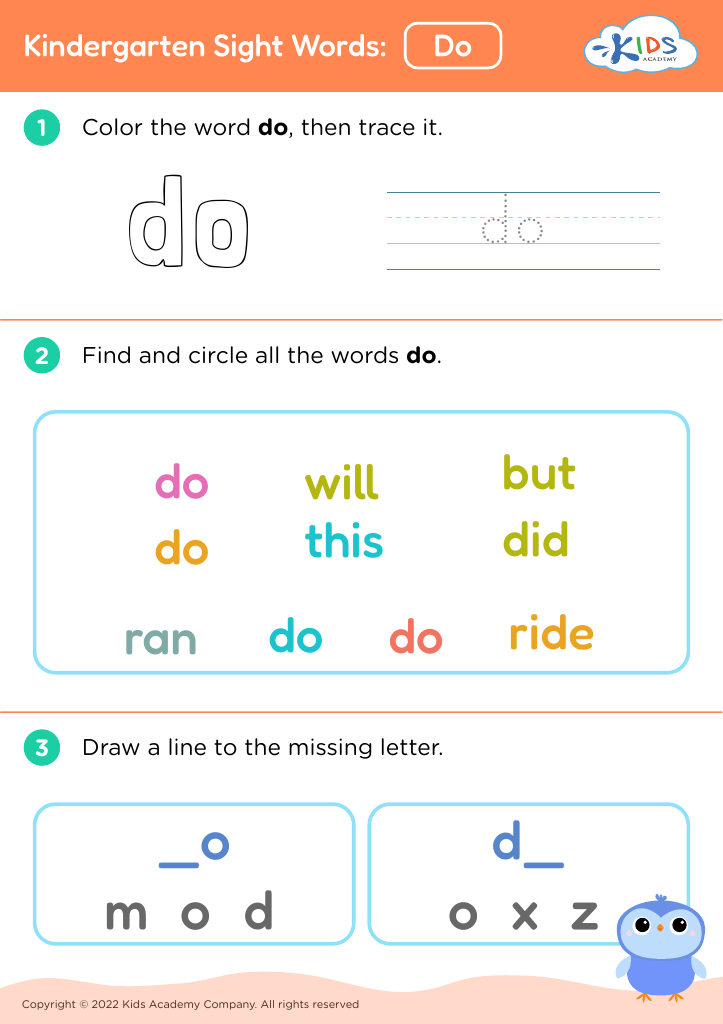
Discover a fun and engaging collection of Mathematical Reasoning Reading Worksheets designed specifically for children aged 3 to 9. These worksheets help nurture critical thinking and mathematical skills through age-appropriate activities. By incorporating visuals and relatable contexts, they make learning enjoyable and accessible. Children will explore concepts such as counting, patterns, shapes, and basic problem-solving, all while enhancing their reading and comprehension abilities. Our resources promote interactive learning, making them perfect for parents and educators who want to foster a strong foundation in mathematics early on. Dive into our worksheets and watch your child's confidence in mathematical reasoning grow!
Favorites
With answer key
Interactive
Join Kids Academy for Free
Who is primarily going to use this learning content?






.jpg)
Mathematical reasoning is an essential skill that lays the foundation for problem-solving, critical thinking, and logical analysis in young children. For ages 3-9, fostering mathematical reasoning through reading and interactive activities helps children develop a deeper understanding of mathematical concepts in a fun and engaging way. Parents and teachers should prioritize this area because it promotes cognitive development and confidence in math skills.
When children engage with stories or activities that incorporate math concepts, they learn to recognize patterns, understand relationships, and make connections between numbers and real-life situations. This not only enhances their ability to solve mathematical problems but also nurtures a love for learning. Early exposure to mathematical reasoning through read-alouds and discussions encourages children to articulate their thinking, helping them develop language skills alongside numeracy.
Moreover, research shows that a strong foundation in mathematical reasoning correlates with better academic performance later on. By integrating math into reading sessions, educators and caregivers can create a rich learning environment that emphasizes the importance of math in everyday life, thereby bridging the gap between literacy and numeracy. Ultimately, supporting mathematical reasoning in young children equips them with the tools they need to succeed both academically and in everyday problem-solving scenarios.








