Problem-Solving Skills Reading Worksheets for Ages 3-9 - Page 2
47 filtered results
-
From - To
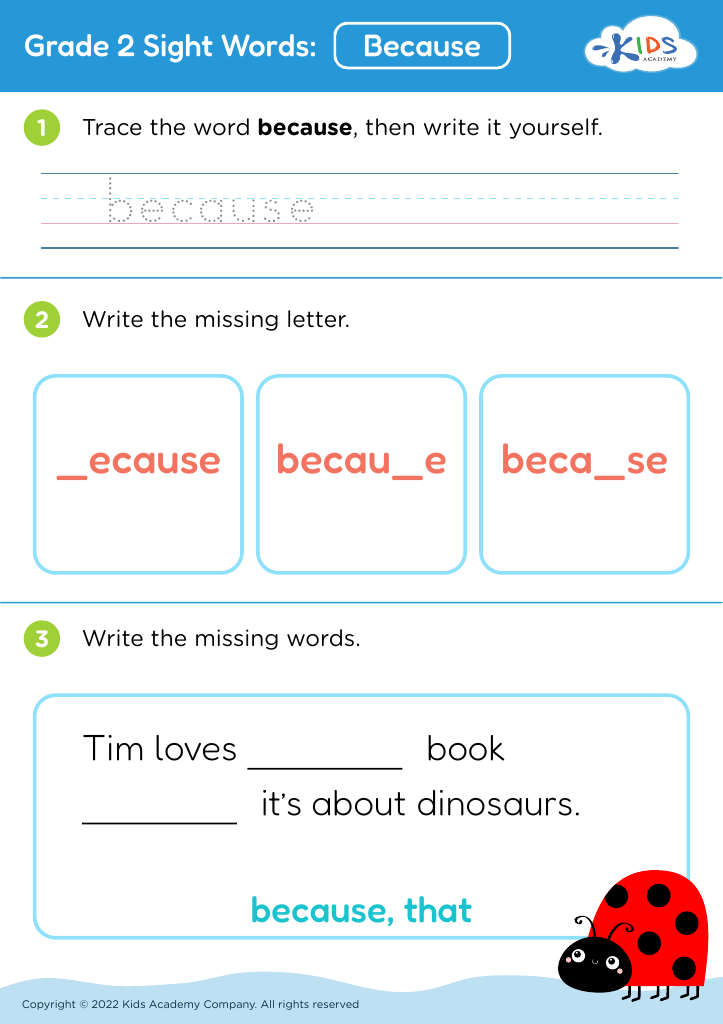
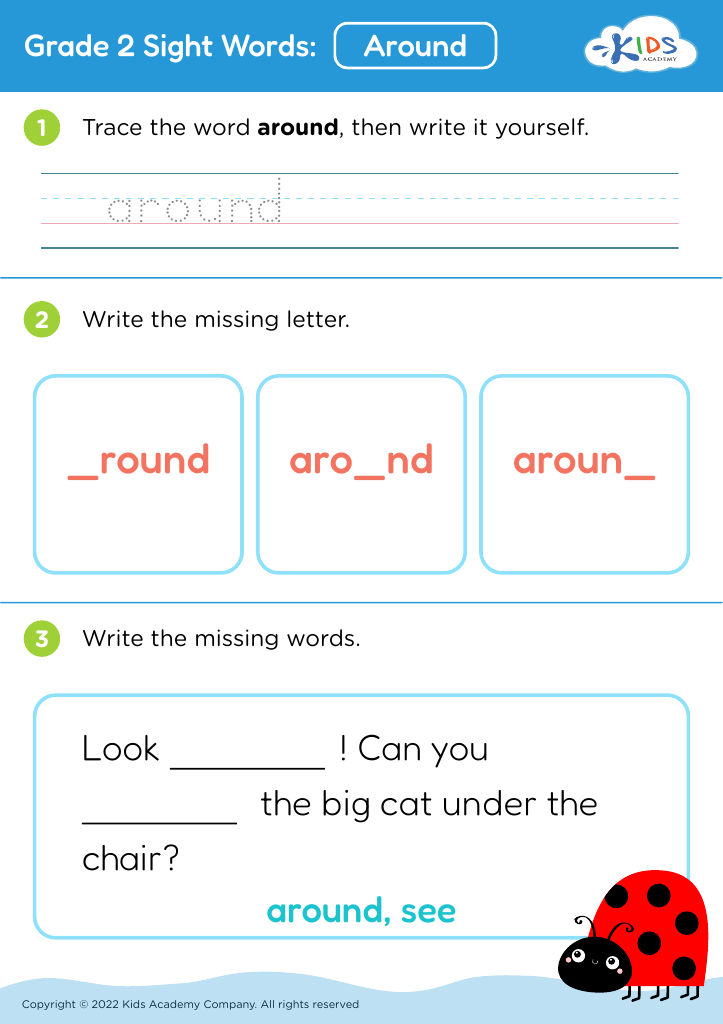
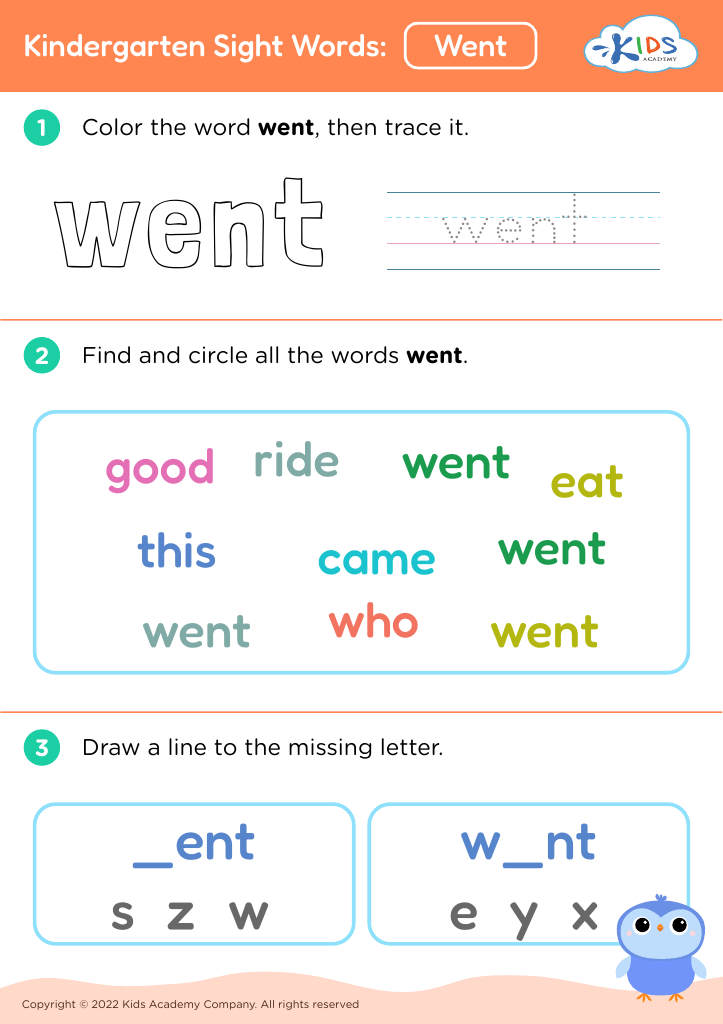
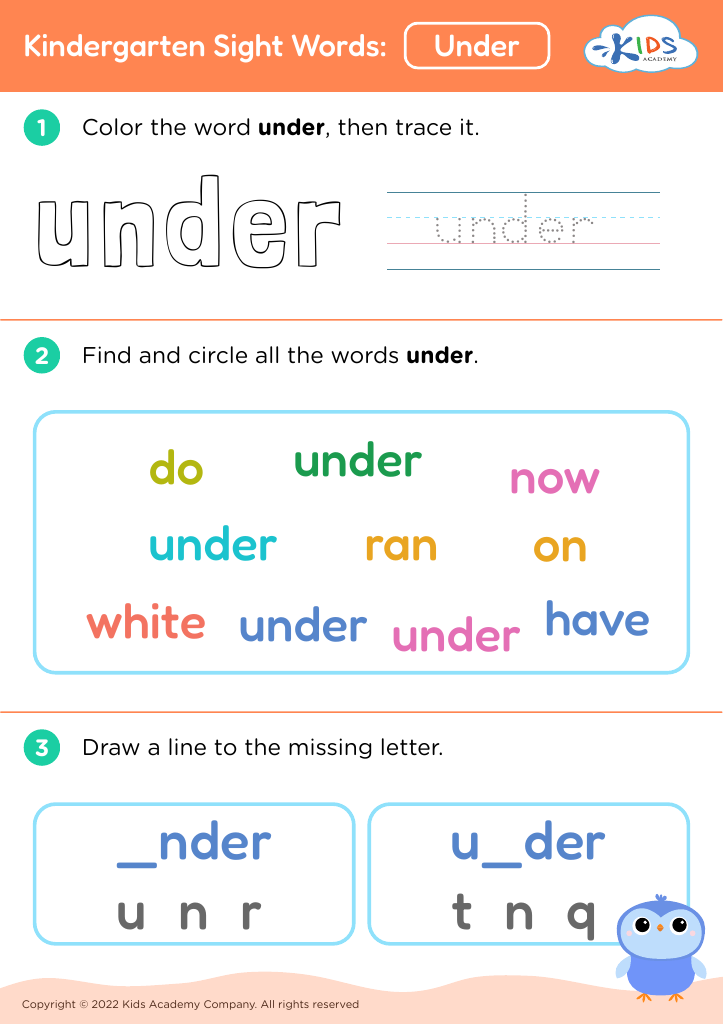






.jpg)

Problem-solving skills are fundamental for children ages 3-9 as they lay the groundwork for critical thinking, adaptability, and decision-making—essential skills for lifelong learning. When parents and teachers prioritize problem-solving in reading, they empower children to engage actively with texts, enhancing comprehension and analytical abilities. This engagement fosters a love for reading, as children learn to navigate stories, predict outcomes, and make connections between ideas.
At this developmental stage, children are naturally curious and eager to explore. By incorporating problem-solving activities into reading experiences, educators and parents can nurture this curiosity, encouraging children to ask questions, explore alternatives, and consider various perspectives. Such skills are not only crucial for academic success but play a vital role in social interactions, as children learn to collaborate and resolve conflicts.
Furthermore, instilling strong problem-solving skills early fosters resilience. Children learn that challenges can be tackled through persistence and creativity, setting a foundation for overcoming obstacles in their future educational journeys and daily lives. In summary, prioritizing problem-solving in reading cultivates critical thinking and resilience, making it imperative for both parents and teachers to foster these skills in young learners.








