
Reading skills improvement Reading Worksheets for Ages 3-9
6 filtered results
Difficulty Level
Grade
Age
-
From - To
Subject
Activity
Standards
Enhance your child's reading skills with our engaging worksheets designed for ages 3-9. Our collection focuses on foundational reading concepts, vocabulary development, and comprehension strategies. Tailored for young learners, these activities promote a lifelong love of reading while building confidence and proficiency. From alphabet recognition to simple sentence formulation, each worksheet is age-appropriate and visually appealing to capture kids' attention. Help your child advance their literacy journey at home or in the classroom with interactive exercises that make learning fun. Explore our resources today and unlock the potential of your aspiring young reader!
Favorites
With answer key
Interactive
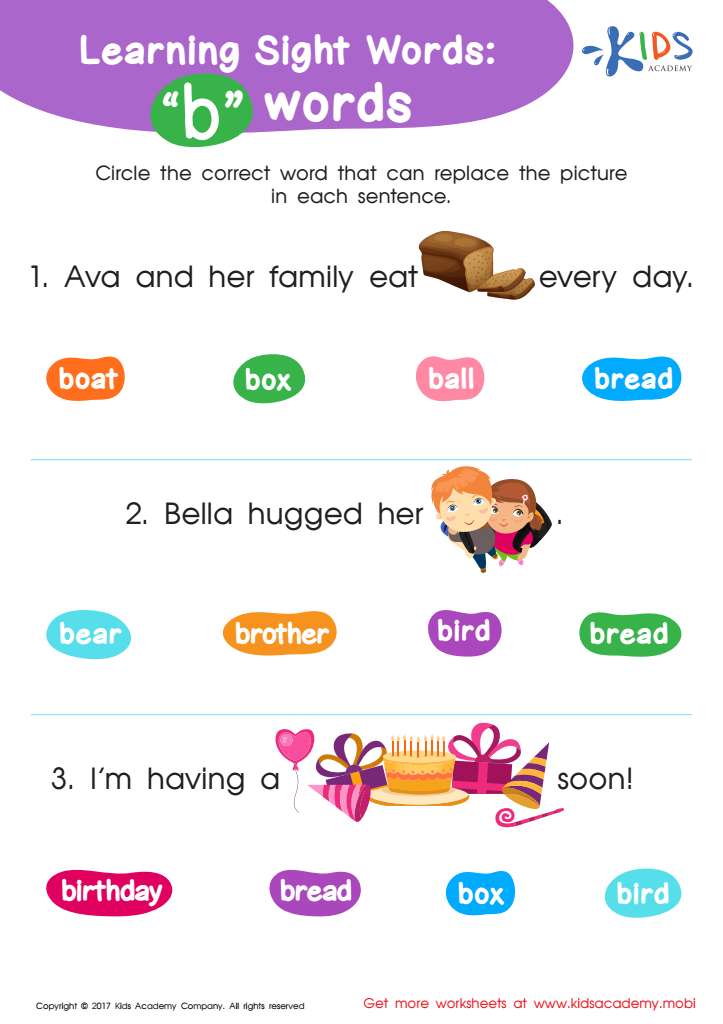
Sight Words Free Worksheet – B Words
This free 2nd grade sight words worksheet – b words – is a great way to help your child expand their sight word repertoire. They can read through each sentence, using the context and illustrations as clues to pick the right answer. Offer your child a quick practice session for even more learning!
 Assign to My Students
Sight Words Free Worksheet – B Words
Worksheet
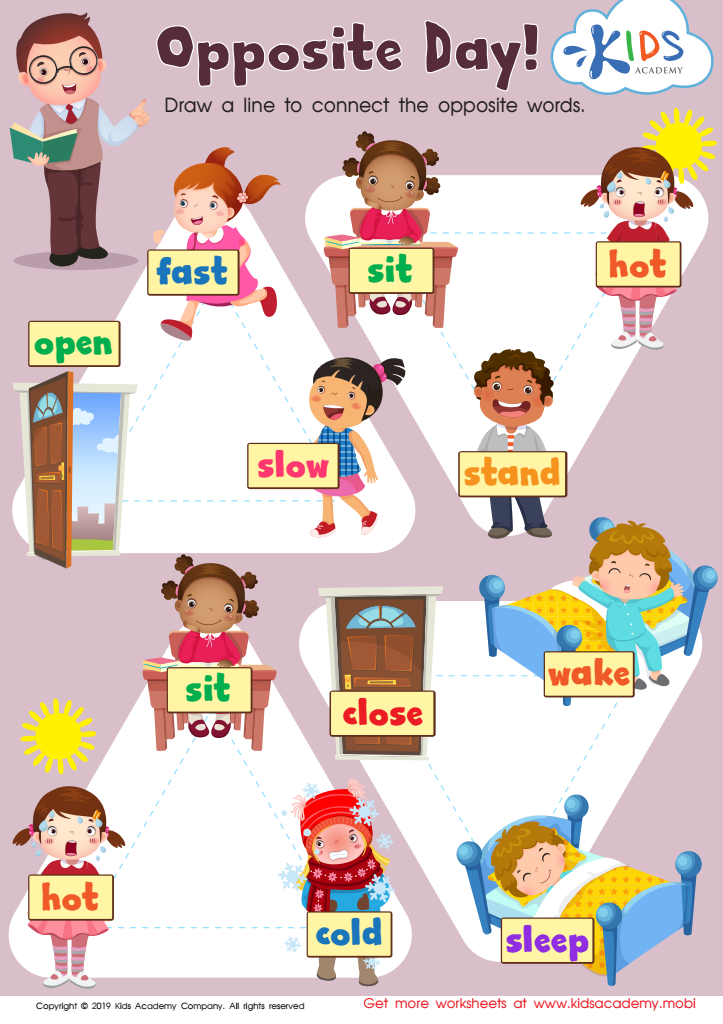
Opposite Day Worksheet
Early learners need to know about opposites to improve their higher-order thinking and critical thinking. This fun worksheet helps them understand the concept, practice opposite words, read high-frequency words and work on fine motor skills. Download the traceable PDF to get started.
Opposite Day Worksheet
Worksheet
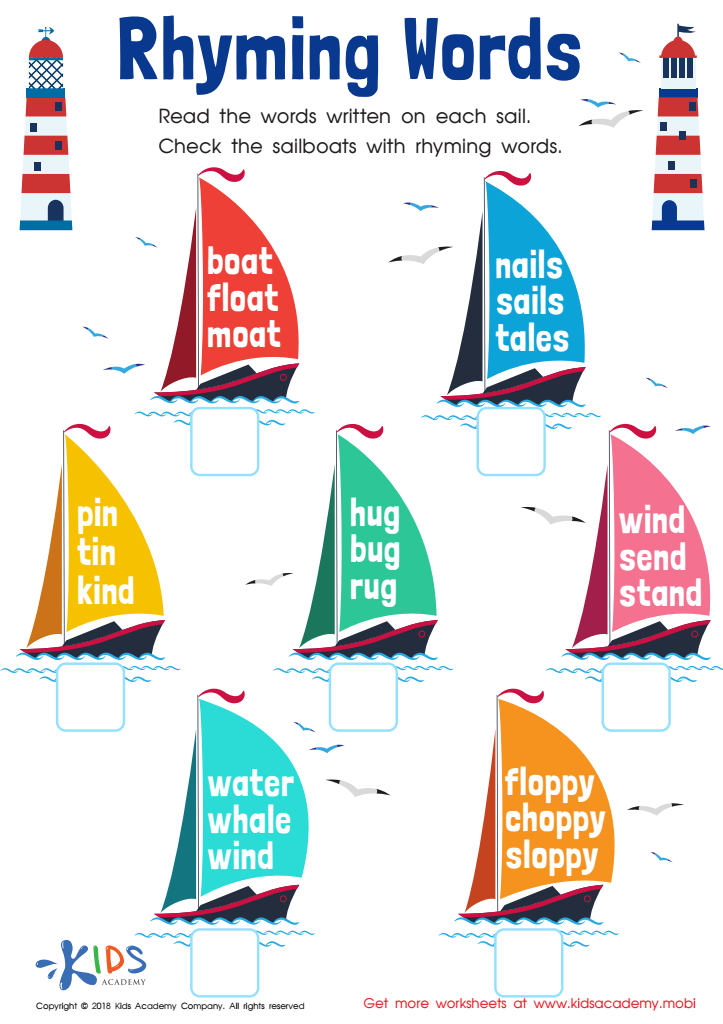
Rhyming Words Worksheet
Does your child know about rhyming words? Get them interested in poetry and explain that these words have similar sounds when pronounced. Read the words on each sailboat to your child and ask them to identify the rhyming pairs. Guide them to check the sailboats.
Rhyming Words Worksheet
Worksheet
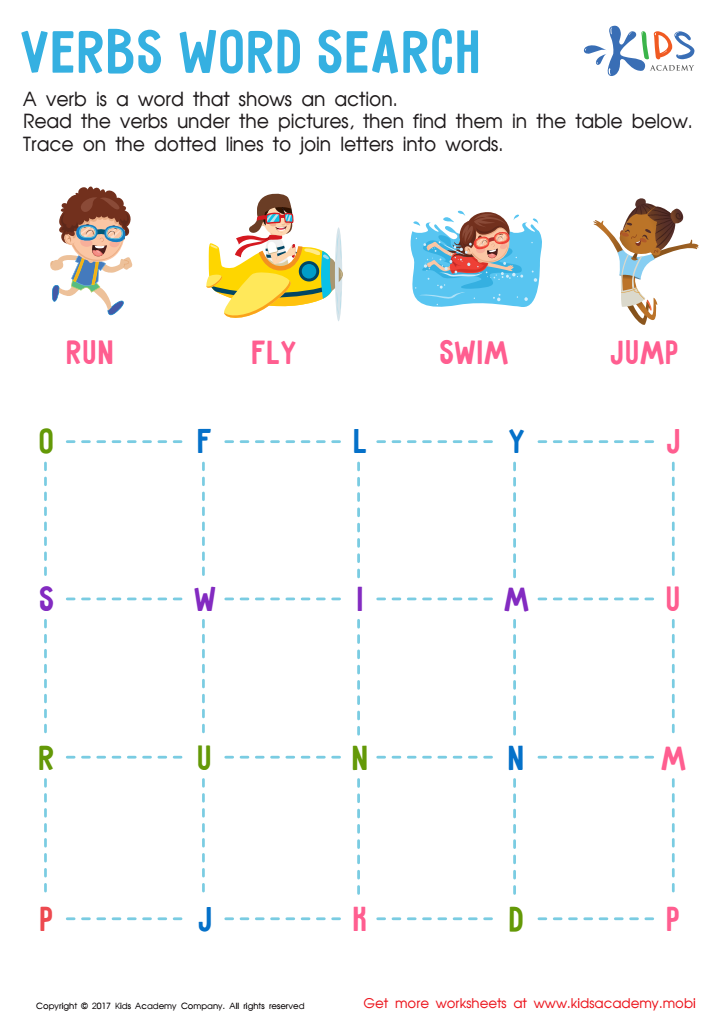
Verbs Word Search Worksheet
Ask your child if they understand the meaning of the word "verb". If not, explain that it's a word that shows an action. Give examples of familiar verbs. Then look at the pictures in the tracing sheet and read the words. Ask your child to follow the dotted lines to find the hidden words. Perfect tool to teach spot and use verbs!
Verbs Word Search Worksheet
Worksheet
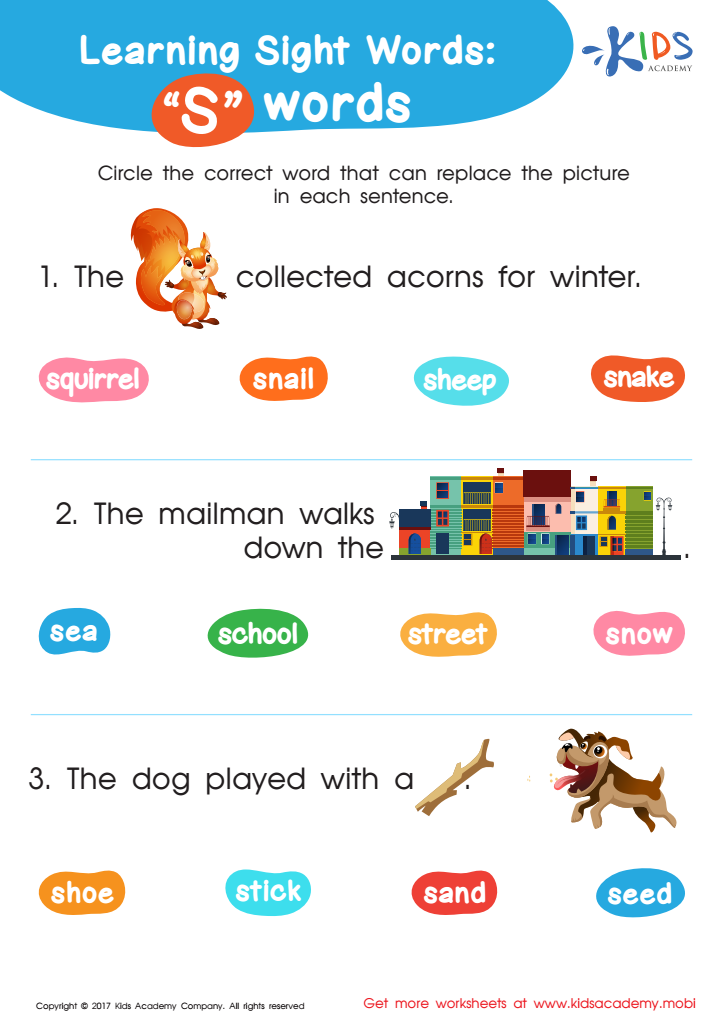
S Words Sight Words Worksheet
This 2nd grade worksheet encourages kids to practice using context clues when identifying sight words that begin with 's'. Engage them with colorful pictures to enhance the learning, helping them to understand the context of each sentence and choose the correct word.
S Words Sight Words Worksheet
Worksheet
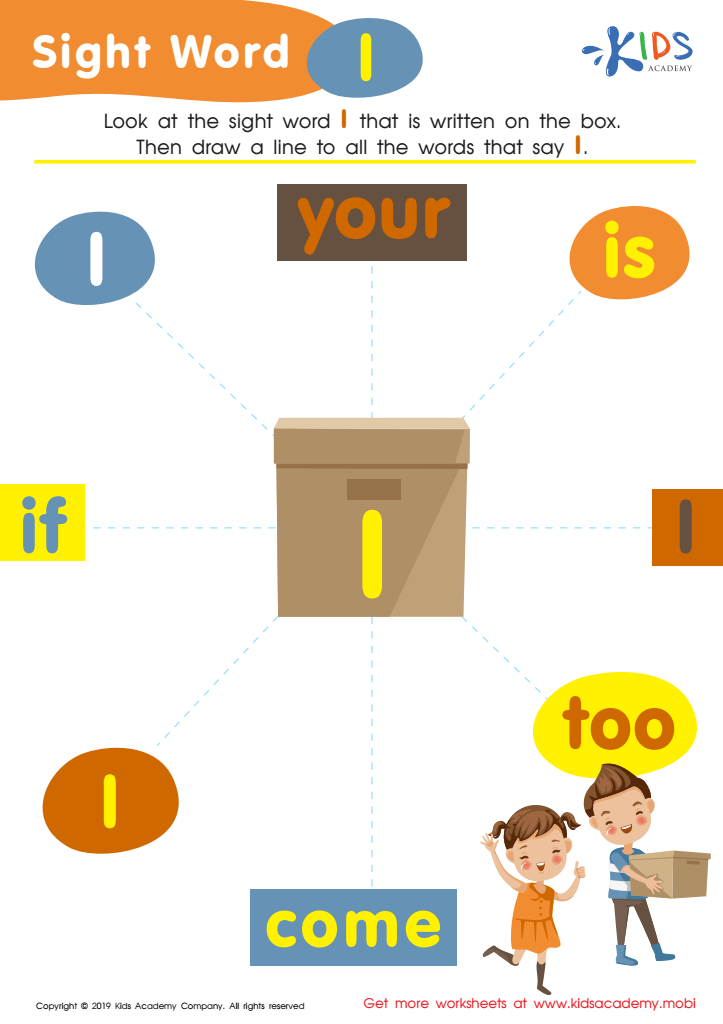
Sight Word I Worksheet
Recognizing the sight word 'I' is harder than it looks! When kids are learning to read, they understand 'I' by its sound, not as a word. This free worksheet gives them practice with 'I', letting them work on their fine motor skills too. They'll join 'I' to shapes containing the same letter. It's a great way to give kids confidence in their reading skills!
Sight Word I Worksheet
Worksheet
Join Kids Academy for Free
Who is primarily going to use this learning content?




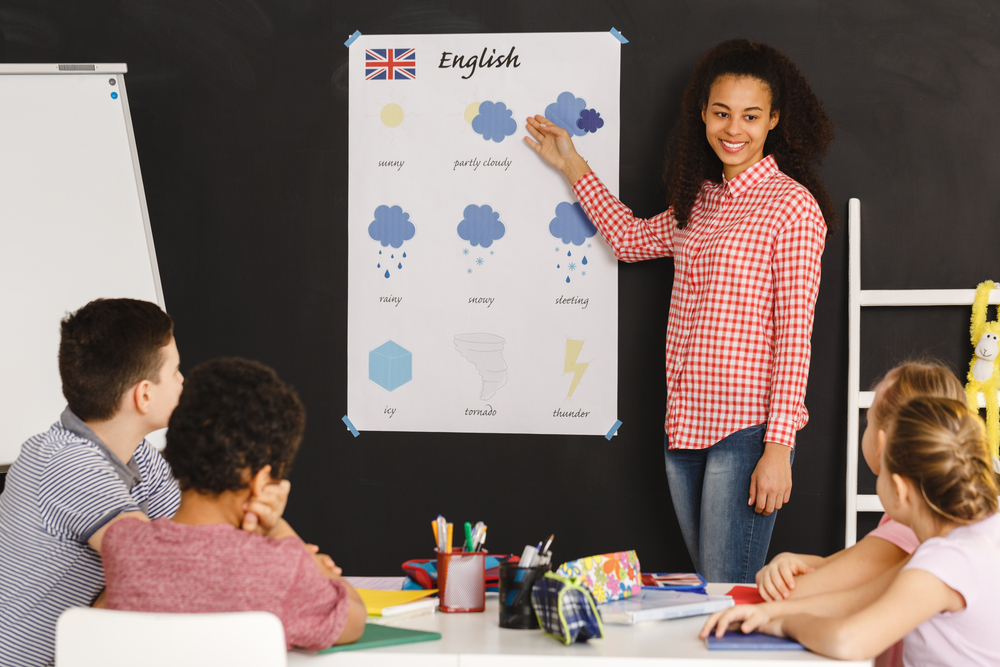



Enhancing reading skills in children aged 3-9 is crucial for their overall development and future success. Research consistently shows that early reading proficiency is linked to academic achievement across all subjects, making it a foundational skill for lifelong learning. During these formative years, children are particularly receptive to language development, and cultivating strong reading habits can lead to improved vocabulary, comprehension, and critical thinking skills.
Moreover, reading enhances cognitive and social-emotional development. Through stories, children learn about diverse cultures, emotions, and perspectives, broadening their understanding of the world and fostering empathy. It also strengthens their communication skills, enabling them to articulate thoughts and feelings effectively.
For parents and teachers, investing time in reading skills improvement encourages a love for learning that extends beyond the classroom. Engaging in shared reading activities not only strengthens bonds but also motivates children to explore new ideas and worlds. Early identification of reading difficulties allows for timely intervention, setting children on a path toward academic success.
In summary, prioritizing reading skills for young learners lays the groundwork for future learning, enriches their social understanding, and fosters a lifelong passion for education.








