
Recognizing Patterns Reading Worksheets for Ages 3-9
5 filtered results
Difficulty Level
Grade
Age
-
From - To
Subject
Activity
Standards
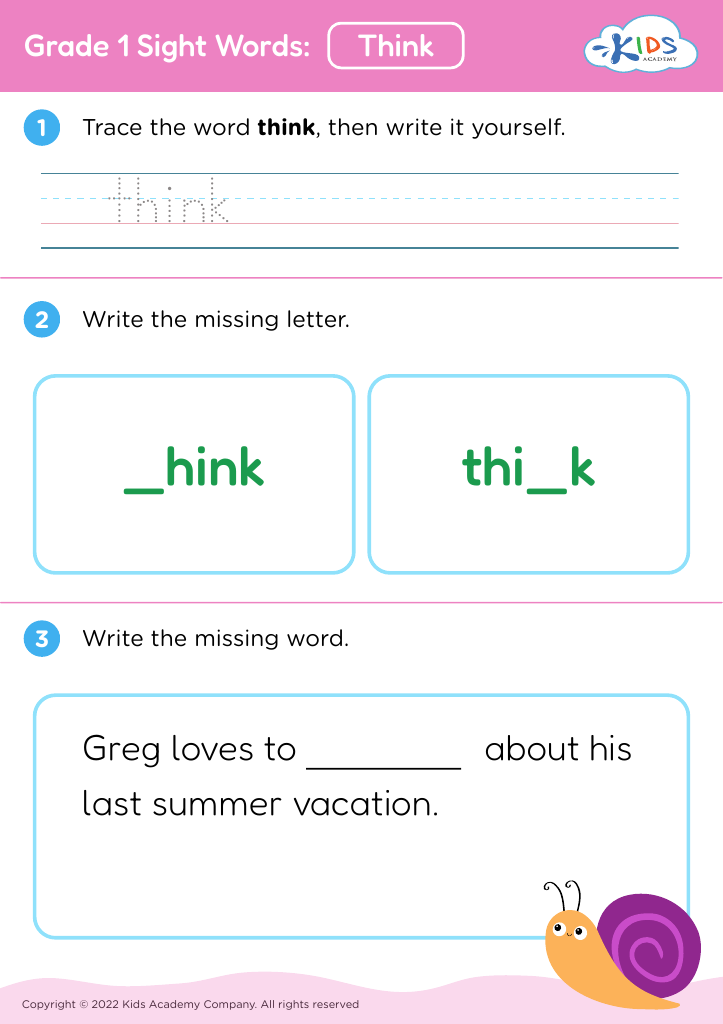
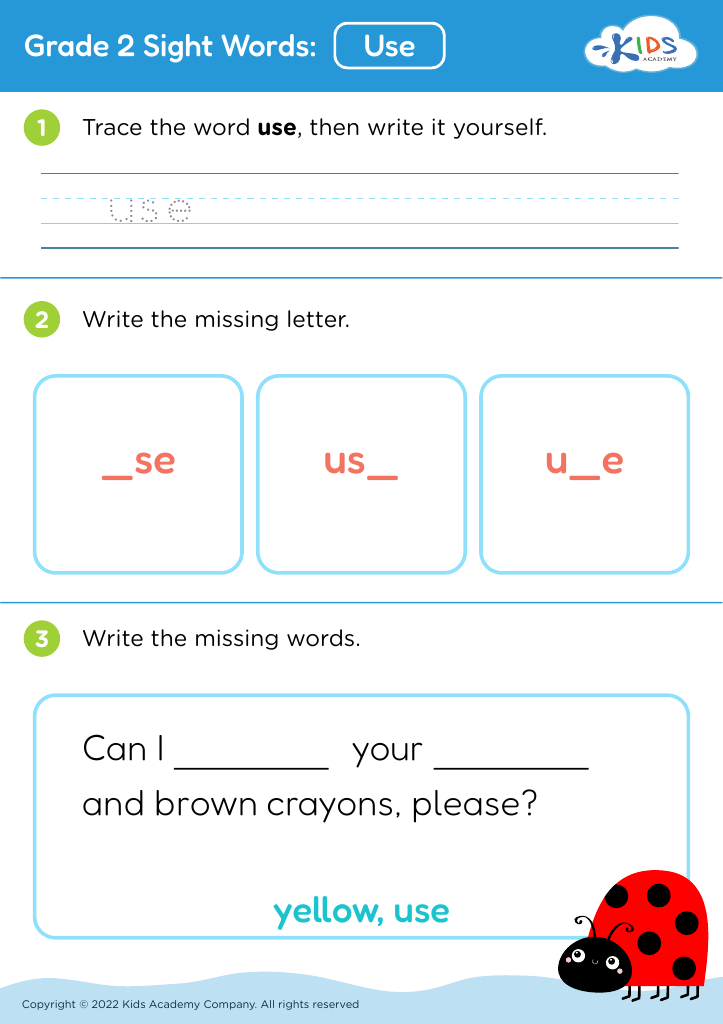
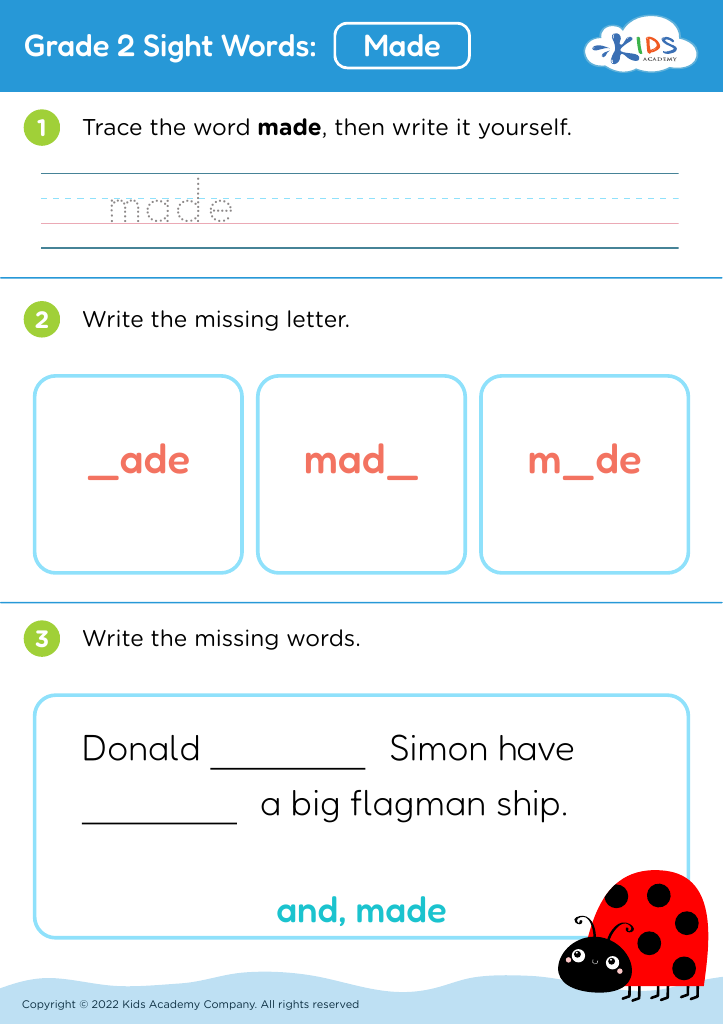
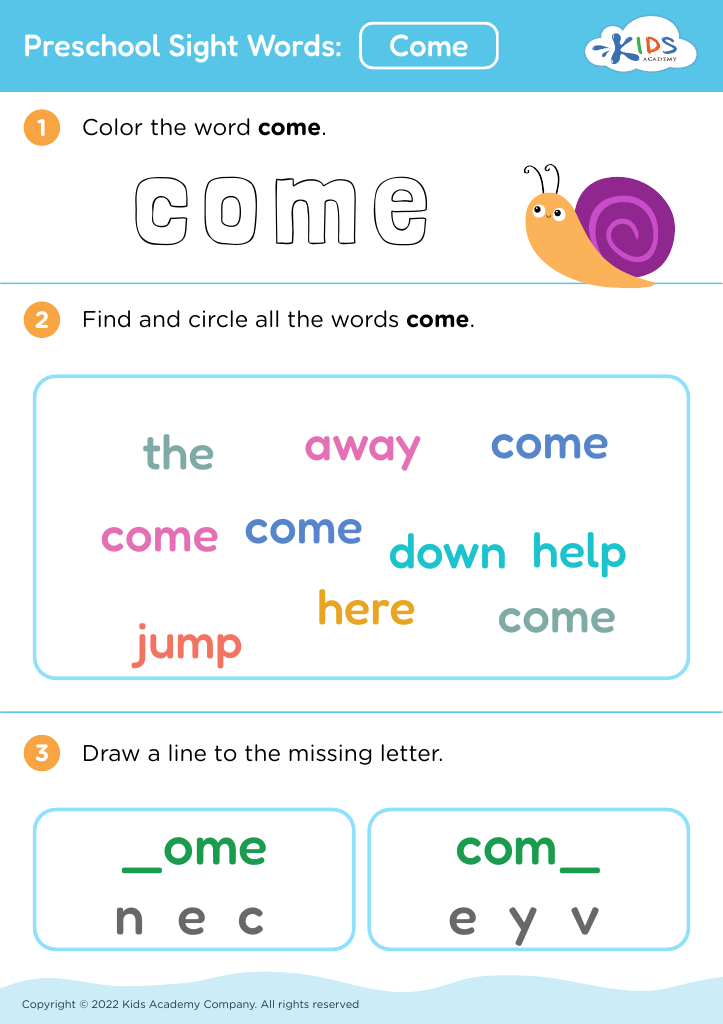
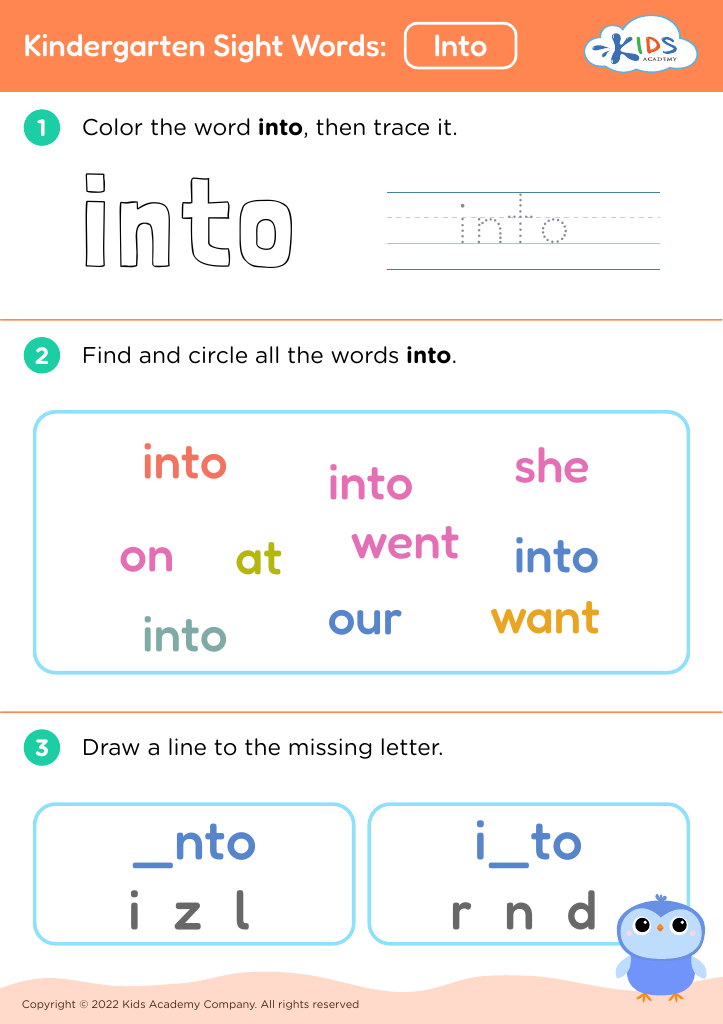
Discover our engaging Recognizing Patterns Reading Worksheets designed specifically for children ages 3-9! These worksheets foster essential reading skills by encouraging young learners to identify and understand various patterns in texts. With vibrant visuals and interactive activities, kids will enhance their observation skills and develop critical thinking as they explore rhymes, sequences, and story patterns. Perfect for early classrooms or home learning, our materials align with educational standards to make reading fun and effective. Help your child excel in literacy by nurturing their ability to recognize patterns while enjoying the colorful, stimulating world of reading! Get started today!
Favorites
With answer key
Interactive
Join Kids Academy for Free
Who is primarily going to use this learning content?








Recognizing patterns in reading is a fundamental skill that sets the foundation for literacy development in children aged 3-9. Parents and teachers should care about this aspect of reading for several compelling reasons. Firstly, pattern recognition enhances phonemic awareness, allowing children to understand the sounds within words and their corresponding letters, which is crucial for decoding skills. This leads to more confident readers as they encounter familiar structures in language.
Additionally, recognizing patterns helps children make predictions about text, fostering comprehension skills. When students grasp repetitive phrases or rhythmic patterns in stories, they become engaged readers, fostering a love for literature. This engagement is vital for a child's enthusiasm for learning and exploration.
Furthermore, pattern recognition isn’t limited to reading; it cultivates critical thinking skills across various subjects. Skills learned while identifying patterns in literature can be transferred to mathematics and science, promoting a holistic educational approach.
Parents and teachers should actively nurture this skill, incorporating diverse reading materials and interactive activities that highlight patterns. By working together to focus on this important aspect of reading, adults can better support children in becoming proficient, enthusiastic readers who can navigate the complexities of language with confidence.








