Sound recognition Reading Worksheets for Ages 3-9
5 filtered results
-
From - To
Unlock the joy of learning with our "Sound Recognition Reading Worksheets for Ages 3-9." Designed to develop early reading skills, these engaging printable worksheets help children master phonics and sound recognition through fun activities and interactive exercises. From identifying letter sounds to blending and segmenting words, each worksheet is tailored to foster phonemic awareness, a crucial foundation for fluent reading. Ideal for both classroom and at-home learning, these expert-crafted resources ensure young learners build confidence while exploring the magical world of sounds. Explore now and set the stage for your child's reading success!
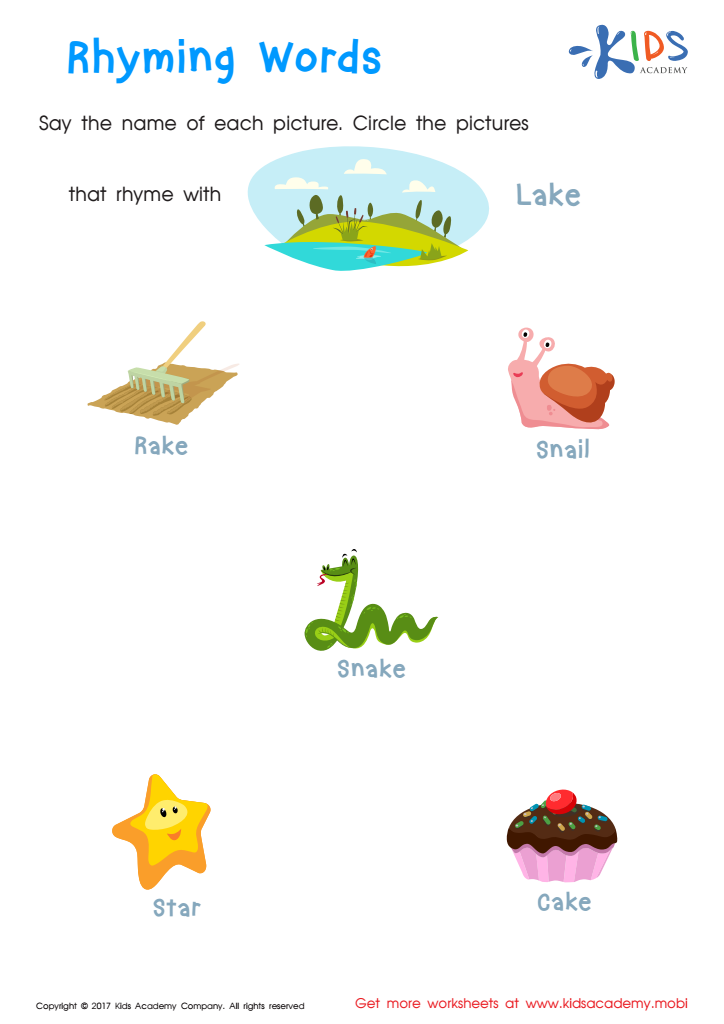
Rhyming Words Rhyming Worksheet

Long and Short U Worksheet
 Assign to My Students
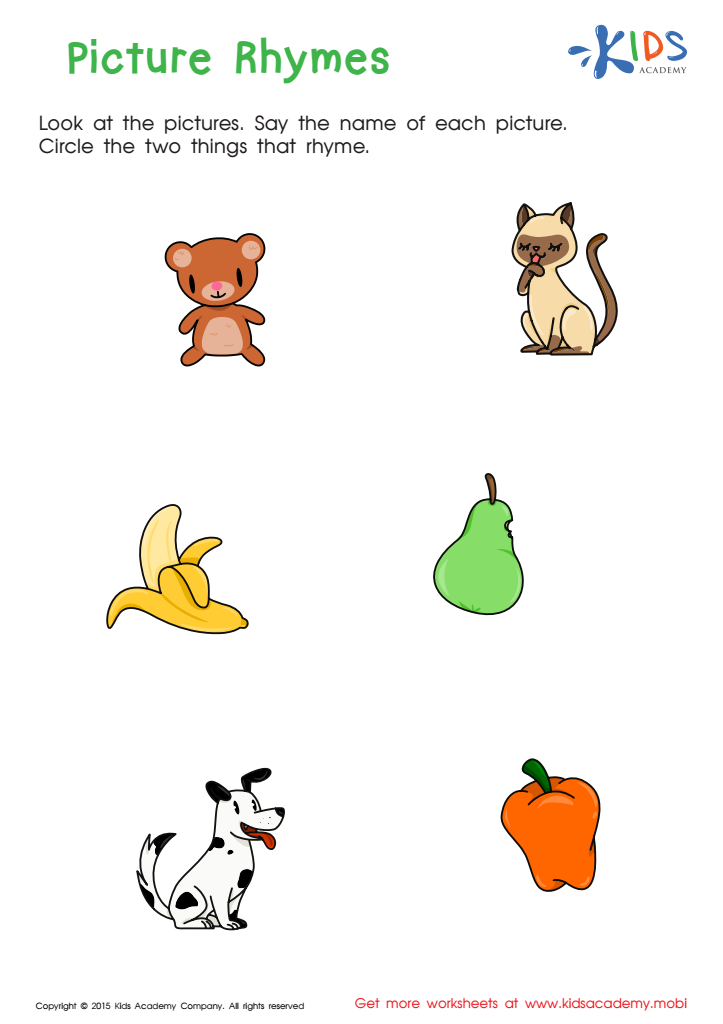
First Words: Picture Rhymes Worksheet
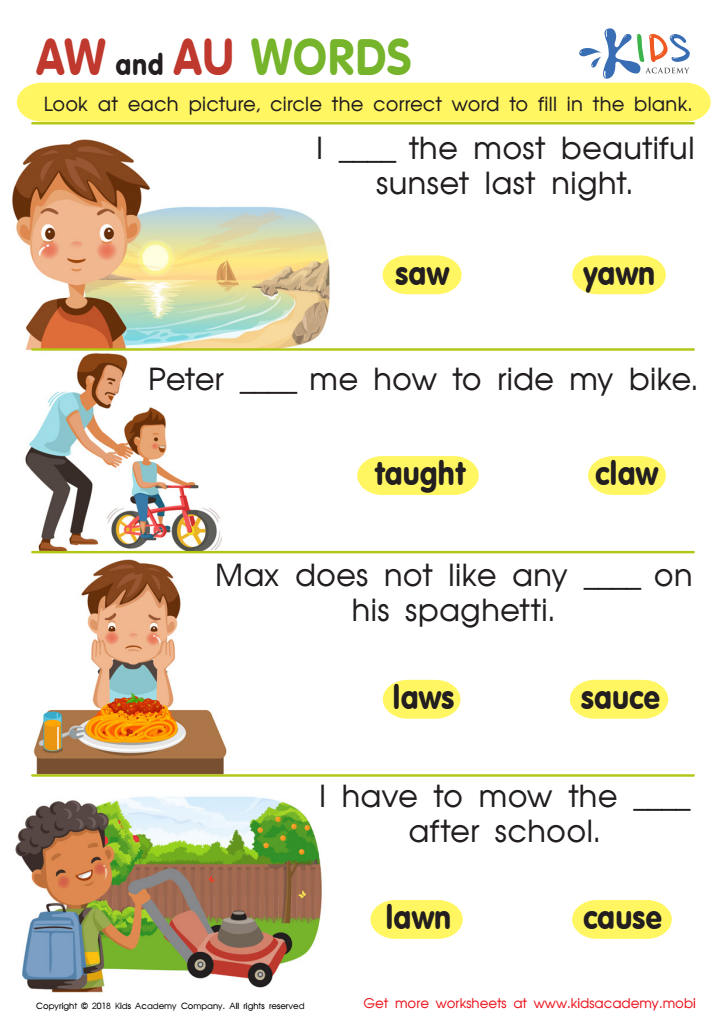
Reading: AW and AU Words Worksheet
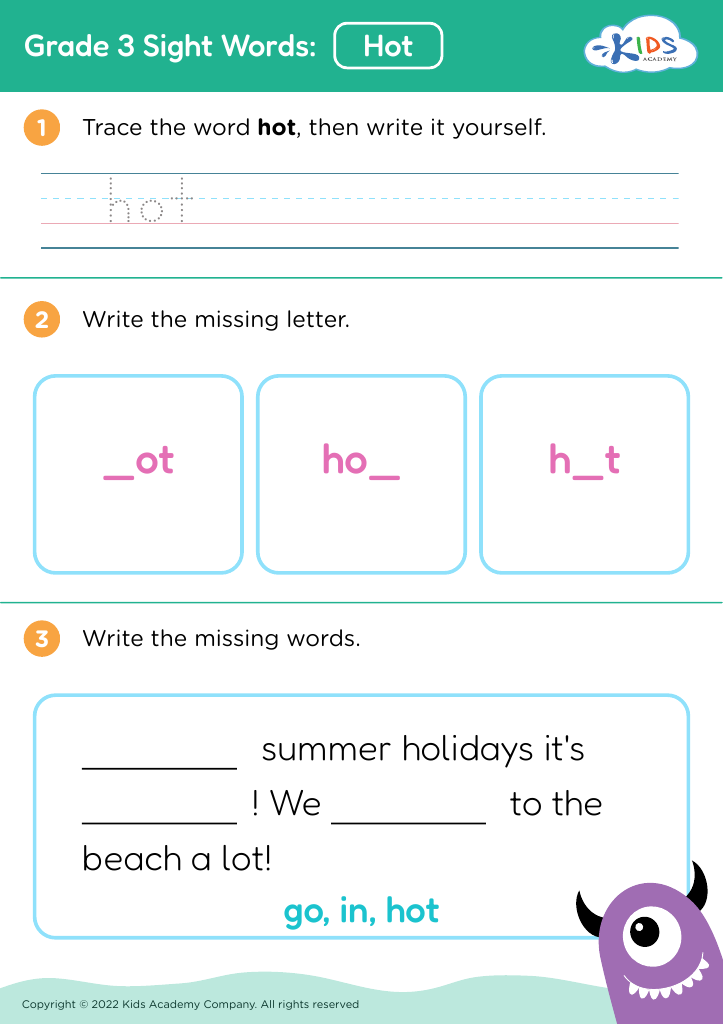



.jpg)




Sound recognition, or phonological awareness, is a cornerstone skill for young learners, typically ages 3-9, and is critical in setting a strong foundation for reading success. This vital component in early childhood education involves recognizing and manipulating the sounds in spoken language, which significantly contributes to a child's ability to decode words while reading.
For parents and teachers, fostering this skill holistically enhances a child’s overall literacy development. Children adept at sound recognition tend to have an easier time learning to read and spell because they can break down words into smaller sound units, making word recognition intuitive and less arduous. Developing strong phonological skills also aids in listening comprehension, enriching vocabulary, and honing the ability to follow verbal directions—skills indispensable across all learning areas.
Moreover, early proficiency in sound recognition can mitigate reading difficulties later on. Engaging children in playful activities like rhyming games, clapping out syllables, and segmenting sounds cultivates these foundational abilities. Efforts from parents and educators in promoting sound recognition ensure an enjoyable, efficient pathway to reading, setting children on a trajectory of academic success and a lifelong love of learning.
Investing in sound recognition not only supports the child’s reading capabilities but also fosters confidence and motivation, making learning a positive, enduring experience. Thus, the impact of prioritizing this early literacy skill cannot be overstated.








