Vocabulary Building Reading Worksheets for Ages 3-9 - Page 2
30 filtered results
-
From - To
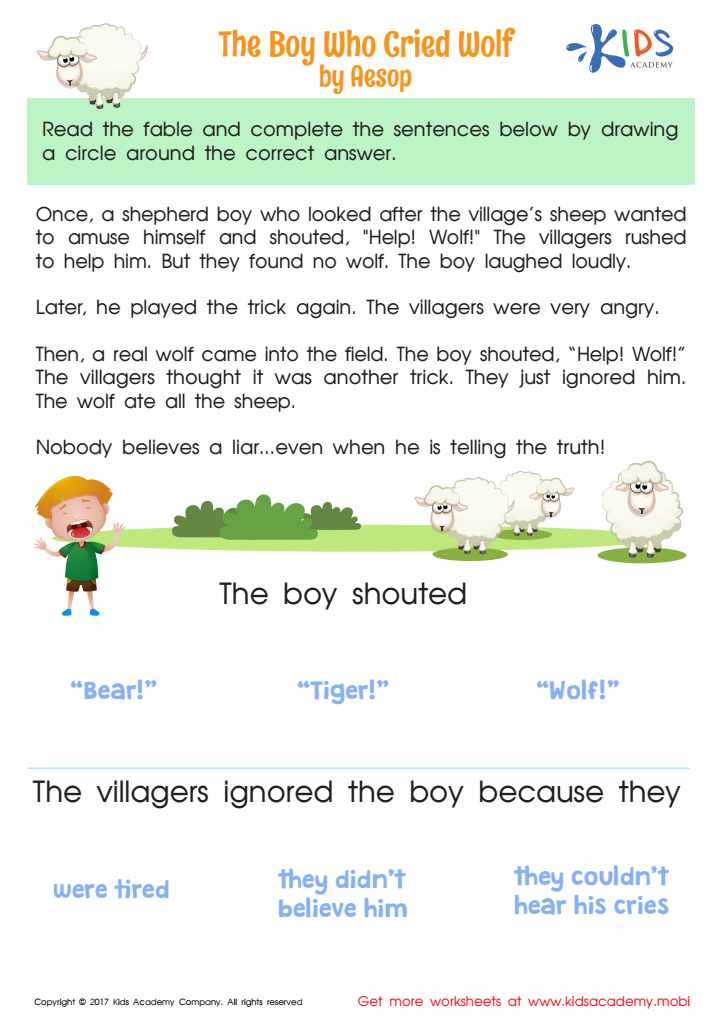
The Boy Who Cried Wolf Worksheet
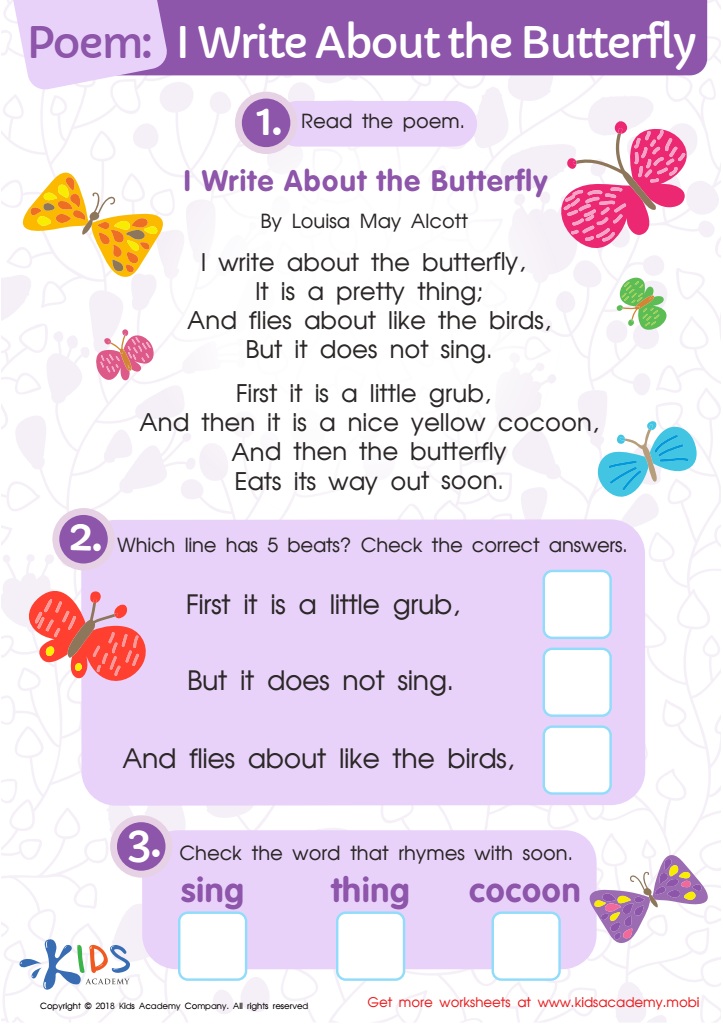
Poem: I Write About The Butterfly Worksheet
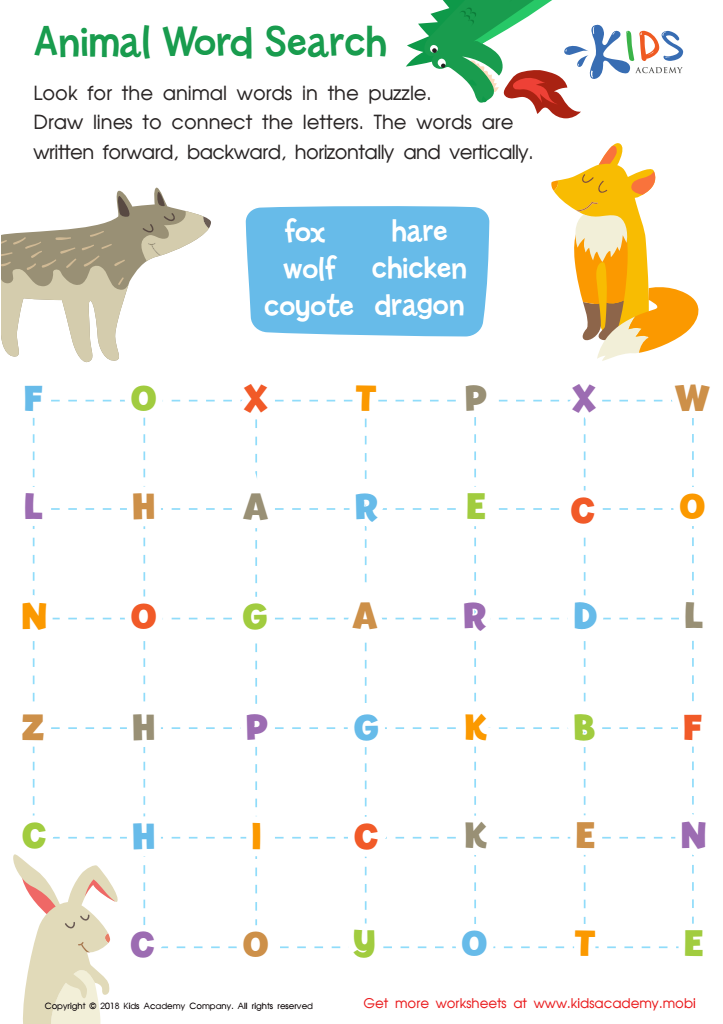
Animal Word Search Worksheet
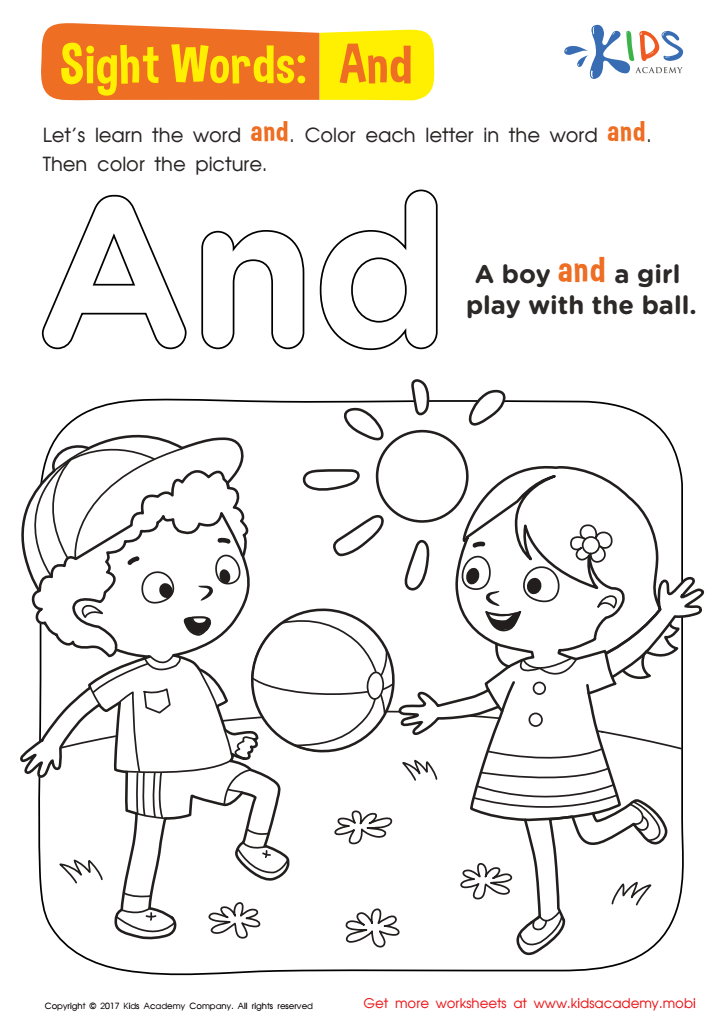
And Worksheet Sight Words Worksheet
 Assign to My Students
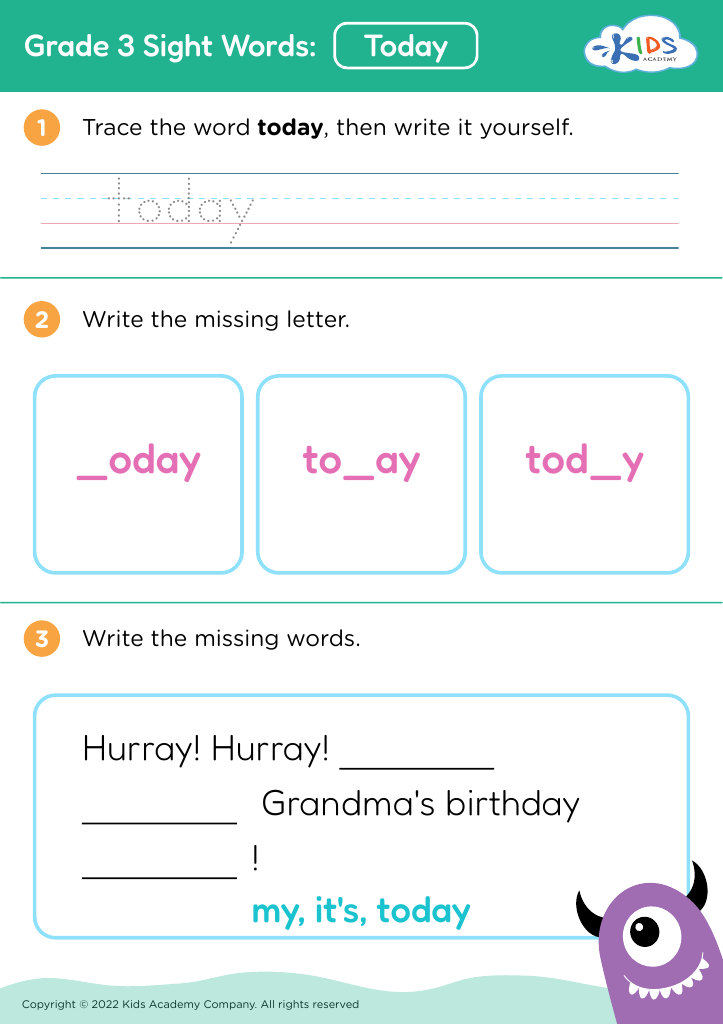
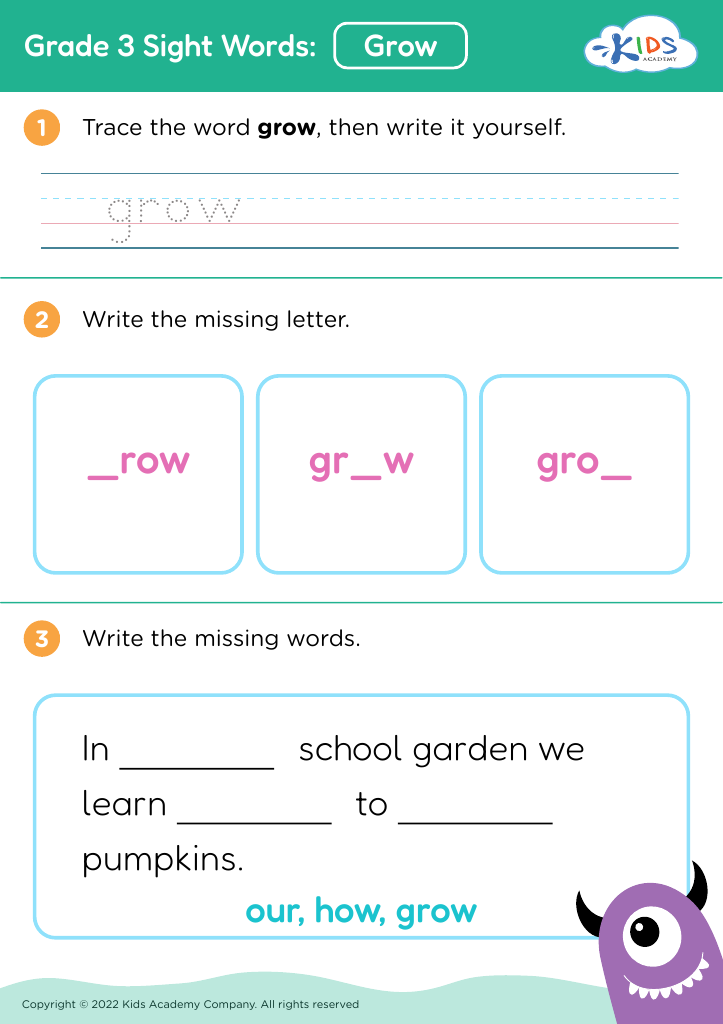







Vocabulary building is crucial for children aged 3-9 because it lays the foundation for their future reading comprehension, communication skills, and academic success. During these formative years, children's brains are exceptionally receptive to new information, making it the ideal period to expand their vocabulary.
First, a strong vocabulary allows children to better understand and engage with the world around them. When kids know more words, they can describe their thoughts and emotions more accurately, leading to more effective communication with peers and adults. This skill is essential for building relationships and social skills.
Second, vocabulary is closely tied to reading comprehension. When children encounter new words while reading, those with a richer vocabulary are more likely to understand the text and derive meaning from context. This skill significantly affects their ability to learn new subjects and grasp complex concepts in school.
Furthermore, a robust vocabulary can boost a child's confidence and foster a love for learning. As children recognize and understand more words, they become more proficient readers, opening the door to a variety of books and learning materials. This positive experience encourages a lifelong reading habit, which is vital for continuous educational development.
In summary, investing time in vocabulary building for young children not only enhances their communication and reading skills but also sets the stage for their future academic and social success.








