
Word association skills Reading Worksheets for Ages 3-9
3 filtered results
Difficulty Level
Grade
Age
-
From - To
Subject
Activity
Standards
Enhance your child's reading proficiency with our Word Association Skills Reading Worksheets for ages 3-9. Designed to build vocabulary, comprehension, and cognitive skills, these engaging worksheets make learning fun and effective. Each activity encourages critical thinking by linking words with related concepts, improving language development naturally. Perfect for early learners, these printables foster connections between words and ideas, preparing children for advanced reading tasks. Ideal for parents and teachers, our worksheets offer structured, enjoyable practice tailored to young minds. Boost reading confidence and academic success with our expertly crafted word association exercises today!
Favorites
With answer key
Interactive
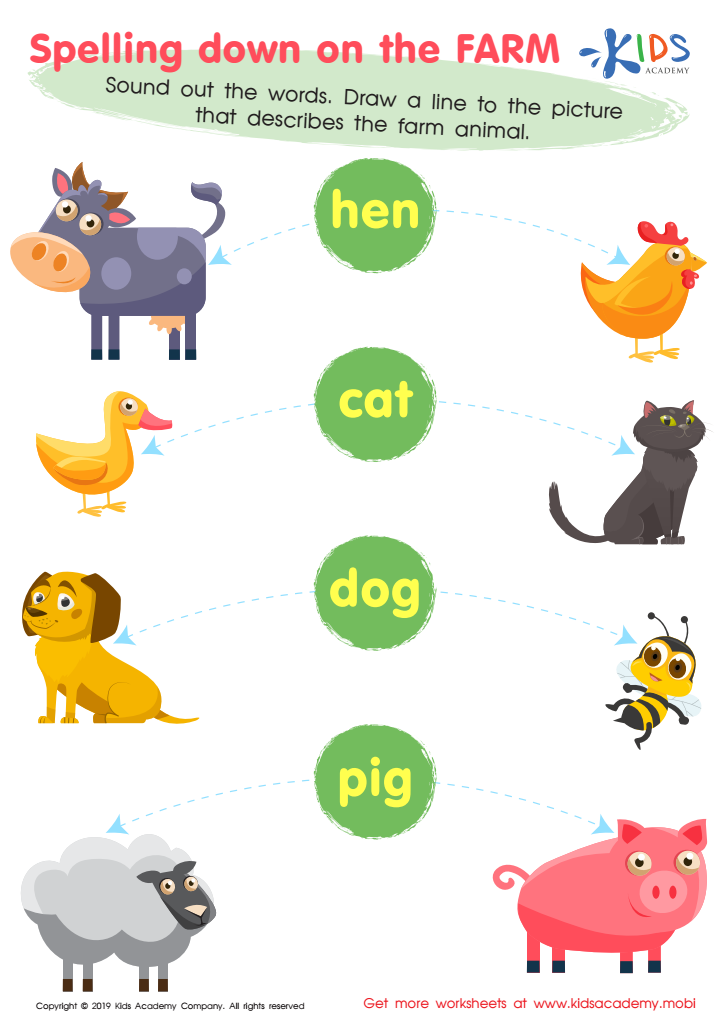
Spelling Down on the Farm Worksheet
Want to help your kids nail their spelling? Introduce them to this farm animal worksheet! Get them to look at the animals in the tracing sheet, name them and then sound out the words. Have them draw a line to the picture that describes it. You'll be surprised at how quickly their skills improve.
 Assign to My Students
Spelling Down on the Farm Worksheet
Worksheet
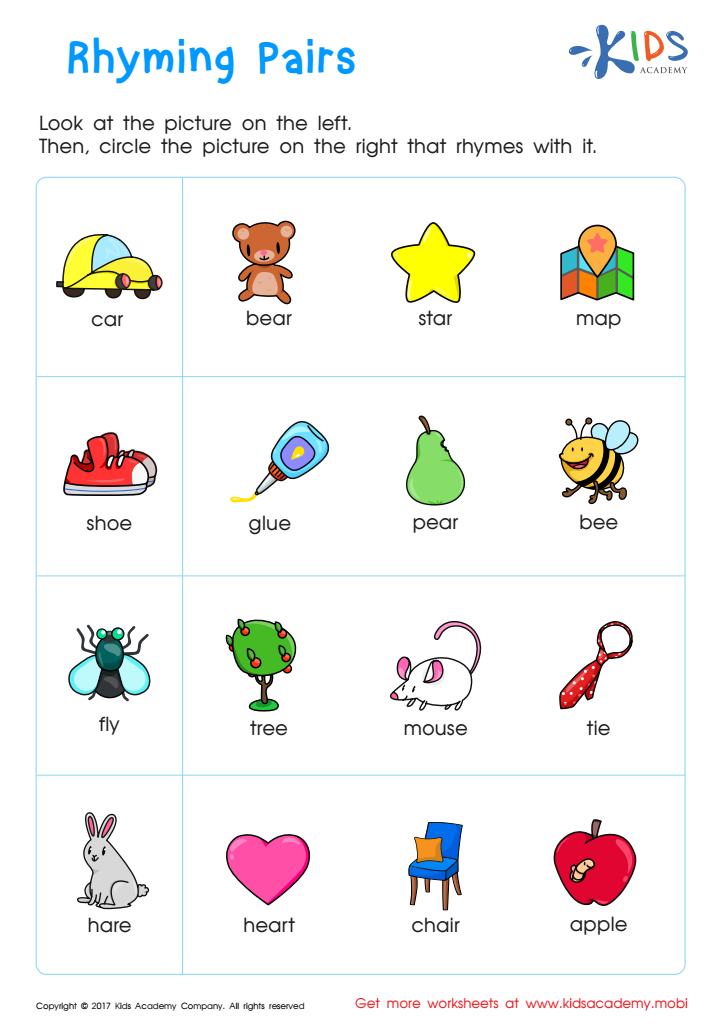
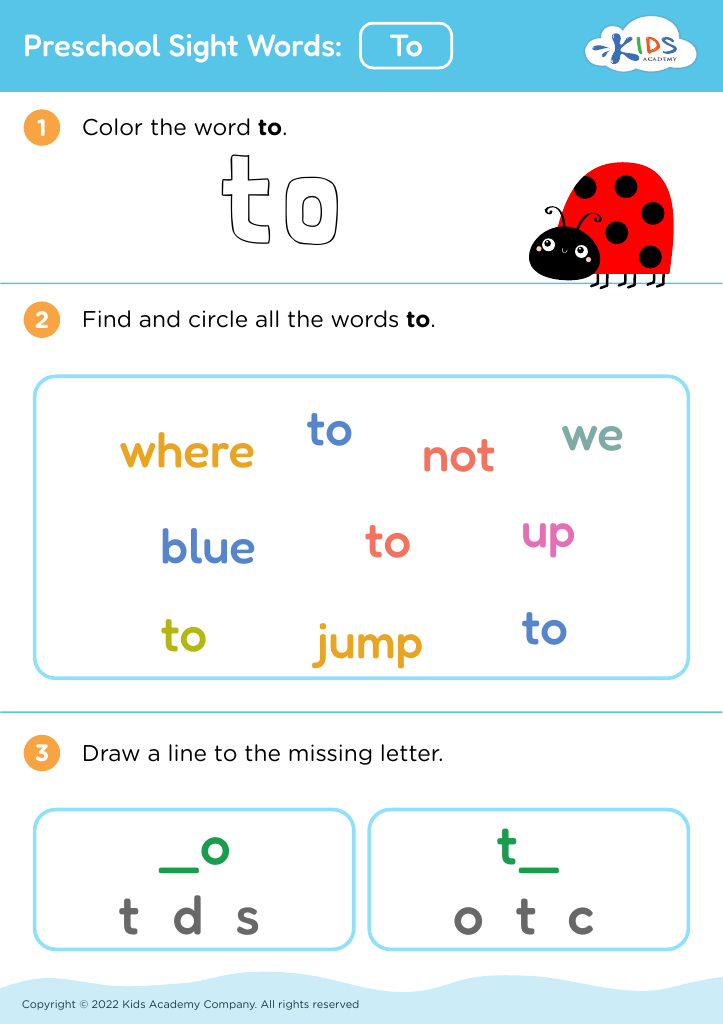
Join Kids Academy for Free
Who is primarily going to use this learning content?





.jpg)


Word association skills are crucial for children aged 3-9 as they lay the foundation for effective communication, cognitive development, and academic success. At this formative stage, children's brains are exceptionally receptive to new information, making it the prime time to develop essential language abilities. Word association helps young learners understand connections between words and concepts, enhancing vocabulary growth and language comprehension.
For parents and teachers, fostering these skills means supporting a child's ability to grasp complex ideas, follow instructions, and articulate thoughts clearly. Associating words also improves memory retention by linking new information with familiar concepts, crucial for academic learning in subjects like reading and math.
Moreover, engaging in word association games and activities promotes critical thinking and creativity. Children learn to explore relationships between words, think abstractly, and problem-solve, fostering intellectual curiosity and adaptability.
Additionally, strong word association skills can positively impact emotional and social development. When children communicate effectively, they build confidence, form stronger relationships, and navigate social contexts more easily.
Ensuring children aged 3-9 develop robust word association skills prepares them for future learning challenges and sets a solid foundation for lifelong literacy, intellectual curiosity, and interpersonal growth. Therefore, investing effort in nurturing these skills is paramount for both parents and educators.








