Sequencing Skills Reading Comprehension Worksheets for Ages 3-9
7 filtered results
-
From - To
Enhance your child's reading comprehension with our Sequencing Skills Reading Comprehension Worksheets, tailored for ages 3-9. These engaging worksheets help children understand the order of events, boosting their ability to follow narratives and instructions accurately. Featuring fun activities such as story sequencing, matching exercises, and picture recognition, our resources are designed to aid in the development of critical thinking and analytical skills. Perfect for young learners, each worksheet is crafted to capture their interest while providing structured learning. Visit Kids Academy to explore our range of educational and entertaining worksheets that make learning to read an exciting adventure.
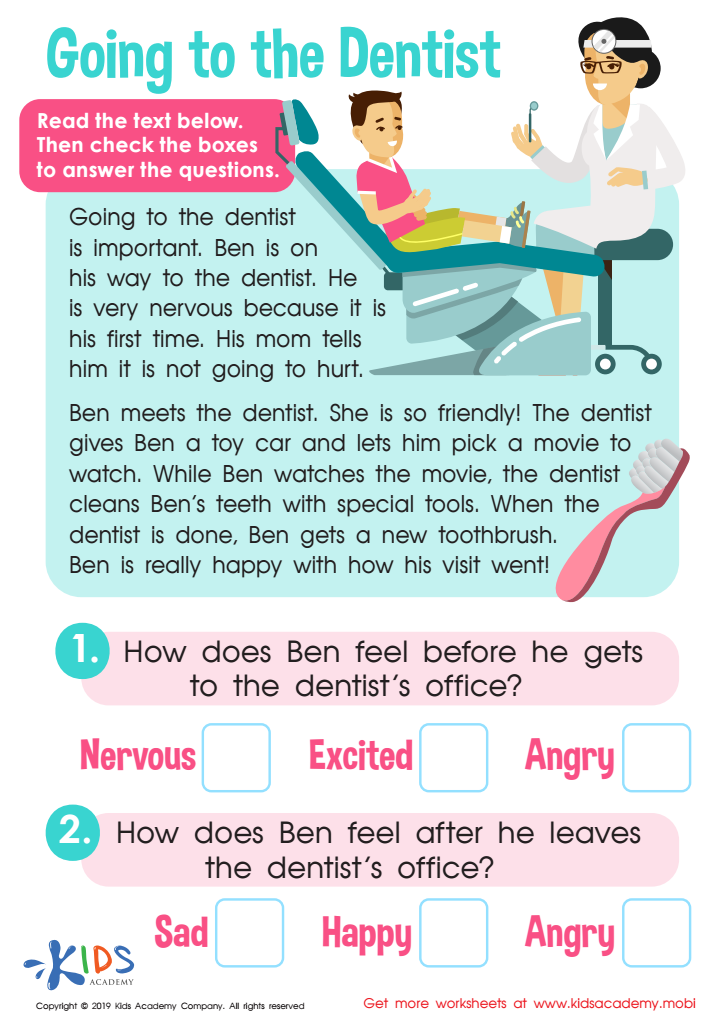
Going to the Dentist Worksheet
 Assign to My Students
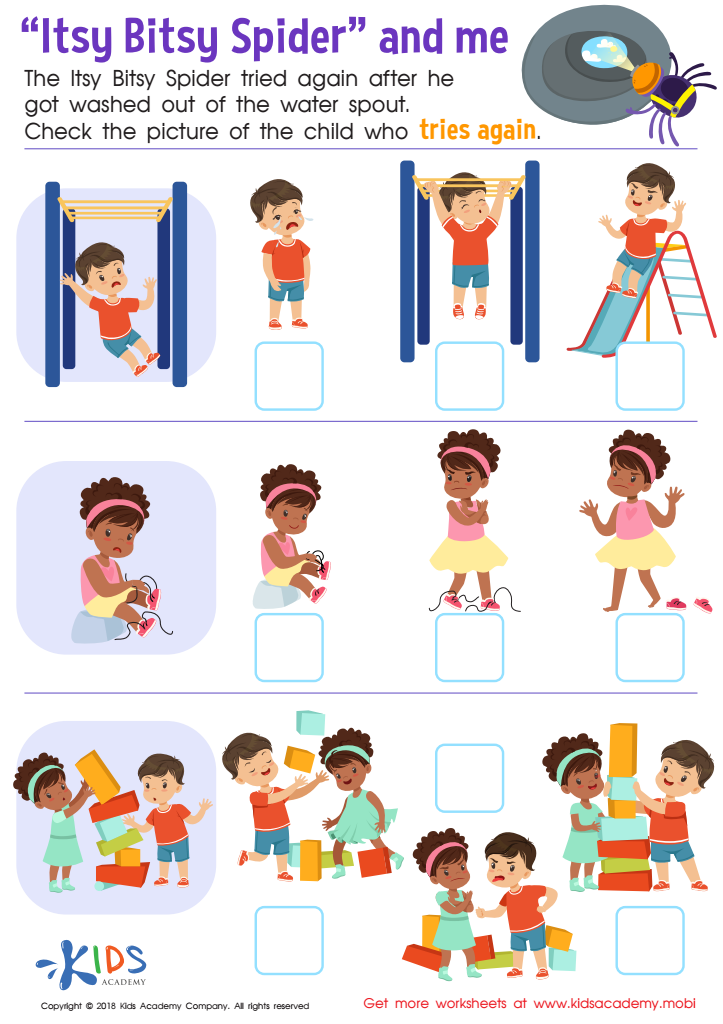
Itsy Bitsy Spider and Me Worksheet
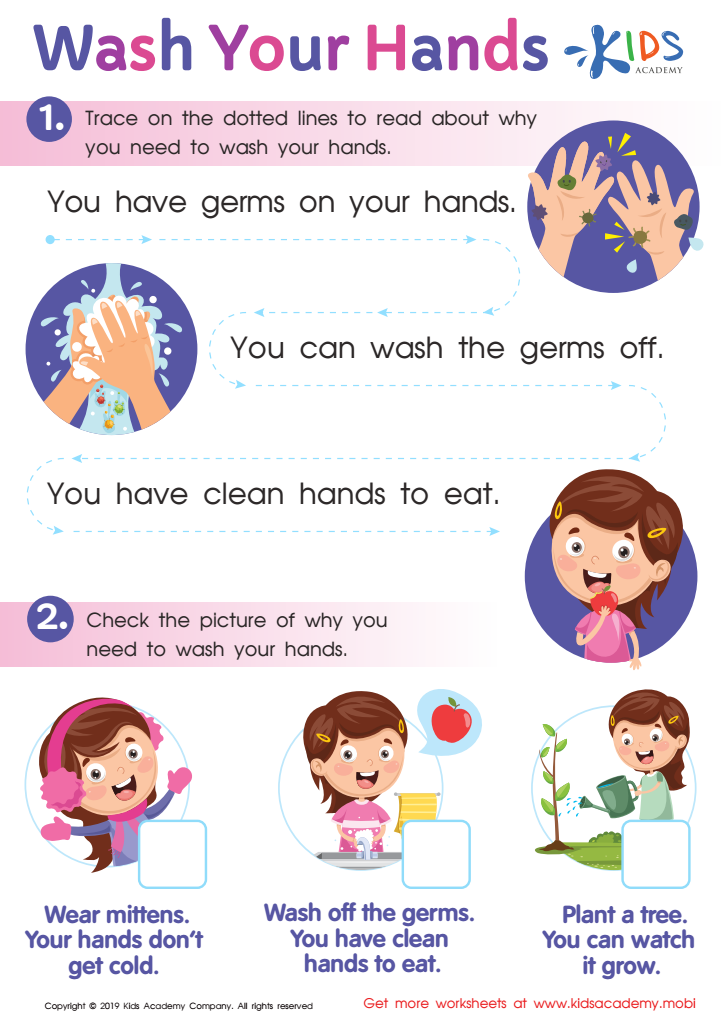
Wash Your Hands Worksheet
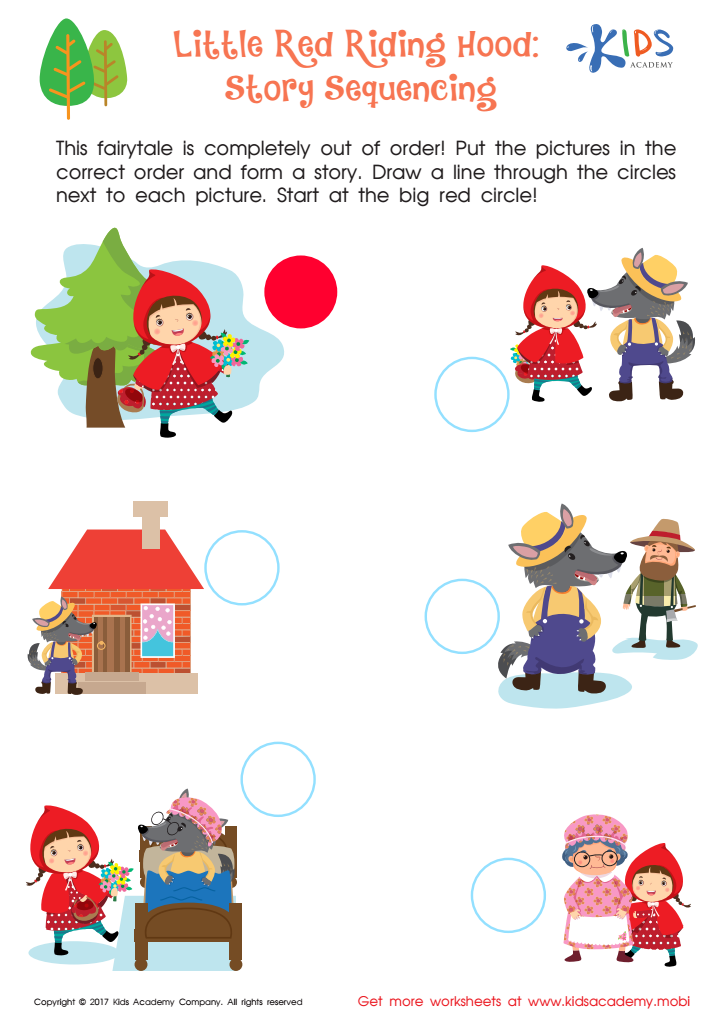
Story Sequencing Printable
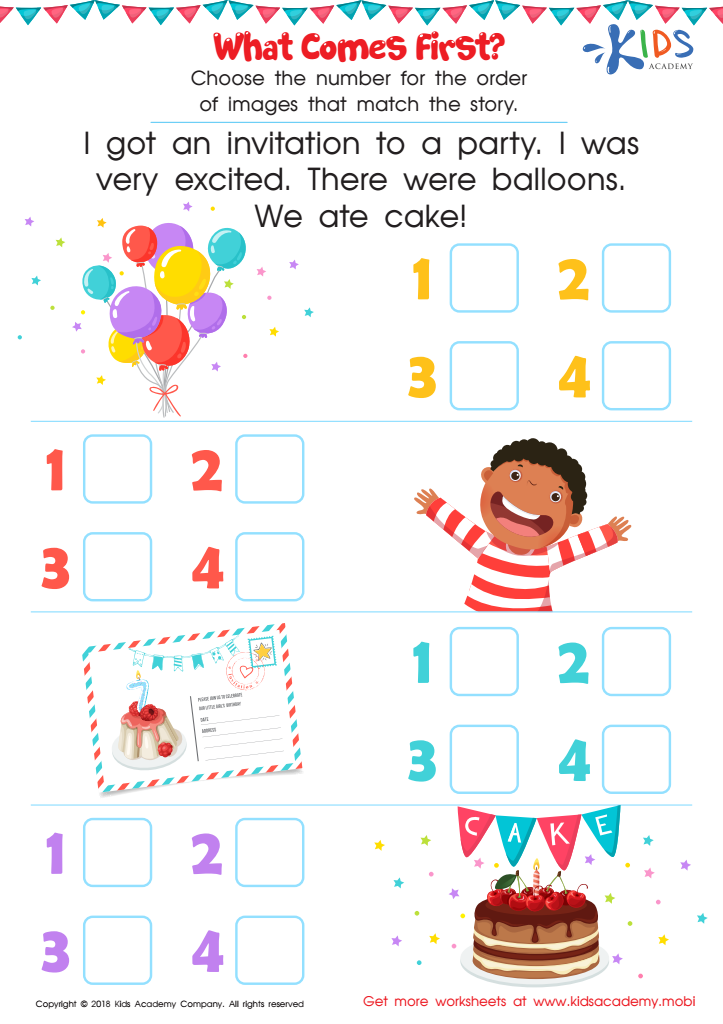
What Comes First Worksheet
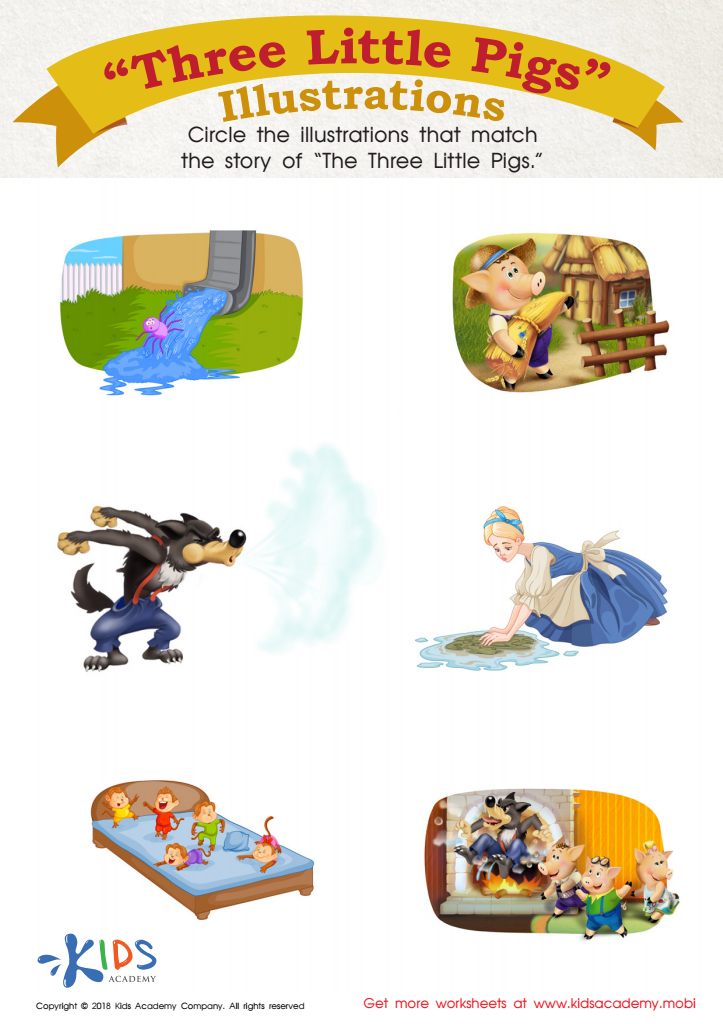
Three Little Pigs: Illustrations Worksheet
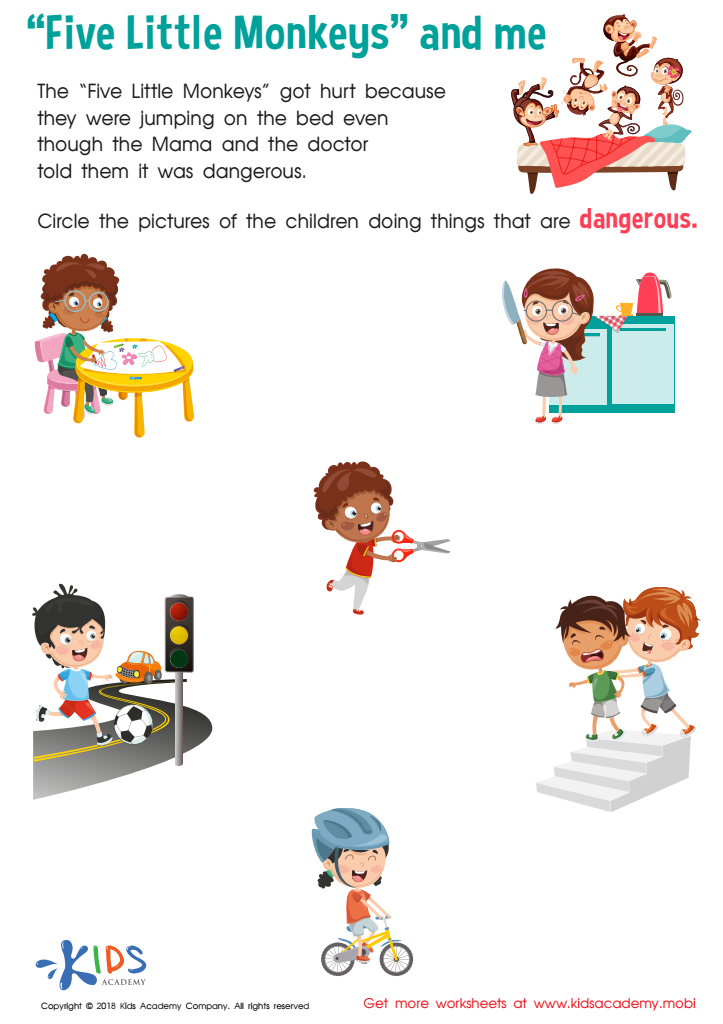
Five Little Monkeys and Me Worksheet







.jpg)
Sequencing skills are a foundational aspect of reading comprehension, and honing them during the early years—ages 3 to 9—is vital for multiple reasons. Firstly, understanding the sequence of events helps children grasp the concept of beginning, middle, and end in stories, which is essential for narrative understanding. This understanding serves as a stepping stone for more complex reading and writing tasks they will encounter later.
For preschoolers, sequencing helps develop their ability to follow directions and understand routines, which fosters independence and self-confidence. As children enter the primary grades, strong sequencing skills make it easier for them to retell stories, summarize content, and understand cause-and-effect relationships. These skills translate universally across subjects, aiding in the comprehension of instructions in math problems or the chronological order in historical contexts.
Parents and teachers who emphasize sequencing also support language development, as children learn to use transitional words like "first," "then," and "finally." Improving these skills enhances students' overall cognitive development as they learn to organize their thoughts coherently. Early mastery of sequencing leads to better academic performance and less frustration in later learning stages, making it a crucial focus in early education.








