Color recognition Reading Fiction Worksheets for Ages 3-9
6 filtered results
-
From - To
Explore our engaging Color Recognition Reading Fiction Worksheets designed for children aged 3-9! These creative resources immerse young learners in colorful stories while enhancing their understanding of colors and improving reading skills. Each worksheet features vibrant illustrations and simple text that captures children's imagination, making learning fun and enjoyable. As they read and interact with the material, kids will develop critical thinking abilities, boost their vocabulary, and refine their comprehension skills. Perfect for home or classroom use, our worksheets provide a playful way to foster a love for reading and to sharpen color recognition. Help your child become a confident learner today!
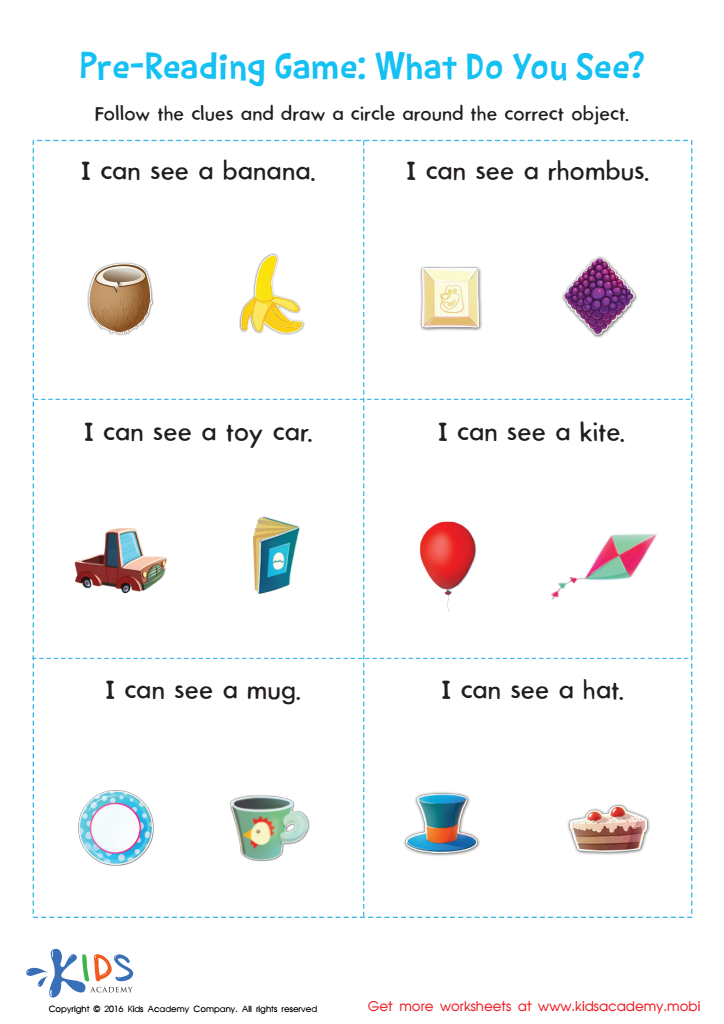
Pre–reading Worksheet: What Do You See?
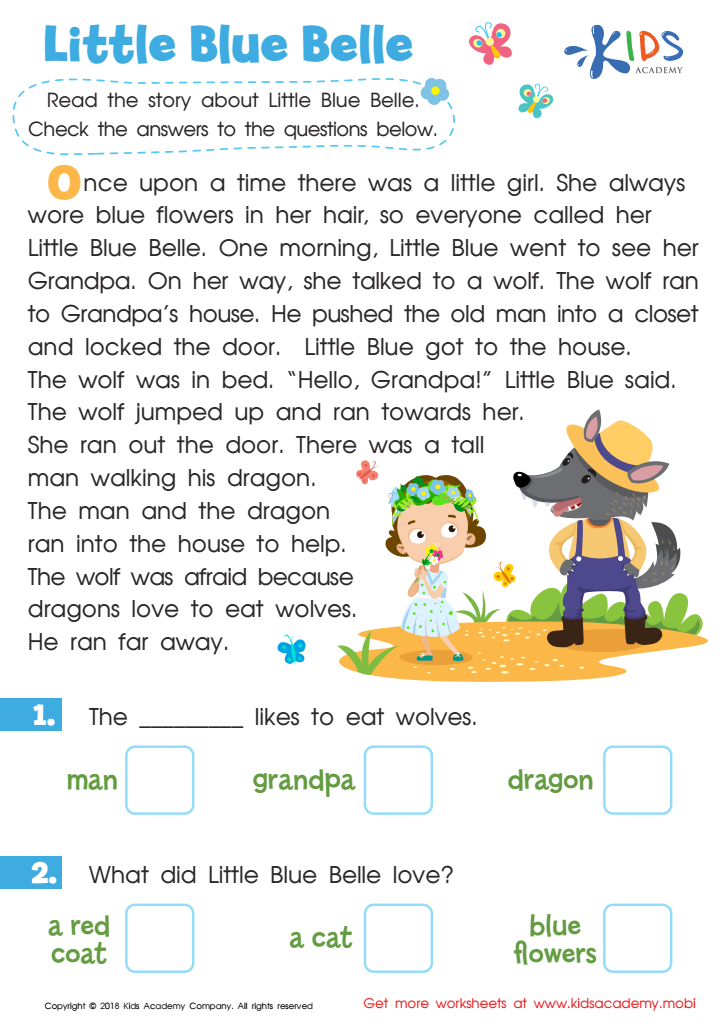
Little Blue Belle Worksheet
Twinkle Twinkle Little Star Coloring Page
 Assign to My Students
Hickory Dickory Dock Coloring Page
Assign to My Students
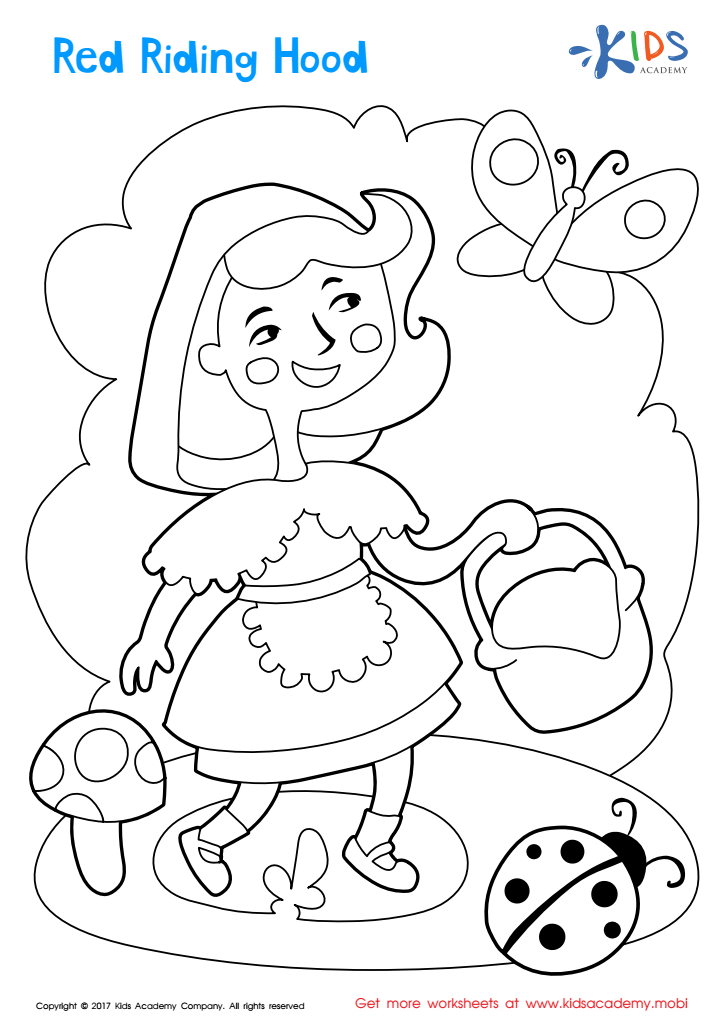
Red Riding Hood Coloring Page
Assign to My Students
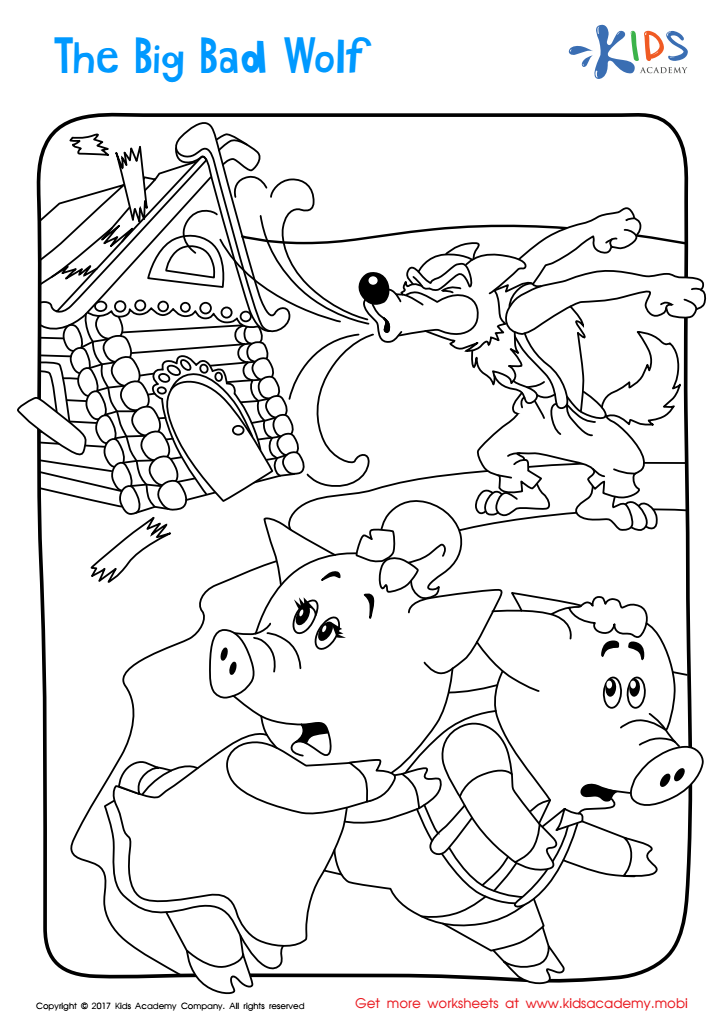
Big Bad Wolf Printable Coloring Page
Assign to My Students








Color recognition is a foundational skill crucial for children's cognitive and language development, particularly when reading fiction. For children aged 3-9, exploring colorful illustrations in storybooks serves a dual purpose: enhancing their understanding of color while stimulating their imagination. Recognizing colors helps children categorize objects and describe their surroundings, which is a fundamental aspect of language acquisition.
When parents and teachers encourage color recognition through reading fiction, they create opportunities for interactive learning. As children identify colors of different characters or settings, they practice vocabulary, enhance their observational skills, and foster creativity. Additionally, discussing colors can lead to more profound conversations about emotions and themes present in the stories, enriching comprehension.
Colorful storybooks also attract young readers' attention, which is vital for maintaining engagement. This visual stimulation can inspire a love for reading that transcends basic literacy. Moreover, early exposure to varied color schemes in literature can improve memory retention.
Ultimately, color recognition through reading not only cultivates critical cognitive skills but also fosters a joyful learning environment. Parents and teachers play a key role in nurturing these essential skills, paving the way for a child's future academic success and emotional intelligence.








