Shape Recognition Rhyming Words Worksheets for Ages 3-9
3 filtered results
-
From - To
Discover our engaging "Shape Recognition Rhyming Words Worksheets" designed for ages 3-9 at Kids Academy! These fun and educational worksheets help young learners develop essential reading skills while introducing them to shapes. Each worksheet combines playful rhyming activities with shape identification, promoting creativity, phonemic awareness, and visual-spatial skills. Your child will love matching rhyming words to colorful shapes, enhancing their vocabulary and cognitive abilities. Perfect for early grade students, these worksheets make learning enjoyable and effective. Visit Kids Academy to download and print your free Shape Recognition Rhyming Words Worksheets now!
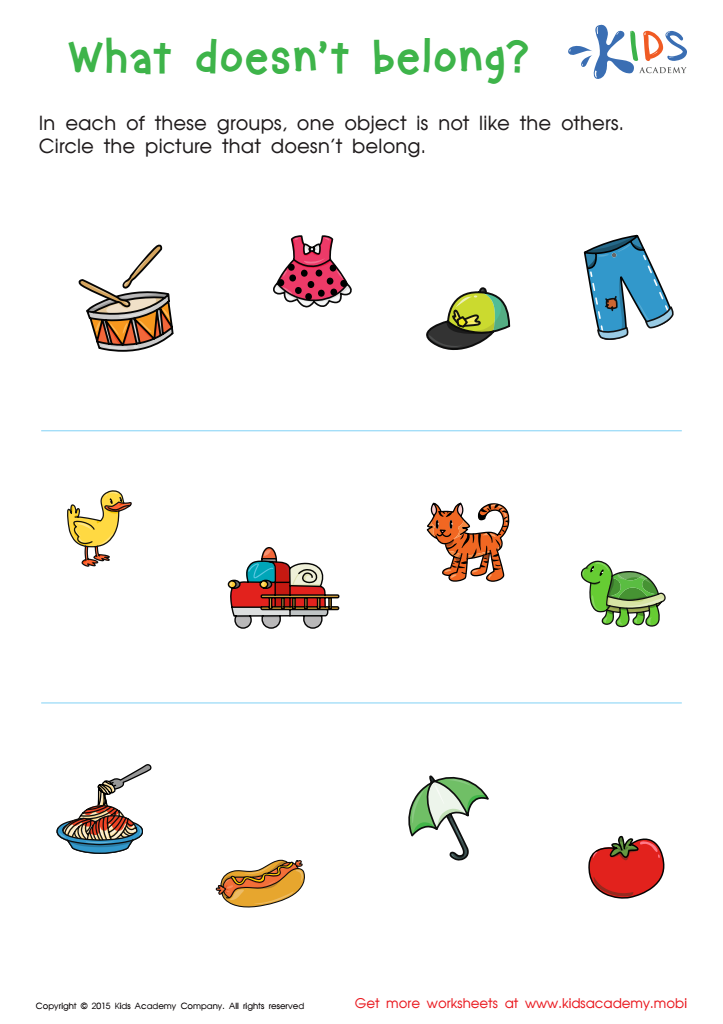
First Words: What Doesn't Belong Worksheet
 Assign to My Students
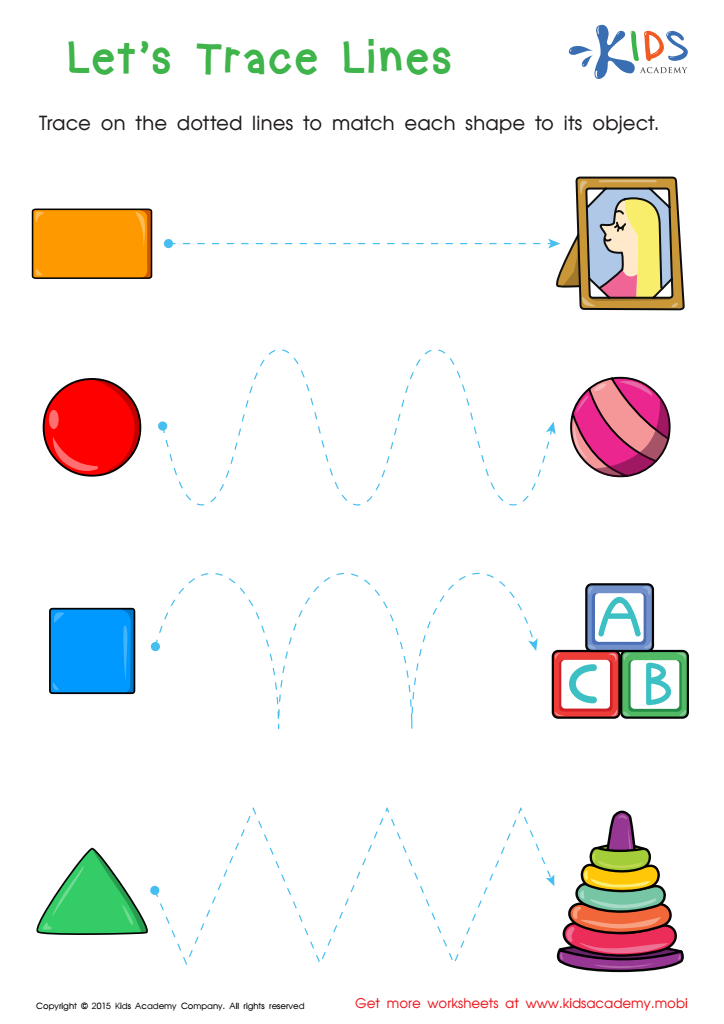
First Words: Let's Trace Lines Worksheet
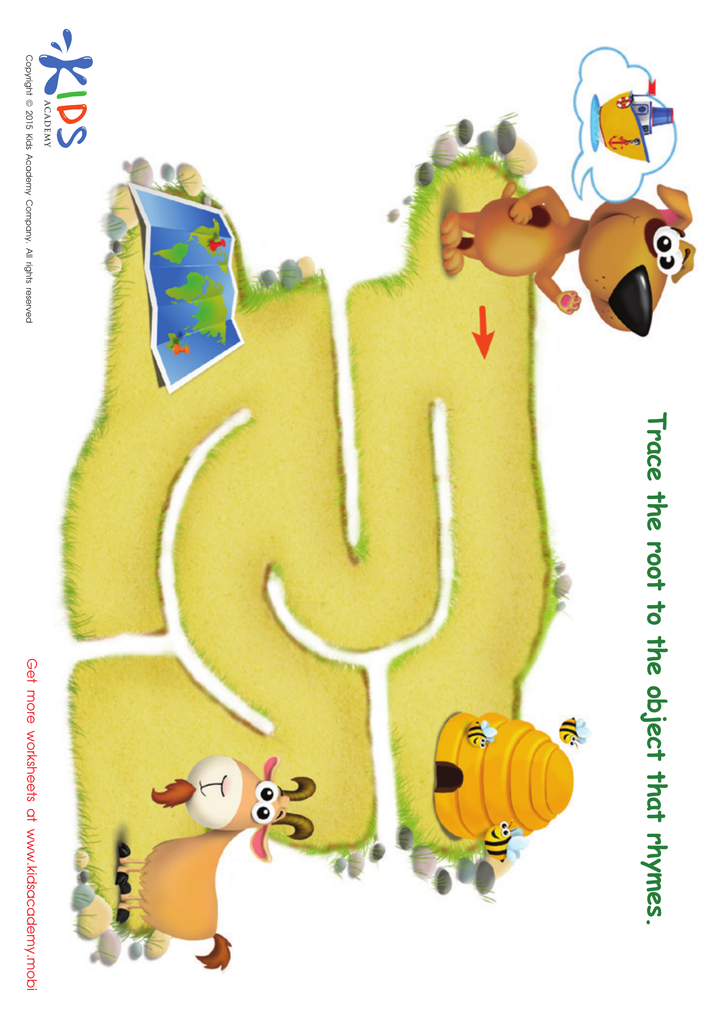
Boat Rhyming Words Worksheet





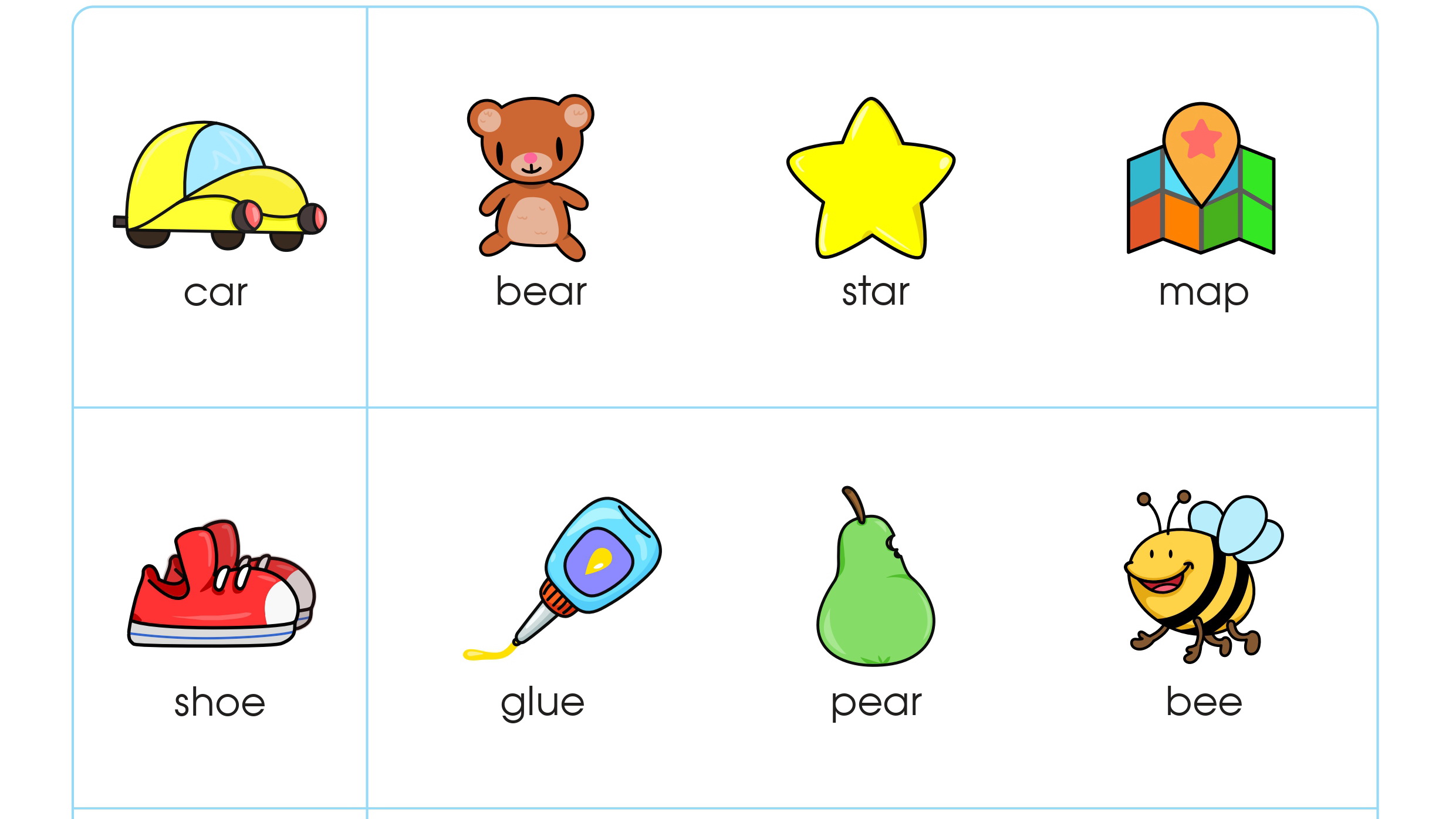


Shape recognition and rhyming are foundational skills that provide a myriad of benefits for young children, making them crucial areas of focus for parents and teachers. Shape recognition enhances cognitive development by helping children categorize objects, understand geometry, and improve spatial awareness. These skills are the building blocks for more complex mathematics and logical reasoning, playing an essential role in early childhood education. Recognizing shapes also aids in visual discrimination, which is pivotal when children begin to learn letters and numbers, ensuring smoother progress in reading and writing.
Rhyming words, on the other hand, are fundamental to phonemic awareness, an early predictor of reading success. Rhymes help children understand sound patterns, enriching their vocabulary and improving their ability to decode words. They make language fun and engaging, encouraging a love for reading from an early age. Rhyming also supports memory retention, making it easier for children to recall words and sounds.
Together, shape recognition and rhyming form a holistic approach to early learning. They not only prepare children for academic success but also boost self-confidence and curiosity. When parents and teachers prioritize these activities, they are laying a strong educational foundation that will benefit children throughout their academic journey and beyond.








