Fraction Addition Sight Words Worksheets for Ages 3-9
4 filtered results
Difficulty Level
Grade
Age
-
From - To
Subject
Activity
Standards
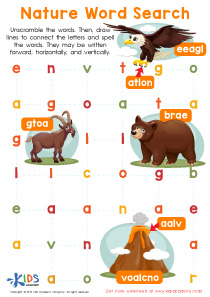
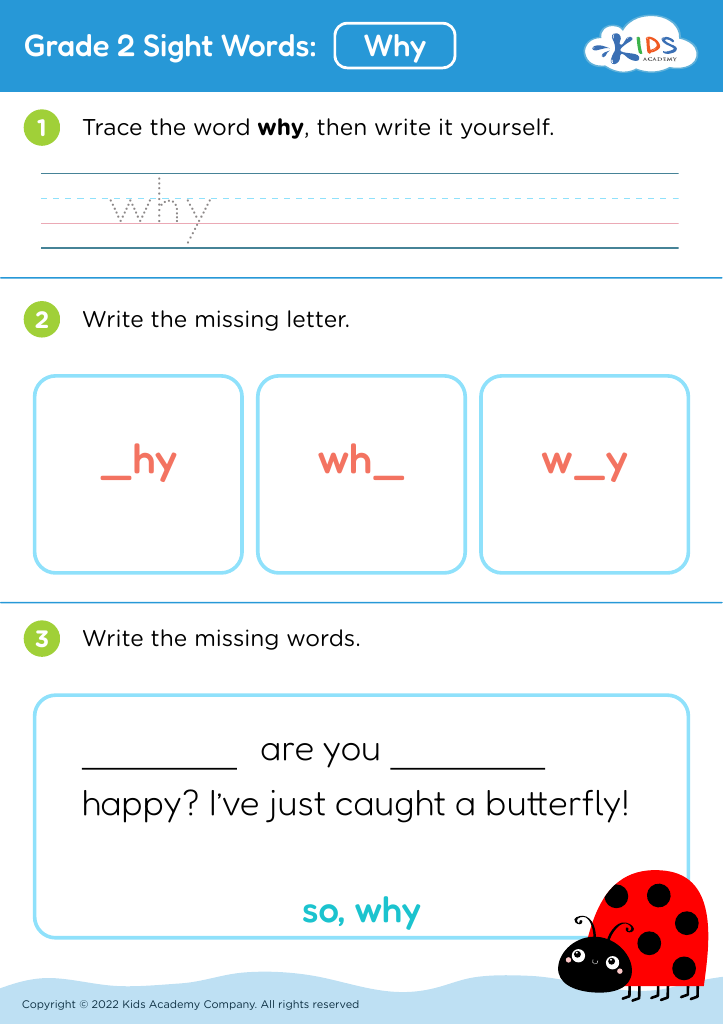
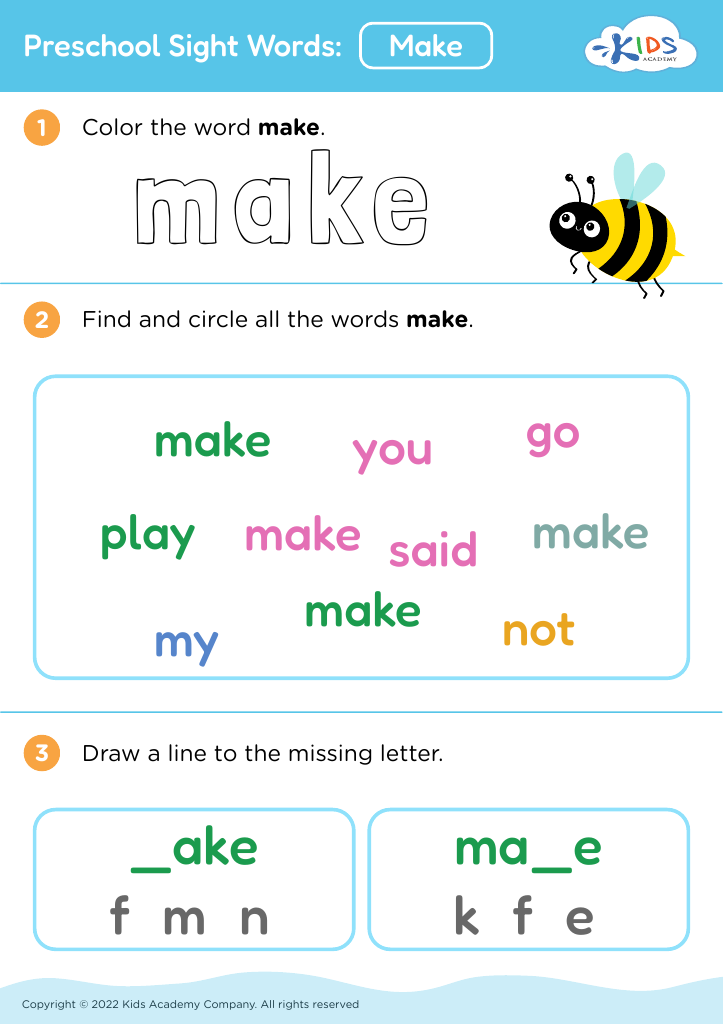
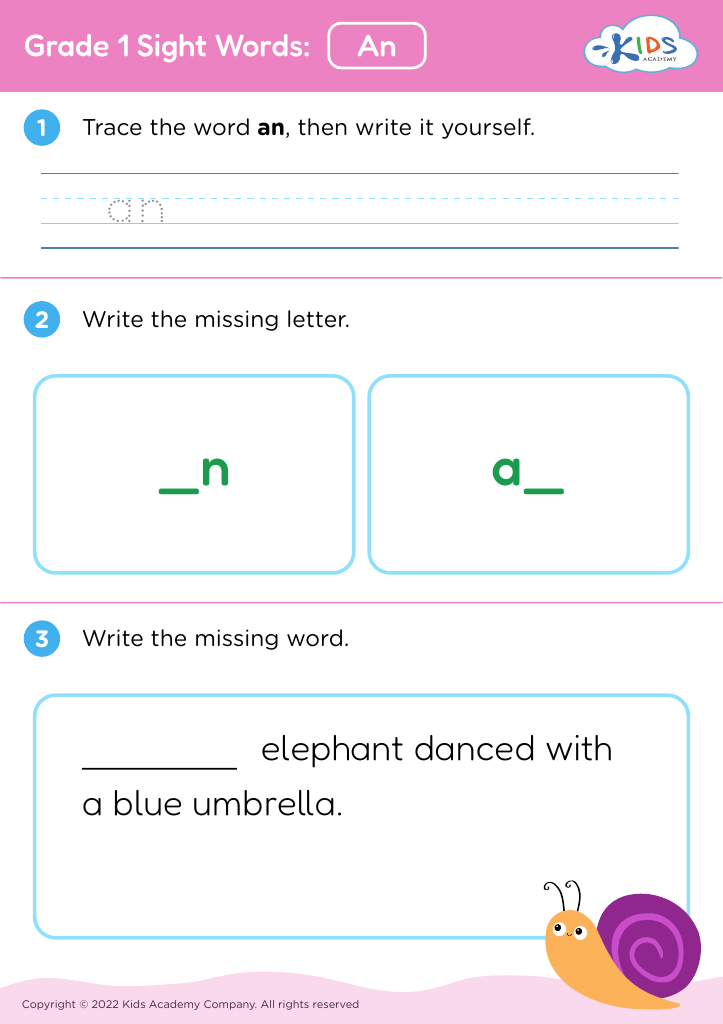
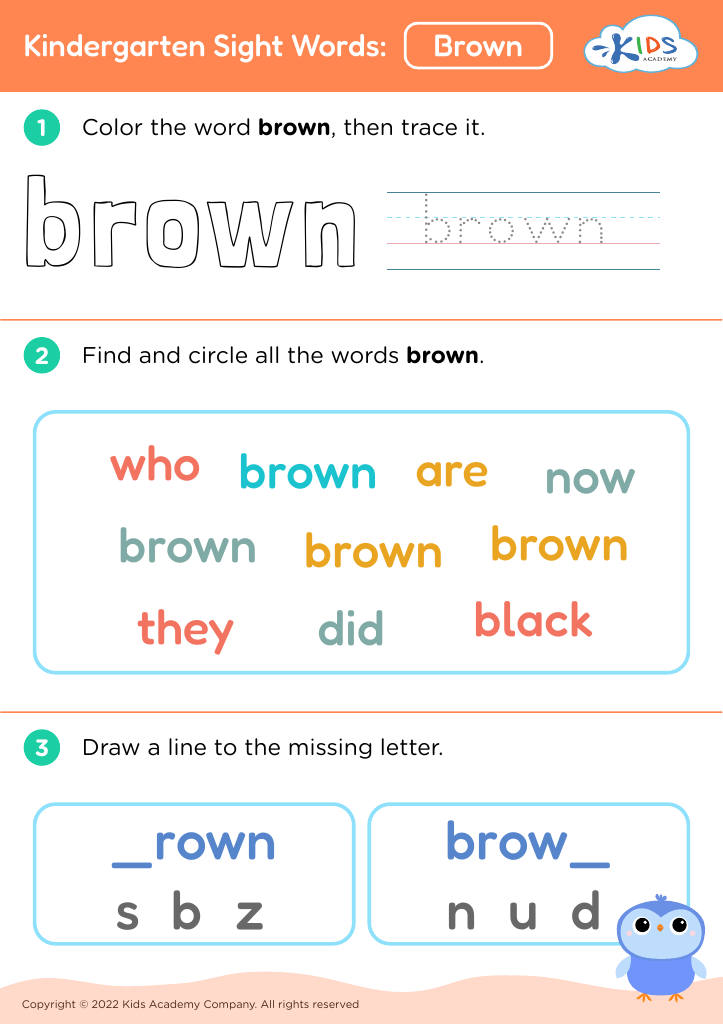
Discover engaging Fraction Addition Sight Words Worksheets designed for children ages 3-9! Our carefully crafted resources help young learners boost their understanding of fractions while developing vital sight word recognition skills. Each worksheet combines fun illustrations with practical fraction problems, encouraging children to solve additions confidently. Tailored for early education, these worksheets promote active learning and help solidify foundational math and literacy skills in a playful manner. Perfect for both classroom and home settings, our materials inspire young minds to explore the world of fractions in an enjoyable way. Start fostering confidence and comprehension in your little learners today!
Favorites
With answer key
Interactive




Join Kids Academy for Free
Who is primarily going to use this learning content?








Parents and teachers should prioritize Fraction Addition Sight Words for children aged 3-9 for several reasons. First, these sight words serve as foundational building blocks for mathematical literacy. Just as traditional sight words help with reading fluency, understanding fraction addition terminology enhances students’ ability to comprehend and solve problems more effectively.
Introducing fraction addition vocabulary early allows children to develop confidence and familiarity with mathematical concepts and reduces anxiety around more complex topics in later years. This approach supports a seamless transition as they progress through their educational journey. Engaging with fraction-related language helps children recognize patterns and relationships between numbers, fostering critical thinking skills essential for overall academic success.
Moreover, involving parents in this learning process reinforces a positive perception of math at home. Games, flashcards, and interactive activities can create a fun environment for exploration and mastery of these concepts, bridging school and home learning experiences.
Ultimately, focusing on Fraction Addition Sight Words nurtures a holistic mathematical foundation, encourages independent problem-solving capabilities, and enhances communication skills in mathematics. By prioritizing this early intervention, parents and teachers can cultivate a love for math and support long-term academic achievement for children.