Spelling improvement Word Scramble Worksheets for Ages 3-9
4 filtered results
-
From - To
Enhance your child's spelling skills with our engaging Word Scramble Worksheets designed specifically for ages 3 to 9! These fun and interactive activities encourage kids to rearrange mixed-up letters to form familiar words, boosting their vocabulary and cognitive abilities. With a variety of themed worksheets, your child will experience hours of educational fun while enhancing their spelling confidence. Our resources are tailored for young learners, making it easy for parents and educators to support key literacy skills. Start your child's journey to mastery in spelling with our stimulating Word Scramble Worksheets today and watch them shine in their reading adventures!
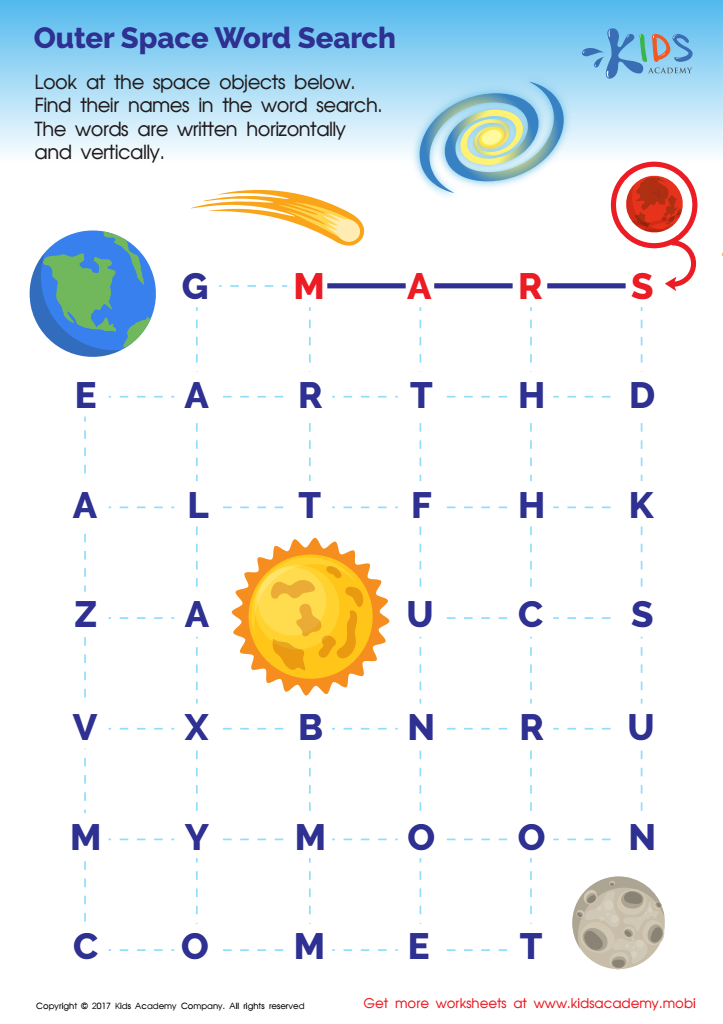
Outer Space Word Search Printable
 Assign to My Students
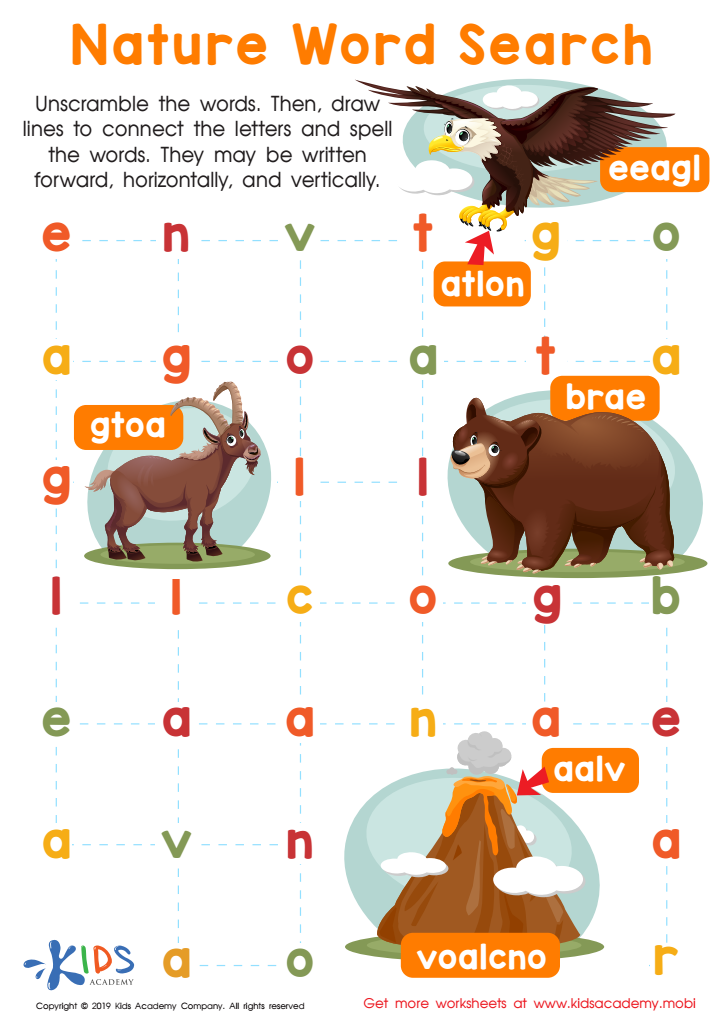
Nature Word Search Worksheet
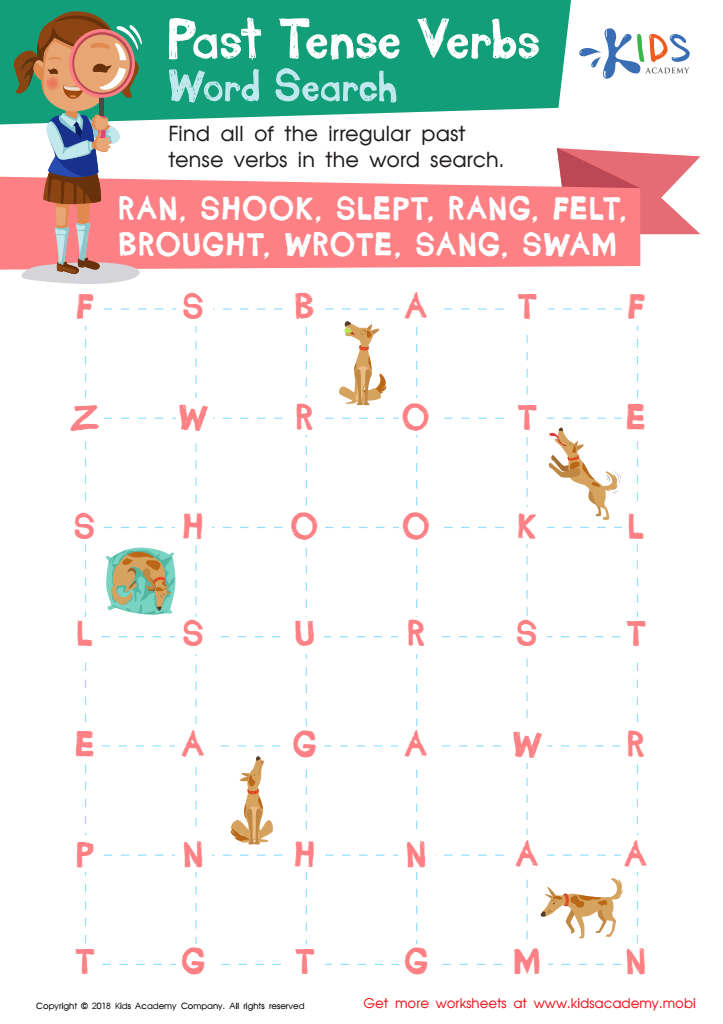
Past Tense Verbs Word Search Worksheet
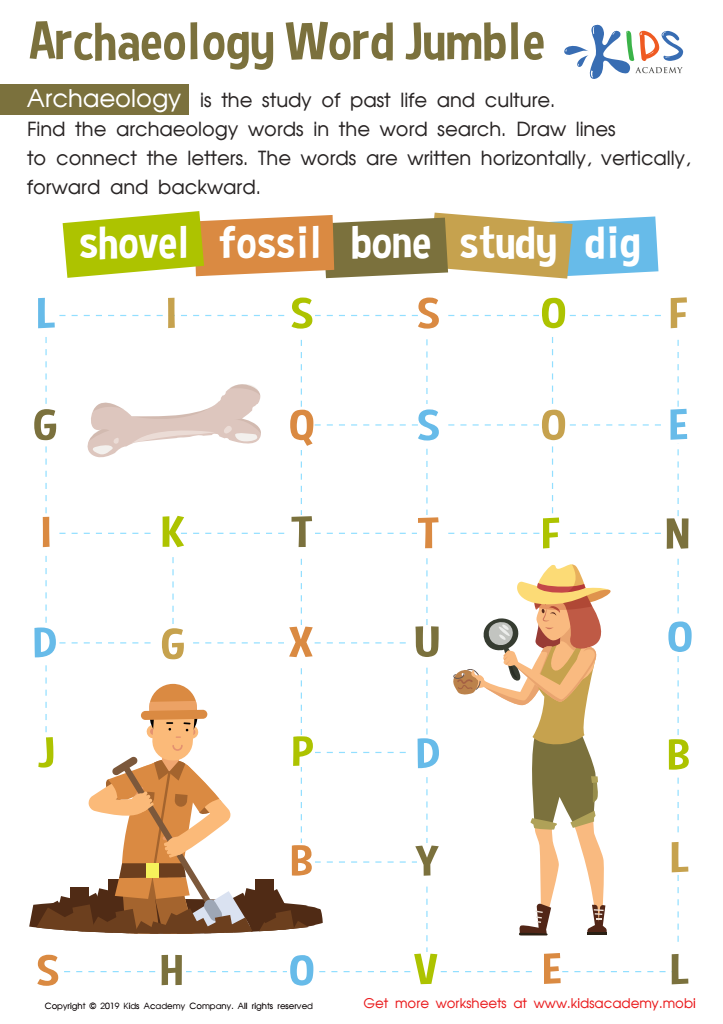
Archaeology Word Jumble Worksheet




Spelling improvement through engaging activities like Word Scramble is essential for fostering language development in children ages 3-9. Early literacy skills are foundational for a child’s academic success, and proper spelling plays a significant role in effective communication. Participating in playful spelling activities promotes recognition of letters, sounds, and word structures, which are critical components of learning to read and write.
Word Scramble exercises cultivate problem-solving and critical thinking skills as children unscramble words. This interactive approach to spelling helps maintain children's interest and encourages independent learning. It enhances motor skills through writing and letter manipulation, making the learning process enjoyable and effective.
For teachers and parents, incorporating Word Scramble into learning routines can act as a bridge between formal education and fun. It promotes collaborative learning experiences, whether at home or in the classroom, that nurture a child’s eagerness to learn. Moreover, by improving spelling skills early on, children build, confidence, enabling them to communicate their thoughts and ideas more clearly. In essence, Spelling improvement Word Scramble not only enhances language abilities but also supports overall cognitive development, critical thinking, and creativity in young learners, making it a vital educational tool for ensuring lifelong literacy.







