Learning about ecosystems Animals Worksheets for Ages 3-9
4 filtered results
-
From - To
Discover the fascinating world of ecosystems with our engaging "Learning about Ecosystems Animals Worksheets" designed for children ages 3-9. These fun and interactive worksheets introduce young learners to the diverse habitats and animals that inhabit our planet. Through colorful illustrations and age-appropriate activities, kids will explore various ecosystems, understanding how animals adapt to their environments. Ideal for classrooms or home learning, these resources foster curiosity and a deep appreciation for nature. Enhance your child’s knowledge of biology while developing essential skills in reading, writing, and critical thinking. Let the adventure of learning about ecosystems begin! Download your worksheets today!
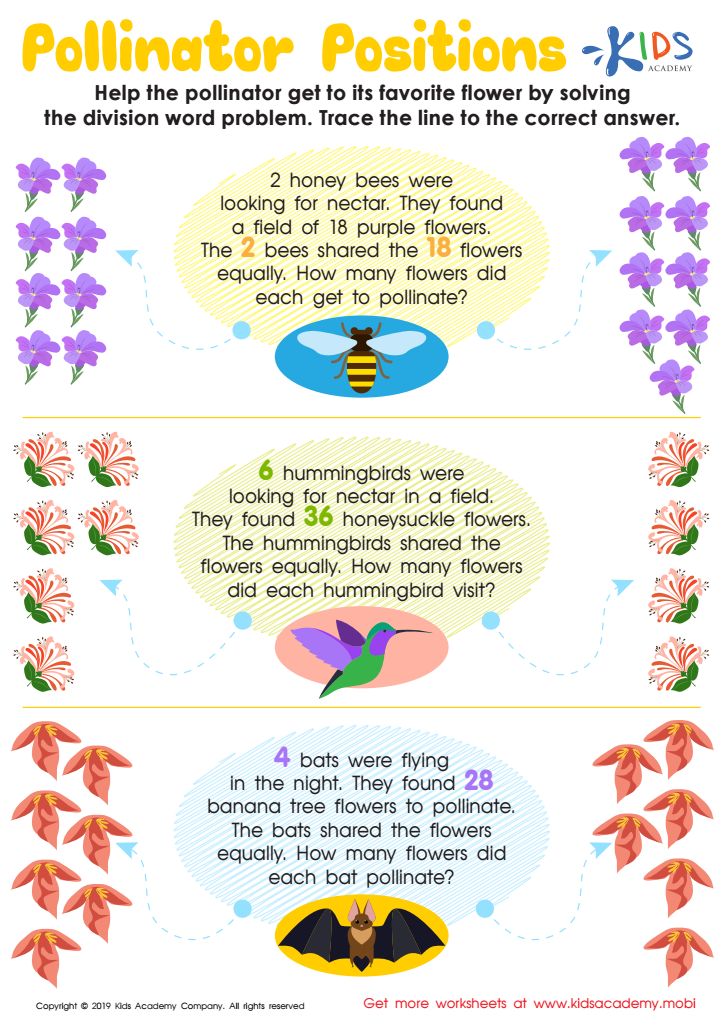
Pollinator Positions Worksheet
 Assign to My Students
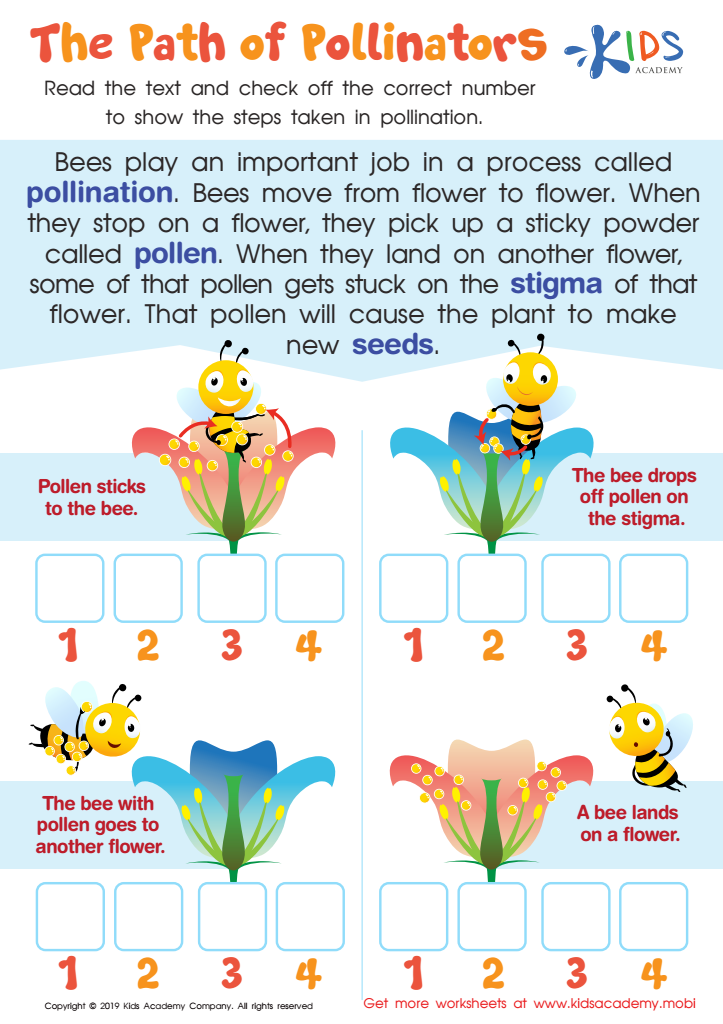
The Path of Pollinators Worksheet
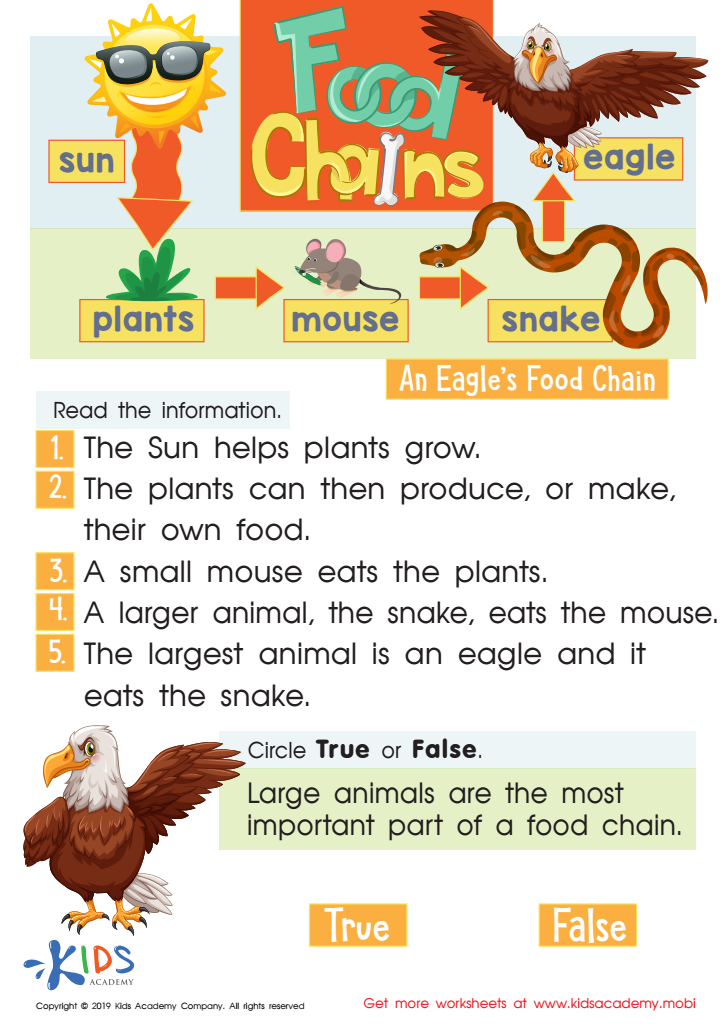
Food Chains Worksheet
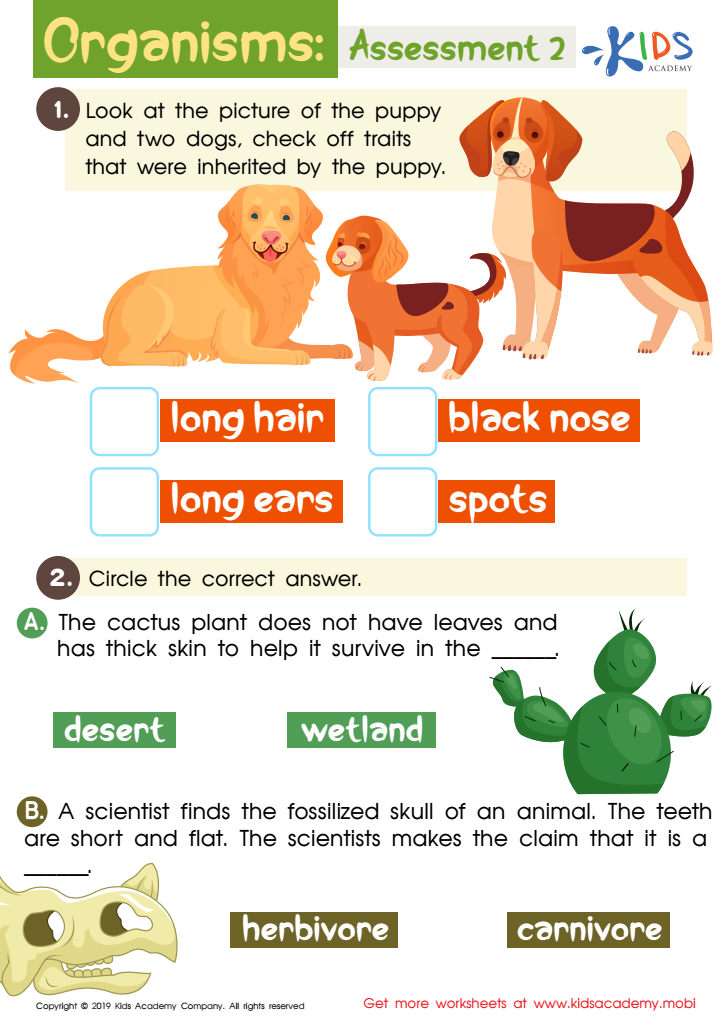
Organisms: Assessment 2 Worksheet







Understanding ecosystems and animals is crucial for children aged 3-9, as it lays the foundation for their environmental awareness and responsibility. At this age, children are naturally curious about the world around them. Teaching them about ecosystems helps nurture this curiosity and encourages exploration and observation. When children learn about the interdependence of organisms—how plants, animals, and humans interact within their environment—it fosters a love for nature and promotes critical thinking skills.
Moreover, early education on ecosystems cultivates empathy and compassion towards animals and the environment. Children who understand the role of each species within an ecosystem are more likely to appreciate biodiversity and grasp the consequences of human actions on wildlife and habitats. This awareness can inspire them to adopt sustainable practices and advocate for conservation efforts as they grow.
Additionally, learning about ecosystems aligns with various educational goals, enhancing skills in science, literacy, and geography. Parents and teachers play a crucial role in facilitating this understanding through engaging activities, stories, and hands-on experiences. Ultimately, instilling knowledge about ecosystems and animals in young children not only enriches their education but also equips them to become responsible stewards of our planet’s diversity and resources.