Decision making skills Community Worksheets for Ages 3-9
3 filtered results
-
From - To
Discover the perfect tool to nurture decision-making skills in children aged 3-9 with our engaging collection of community worksheets. These printable resources are designed to guide young learners through thoughtful and practical decision-making processes. Each worksheet features fun, educational activities that encourage kids to evaluate options, consider consequences, and make choices based on their communities. The age-appropriate tasks seamlessly integrate social studies, critical thinking, and problem-solving skills, providing a rich and interactive learning experience. Ideal for parents and educators, these worksheets ensure children develop vital life skills while exploring the world around them. Empower their growth today!
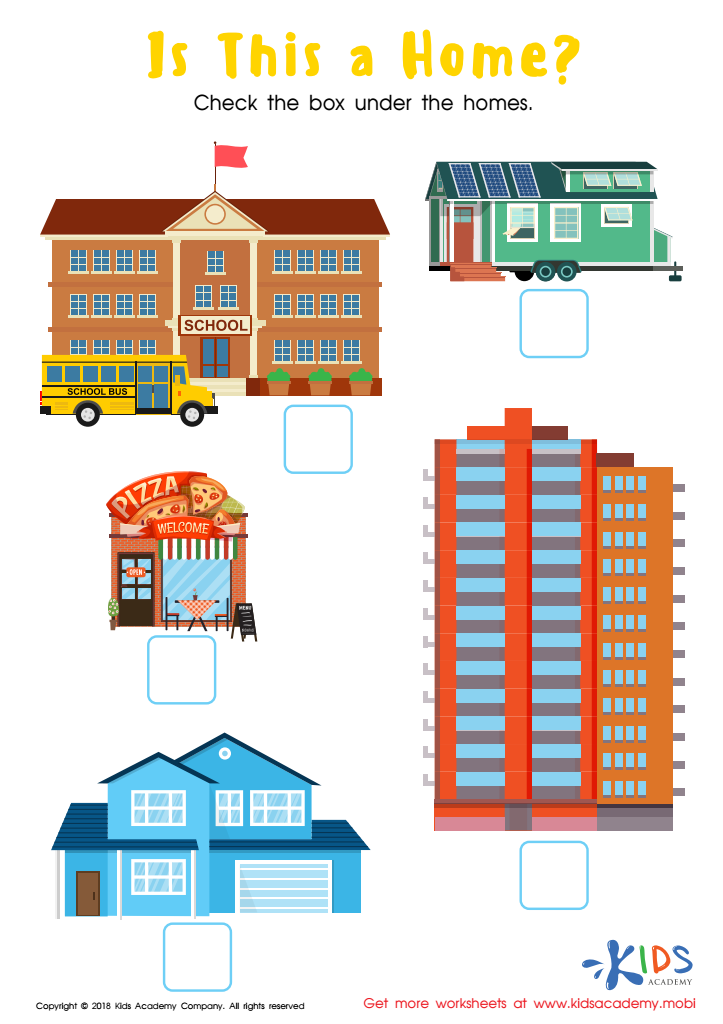
Is this a Home? Worksheet
 Assign to My Students
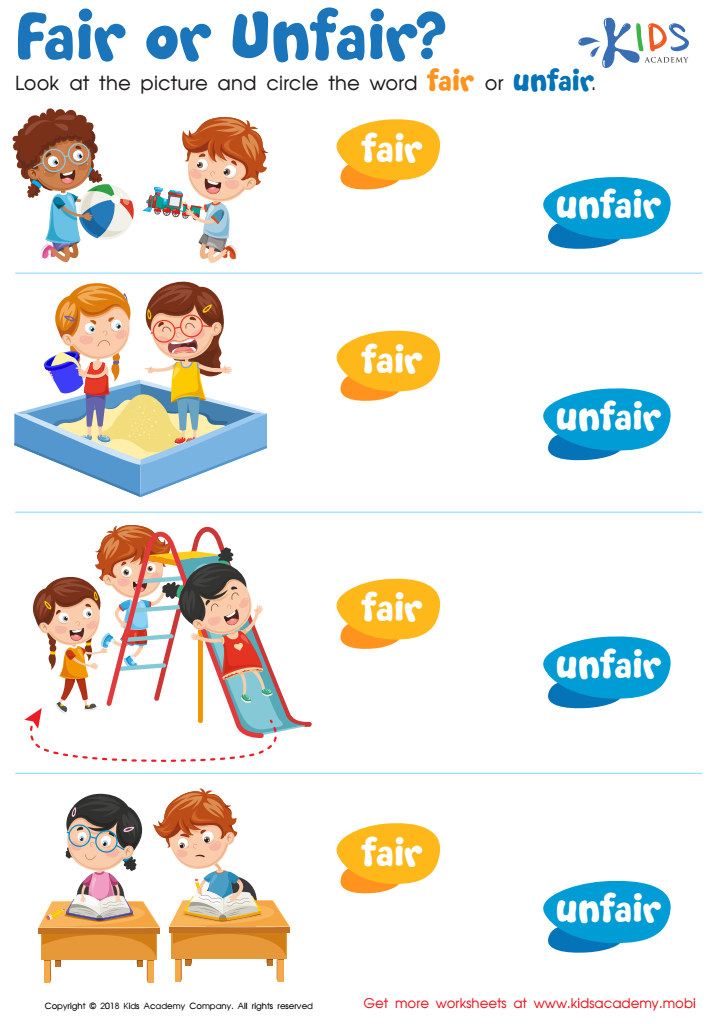
Fair or Unfair Worksheet

Towns Worksheet








Decision-making skills are crucial for children aged 3-9, as these formative years significantly influence cognitive and emotional development. Teachers and parents play pivotal roles in nurturing these skills, fostering a strong foundation for future success.
Firstly, early decision-making experiences build confidence. When children choose snacks, toys, or activities, they learn that their choices matter. This sense of agency boosts self-esteem, encouraging them to tackle bigger decisions as they grow.
Secondly, honing decision-making skills enhances critical thinking. When kids decide between options, they evaluate pros and cons, weigh consequences, and consider alternatives. These processes sharpen reasoning abilities, facilitating academic success and problem-solving prowess.
Additionally, good decision-making fosters responsibility and independence. Early practice in making choices and owning the outcomes teaches children accountability. They understand the connection between decisions and results, cultivating a sense of responsibility.
Furthermore, decision-making in early childhood supports social development. Decisions often involve interactions with peers, teaching kids to negotiate, compromise, and collaborate respectfully. These social skills are vital for forming healthy relationships and functioning well in communities.
Lastly, early decision-making skills lay the groundwork for better choices in adolescence and adulthood, reducing risks associated with poor decisions. Parents and teachers, therefore, should prioritize decision-making skill development, fortifying children’s abilities to thrive both academically and socially.