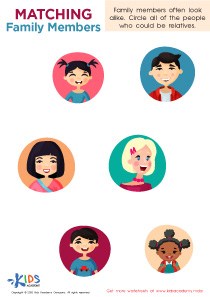
Word Recognition Governance and Civics Worksheets for Ages 3-9
3 filtered results
-
From - To
Discover Word Recognition Governance and Civics Worksheets for kids ages 3-9! Our engaging worksheets help young learners build literacy skills while exploring essential topics in governance and civics. Designed by education experts, each worksheet combines fun activities with vital knowledge to foster reading proficiency and civic understanding. Ideal for home or classroom use, these printables focus on word recognition, helping children connect vocabulary with civics concepts. Your kids will enjoy activities that advance reading development, enhance comprehension, and spark an interest in social studies. Empower your learners with foundational skills and awareness in a fun, interactive way!
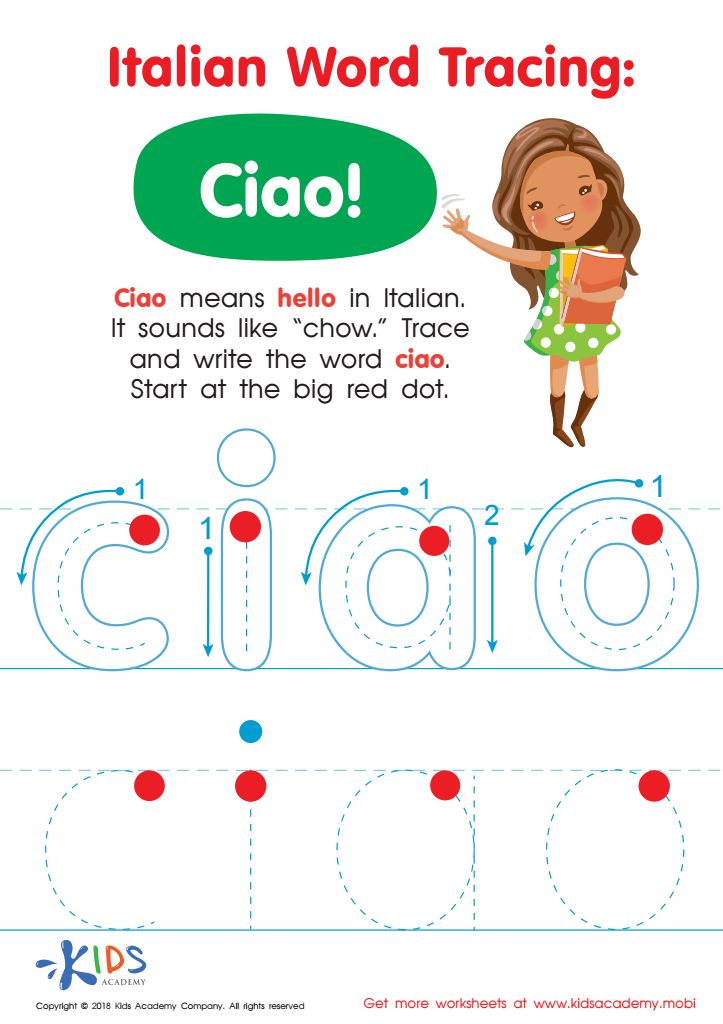
Italian Word Tracing: Ciao Worksheet
 Assign to My Students
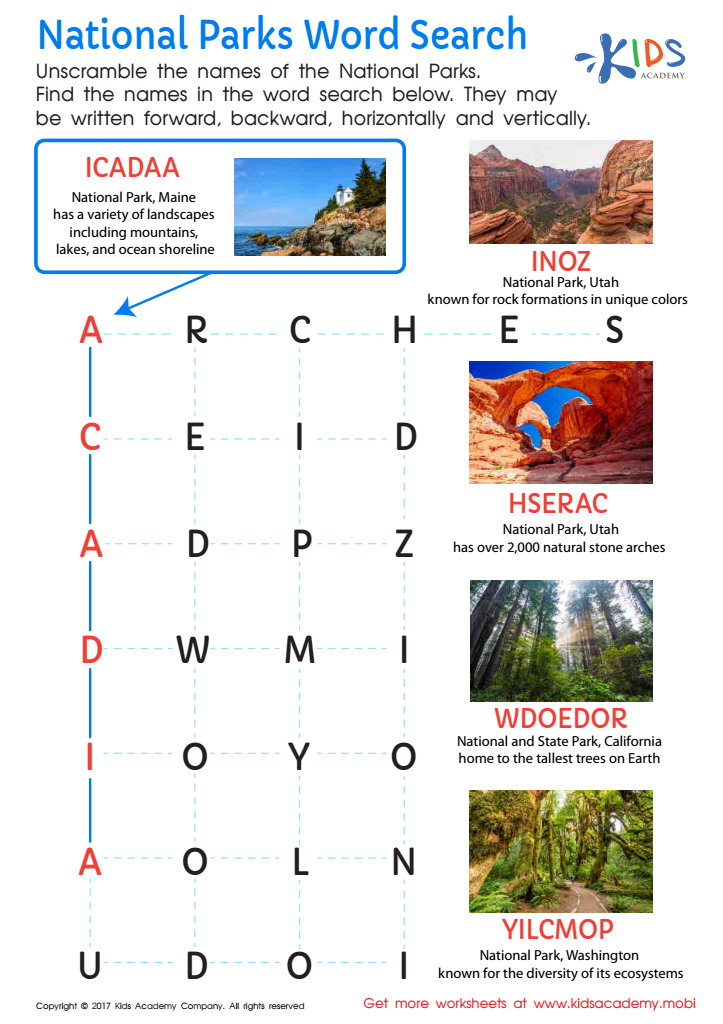
National Parks Word Search Worksheet
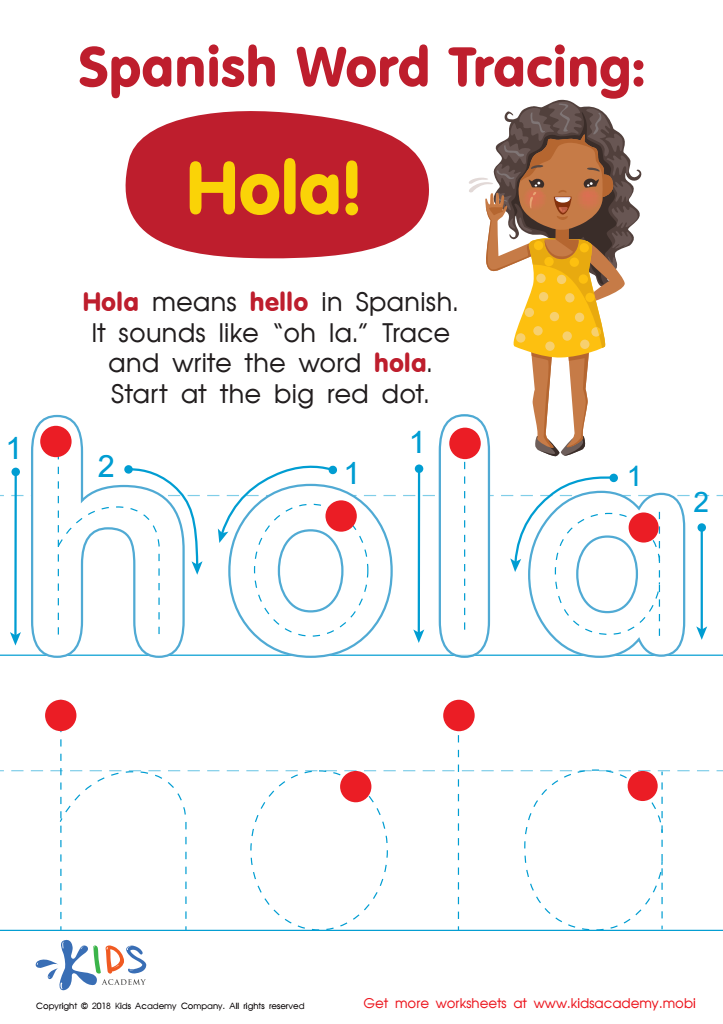
Spanish Word Tracing: Hola Worksheet


Parents and teachers should prioritize Word Recognition and Civics Education for young children because these foundational skills set the stage for lifelong learning and responsible citizenship. Early word recognition fosters literacy, a crucial skill for academic success. When children can recognize and understand words, they become more confident readers and communicators. This confidence not only enhances their ability to learn across all subjects but also ignites a love for reading, which is linked to better educational outcomes.
Introducing children to civics from a young age serves an equally important role. It helps them understand the basics of community, governance, and their own roles within these structures. Early civics education lays the groundwork for informed and engaged citizens. These lessons teach values such as respect, fairness, and responsibility. Understanding the concepts of rules and the reasons behind them helps children appreciate the importance of laws and governance.
By combining word recognition with civics education, parents and teachers can prepare children to navigate an increasingly complex world. They develop critical thinking and empathy, essential for problem-solving and collaboration. These early educational interventions ensure children will not only succeed academically but also grow into conscientious, active participants in their communities.