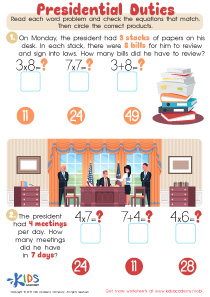
Vocabulary development History Worksheets for Ages 3-9
3 filtered results
-
From - To
Explore our engaging Vocabulary Development History Worksheets, designed specifically for children aged 3-9! These worksheets provide fun and interactive activities that help young learners build essential vocabulary skills while exploring history concepts. Each worksheet features colorful illustrations and age-appropriate content to make learning enjoyable and effective. Children will enhance their language abilities, spark curiosity about historical events and figures, and develop critical thinking skills. Ideal for teachers and parents, these resources are perfect for home or classroom use. Download our Vocabulary Development History Worksheets today to support your child's learning journey and inspire a love for history and language!
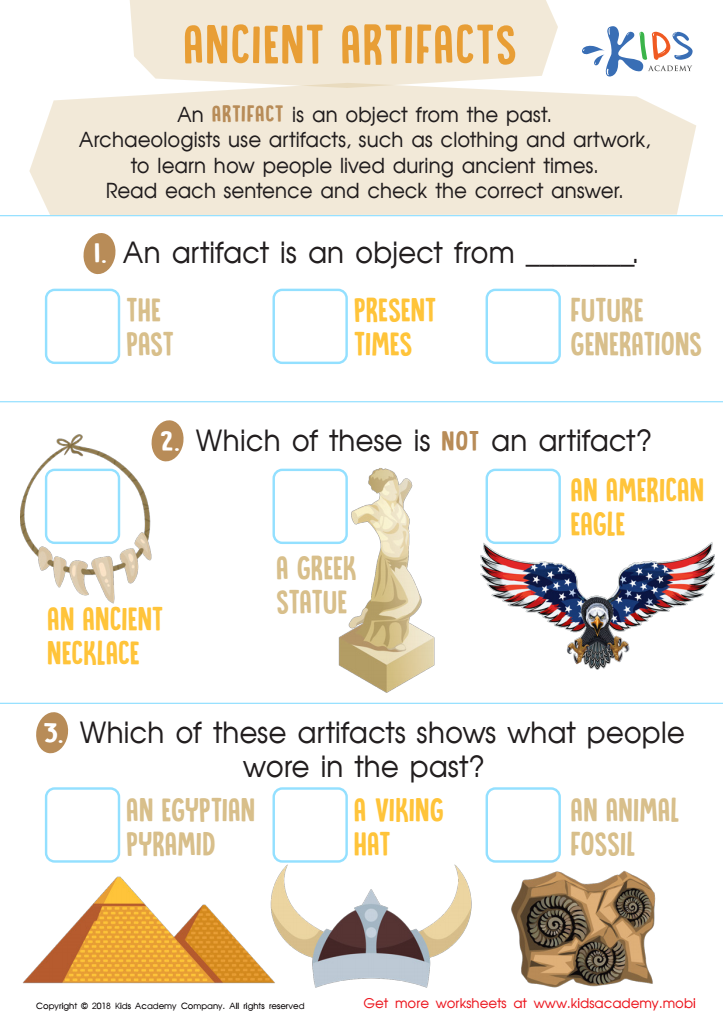
Ancient Artifacts Worksheet
 Assign to My Students
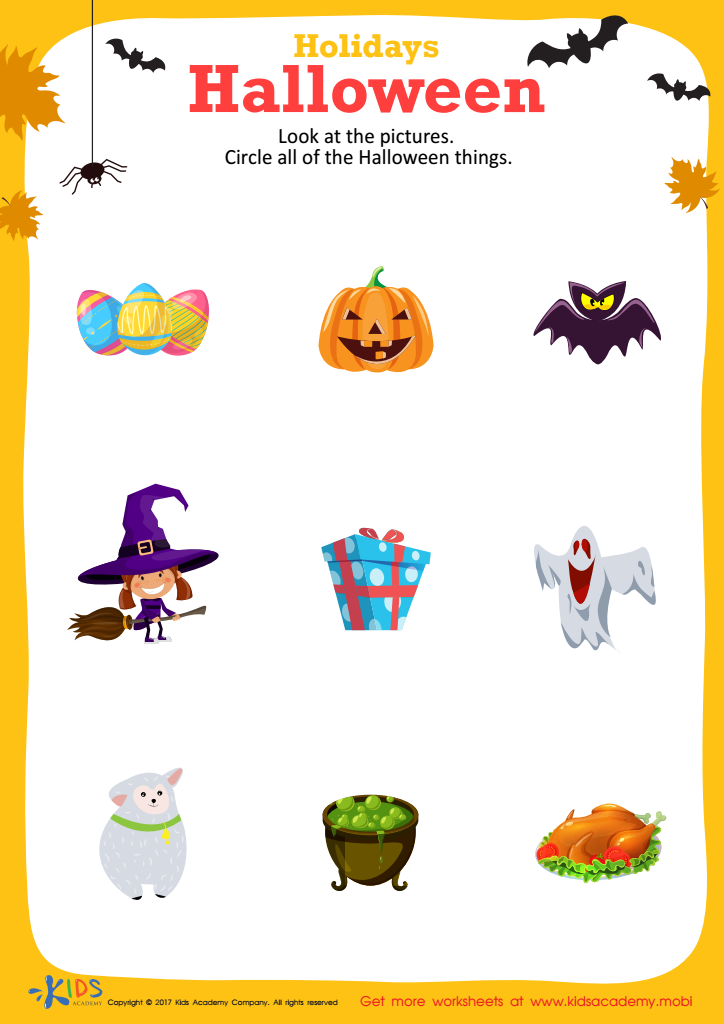
Halloween Holiday Worksheet
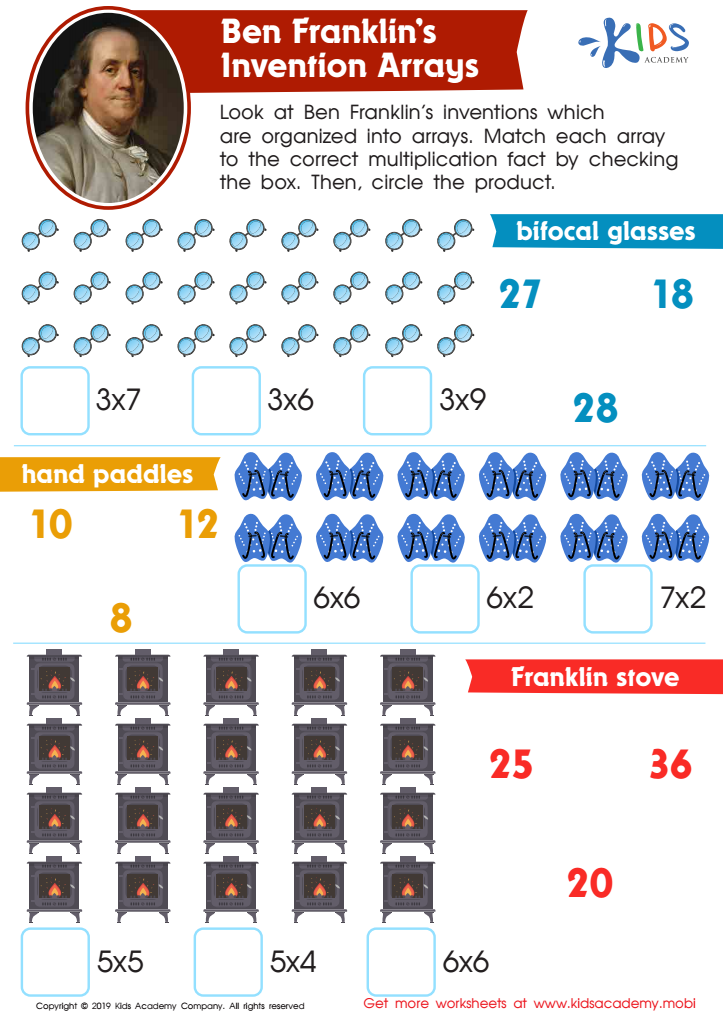
Ben Franklin’s Invention Arrays Worksheet








Vocabulary development is crucial for children aged 3-9 as it lays the foundation for their communication skills, literacy, and overall academic success. Early exposure to rich vocabulary through conversations, reading, and interactive play helps children express their thoughts and feelings, fostering confidence and social skills.
Understanding vocabulary development history can inform parents and teachers about the evolutionary changes in language acquisition, enabling them to adopt effective strategies tailored for different learning stages. In the early years, children learn predominantly through everyday interactions, making it vital for adults to engage in meaningful dialogues, ask open-ended questions, and introduce new words in context.
Additionally, research has shown that a robust vocabulary in early childhood correlates with better reading comprehension and critical thinking skills later on. Knowledge of vocabulary development history allows educators and parents to recognize milestones and adapt their approaches accordingly, ensuring they meet the needs of each child.
As advocates for early literacy, parents and teachers can create a rich linguistic environment through storytelling, rhyming games, and vocabulary-rich activities, setting children on a strong path to future learning. Ultimately, caring about vocabulary development means prioritizing children's communicative capacity and academic trajectory, fostering lifelong learning skills.