
Enhancing observation skills Social Studies Worksheets for Ages 3-9
4 filtered results
Difficulty Level
Grade
Age
-
From - To
Subject
Activity
Standards
Enhance your child's observation skills with our engaging Social Studies worksheets designed for ages 3-9. These interactive activities encourage young learners to explore their surroundings, analyze various social contexts, and appreciate diversity. Each worksheet promotes critical thinking and reinforces fundamental concepts related to community, culture, and geography. Fun and educational, our materials vary in complexity to cater to different learning levels, ensuring every child enjoys discovering the world around them. Perfect for home or classroom use, these worksheets foster curiosity and support the development of essential observational skills that set the foundation for lifelong learning. Get started today!
Favorites
With answer key
Interactive
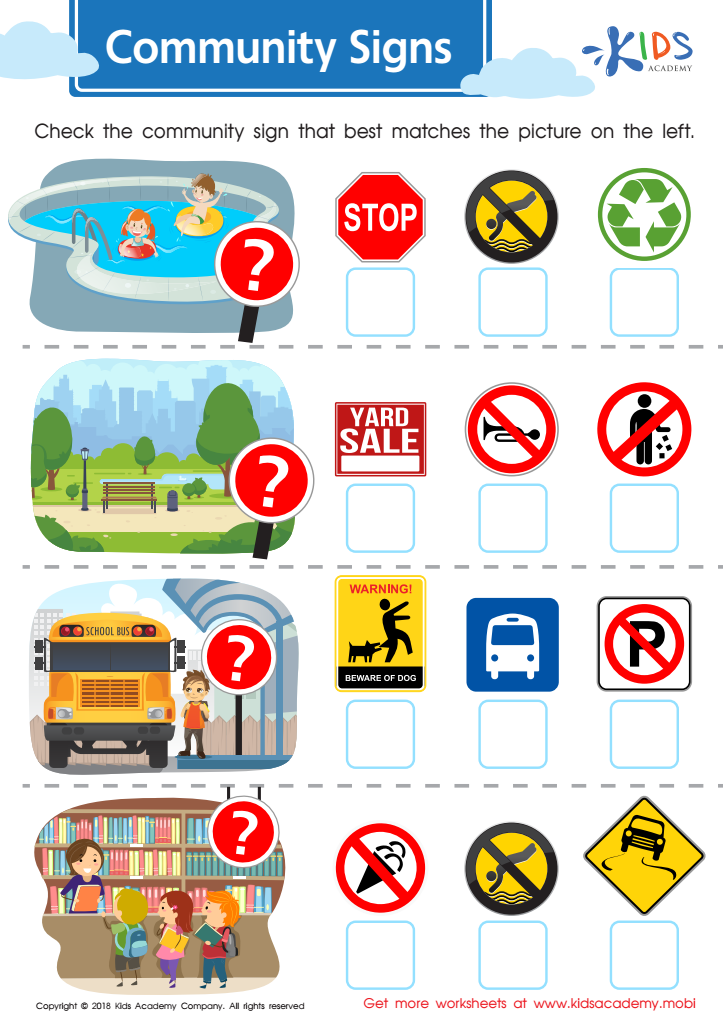
Community Signs Worksheet
To stay safe, our kids need to know community signs. Ask them to name signs at the pool, park, etc. Then, have them check the worksheet for the picture that matches the community signs.
 Assign to My Students
Community Signs Worksheet
Worksheet
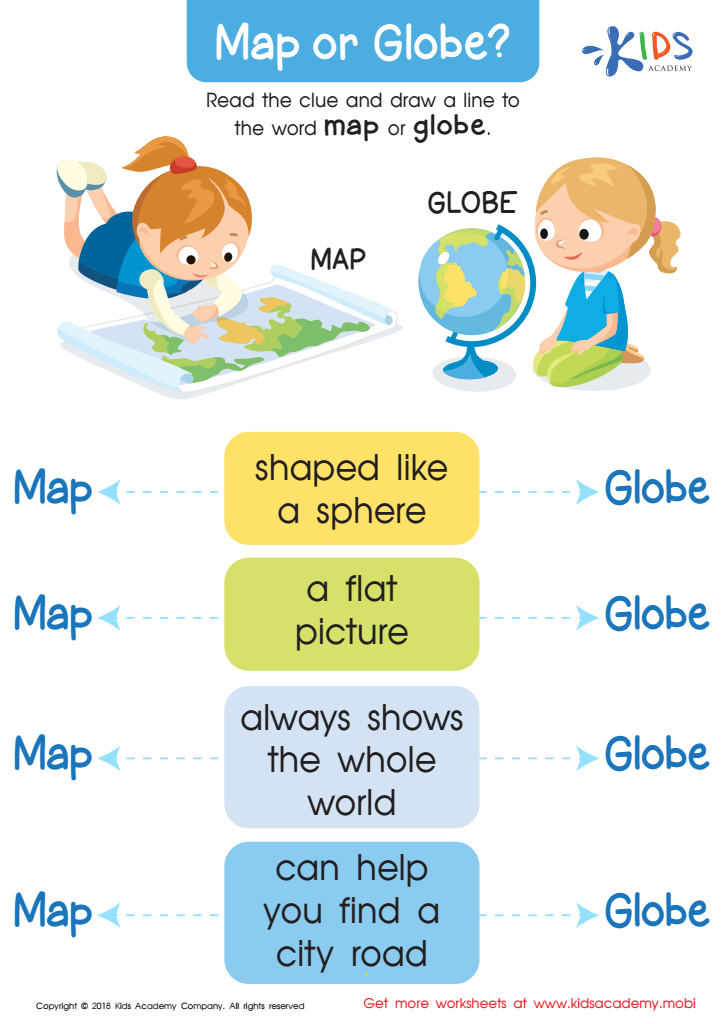
Map or Globe? Worksheet
Learning the difference between maps and globes can be difficult for young children. Get this free worksheet to help them! It offers word and picture clues for them to practice matching. They'll also get to use their fine motor skills as they trace the lines to find the answers.
Map or Globe? Worksheet
Worksheet
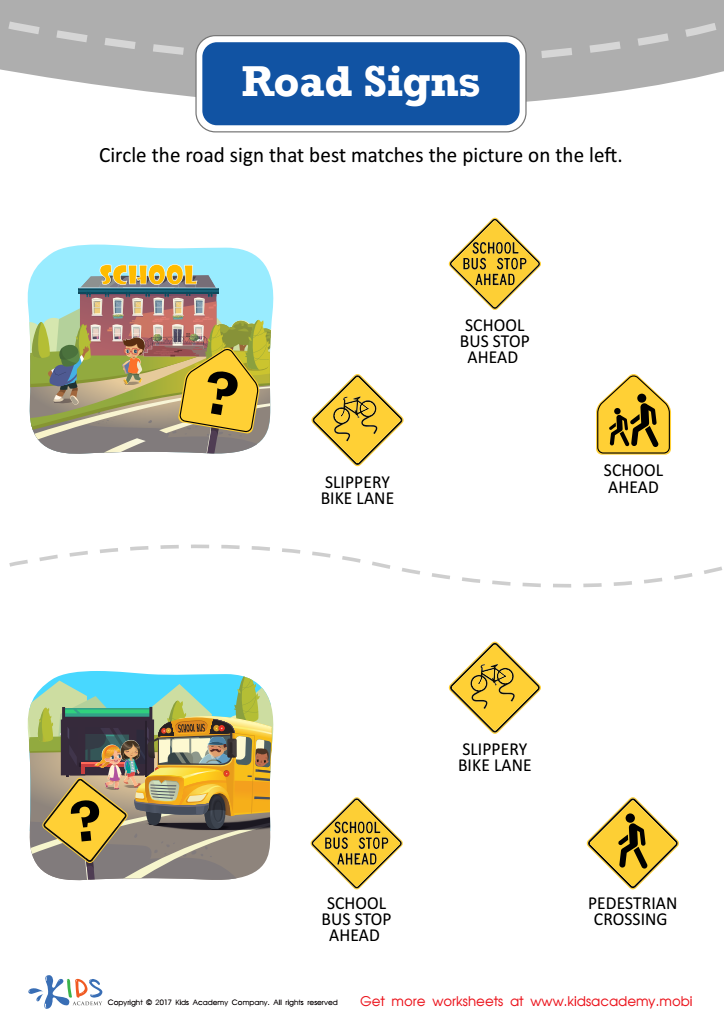
Road Signs (Part 1) Worksheet
Kids are exposed to danger near roads, so help them recognize traffic signs with this printable. It'll foster their reading comprehension and symbol recognition, while keeping them safe.
Road Signs (Part 1) Worksheet
Worksheet
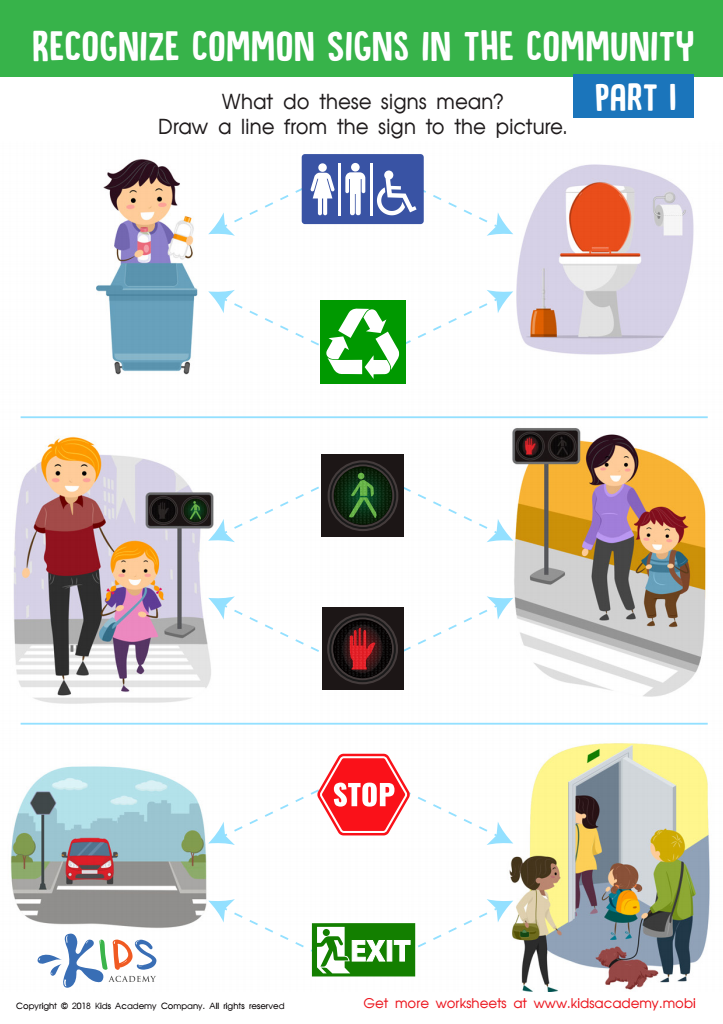
Recognize Common Signs: Part 1 Worksheet
Beginning readers can strengthen picture identification and decoding skills with a free downloadable worksheet. They use traceable lines to match activities in community signs to the correct pictures and build a bridge to reading. This helps familiarize them with their surroundings and starts them on their reading journey.
Recognize Common Signs: Part 1 Worksheet
Worksheet
Join Kids Academy for Free
Who is primarily going to use this learning content?



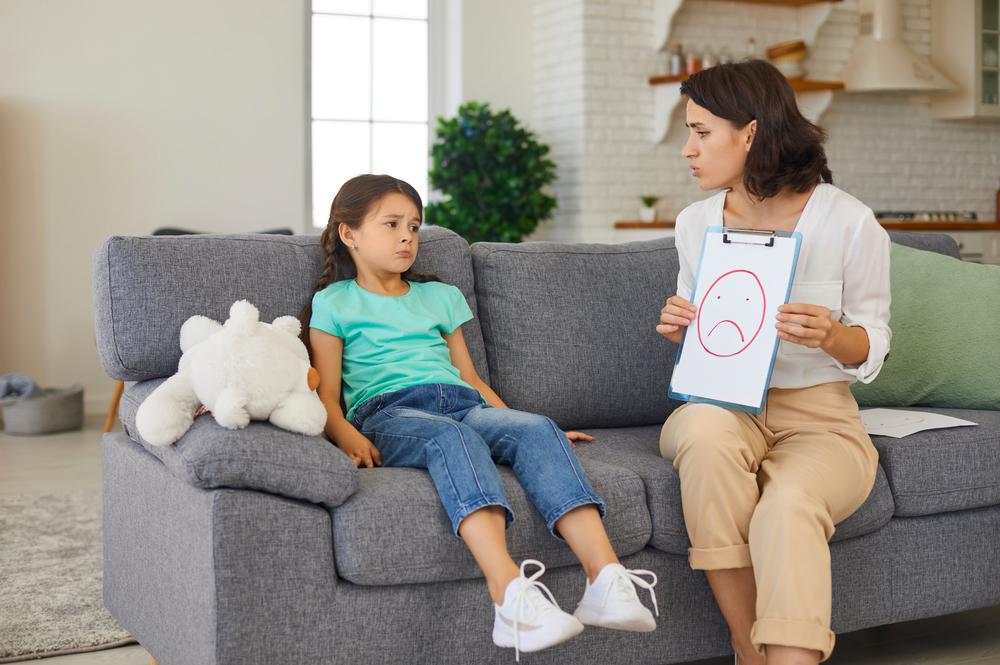




Enhancing observation skills in social studies for children ages 3-9 is crucial for their holistic development. Observation is the foundation of critical thinking and understanding of the world. By honing these skills, children learn to notice and interpret their surroundings – from community dynamics to cultural differences. This early foundation helps cultivate empathy as children learn to recognize and appreciate diverse perspectives.
Parents and teachers play a vital role in promoting these skills. Engaging children in activities like storytelling, field trips, or nature walks encourages them to observe their environment more closely. This not only sparks curiosity but also aids in building connections with larger social issues. Through guided observation, children can better understand pivotal themes in social studies, such as identity, community, and harmony.
Furthermore, enhanced observation skills lead to improved academic performance, as children become adept at gathering information and making informed decisions based on what they see and experience. By fostering these skills early on, adults can empower children to become observant, reflective learners who take an active interest in their roles within society. Investing in these skills not only enriches individual learning but strengthens the fabric of community interaction and understanding.








