Critical Thinking World Around Us Worksheets for Ages 3-9
6 filtered results
-
From - To
Dive into our "Critical Thinking World Around Us Worksheets for Ages 3-9" designed to engage young minds in discovering their environment through critical thinking activities. Our expertly crafted worksheets aim to nurture curiosity and enhance problem-solving skills in your child. By encouraging observation, analysis, and thoughtful questioning, these activities provide a strong foundation for effective learning early on. Suitable for children aged 3 to 9, our engaging resources help them connect with the world around them while developing essential cognitive skills. Inspire your child to think critically and explore with enthusiasm through our appealing and educational worksheets.
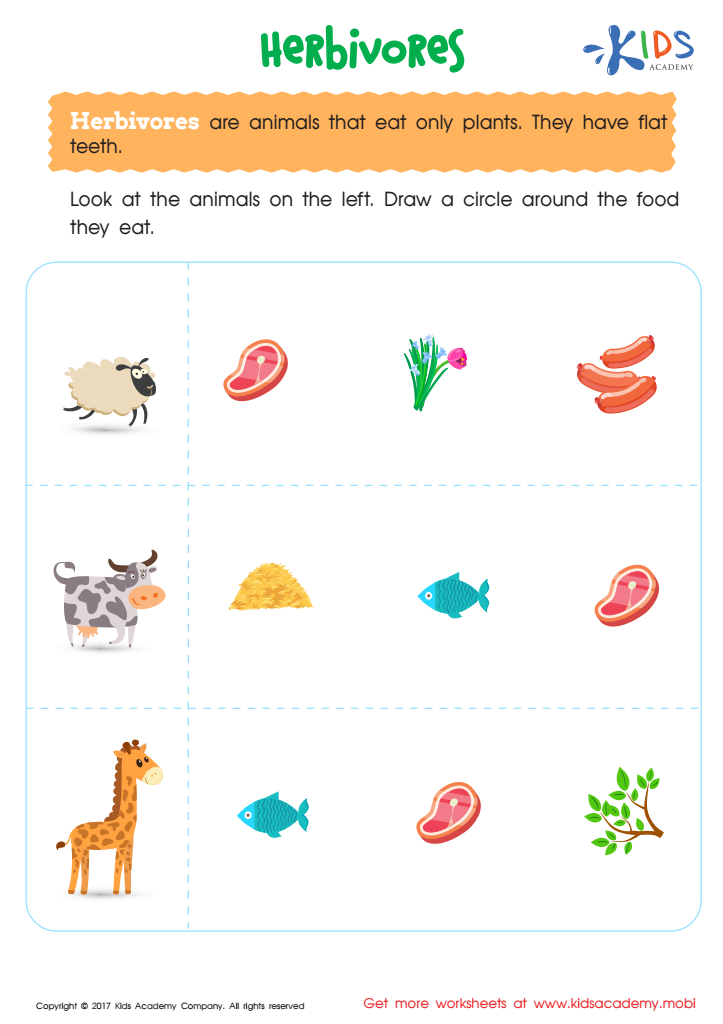
Herbivores Printable
 Assign to My Students
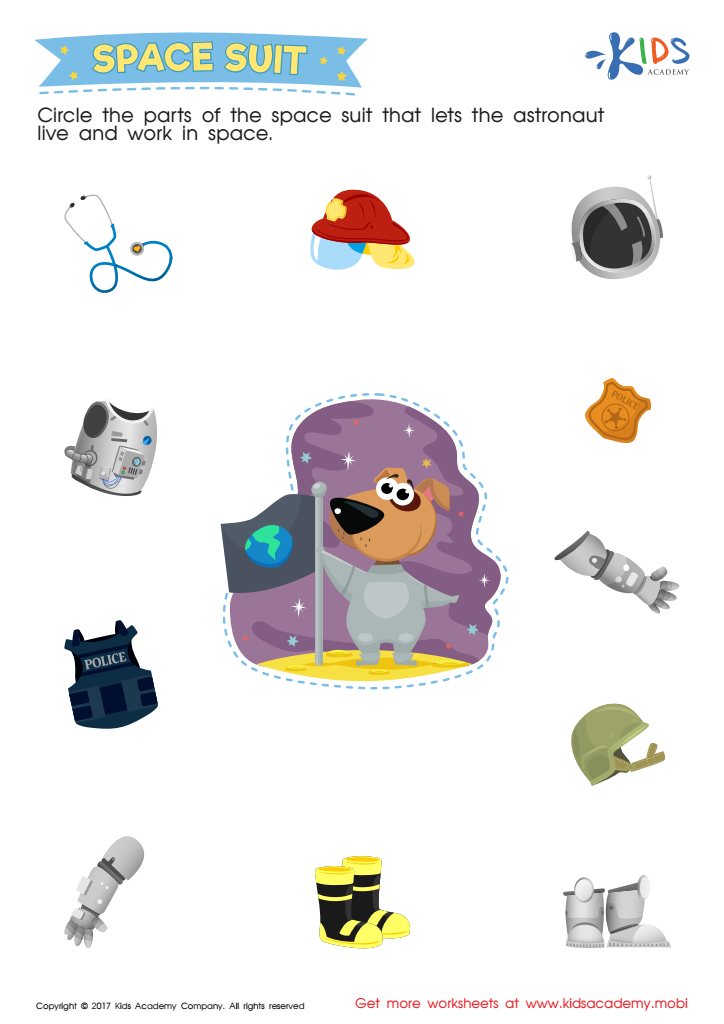
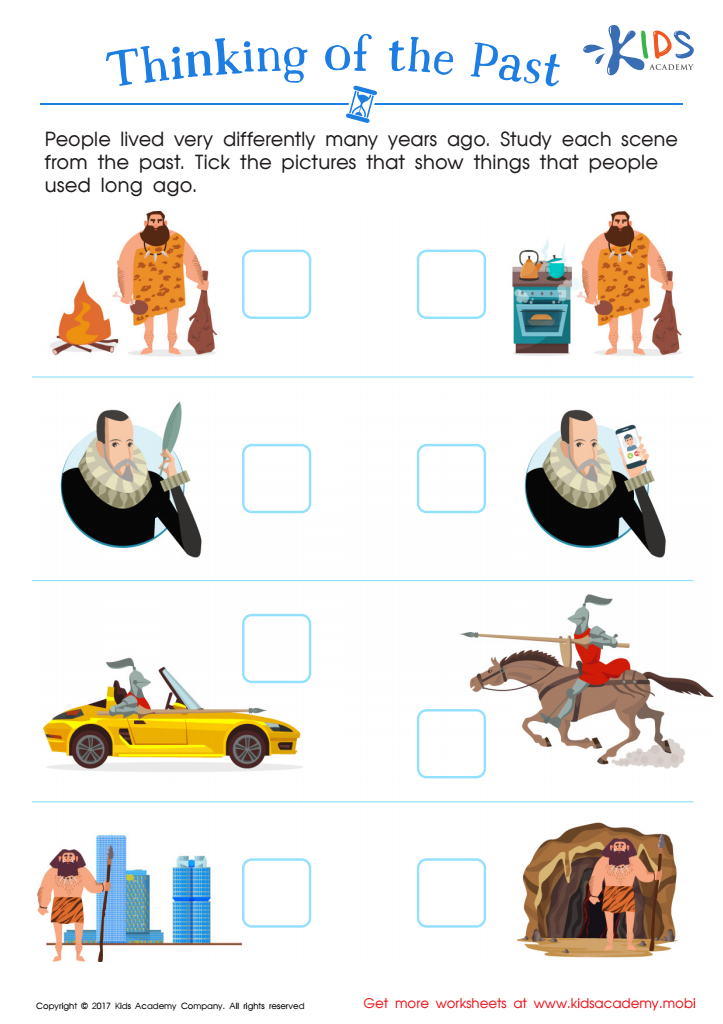
Thinking Past Printable

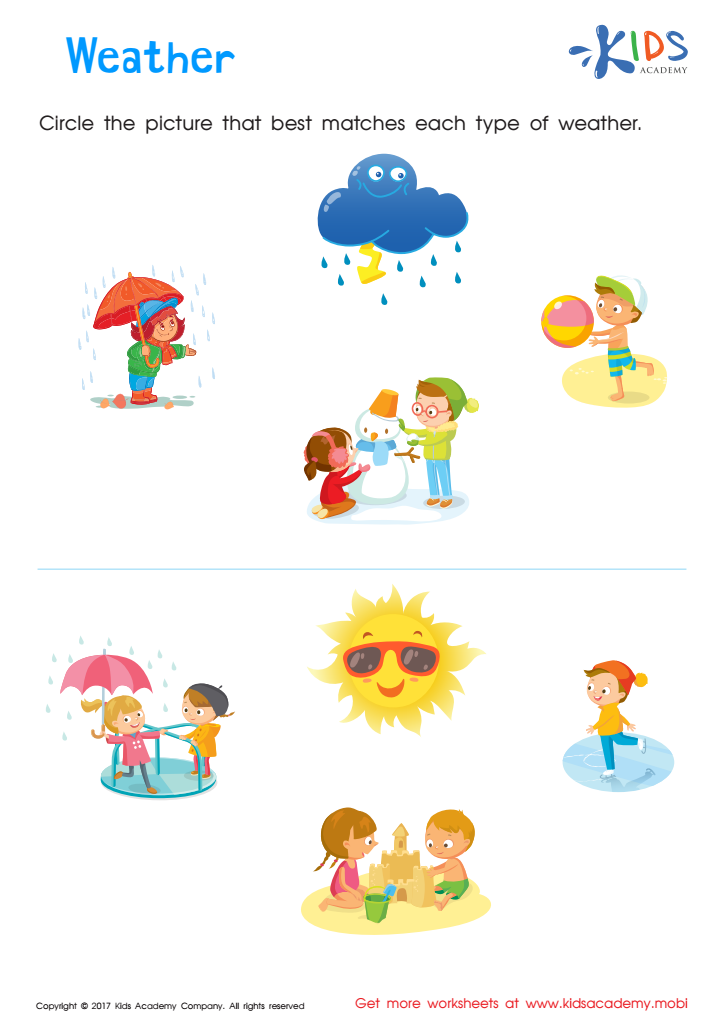
The Four Seasons Worksheet
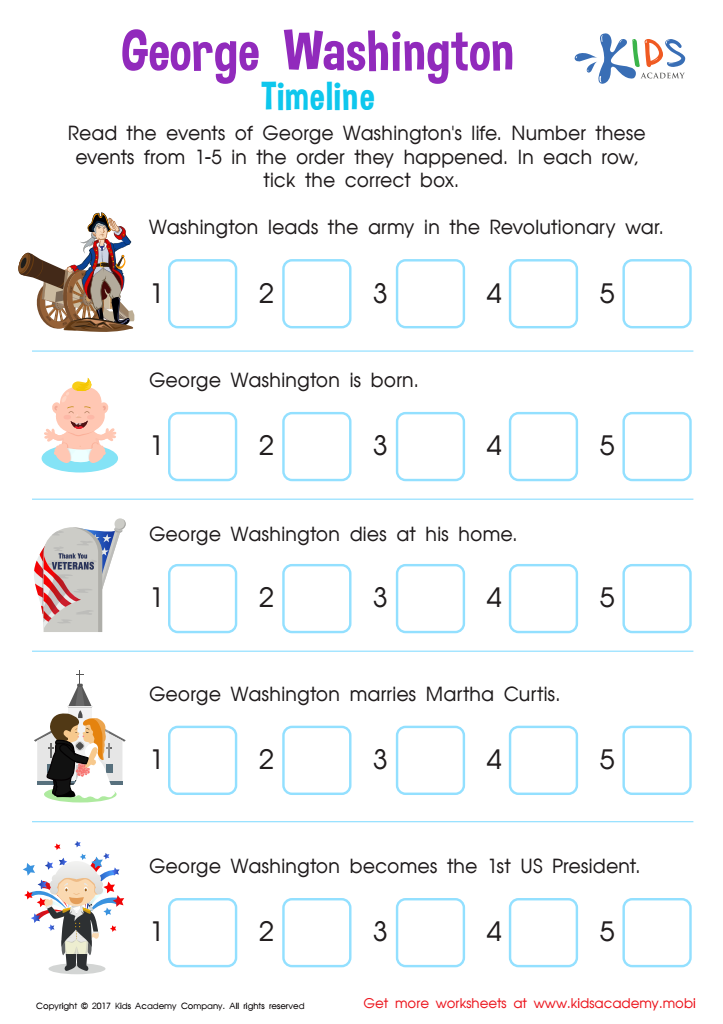
George Washington Timeline Worksheet



.jpg)




Critical thinking is an essential skill for young children that enables them to understand and engage with the world around them effectively. Parents and teachers should prioritize fostering this skill in children aged 3-9 for several reasons.
Firstly, critical thinking encourages curiosity and inquisitiveness. When children question their surroundings, they become more active learners, better prepared to explore new concepts and ideas. This foundational inquisitiveness nurtures a lifelong love for learning, crucial for academic success and personal growth.
Secondly, developing critical thinking skills at an early age helps enhance problem-solving abilities. Children learn to analyze situations, consider multiple perspectives, and arrive at logical conclusions. This analytical ability not only applies to academic challenges but also to everyday situations, helping them navigate social interactions and make informed decisions.
Thirdly, critical thinking supports creativity. By challenging conventional thinking and encouraging exploration, children learn to think outside the box, fostering innovation and artistic expression.
Moreover, in our information-rich world, critical thinking equips children with the ability to discern between credible information and false claims. This discerning mind is vital as they grow up in a digital age where misinformation is prevalent.
Investing in critical thinking for children aged 3-9 establishes foundational skills that contribute to their overall cognitive development, emotional intelligence, and future academic and life success.