
Noun identification Grammar Worksheets for Ages 3-9
9 filtered results
Difficulty Level
Grade
Age
-
From - To
Subject
Activity
Standards
Enhance your child's grammar skills with our Noun Identification Grammar Worksheets designed specifically for ages 3-9. These engaging, easy-to-follow worksheets make learning fun and effective, helping young learners master the essential concept of nouns. From simple word recognition for toddlers to more complex noun identification exercises for older children, our worksheets are tailored to suit various learning stages. Perfect for parents, teachers, and homeschoolers, these printables aid in developing foundational language skills, reading comprehension, and writing proficiency. Unlock your child’s potential and boost their confidence with our comprehensive noun identification resources!
Favorites
With answer key
Interactive
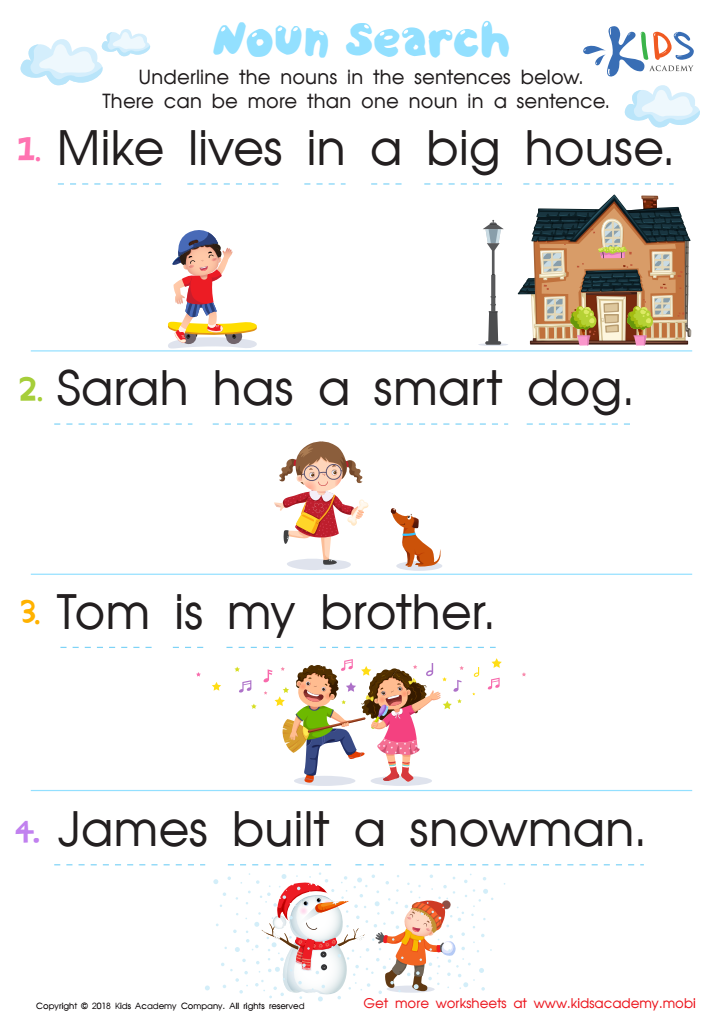
Noun Search Worksheet
To help your children learn the basics of grammar, start with nouns, verbs, adverbs and adjectives. This noun search worksheet will help your child understand the most common part of speech - the noun. Ask them to underline the nouns in each sentence. This is a great way to start learning proper grammar.
Noun Search Worksheet
Worksheet
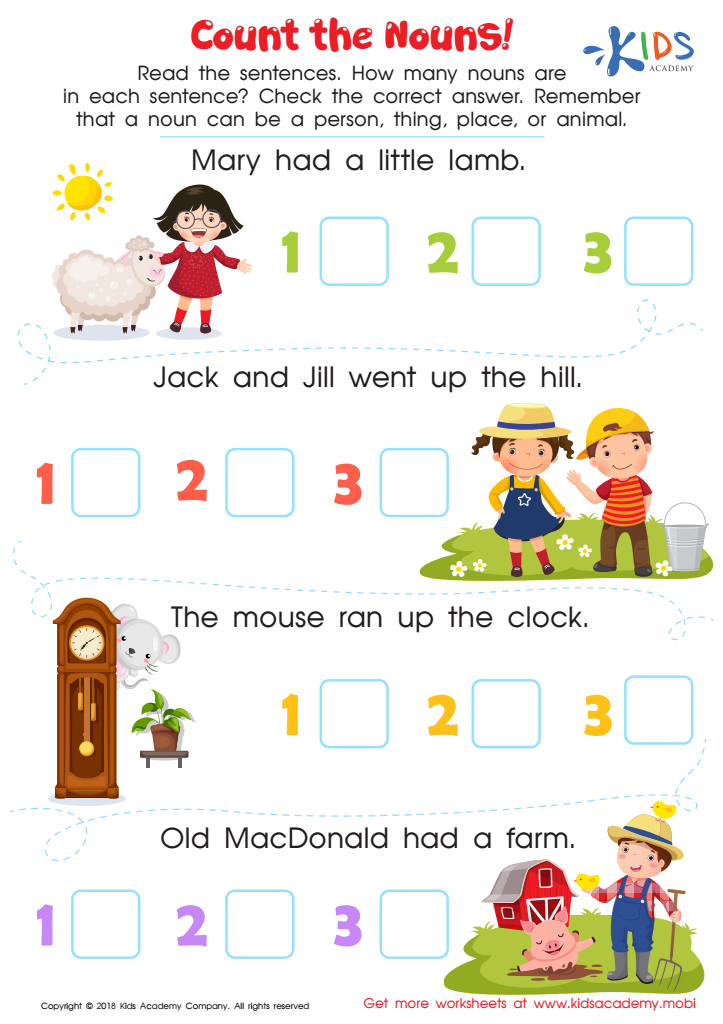
Count the Nouns Worksheet
Read the sentences with your children and ask them to find the nouns. Explain that nouns are names of people, animals, places or things. Point out the boxes with the answers to check.
Count the Nouns Worksheet
Worksheet
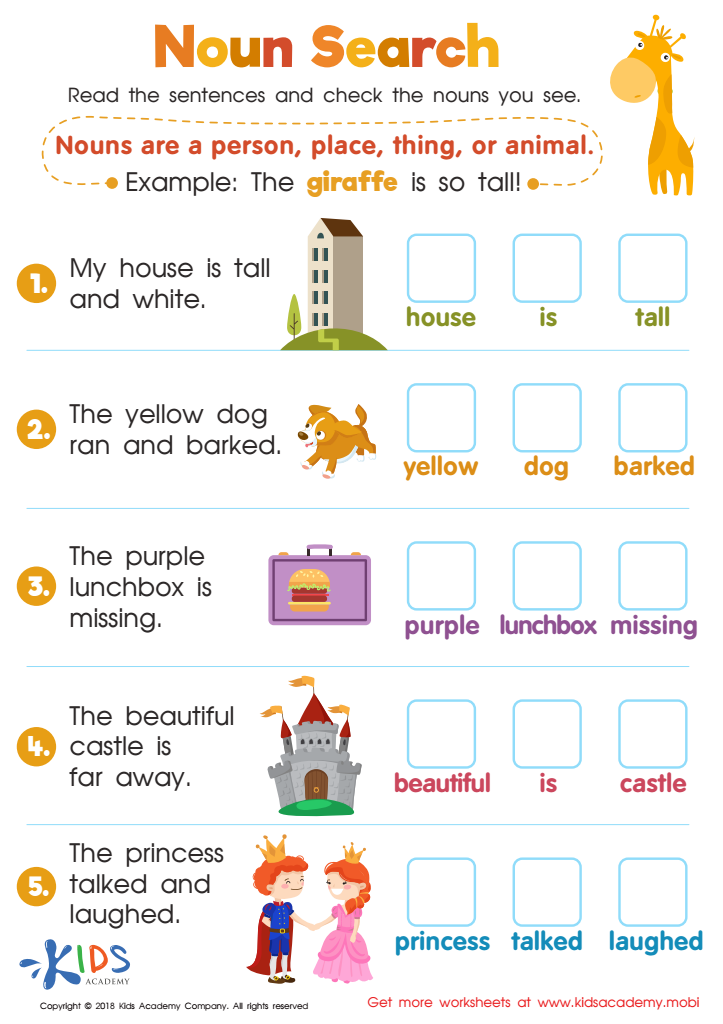
Noun Search Worksheet
Ask your kids what a noun is. If needed, remind them a noun is a name for a person, animal, place or thing. Give examples like 'dog', 'Sara', 'USA' and 'book'. Ask for more examples, then read the sentences in this worksheet and ask kids to check for nouns.
Noun Search Worksheet
Worksheet
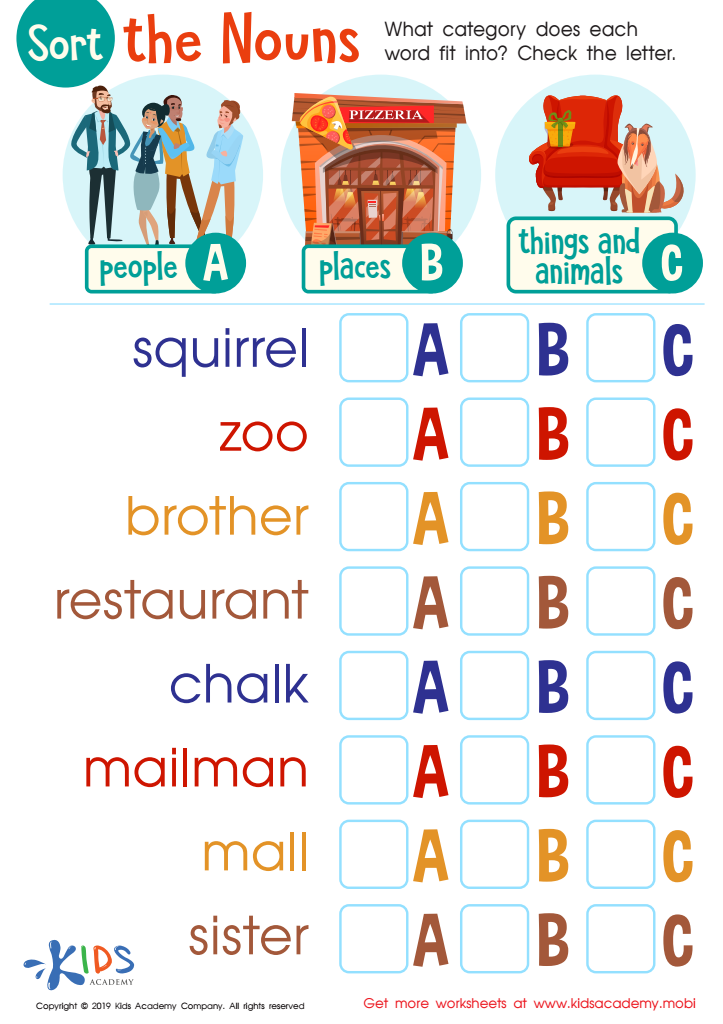
Sort the Nouns Worksheet
Nouns are words for people, places, things, and ideas. This worksheet helps kids focus on three categories: people, places, and things (including animals). All the words are nouns; the task is to match them to the correct category. Circle the answer for each!
Sort the Nouns Worksheet
Worksheet
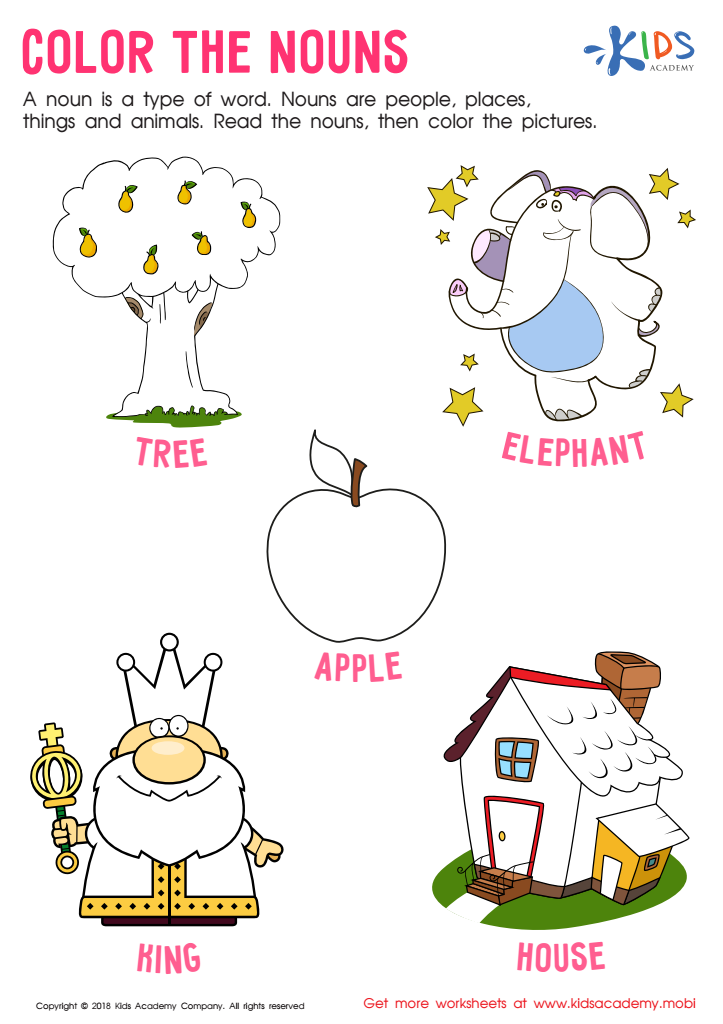
Color the Nouns Worksheet
Test your child's understanding of nouns with this downloadable worksheet. Explain that nouns are words for people, places, animals and things. With the coloring sheet, read each word and color the corresponding picture. By the end of it, your child should be able to recognize common nouns.
Download (PDF)
 Assign to My Students
Assign to My Students
Color the Nouns Worksheet
Worksheet
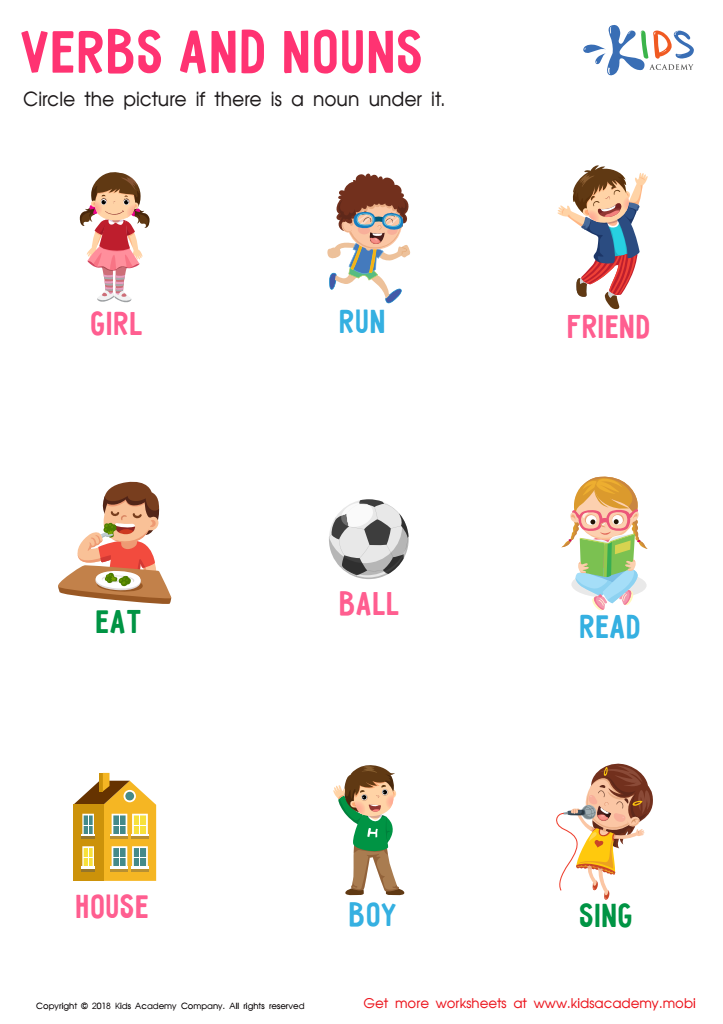
Verbs and Nouns Worksheet
Your child should have basic knowledge of verbs and nouns before starting this worksheet. Go through it with them and ask them to circle the pictures with nouns under them. This way, they'll become more familiar with parts of speech.
Verbs and Nouns Worksheet
Worksheet
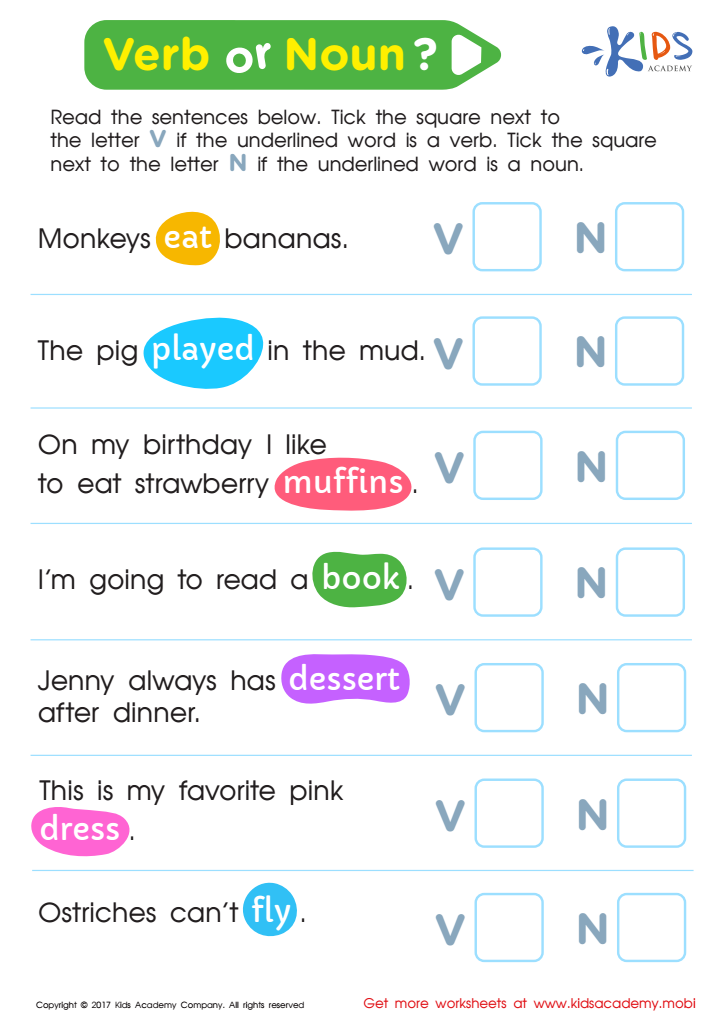
Verb or Noun Worksheet
This worksheet will help your child identify verbs and nouns quickly. With colorful highlights and simple sentences, they'll master parts of speech in no time! Get ahead of the game with this incredible worksheet.
Verb or Noun Worksheet
Worksheet
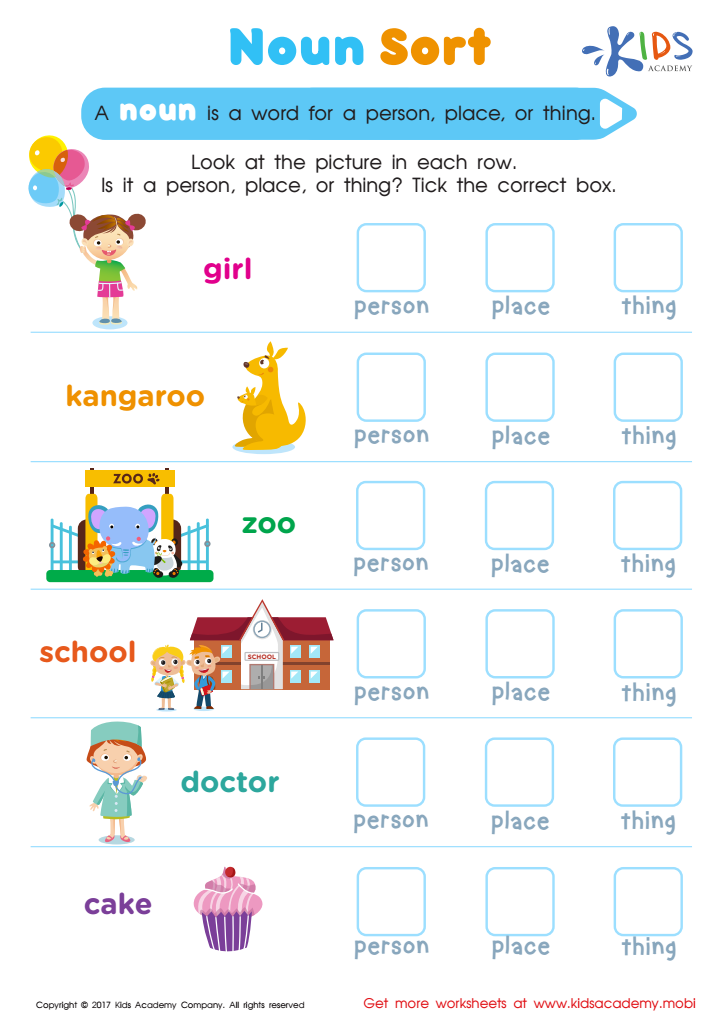
Noun Sort Printable
This printable worksheet helps kids sort nouns into person, place, or thing categories. Perfect for learning the basics of grammar!
This printable worksheet helps kids learn parts of speech by sorting nouns into person, place, or thing categories using familiar images. Perfect for mastering basic grammar!
Noun Sort Printable
Worksheet
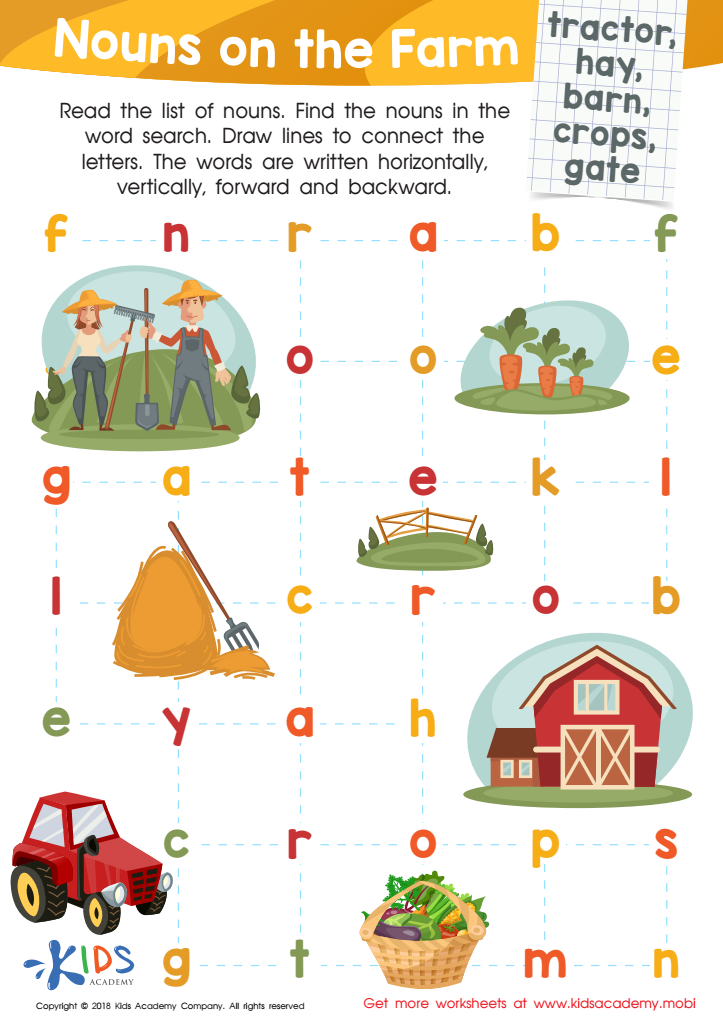
Nouns on the Farm Worksheet
Help your child learn nouns with this worksheet: Read the list to them and have them find the nouns in the word search. Draw lines to connect the letters, and explain the words can be found horizontally, vertically, forward, and backward.
Nouns on the Farm Worksheet
Worksheet
Join Kids Academy for Free
Who is primarily going to use this learning content?


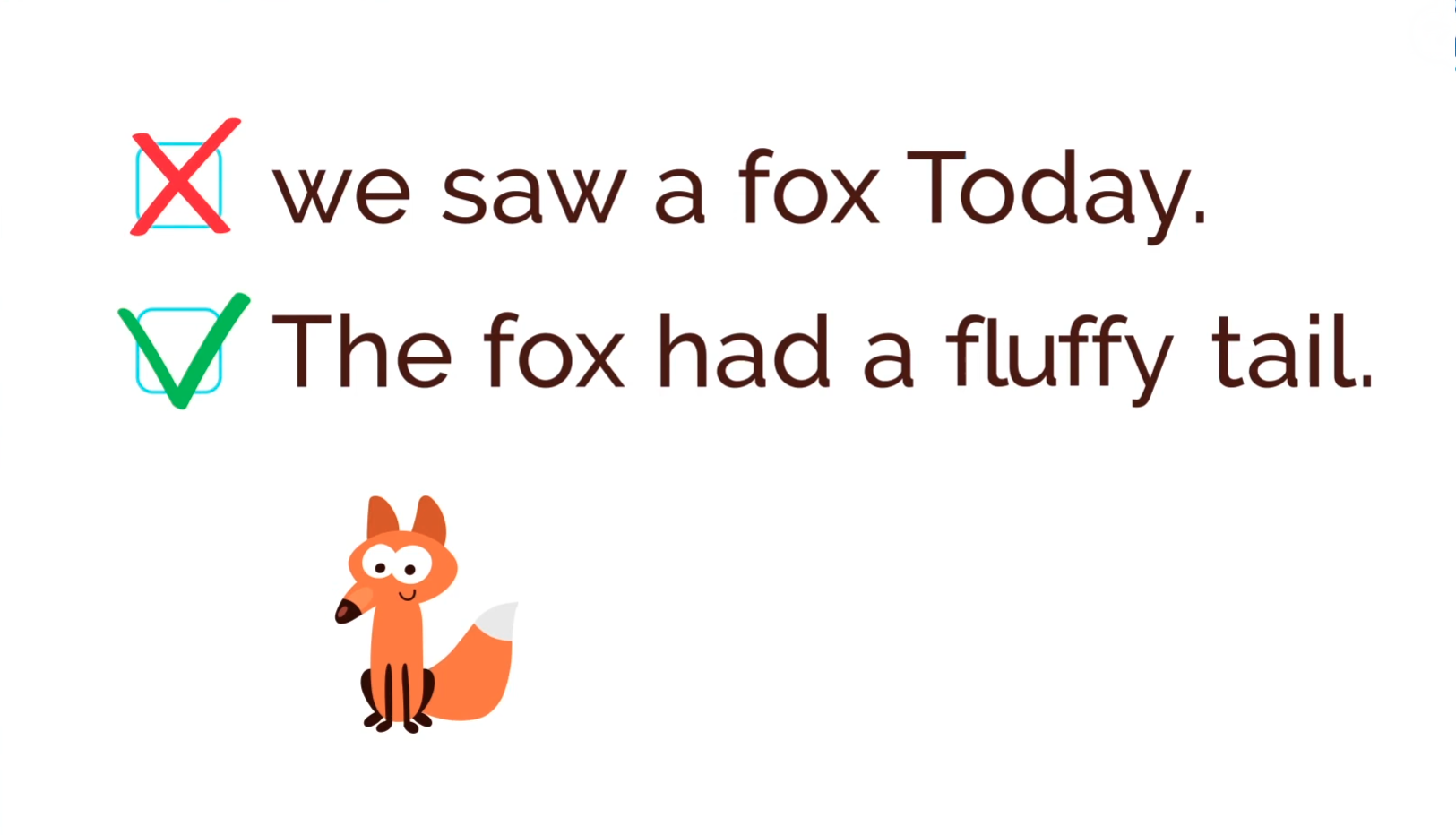



Understanding noun identification is fundamental for young children’s language development, and parents or teachers should prioritize it for several key reasons. Firstly, nouns are elementary building blocks of sentences. By learning to identify nouns, children can better understand sentence structures, making it easier for them to construct coherent and meaningful sentences.
Secondly, grasping nouns boosts vocabulary acquisition. As children recognize and categorize objects, people, places, and ideas, they expand their lexicon, enhancing their communication skills. A richer vocabulary allows children to express themselves more clearly and effectively, fostering both social interactions and self-confidence.
Thirdly, identifying nouns supports reading comprehension. When children can recognize and understand the nouns in a story or text, they can grasp the main ideas and details more thoroughly. This comprehension is crucial for academic success across various subjects, as it lays the groundwork for reading proficiency.
Lastly, early mastery of nouns and other grammatical components sets a solid foundation for learning additional grammar rules. The clearer the understanding of basic grammar at an early age, the smoother the transition to more complex language concepts will be. Consequently, nurturing noun identification helps children become proficient readers, writers, and communicators, equipping them with essential skills for lifelong learning.








