Spelling practice Grammar Worksheets for Ages 3-9
44 filtered results
-
From - To
Welcome to our Spelling Practice Grammar Worksheets page, perfect for children ages 3-9! Here, you'll find engaging and educational worksheets designed to enhance your child's spelling skills through fun and interactive activities. Our resources focus on phonetics, common words, and practicing spelling in context, making learning enjoyable. Ideal for parents and teachers alike, these worksheets support early literacy development, encourage writing skills, and promote confidence in language use. Download our printable worksheets today and turn learning into an exciting adventure for your little ones! Start cultivating a love for spelling and grammar with our thoughtfully crafted materials!
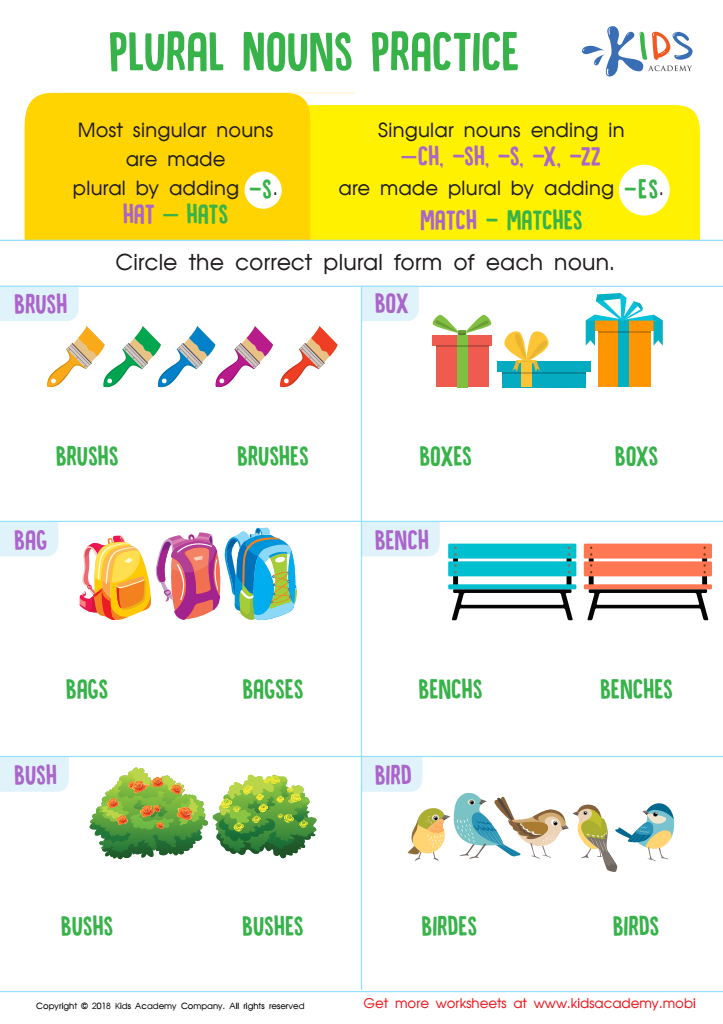
Plural Nouns Practice Worksheet
 Assign to My Students
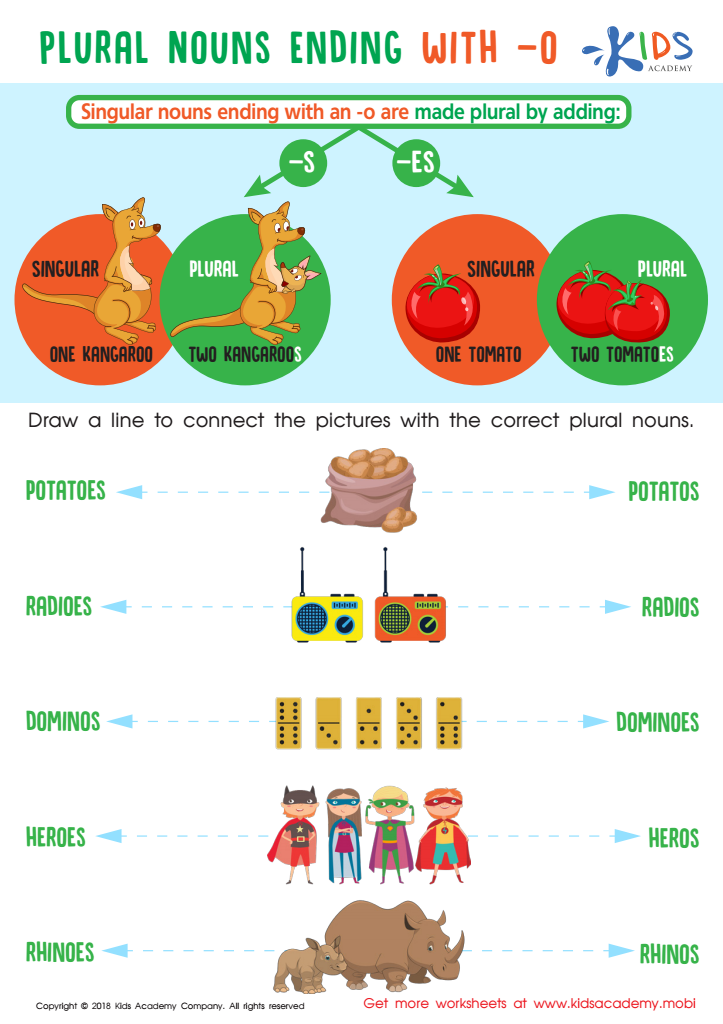
Plural Nouns Ending with -o Worksheet
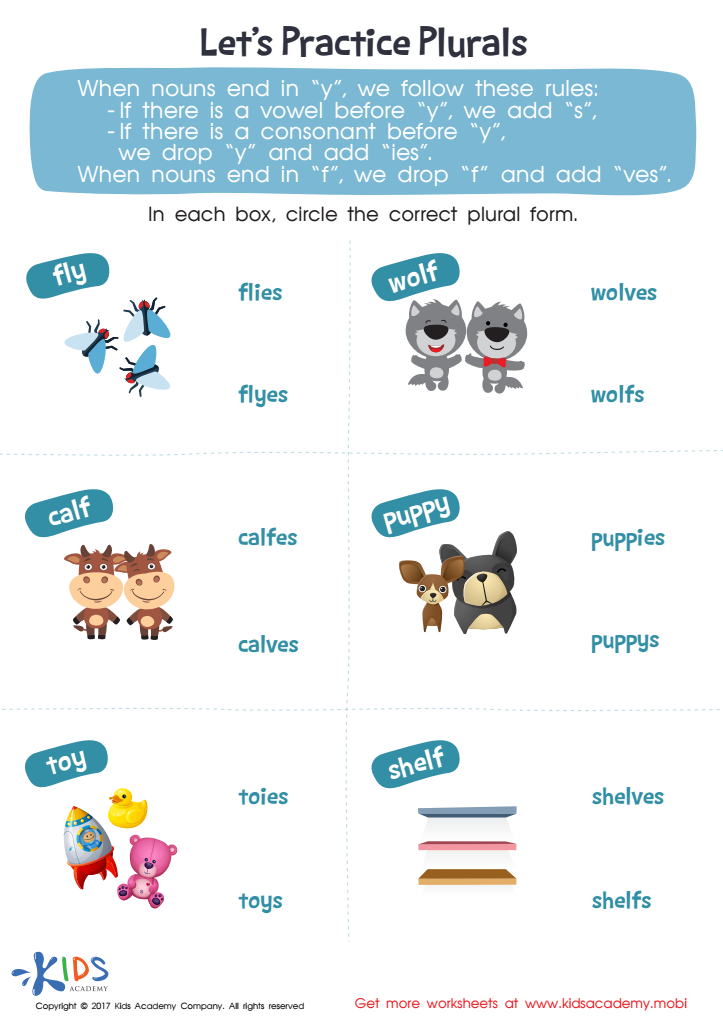
Let's Practice Plurals Word Structure Worksheet
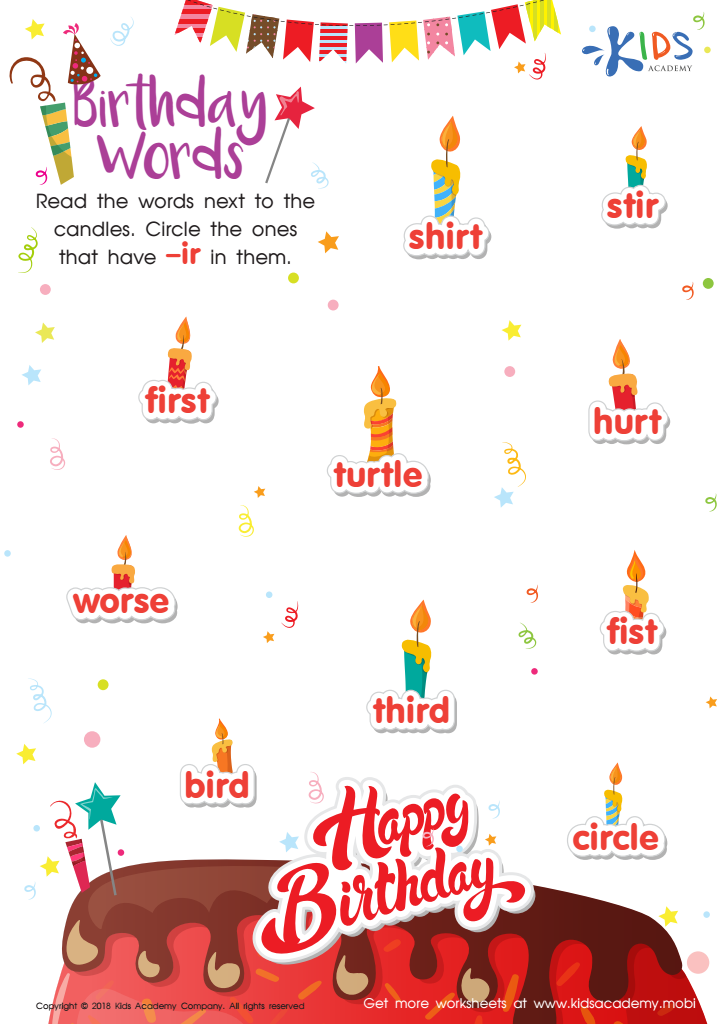
Birthday Words Worksheet
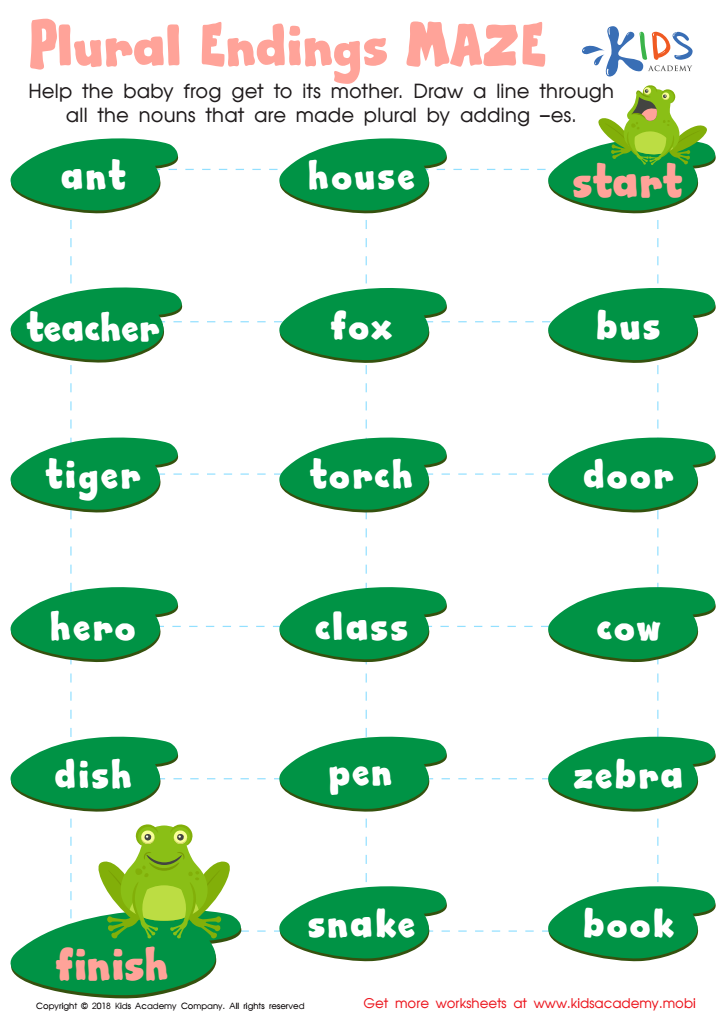
Plural Endings Maze Worksheet
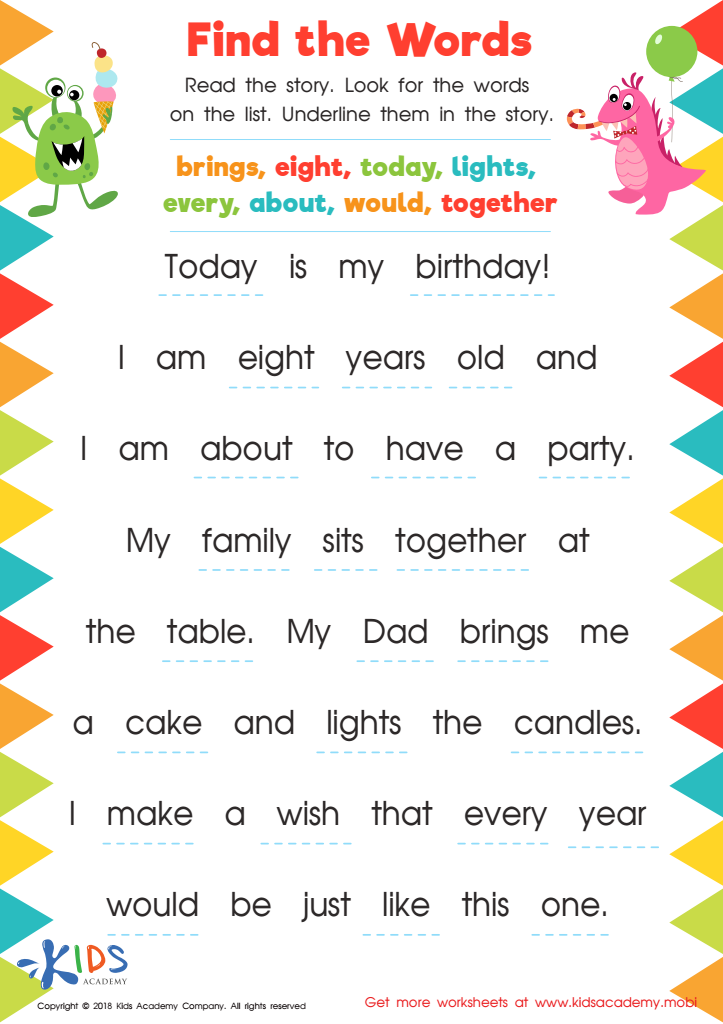
Find The Words Printable Worksheet
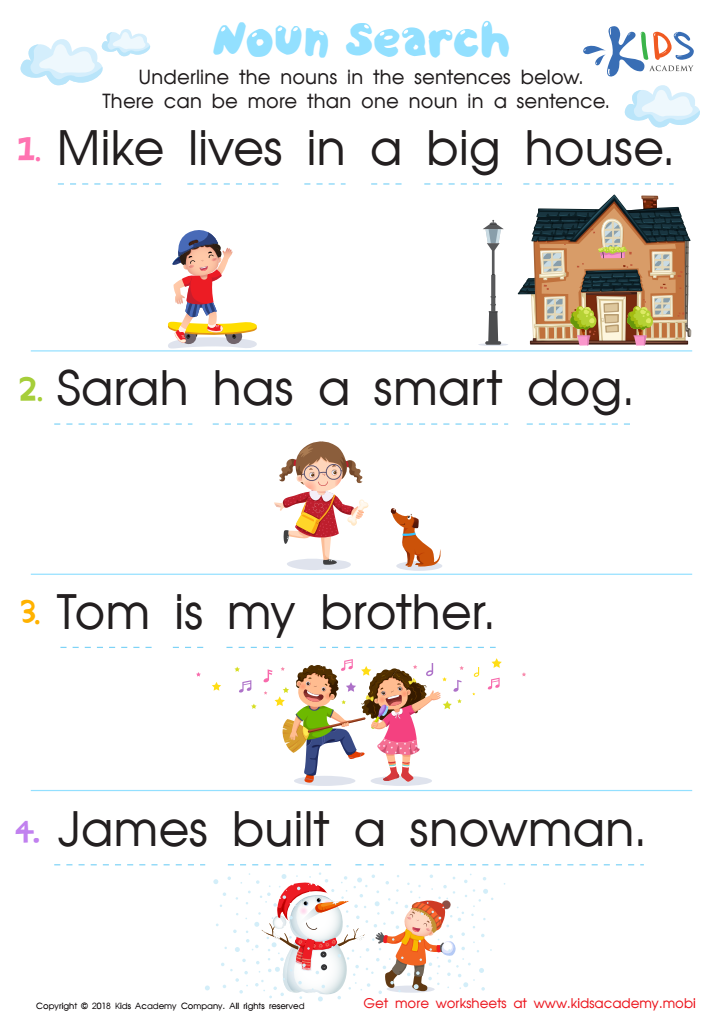
Noun Search Worksheet
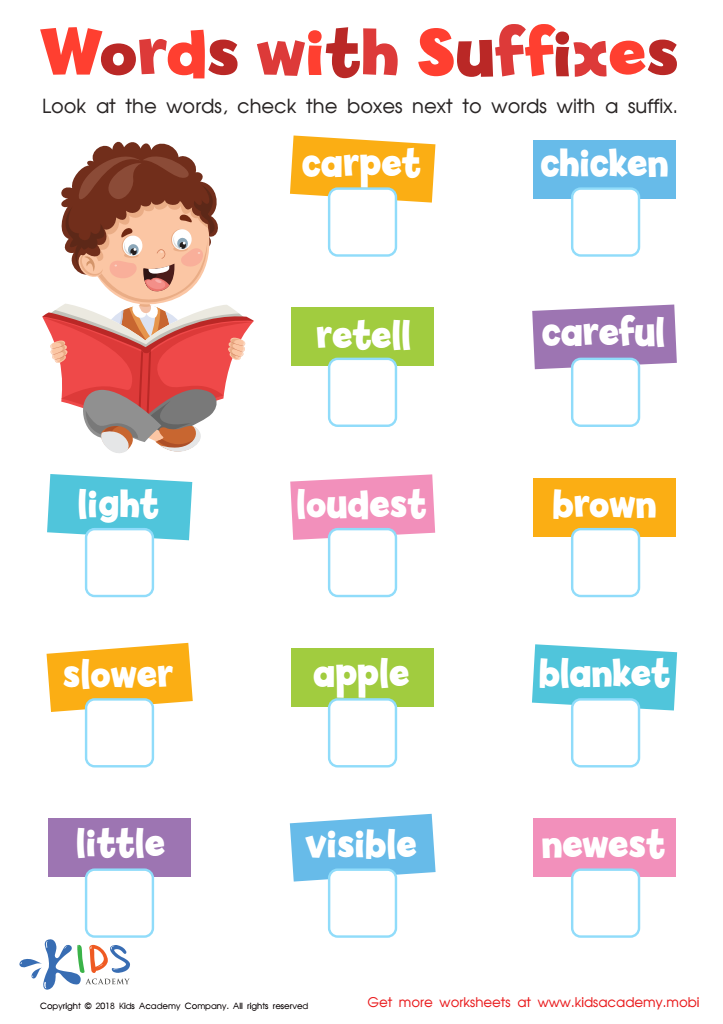
Reading: Words With Suffixes Worksheet
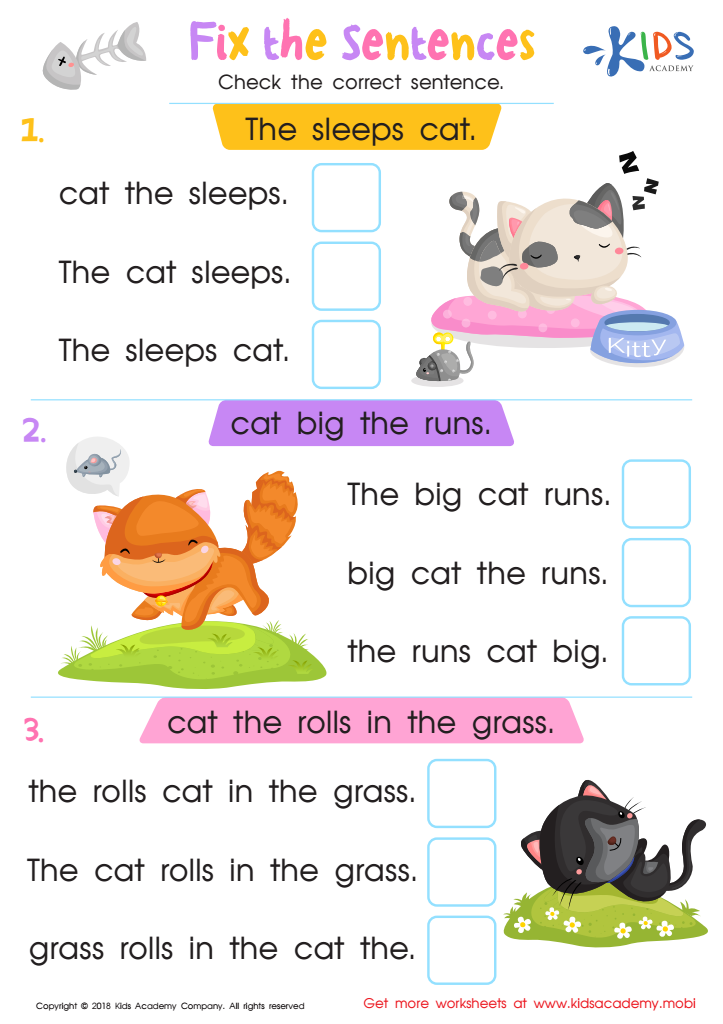
Fix the Sentences Worksheet
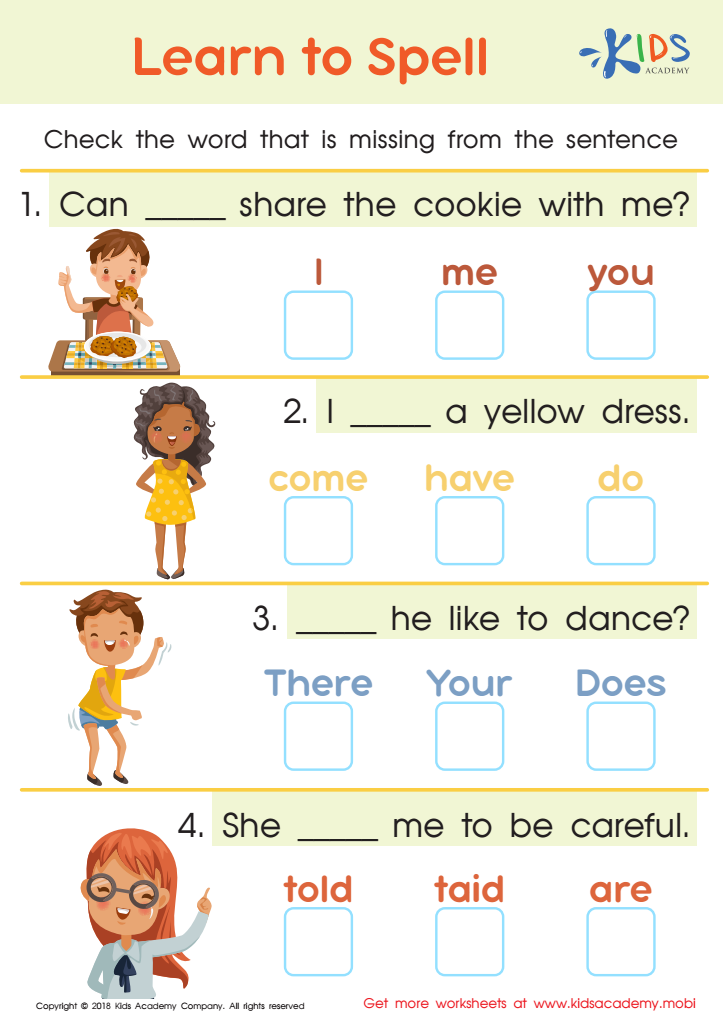
Learn to Spell Worksheet
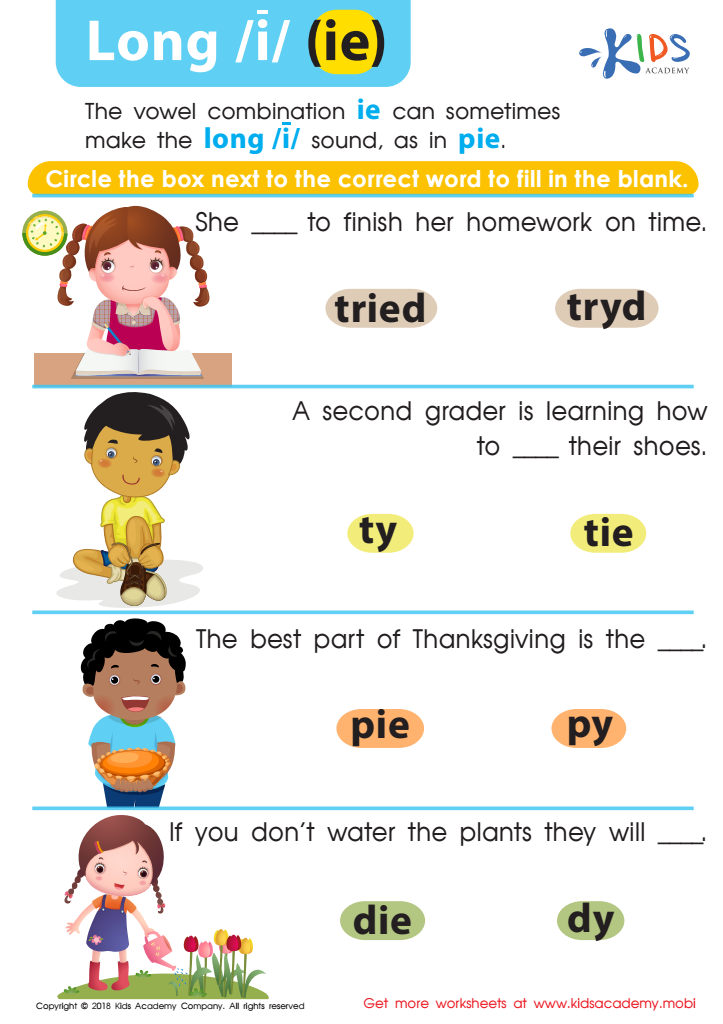
Reading: Long I and IE Worksheet
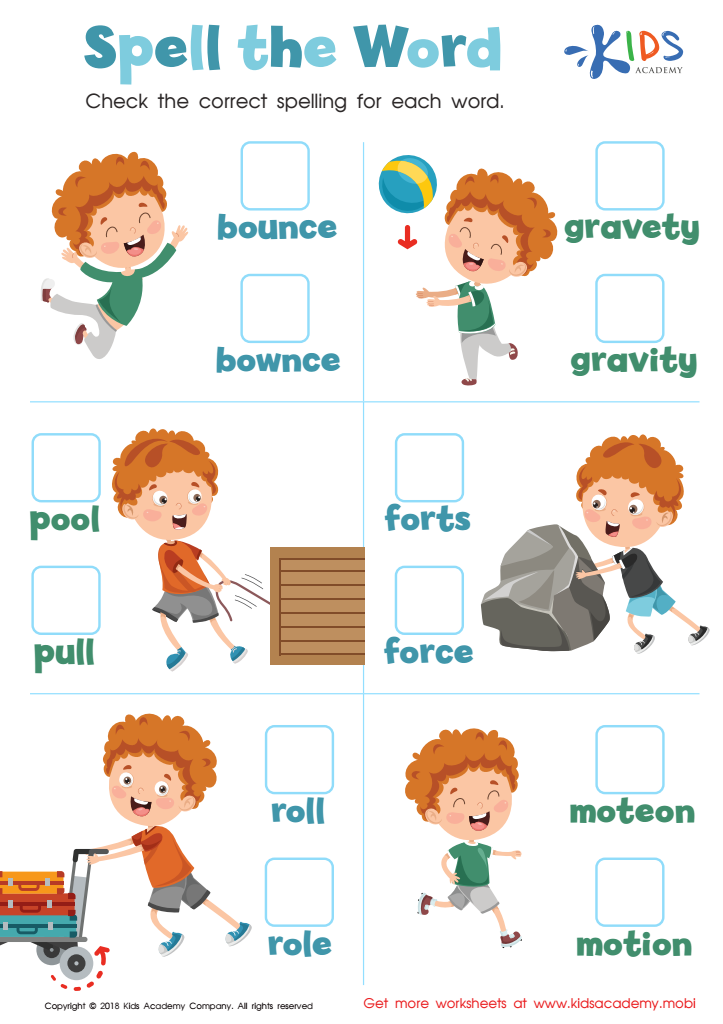
Spell the Word Worksheet
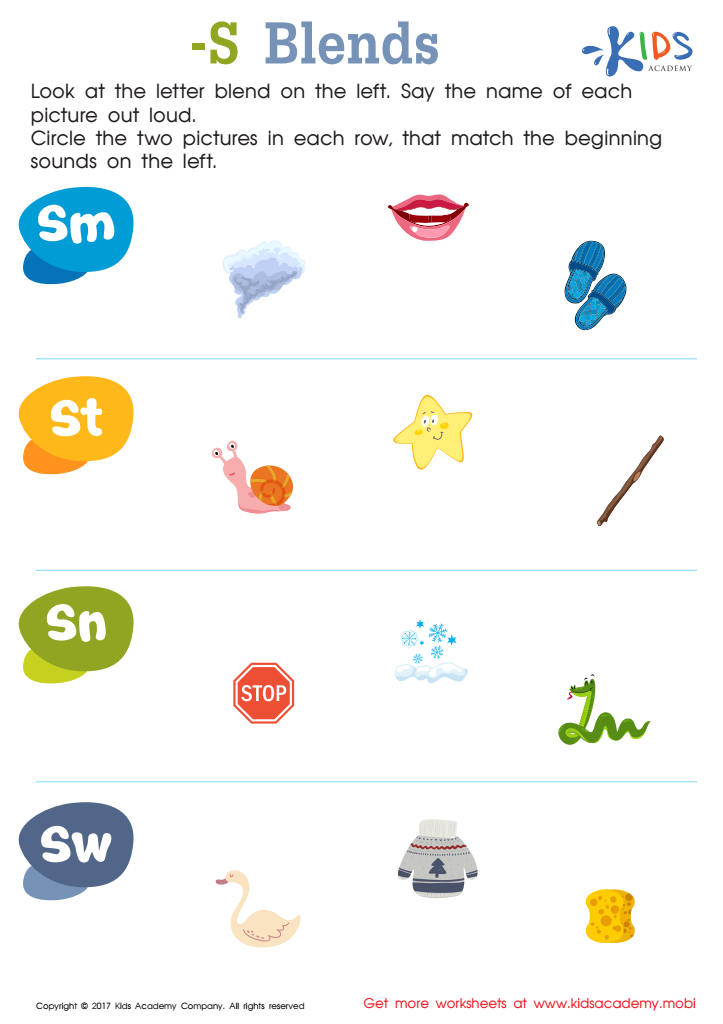
"s" Blends Spelling Printable
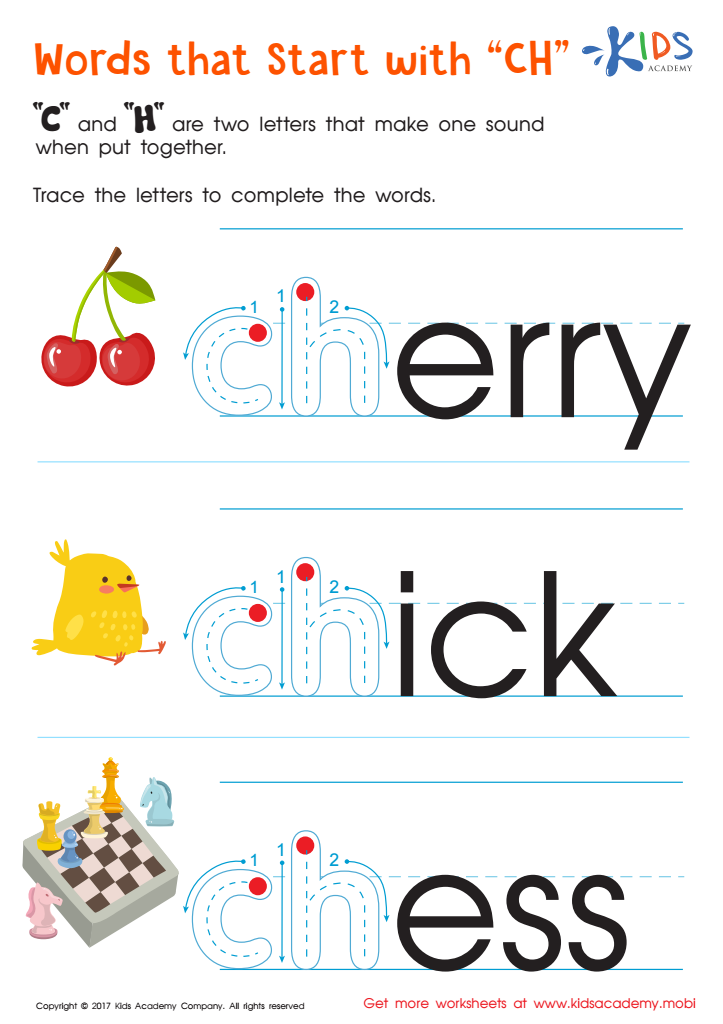
Words That Start with "ch" Spelling Worksheet
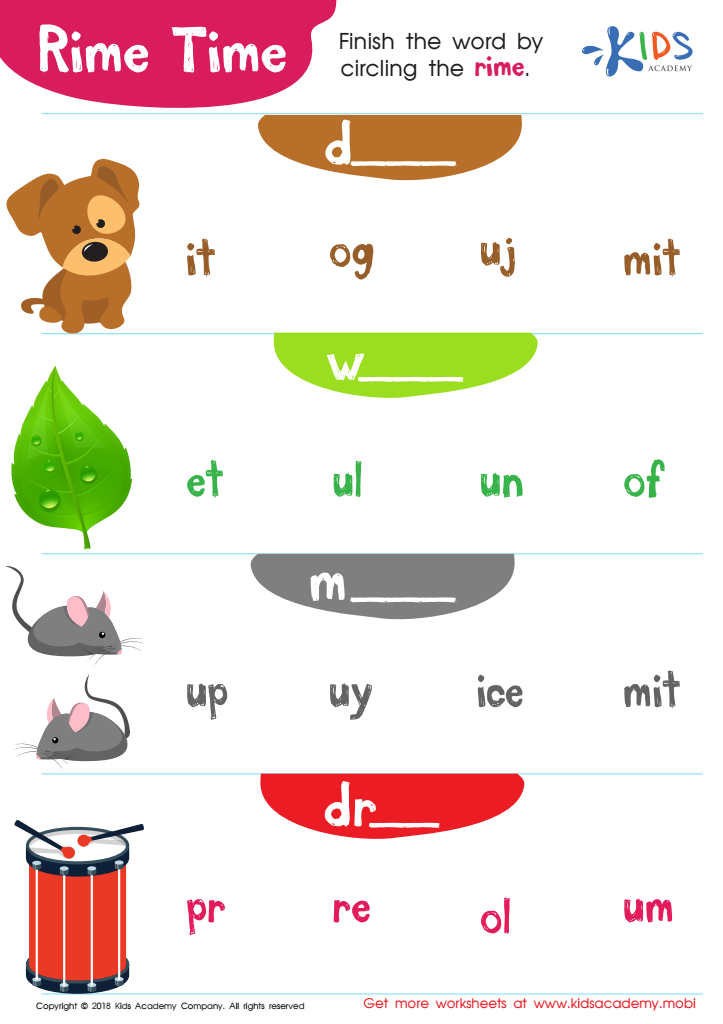
Rime Time Worksheet
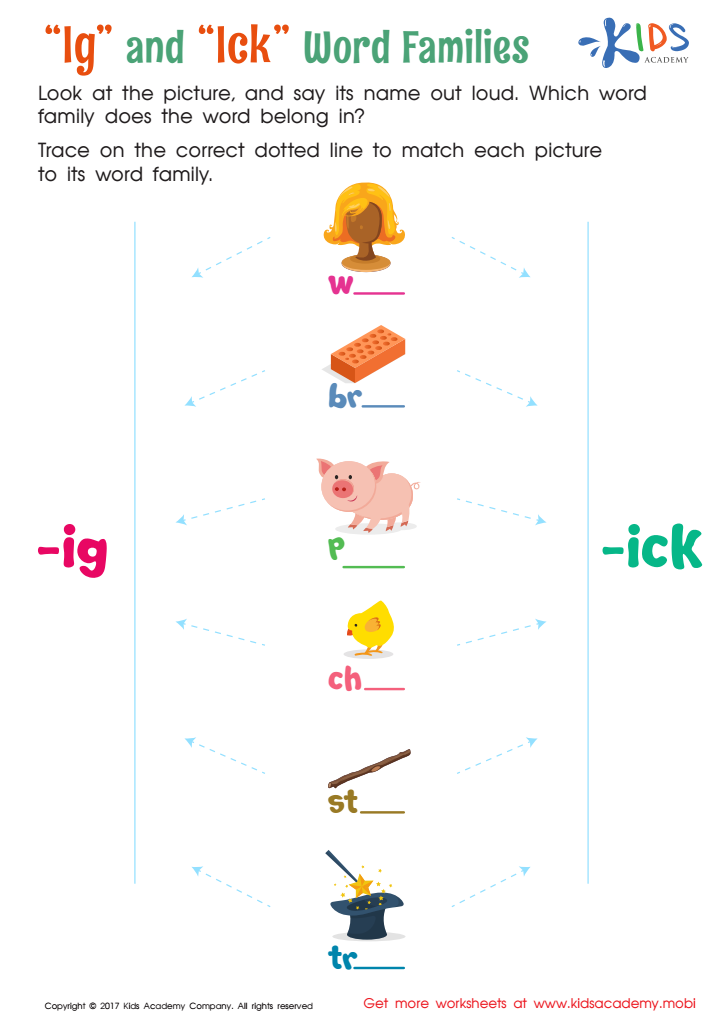
Words Families "ig" and "ick" Spelling Worksheet
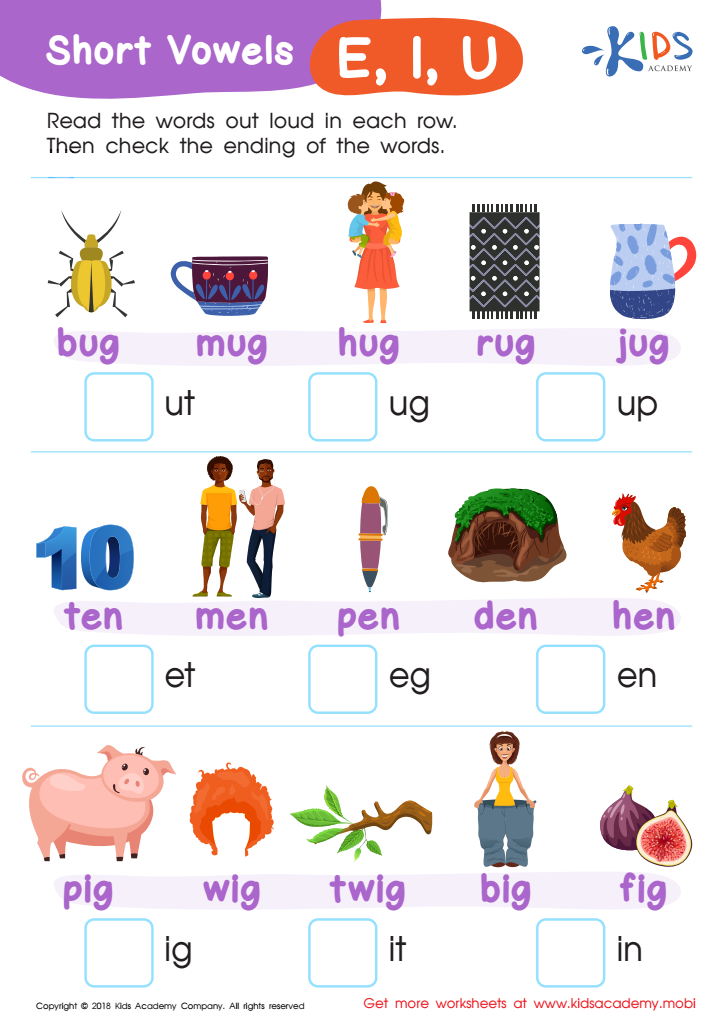
Short Vowels /e/, /i/, and /u/ Worksheet
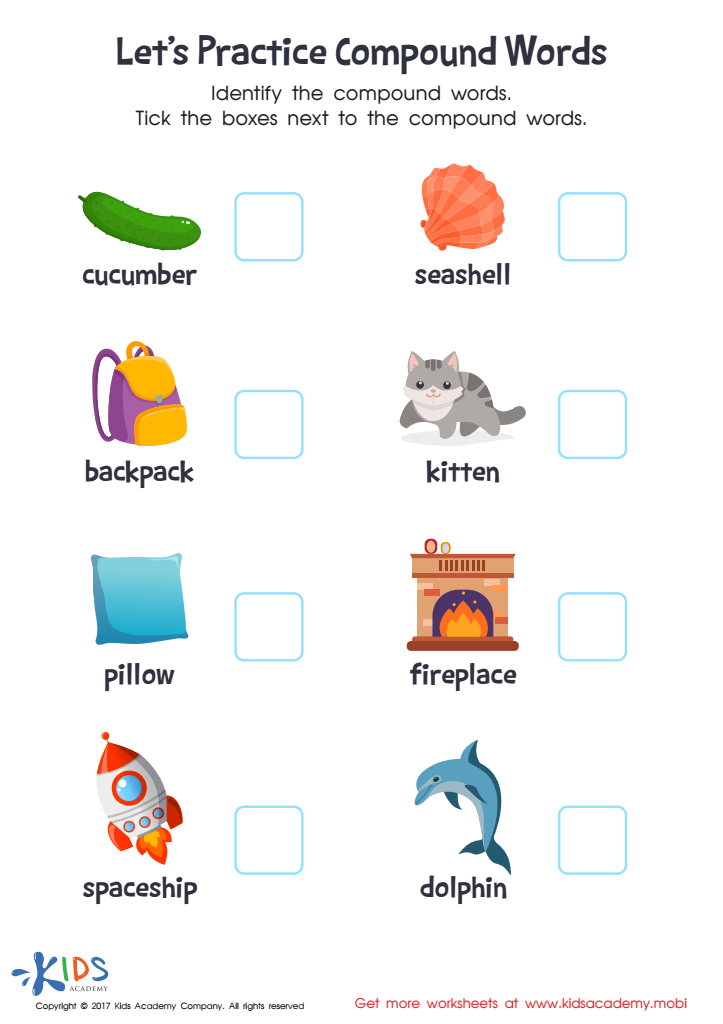
Let's Practice Compound Words Word Structure Worksheet
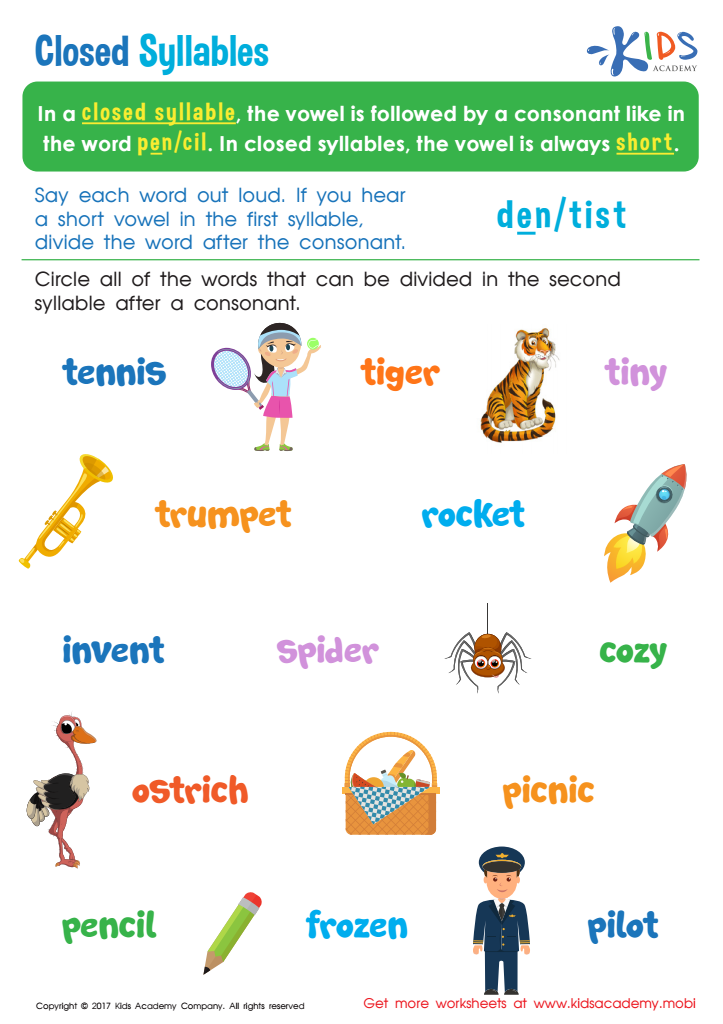
Closed Syllable Spelling Worksheet
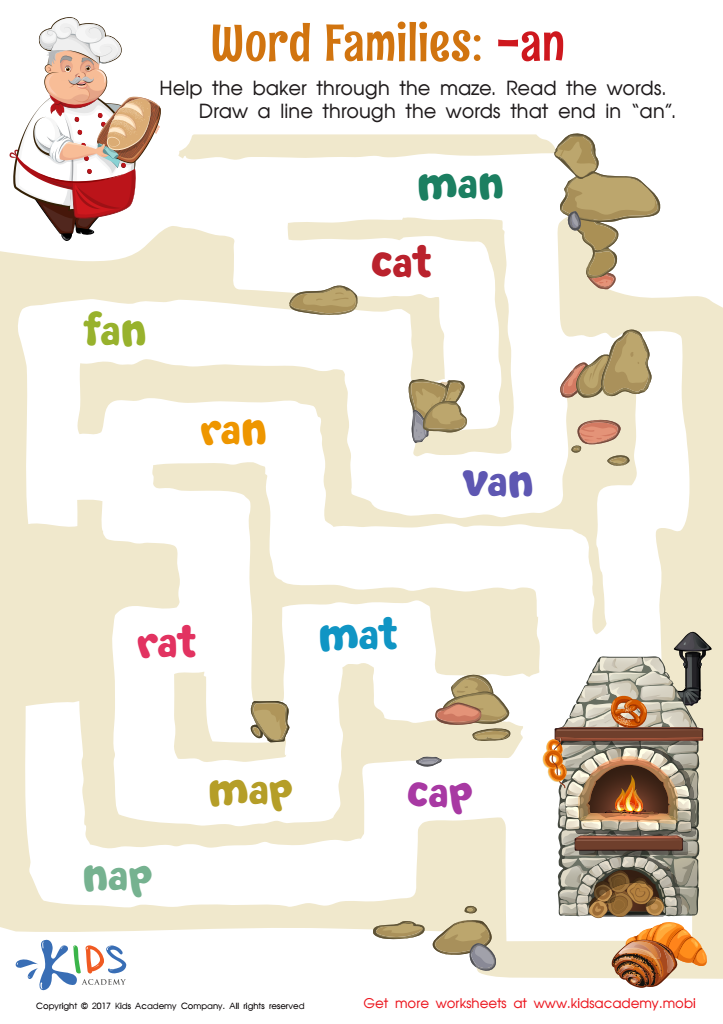
Words Families "an" Spelling Worksheet
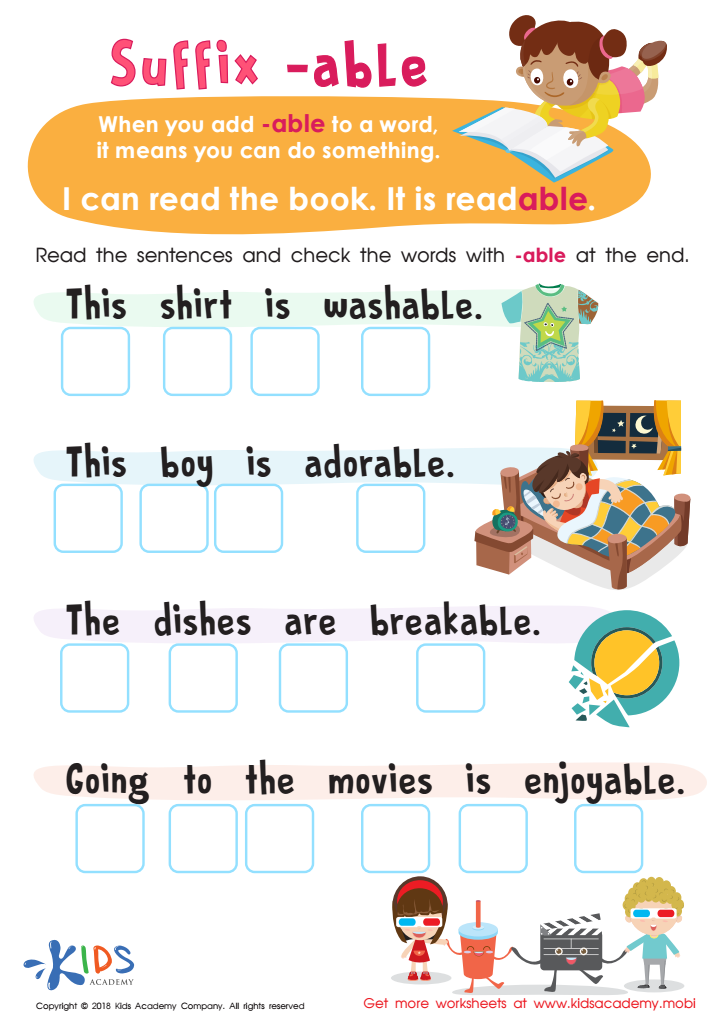
Suffix -Able Worksheet
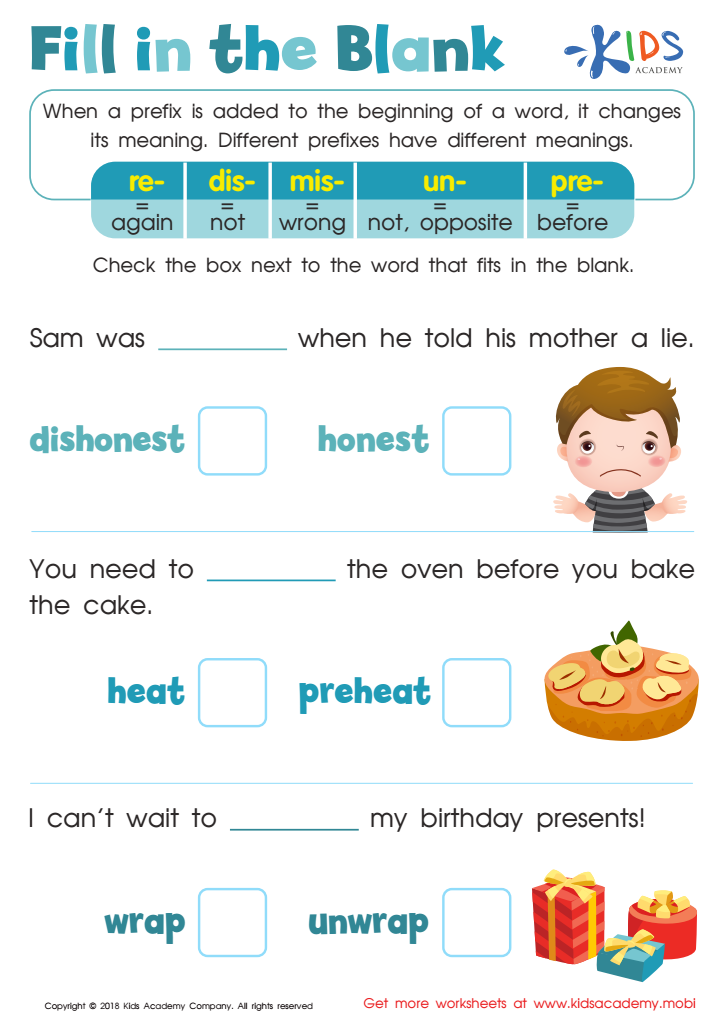
Reading: Fill in the Blank Worksheet
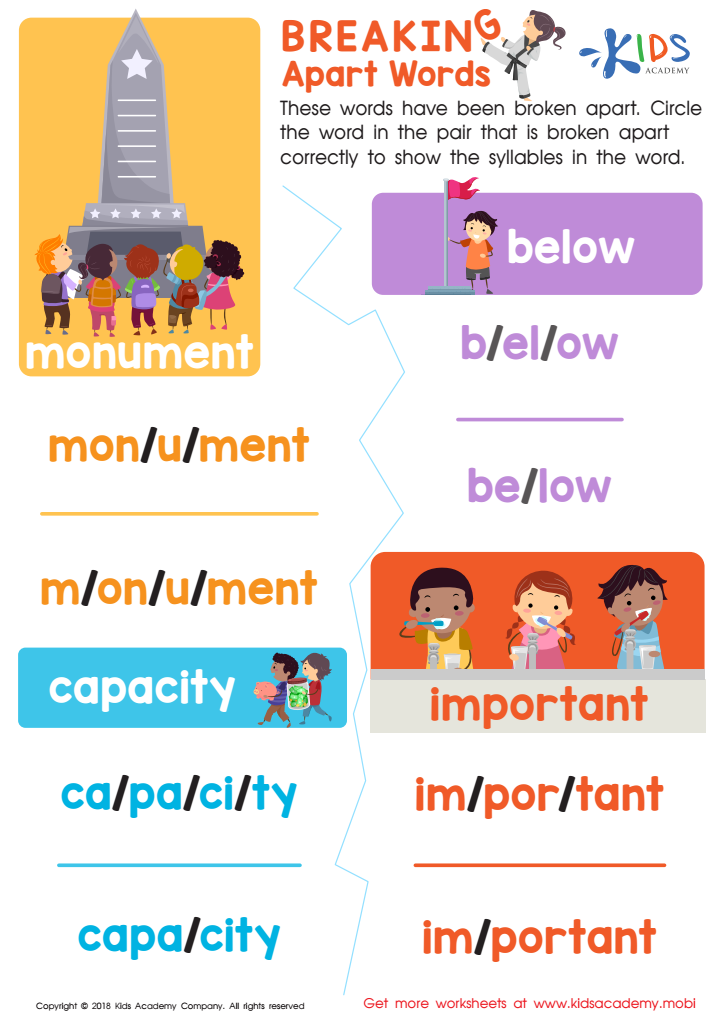
Breaking Apart Words Worksheet
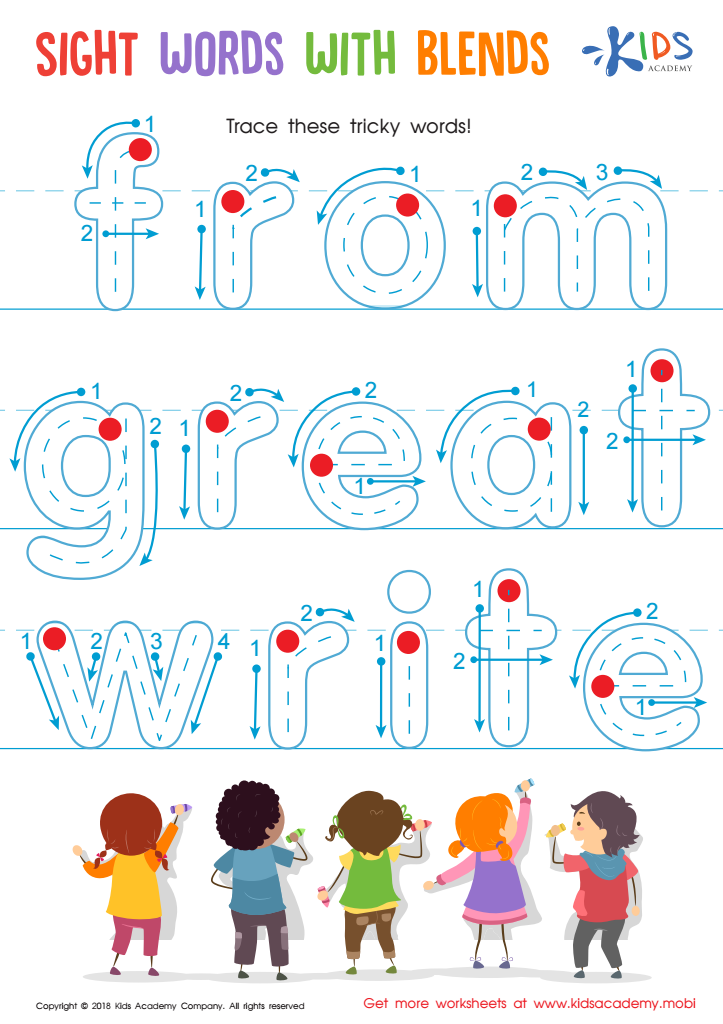
Sight Words with Blends Worksheet







Spelling practice and fundamental grammar skills are crucial for children aged 3-9, as they form the foundation of effective communication and literacy development. At this age, children are highly receptive to learning, and early mastery of spelling reinforces vocabulary acquisition and reading readiness. Good spelling skills boost confidence, enabling children to express themselves clearly in both written and verbal forms.
Moreover, understanding basic grammar helps children construct coherent sentences and enhances their ability to comprehend and convey information. Proper grammar fosters clearer thinking and strengthens reasoning skills, as children learn to recognize the structure of language. When parents and teachers emphasize these skills during this critical developmental period, they nurture a lifelong appreciation for language, improving children's academic performance across all subjects.
Additionally, engaging children in enjoyable spelling and grammar activities can make learning fun, turning it into a success-oriented experience. Early intervention in spelling and grammar will lead to competent readers and writers, laying essential groundwork for future educational achievements. Parents and teachers play an equally significant role by identifying children’s individual needs and employing supportive tactics that celebrate progress. Ultimately, prioritizing these skills contributes to the overall cognitive and emotional development of young learners.








