Alphabet Recognition Writing Worksheets for Ages 3-9
11 filtered results
-
From - To
Unlock the joy of learning with our engaging Alphabet Recognition Writing Worksheets designed for children ages 3-9! These comprehensive worksheets help young learners master letter identification and formation through fun activities. Each worksheet features colorful illustrations and interactive tasks that capture children's attention while reinforcing essential writing skills. Tailored to foster creativity and build confidence, these resources are perfect for classroom use or home practice. Support your child's literacy development with our easy-to-follow, age-appropriate exercises that make learning the alphabet an enjoyable experience. Download your personalized worksheets today and watch your child's writing skills flourish!
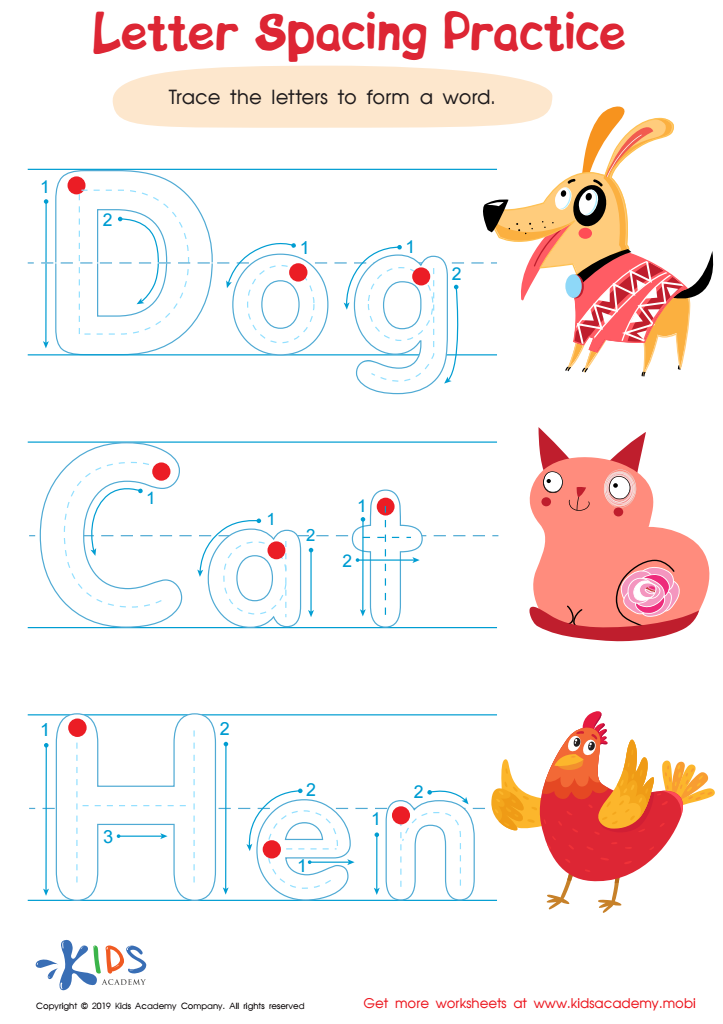
Letter Spacing Practice Worksheet
 Assign to My Students
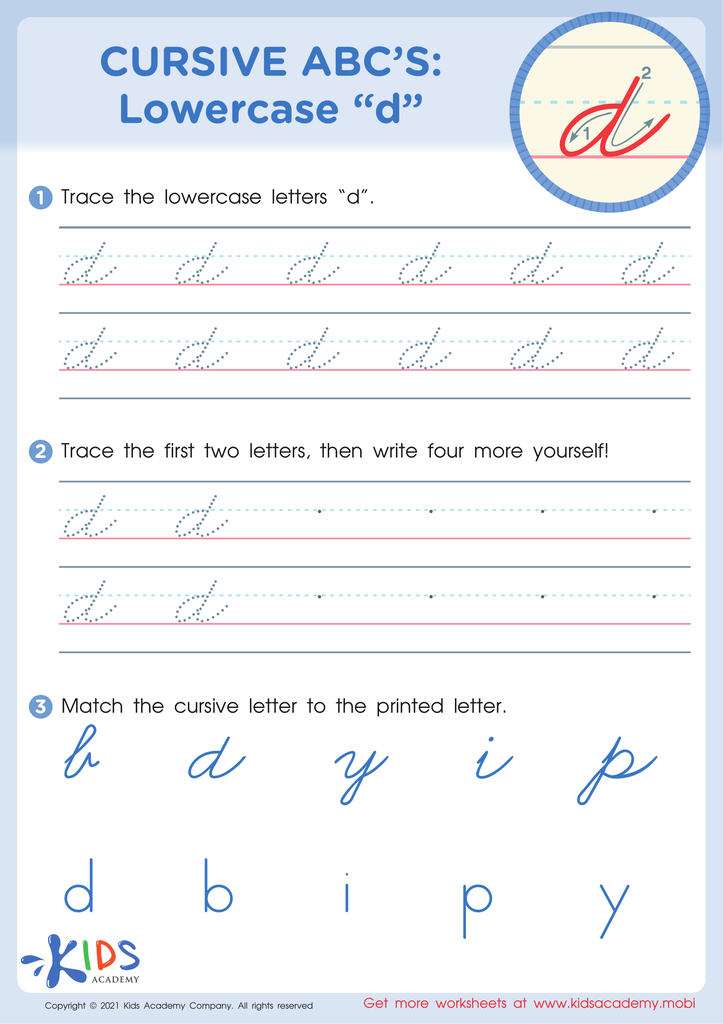
Cursive ABCs: Lowercase d
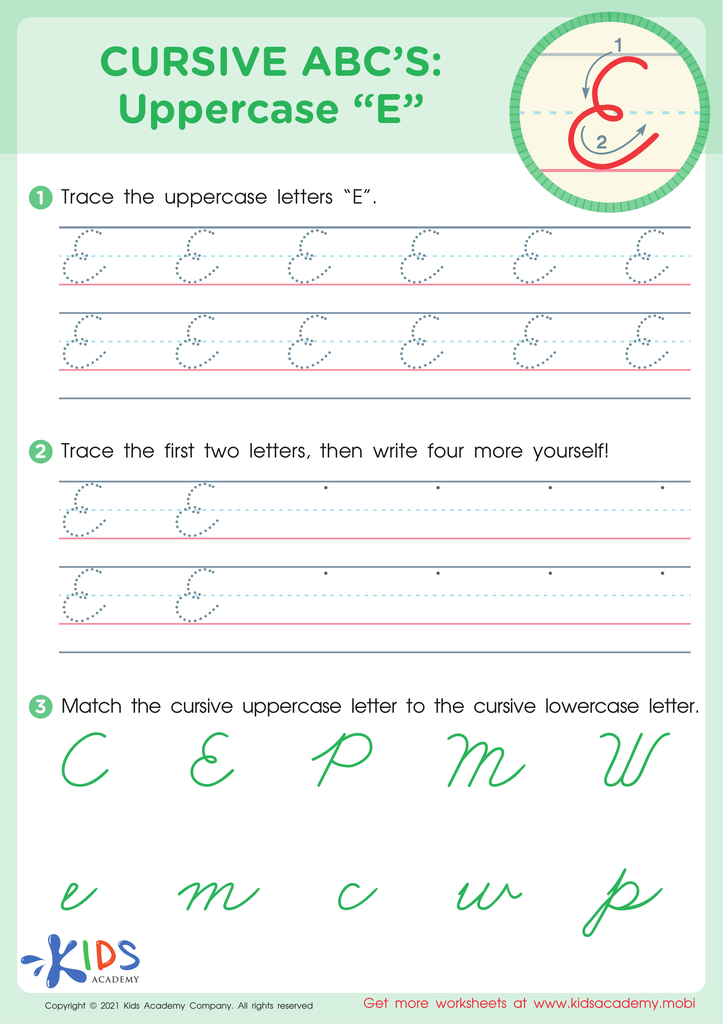
Cursive ABCs: Uppercase E
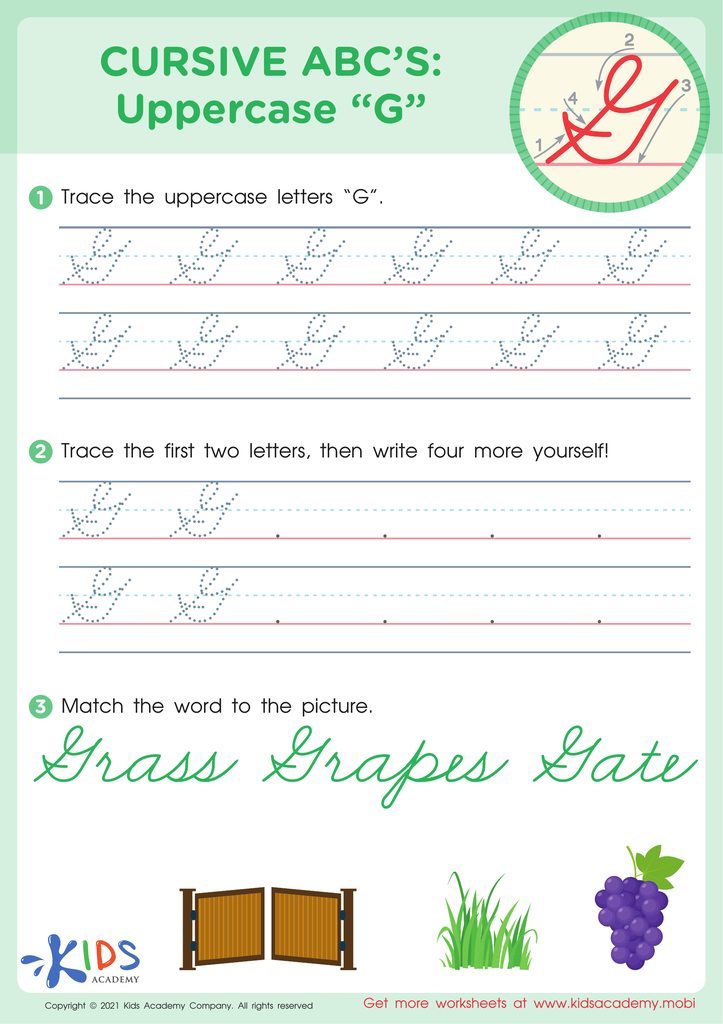
Cursive ABCs: Uppercase G
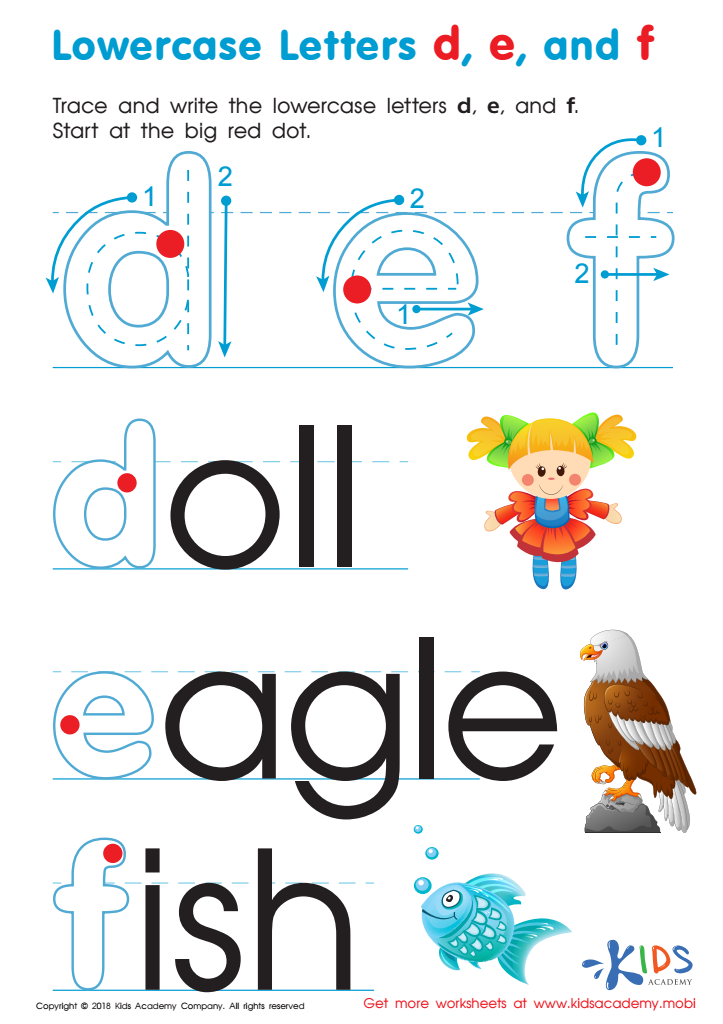
Lowercase Letters d e f Worksheet
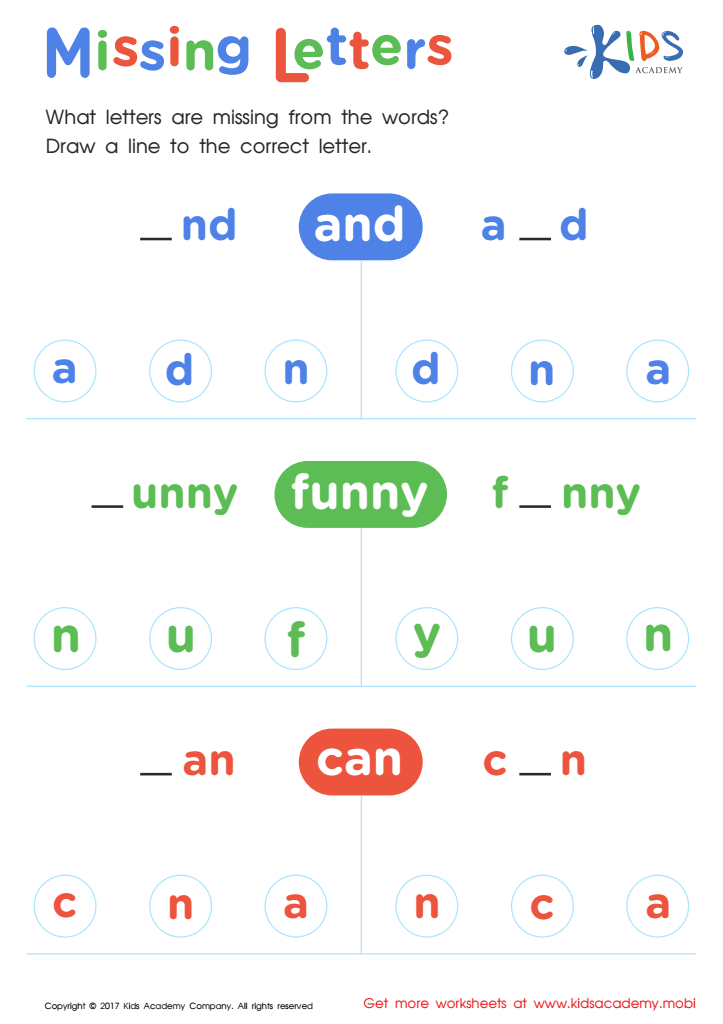
Missing Letters Worksheet
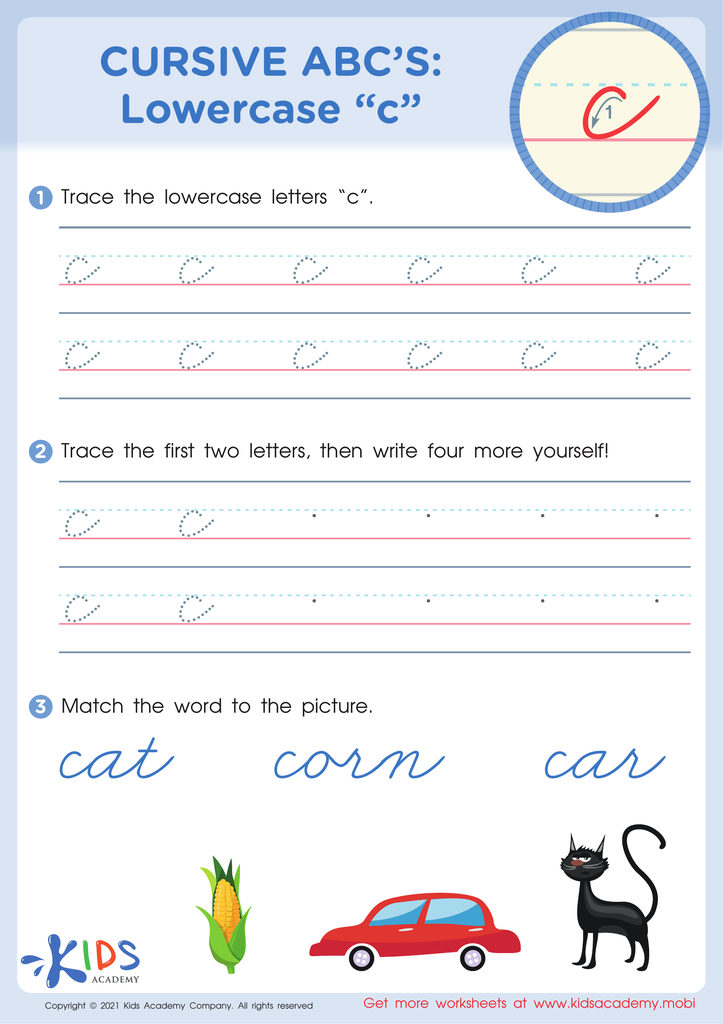
Cursive ABCs: Lowercase c
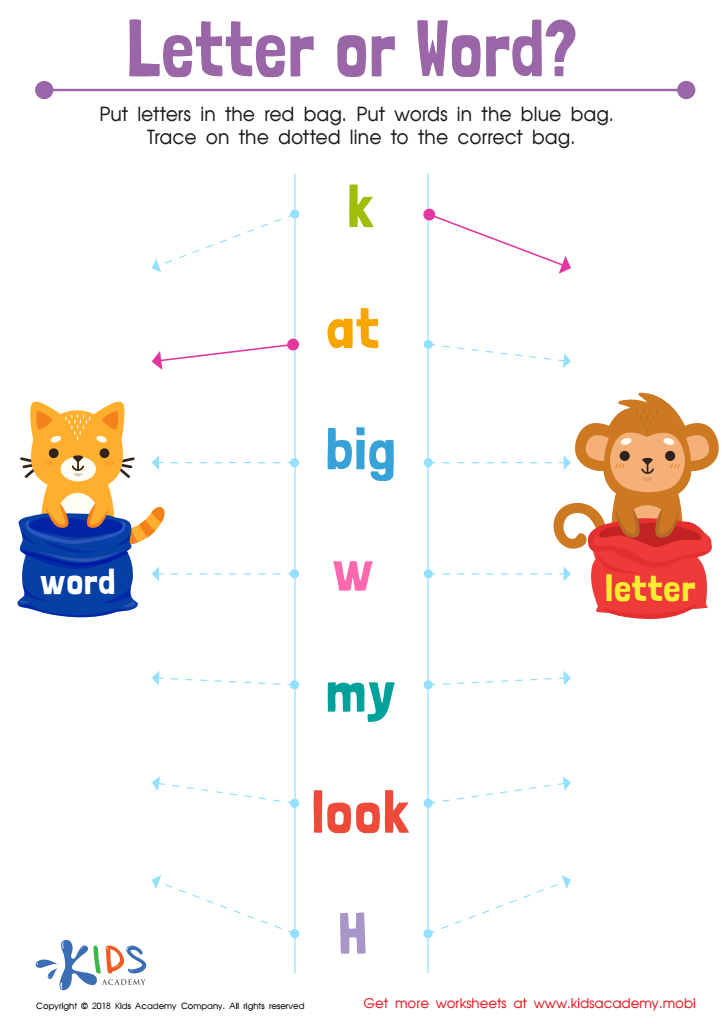
Letter or Word? Worksheet
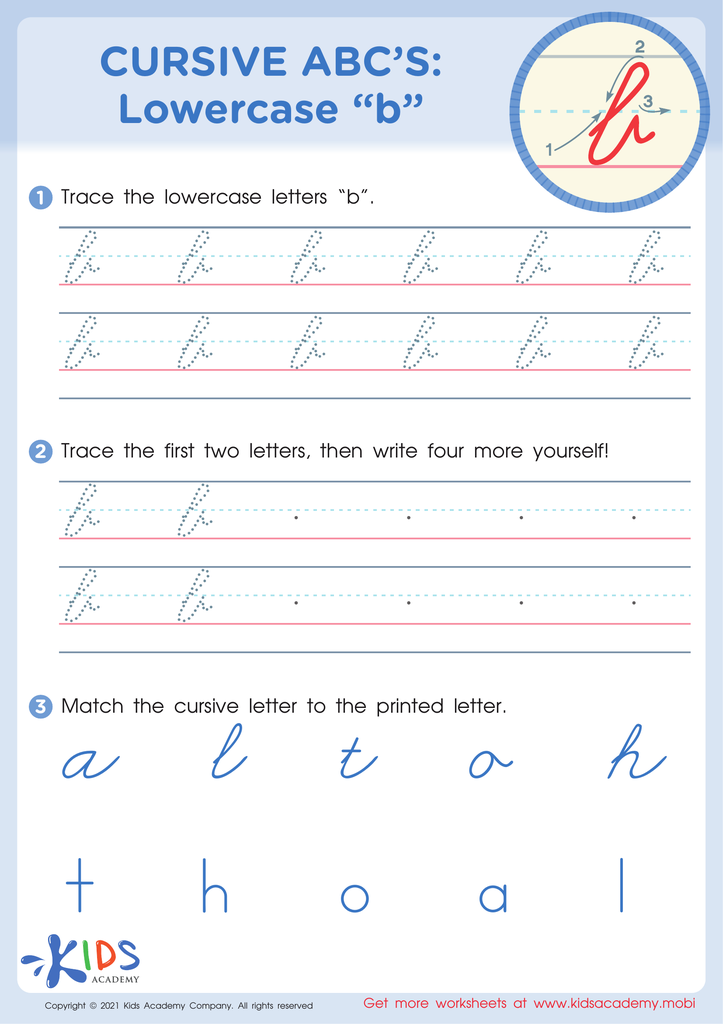
Cursive ABCs: Lowercase b
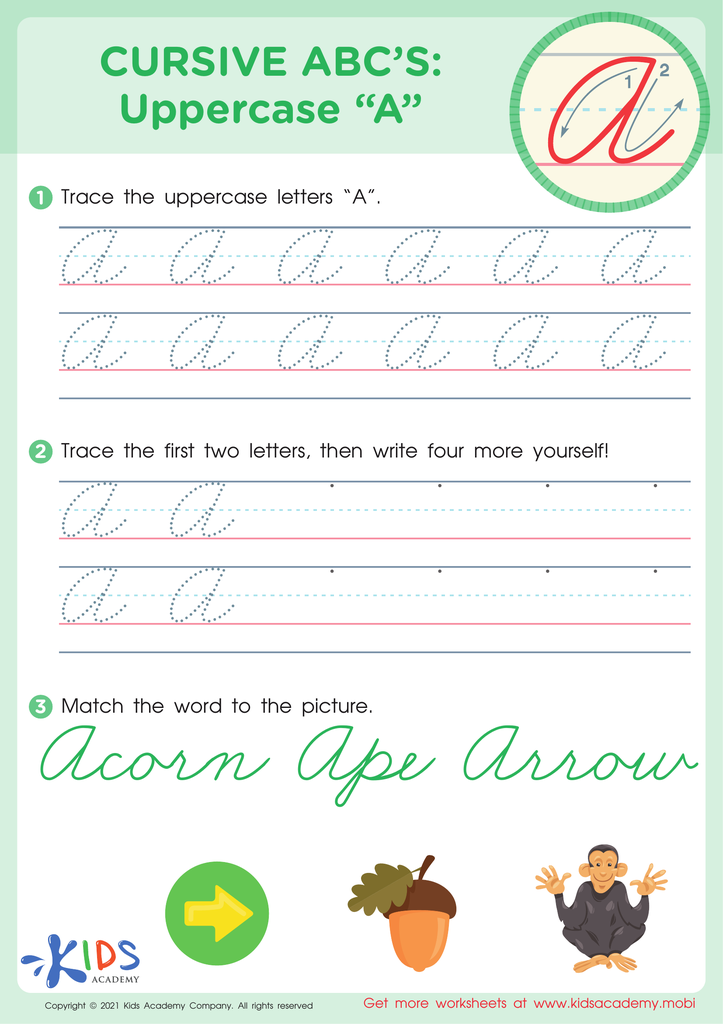
Cursive ABCs: Uppercase A
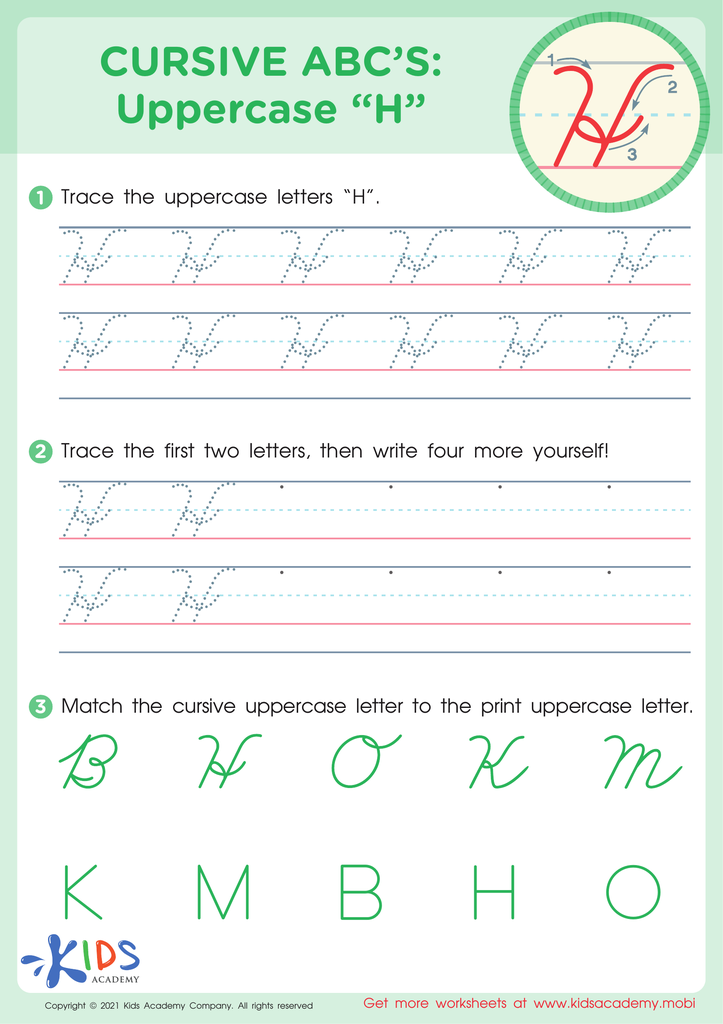
Cursive ABCs: Uppercase H







Alphabet recognition is a critical foundational skill for children aged 3 to 9, serving as the gateway to literacy and overall academic success. At this age, children are developing their cognitive abilities, and recognizing letters is essential for language development. Understanding the alphabet enhances their ability to decode words, which is fundamental for reading and writing proficiency.
Parents and teachers play a crucial role in fostering this skill. Early exposure to letter recognition through games, songs, and interactive activities can significantly reinforce learning. Children often learn better when they engage in play-based activities that involve letters, making the process enjoyable and effective. This positive association can boost their confidence and motivation as they embark on their literacy journey.
Moreover, alphabet recognition supports communication skills, allowing children to express their thoughts clearly when they begin writing. Parents and teachers can help by providing opportunities for children to practice writing letters, encouraging creativity and fine motor skills.
Investing time and effort in promoting alphabet recognition can create strong readers and writers who are better prepared for future academic challenges. Overall, actively engaging children in this essential skill sets the stage for lifelong learning, making it a priority for both parents and educators.








