Alphabet Learning ABC Letters Worksheets for 3-Year-Olds
3 filtered results
-
From - To
Introduce your little ones to the wonderful world of letters with our engaging Alphabet Learning ABC Letters Worksheets for 3-Year-Olds! Designed to spark curiosity and facilitate learning, these worksheets feature colorful activities that promote letter recognition, phonics, and early writing skills. Children will enjoy tracing each letter, matching them with corresponding images, and completing fun exercises that build a solid foundation for reading and writing. Perfect for parents and educators, our worksheets provide a delightful way to make learning fun and interactive. Begin your child's literacy journey today and watch them thrive as they master the ABCs!
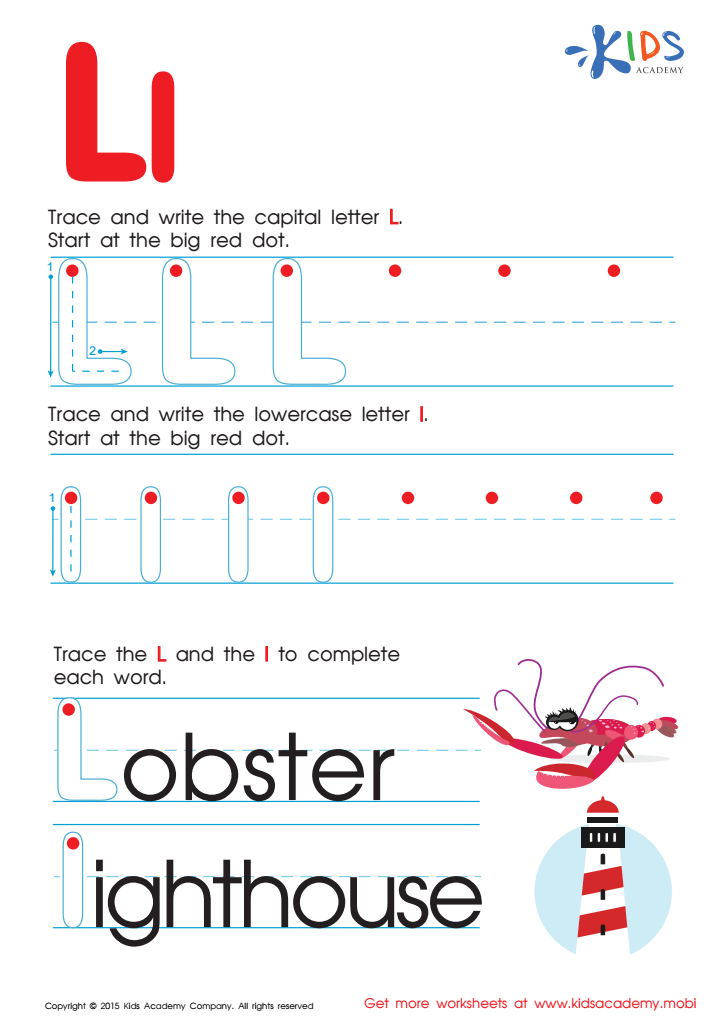
Letter L Tracing Page


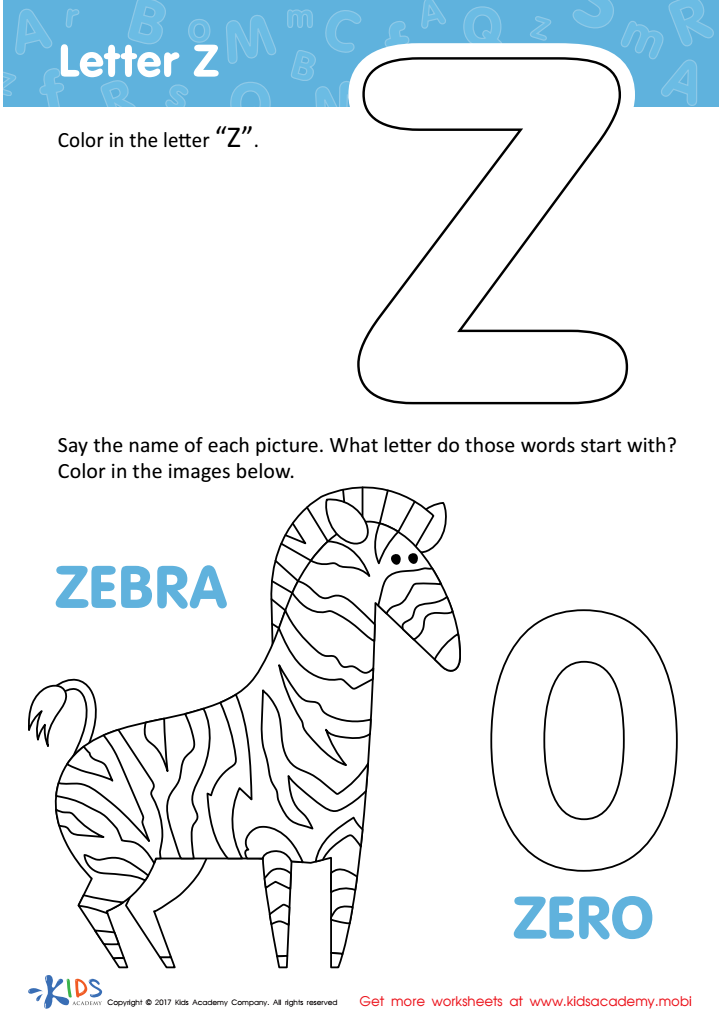
Letter Z Coloring Sheet
 Assign to My Students
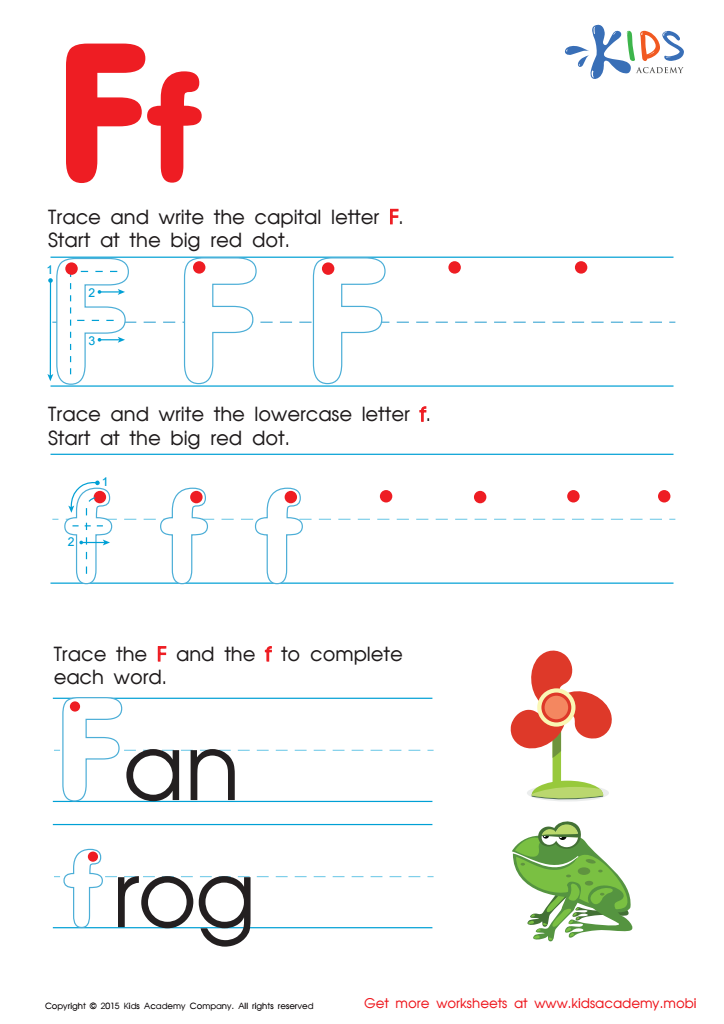
Letter F Tracing Page








Alphabet learning is foundational for literacy development in young children, making it crucial for parents and teachers to prioritize this aspect for 3-year-olds. At this age, children are naturally curious and eager to explore language and its components, making it an ideal time to introduce letters. Mastery of the alphabet equips children with the ability to recognize and produce sounds, which is essential for developing reading and writing skills later on.
Understanding ABC letters also fosters cognitive development and enhances vocabulary. When children can identify letters, they begin to make connections between sounds and words, enriching their communication skills. Moreover, engagement with letters can be extremely fun; incorporating games, songs, and crafts helps sustain children's attention and encourages active participation.
Furthermore, early letter recognition can positively affect children's self-esteem and motivation to learn. As they gain proficiency in identifying and writing letters, they feel a sense of accomplishment that boosts their eagerness to explore more complex literacy tasks.
Lastly, by laying a strong foundation in alphabet learning, parents and teachers facilitate a smoother transition into formal education, ultimately setting children on a path toward academic success. Making alphabet learning an engaging experience can have lasting benefits throughout their educational journey.







