
Letter Tracing Alphabet Coloring Pages Worksheets for 3-Year-Olds
6 filtered results
Difficulty Level
Grade
Age
-
From - To
Subject
Activity
Standards
Introduce your 3-year-old to the joy of learning with our Letter Tracing Alphabet Coloring Pages Worksheets! Designed to blend fun and education, these worksheets help your little ones master the alphabet in a playful way. Each page features traceable letters and engaging coloring activities that encourage fine motor skills and early literacy. Perfect for pre-readers, these printable worksheets will support your child's cognitive development and hand-eye coordination while making learning enjoyable. Download them now and watch your child delight in coloring and tracing their way to alphabet mastery! Ideal for homeschooling or supplementary at-home practice.
Favorites
With answer key
Interactive
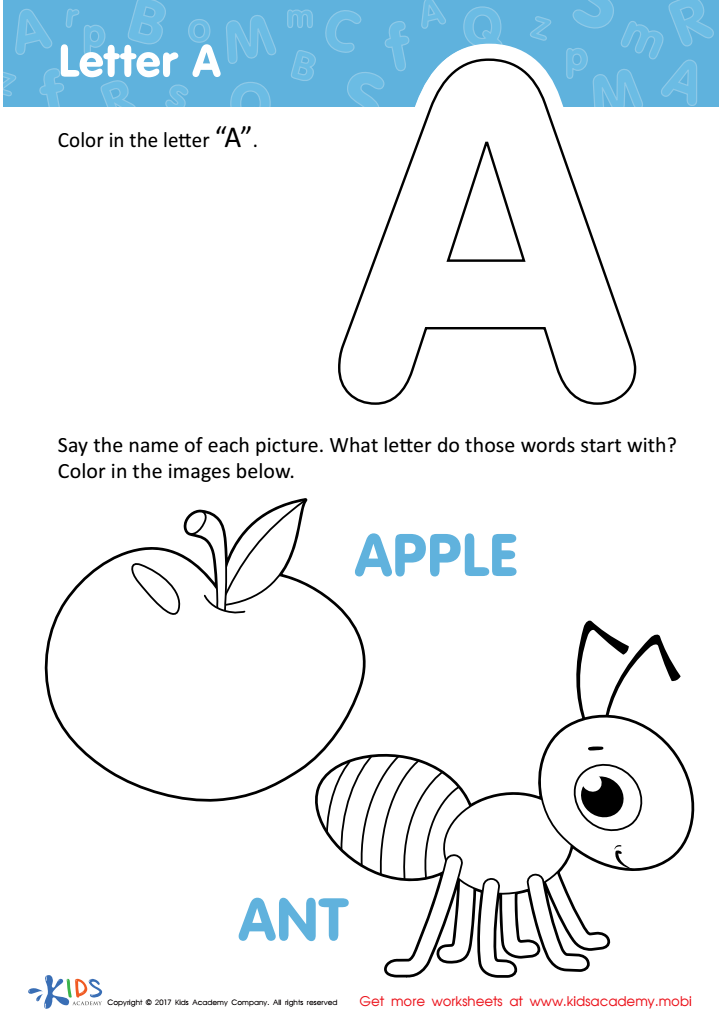
Letter A Coloring Sheet
This letter "A" coloring page is great for introducing kids to the alphabet! Let them exercise their creativity while they learn to recognize letters and sounds - it's a fun and easy way to help them get started.
Download (PDF)
 Assign to My Students
Assign to My Students
Letter A Coloring Sheet
Worksheet
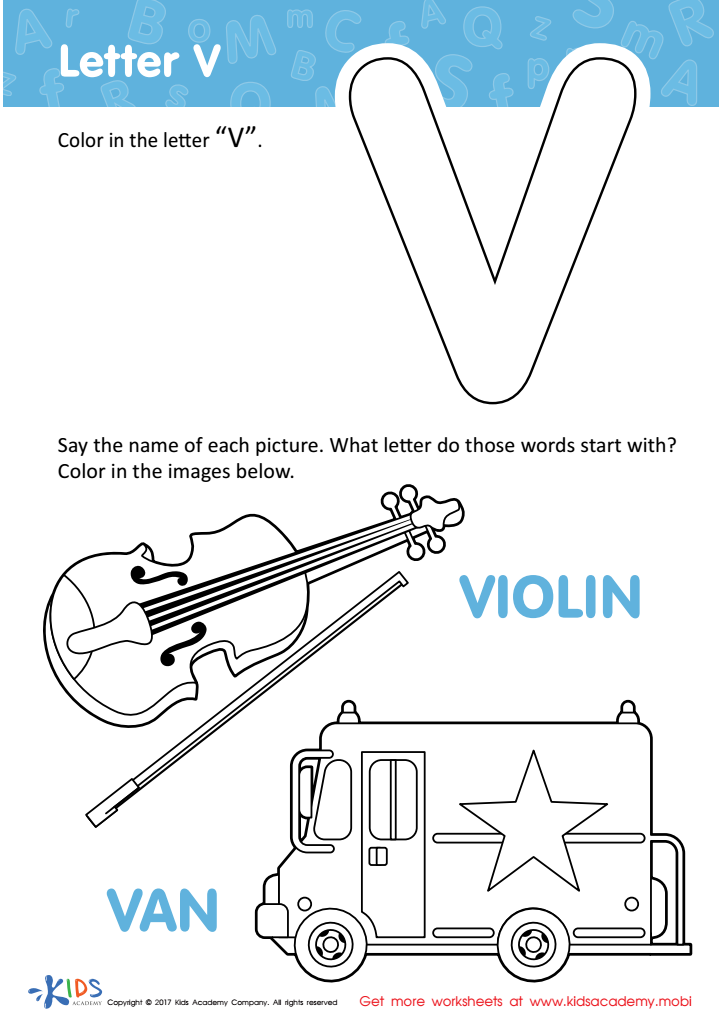
Letter V Coloring Sheet
This fun letter V coloring page can boost your child's knowledge of the letter "V" and its sound. Help them pronounce it correctly, too!
Download (PDF)
Assign to My Students
Assign to My Students
Letter V Coloring Sheet
Worksheet
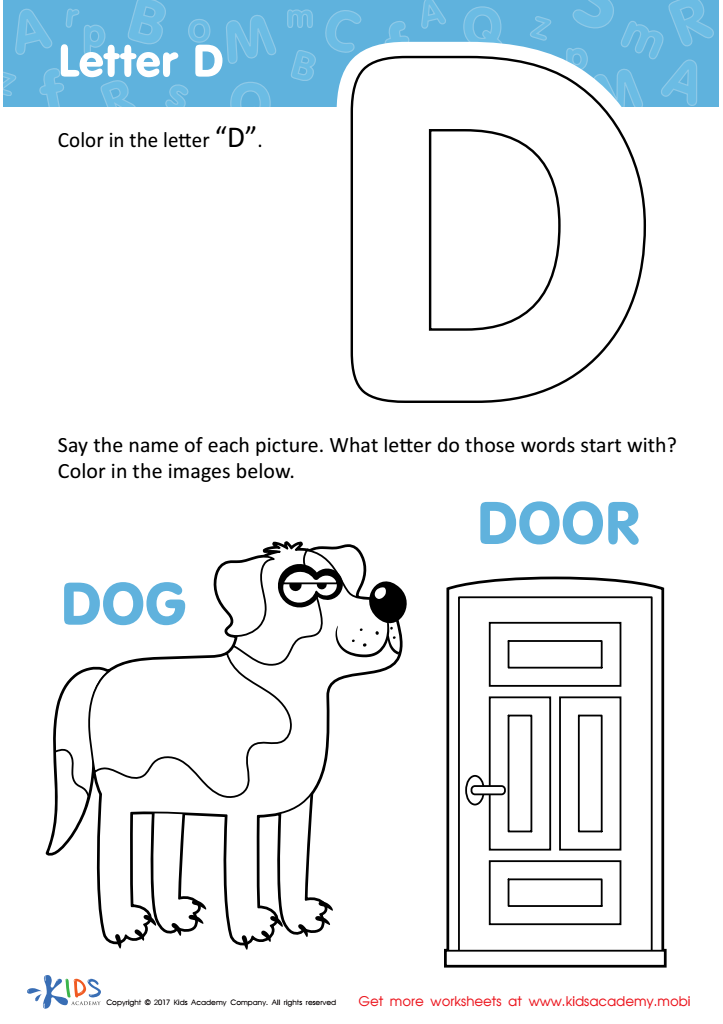
Letter D Coloring Sheet
Coloring with this letter "D" page is a great way to encourage your child's creativity while they learn the letter "D" and its sound. It's a fun activity to stimulate their imagination!
Download (PDF)
Assign to My Students
Assign to My Students
Letter D Coloring Sheet
Worksheet
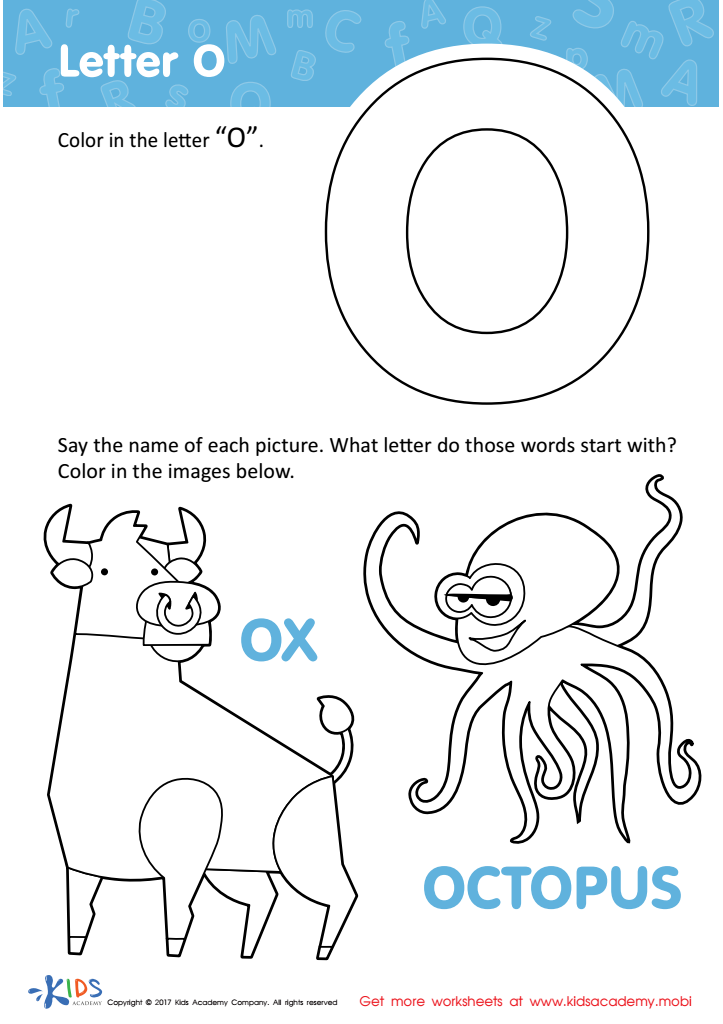
Letter O Coloring Sheet
Oh my! The letter "O" is so much fun. Coloring in the octopus and ox on this delightful letter "O" coloring page can help your child have fun while strengthening their recognition of the letter and sound.
Download (PDF)
Assign to My Students
Assign to My Students
Letter O Coloring Sheet
Worksheet
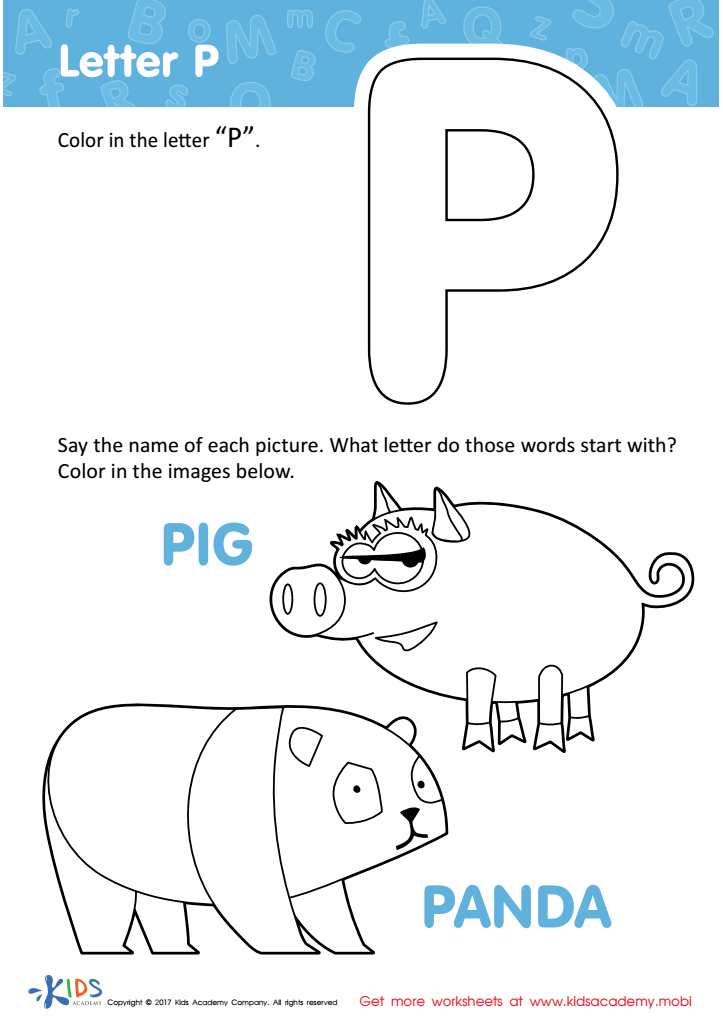
Letter P Coloring Sheet
Encourage your child's creativity and letter recognition with this "P" coloring page! Through coloring animals such as pigs and pandas, your little one will get to know the sound of the letter "P" and have fun too!
Download (PDF)
Assign to My Students
Assign to My Students
Letter P Coloring Sheet
Worksheet
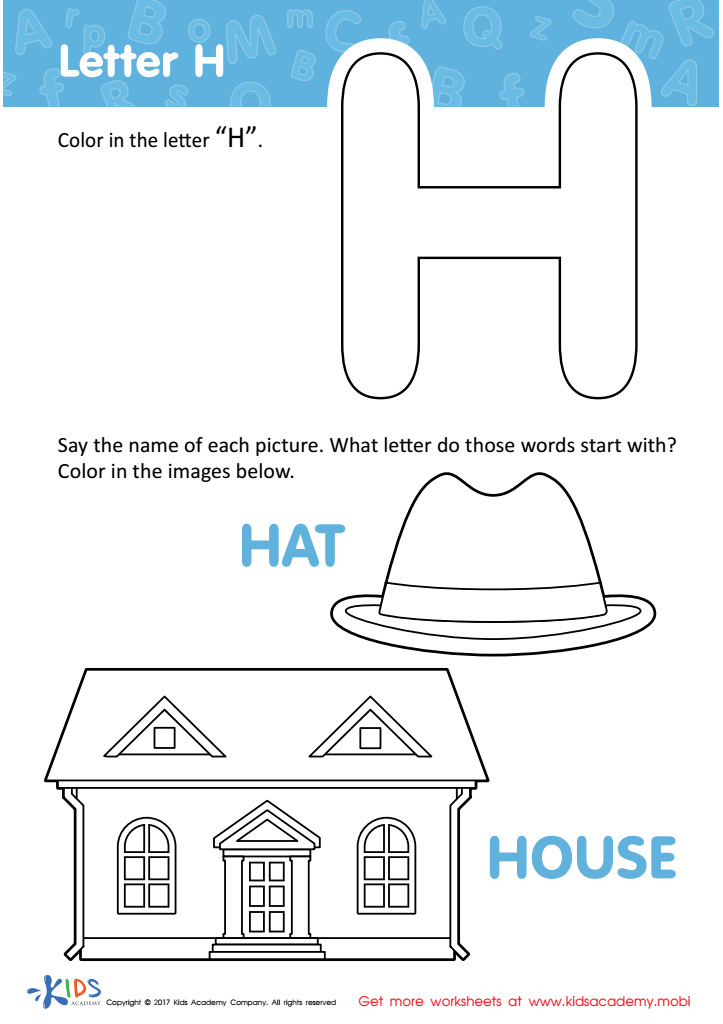
Letter H Coloring Sheet
This fun "H" coloring page will help your child recognize the letter and sound of "H"! With a hat and house to color, your little learner will have a blast picking colors and creating designs, all while learning about the letter "H"!
Download (PDF)
Assign to My Students
Assign to My Students
Letter H Coloring Sheet
Worksheet
Join Kids Academy for Free
Who is primarily going to use this learning content?





Parents and teachers should care about Letter Tracing Alphabet Coloring Pages for 3-year-olds due to their significant developmental benefits. These pages combine fun and learning, providing an engaging way for young children to develop essential pre-writing and fine motor skills. Firstly, tracing letters helps children understand the shapes and patterns of each letter, building a strong foundation for future reading and writing skills. Repetition through tracing strengthens their muscle memory and coordination, making it easier for them to write independently later on.
In addition, coloring is a vital activity for developing fine motor control. As children color within the lines, they improve their hand-eye coordination and dexterity. The fun, approachable nature of coloring pages maintains their interest and motivation, which is crucial at this formative age. Besides, introducing alphabet-themed pages combines literacy education with creativity, reinforcing letter recognition and phonemic awareness in an enjoyable context.
Parents and teachers can use these pages to impart patience, attention to detail, and the joy of learning. They also provide a great opportunity for adult-child interaction, fostering a nurturing and supportive learning environment. By caring about these activities, educators and parents contribute to a child’s holistic growth and positive relationship with learning.







