Writing practice Alphabet Coloring Pages Worksheets for 3-Year-Olds
6 filtered results
-
From - To
Discover our engaging Writing Practice Alphabet Coloring Pages Worksheets designed specifically for 3-year-olds! These fun and interactive resources combine the joy of coloring with essential writing skills, helping little learners develop their fine motor abilities and letter recognition. Each worksheet features beautifully illustrated letters, encouraging creativity while fostering early writing skills. Perfect for preschool and kindergarten settings, these worksheets are a fantastic tool for parents and educators alike. Help your child master the alphabet in a playful way that promotes both learning and enjoyment. Explore our collection today and watch your child's confidence and skills blossom!
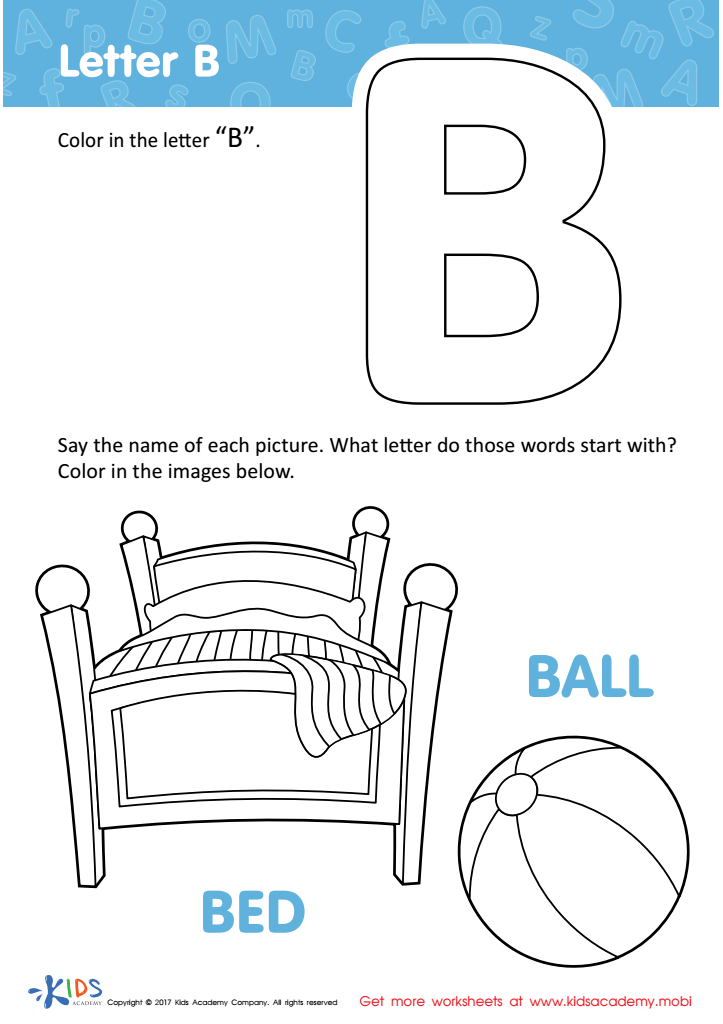
Letter B Coloring Sheet
 Assign to My Students
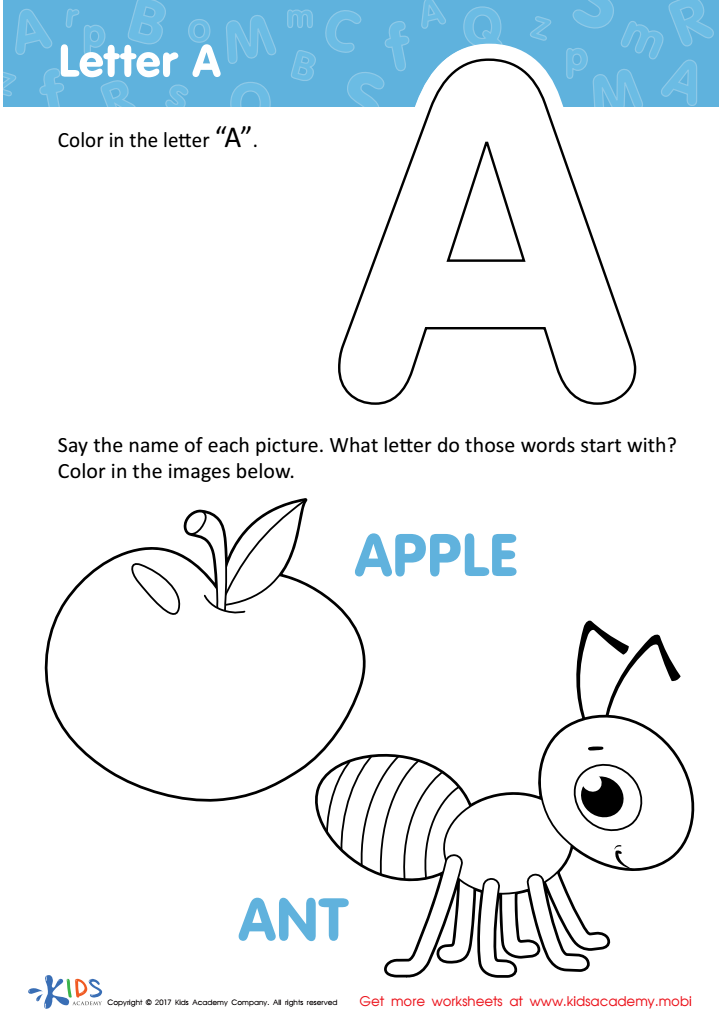
Letter A Coloring Sheet
Assign to My Students
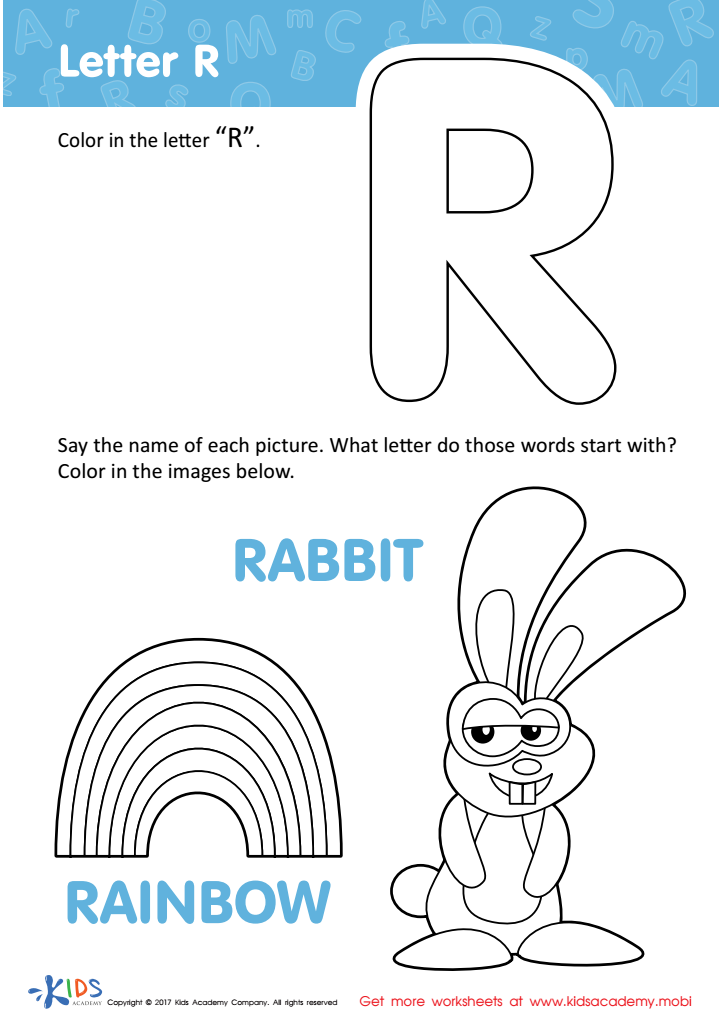
Letter R Coloring Sheet
Assign to My Students
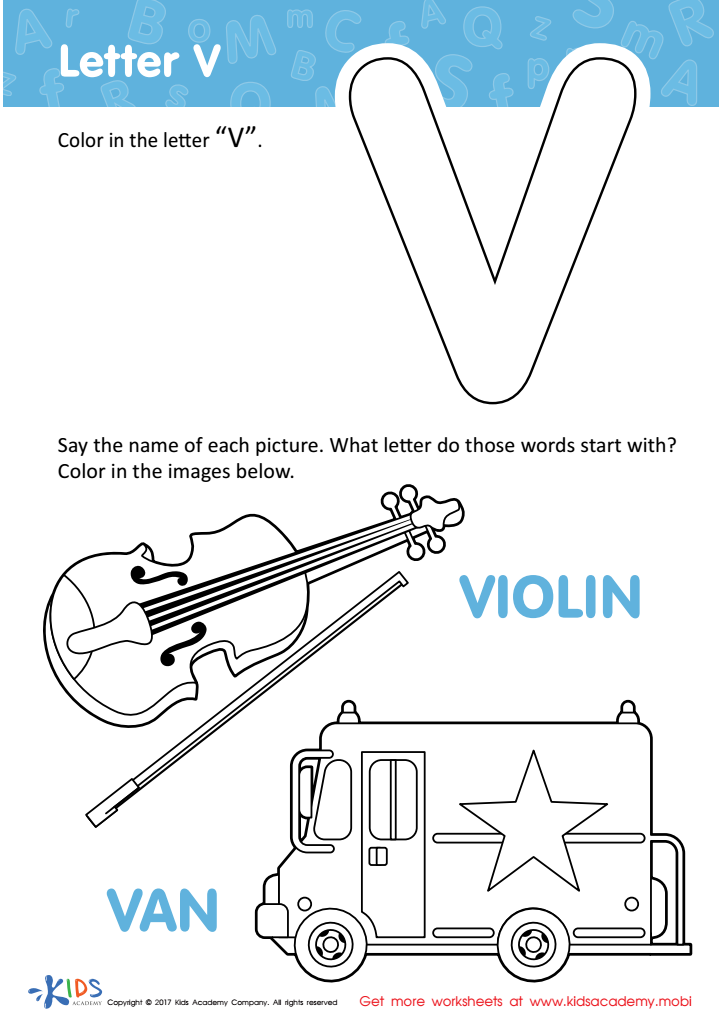
Letter V Coloring Sheet
Assign to My Students
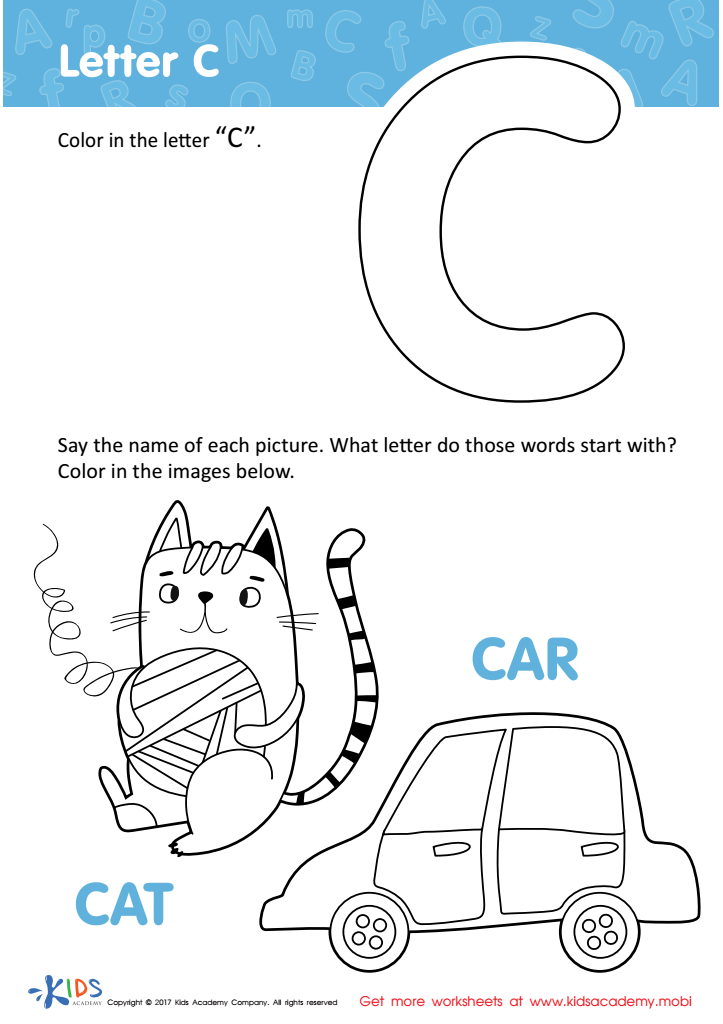
Letter C Coloring Sheet
Assign to My Students
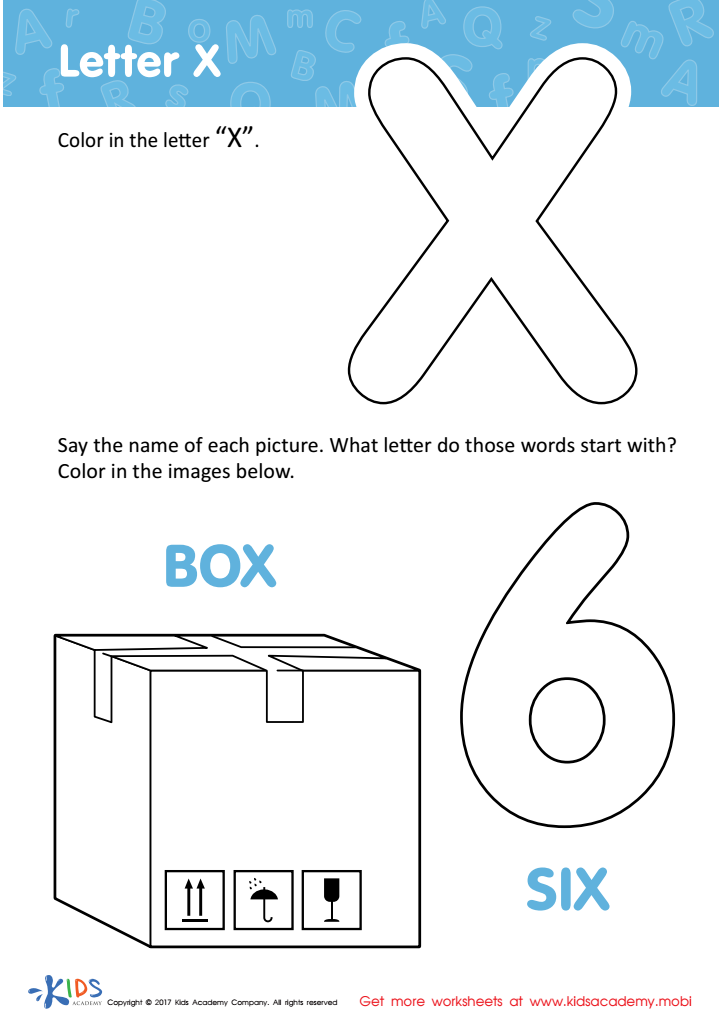
Letter X Coloring Sheet
Assign to My Students





Writing practice through Alphabet Coloring Pages is crucial for 3-year-olds as it lays the foundation for their literacy and cognitive development. At this age, children are naturally curious and eager to explore—their engagement with colorful alphabet pages combines play with learning, making the process both enjoyable and effective.
First, coloring helps develop fine motor skills, crucial for writing later on. These skills enhance hand-eye coordination as children grip crayons or markers, helping them learn how to control their movements when they eventually write letters. Second, engaging with the alphabet visually reinforces letter recognition, an essential step in the literacy journey. Familiarity with letters through coloring allows children to start associating sounds with letters, laying the groundwork for phonetic understanding.
In addition, coloring encourages creativity and self-expression. By personalizing their letters, children feel a sense of ownership and pride in their learning. This practice not only nurtures cognitive skills but also helps build confidence, positively impacting their future academic endeavors.
Ultimately, parents and teachers should prioritize alphabet coloring pages as an attractive and effective tool for supporting early learning and development in their children. Encouraging this practice enriches a child's educational experience and sets them on a path to success.







