
Color Identification Alphabet Worksheets for 3-Year-Olds
4 filtered results
Difficulty Level
Grade
Age
-
From - To
Subject
Activity
Standards
Our "Color Identification Alphabet Worksheets for 3-Year-Olds" are designed to make learning fun and engaging! These vibrant, printable worksheets help young learners associate colors with letters of the alphabet while enhancing their color recognition skills. Each page features colorful images and simple tasks to promote early literacy and cognitive development. Ideal for parents and educators, our worksheets foster creativity, concentration, and fine motor skills through engaging activities. Watch your child’s confidence grow as they learn their ABCs while developing a keen eye for colors! Explore our collection and give your little ones a head start in their educational journey.
Favorites
With answer key
Interactive
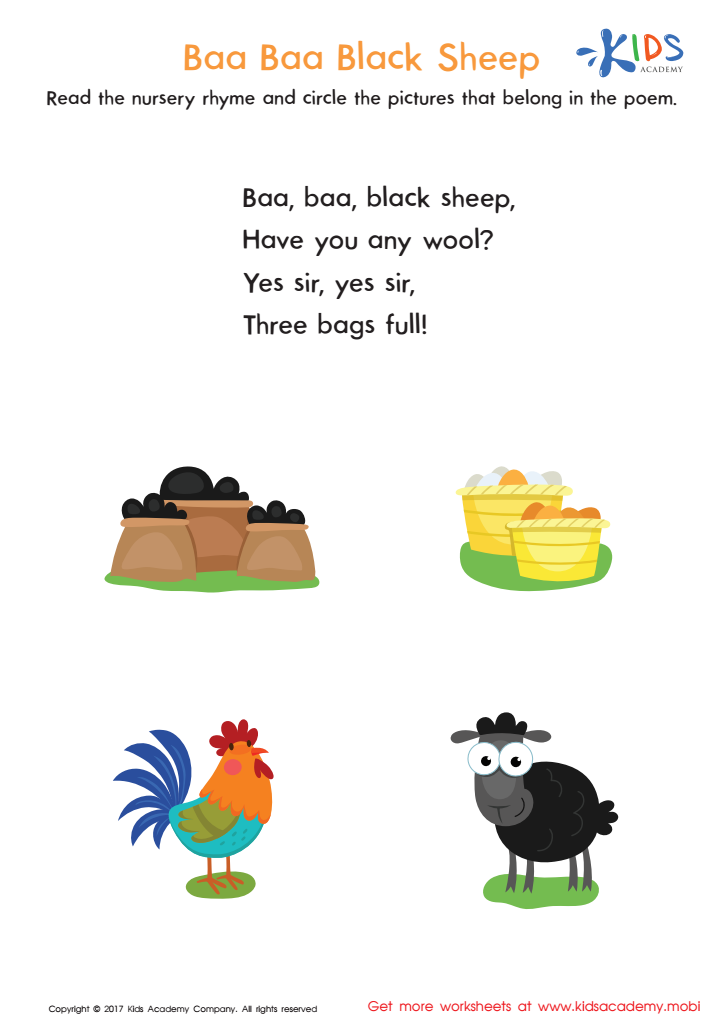
Baa Baa Black Sheep Printable
Jumpstart your child's reading skills with this printable Baa Baa Black Sheep worksheet! Recite the lines with them, then have them select the pictures associated with the poem to test comprehension. Fun and educational!
Baa Baa Black Sheep Printable
Worksheet
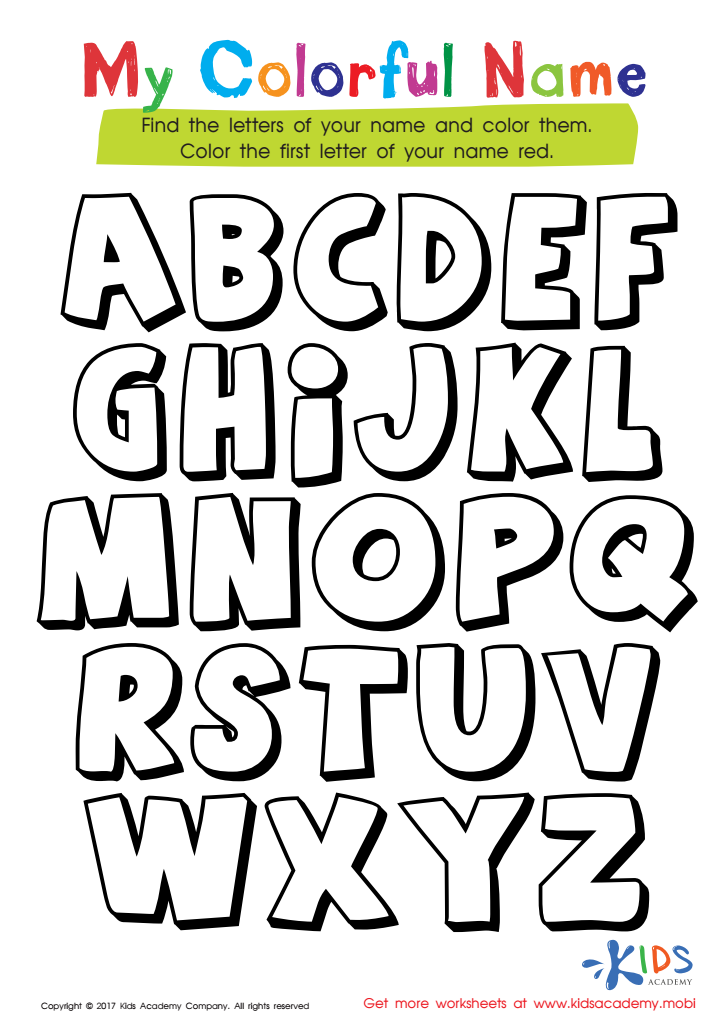
My Colorful Name Worksheet
Writing their names is a milestone for children. With this worksheet, they recall the letters in their name and color the letters one at a time. Spelling and alphabet order are reinforced as they find each letter. Use this fun printable to help kids learn to write their names!
Download (PDF)
 Assign to My Students
Assign to My Students
My Colorful Name Worksheet
Worksheet
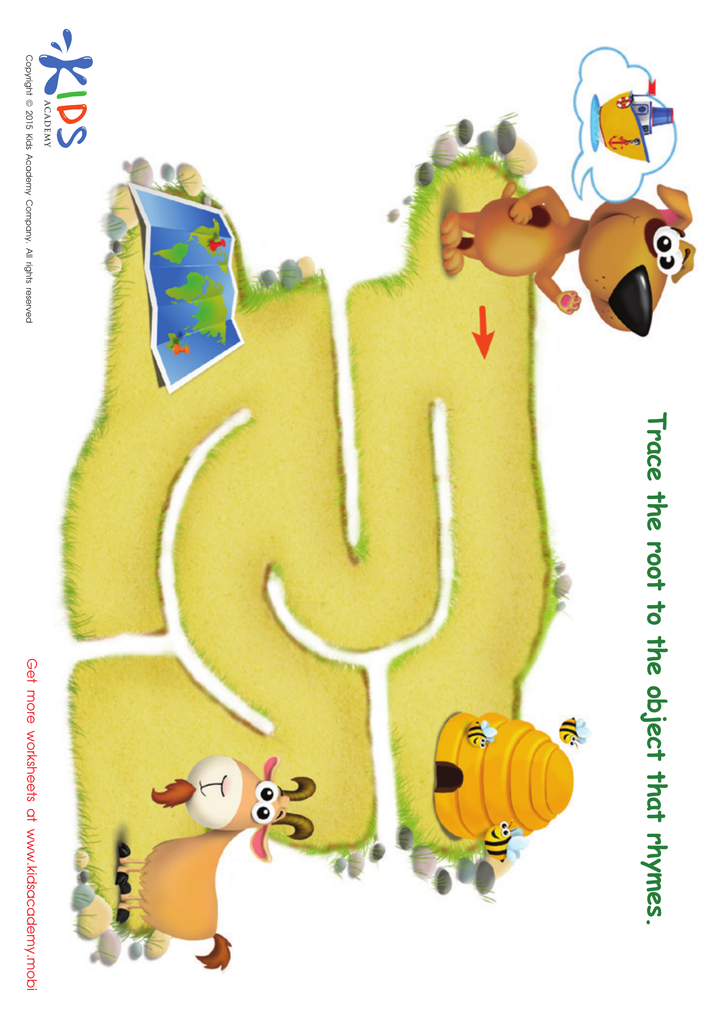
Boat Rhyming Words Worksheet
Help your preschooler complete the maze and rhyme with their favorite pooch! Draw a line from the dog to the matching item - is it a hive, a map or a goat? This fun activity lets them name the root words of pictures, and listen for rhymes to help them with phonics and reading.
Boat Rhyming Words Worksheet
Worksheet
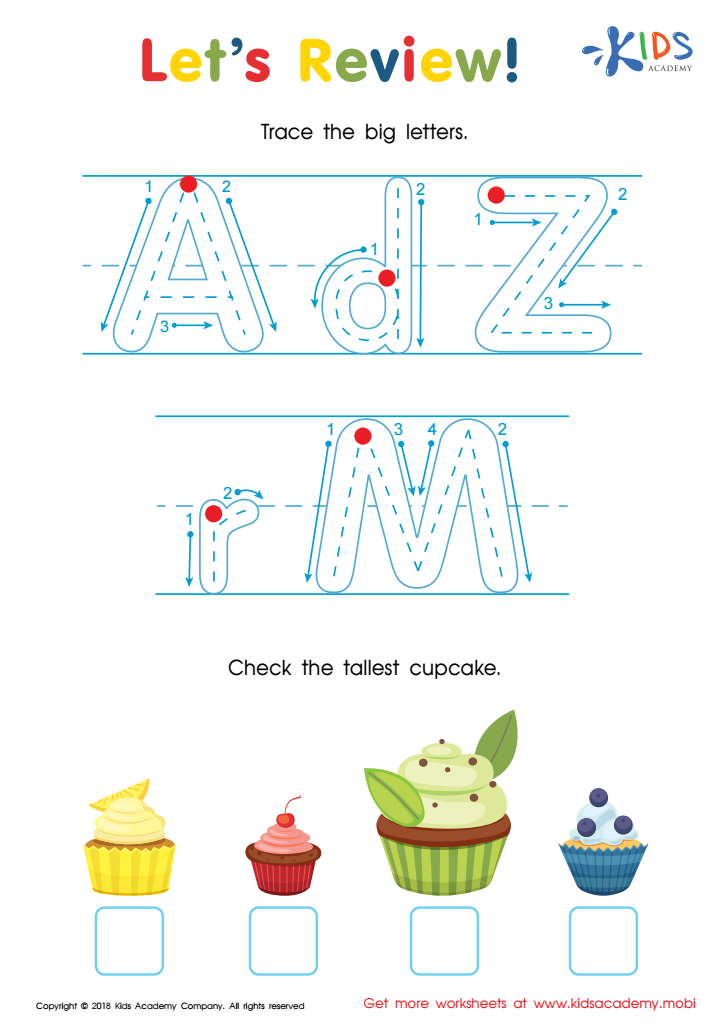
Let's Review! Big Letters Worksheet
Teach your child to read and write big and small letters with Kids Academy's tracing worksheet. Show them how to guide their pencil with each stroke. Reinforce their understanding with fun cupcake pictures and help them choose the tallest one. It's a great way to help them differentiate between uppercase and lowercase letters.
Let's Review! Big Letters Worksheet
Worksheet
Join Kids Academy for Free
Who is primarily going to use this learning content?








Teaching 3-year-olds to identify colors and associate them with letters through a Color Identification Alphabet is crucial for early childhood development. At this age, children are naturally curious and eager to learn, making it an ideal time to introduce concepts that will serve as building blocks for their future education.
Color identification fosters cognitive skills such as memory, attention, and critical thinking. By learning to recognize colors, children enhance their observational skills and become more aware of their environment. Incorporating letters into color recognition encourages language development, as kids begin to associate sounds and symbols with sensations and visuals. This integration lays a foundation for reading and comprehension skills that are vital for academic success later on.
Moreover, activities focused on the Color Identification Alphabet can be playful and engaging, offering children opportunities for social interaction and imaginative play with their peers. Parents and teachers can use this method to create a vibrant learning atmosphere that nurtures creativity and problem-solving.
Overall, prioritizing color identification combined with letters provides a multi-faceted approach to learning that supports emotional, social, and intellectual growth during these formative years. Investing in this skill can spark a lifelong love for learning in young children.







