Fine Motor Skills Alphabet Worksheets for 3-Year-Olds - Page 3
58 filtered results
-
From - To
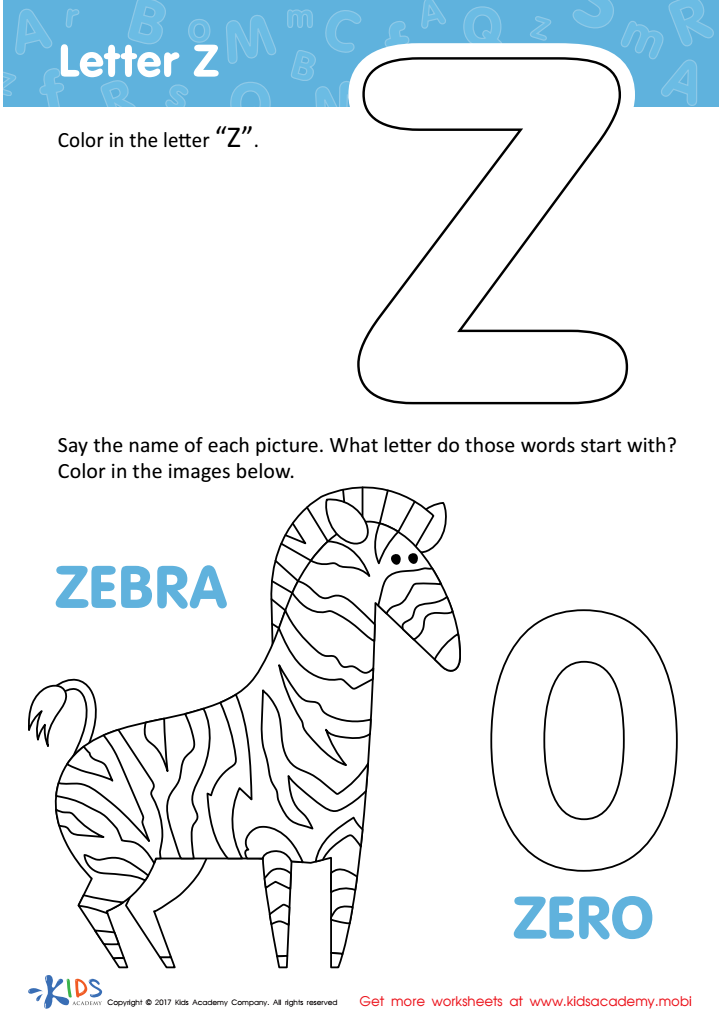
Letter Z Coloring Sheet
 Assign to My Students
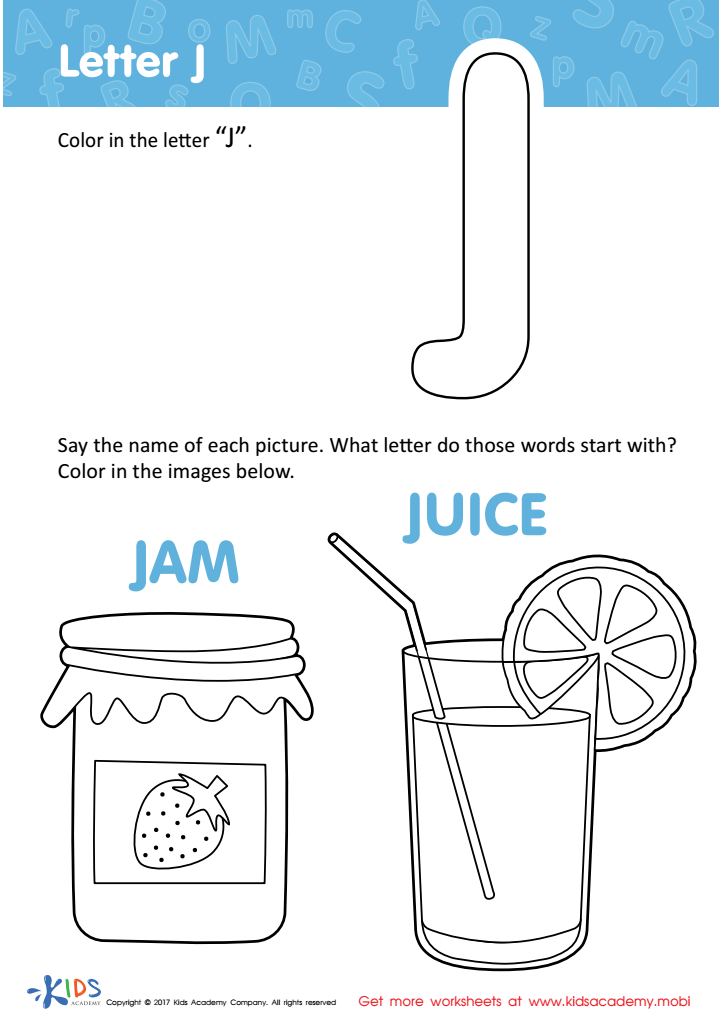
Letter J Coloring Sheet
Assign to My Students
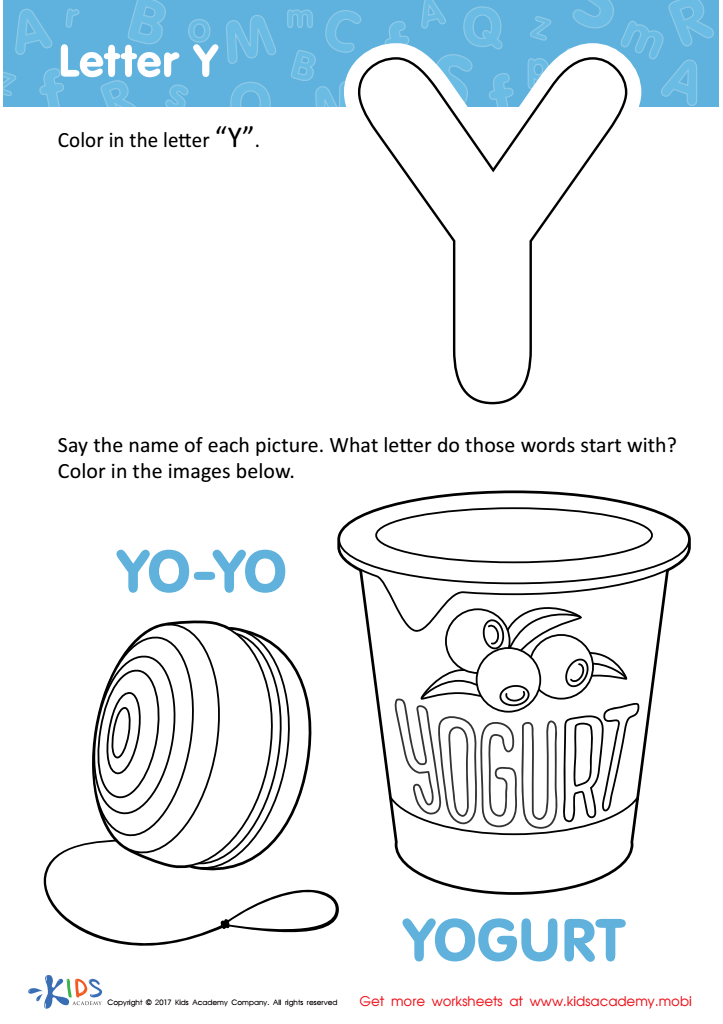
Letter Y Coloring Sheet
Assign to My Students
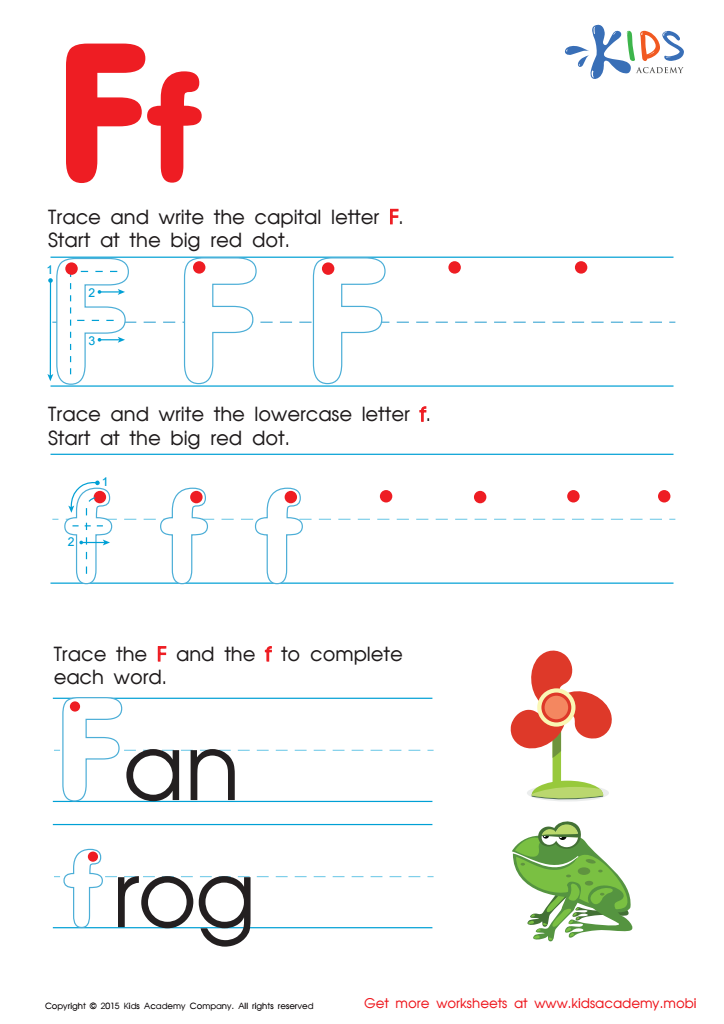
Letter F Tracing Page
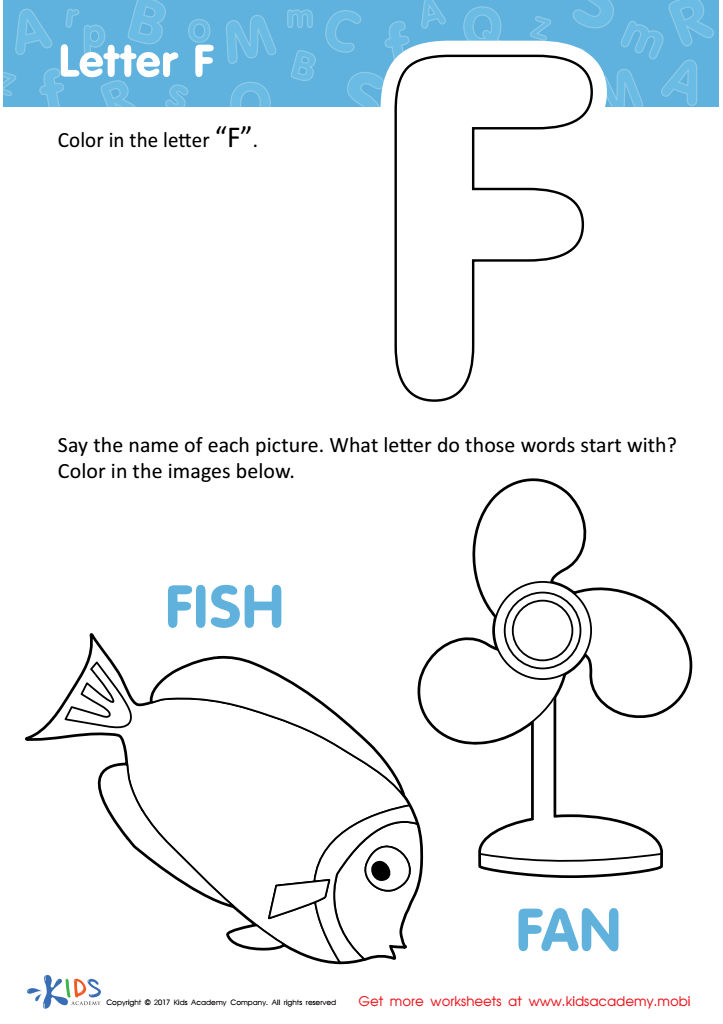
Letter F Coloring Sheet
Assign to My Students
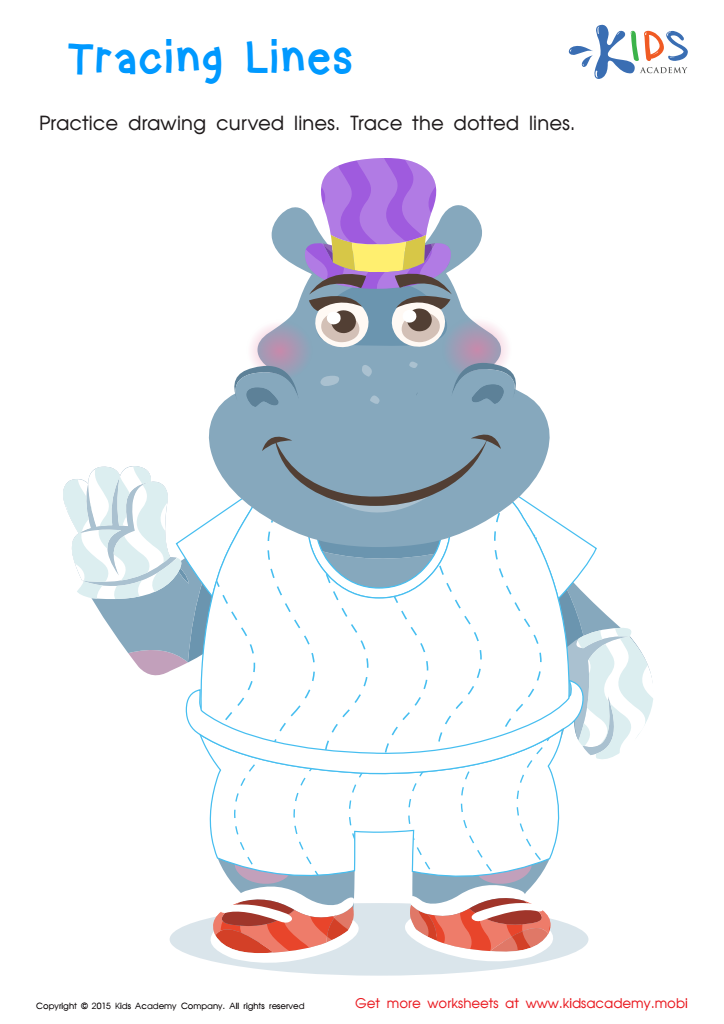
Tracing Lines Worksheet
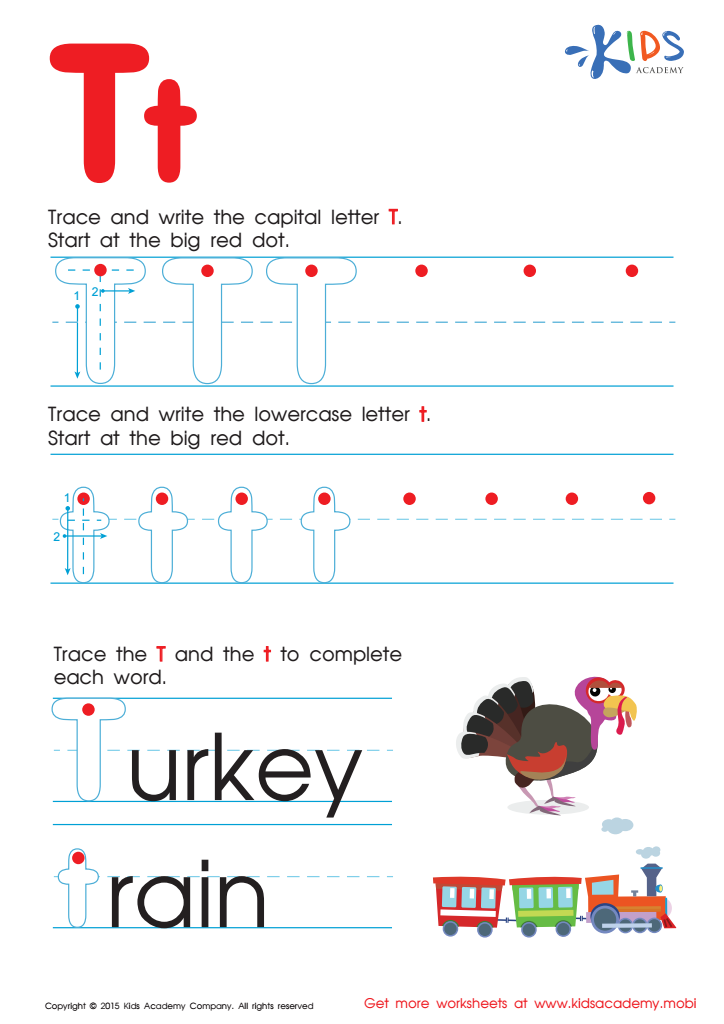
Letter T Tracing Page
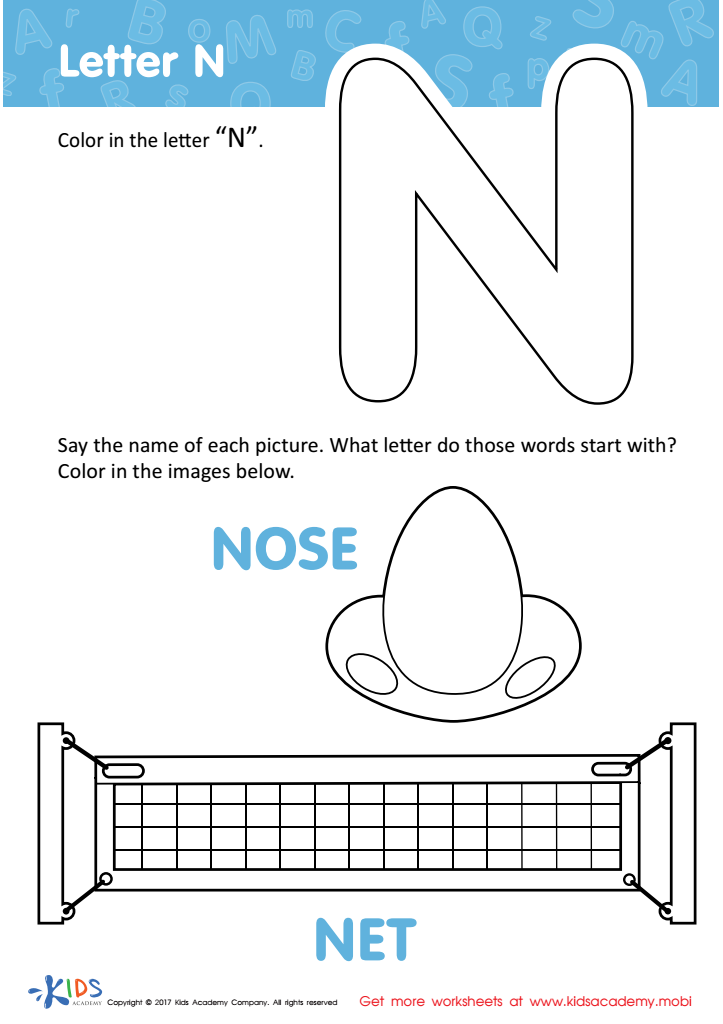
Letter N Coloring Sheet
Assign to My Students

Letter D Tracing Page
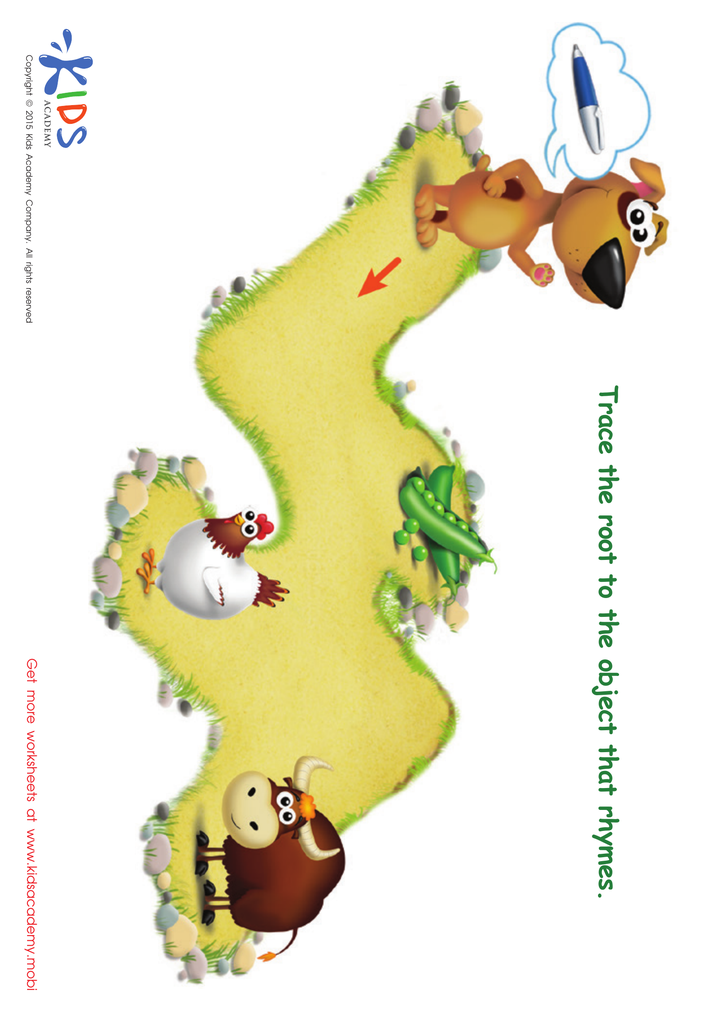
Pen Rhyming Words Worksheet







Fine motor skills are crucial for 3-year-olds as they lay the foundation for future learning and everyday tasks. As young children develop these skills, they enhance their ability to grasp, manipulate, and control small objects, which is vital for activities such as writing, drawing, and using scissors. An emphasis on fine motor skills, particularly through the alphabet, helps children become familiar with letter shapes, encouraging literacy development from a young age.
Parents and teachers should care about fine motor skills because they directly impact children's cognitive and motor development. Engaging activities that focus on the alphabet—such as tracing letters, assembling puzzles, or using playdough to form letters—boost not only fine motor skills but also hand-eye coordination and concentration. Moreover, these skills foster independence, allowing children to complete self-care tasks like buttoning shirts and tying shoes.
Developing fine motor skills through alphabet activities can be fun and interactive, promoting a joyful learning environment. When parents and teachers prioritize these skills, they empower children to gain confidence in their abilities, paving the way for future academic success and overall well-being. Ultimately, nurturing fine motor skills is essential for enhancing both learning and personal growth in young children.







