Letter Tracing Practice Alphabet Worksheets for 3-Year-Olds
5 filtered results
-
From - To
Welcome to our Letter Tracing Practice Alphabet Worksheets designed specifically for 3-year-olds! These engaging and colorful worksheets help young learners develop essential pre-writing skills as they trace both uppercase and lowercase letters. By practicing letter formation, children refine their fine motor skills while building confidence in their ability to write. Each worksheet is crafted to make learning enjoyable, featuring fun visuals and interactive activities that capture a child's attention. Whether at home or in the classroom, these letter tracing worksheets are a fantastic resource to support early literacy and prepare your little ones for future writing success! Explore our collection today!
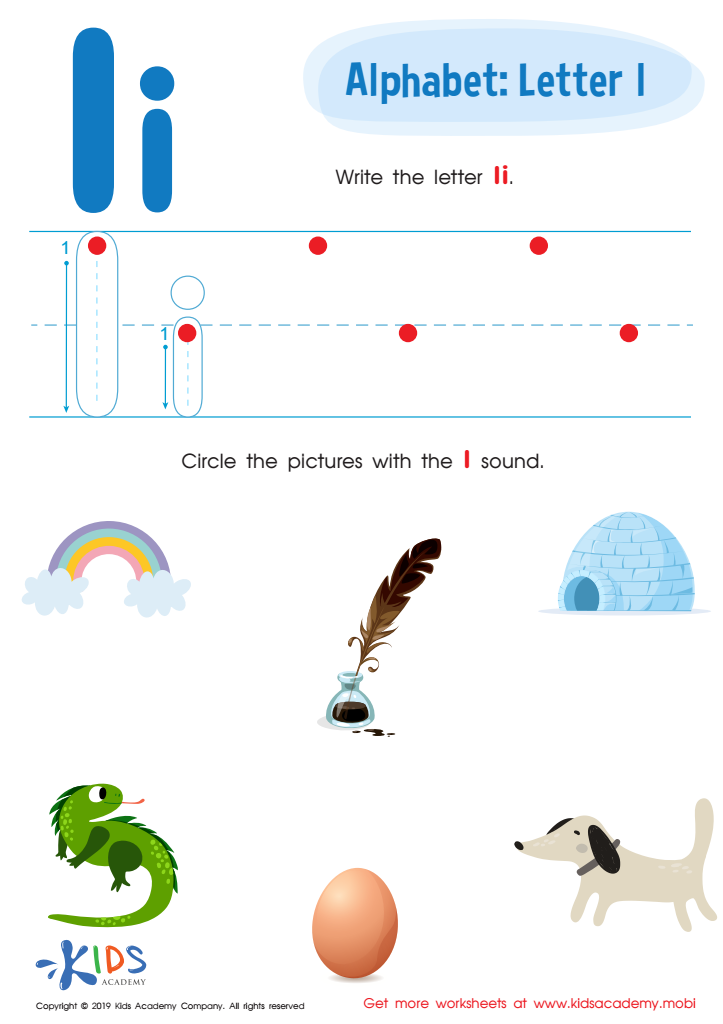
Letter I Tracing Worksheet
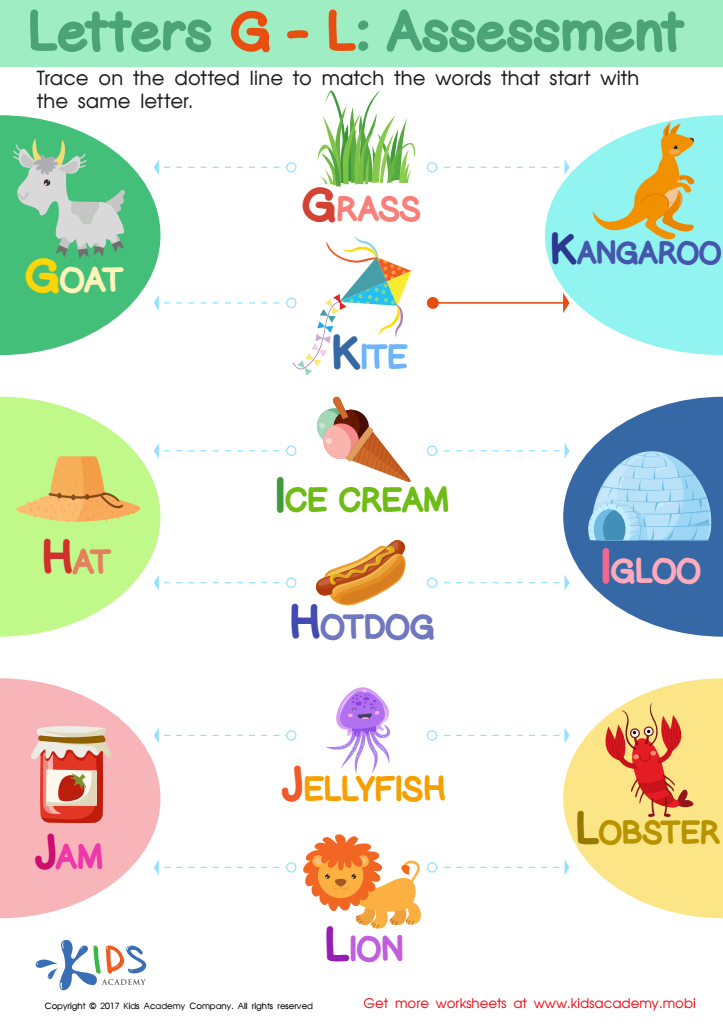
Letters G-L Worksheet
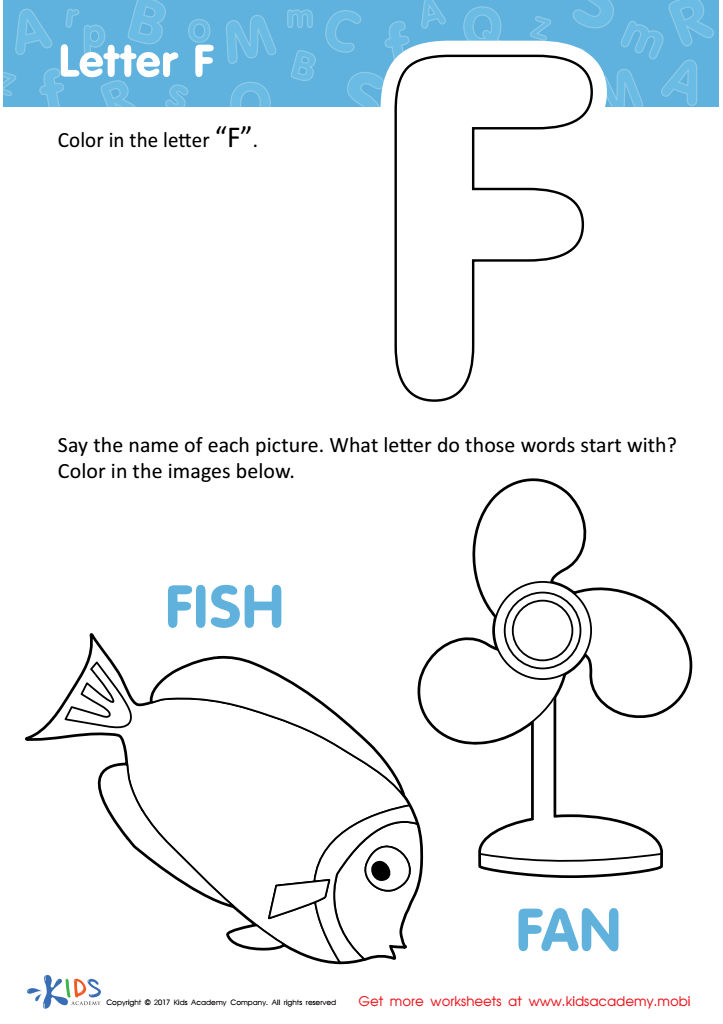
Letter F Coloring Sheet
 Assign to My Students
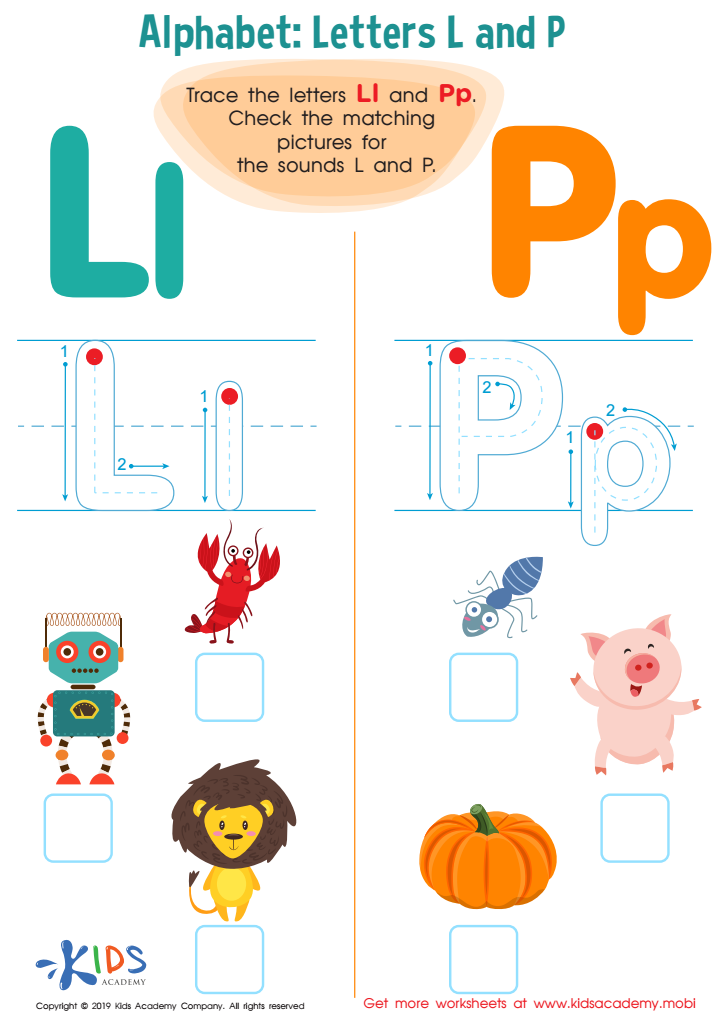
Letter L and P Tracing Worksheet
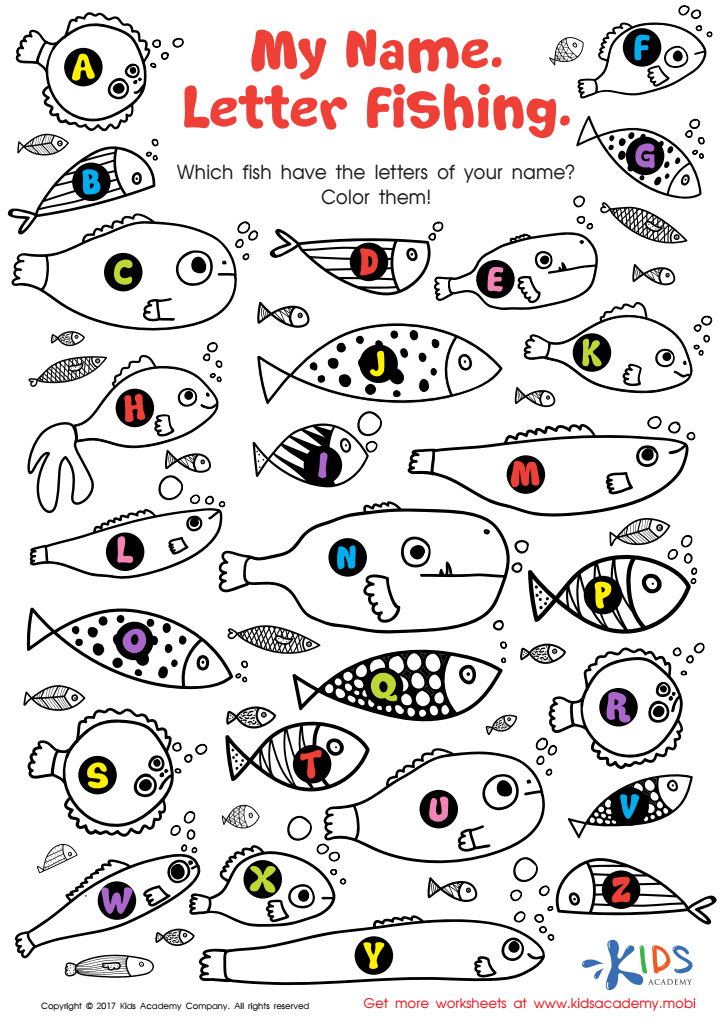
My Name: Letter Fishing Worksheet
Assign to My Students








Letter tracing practice is a crucial stepping stone in early childhood education, especially for 3-year-olds. Engaging in letter tracing helps children develop fine motor skills, which are essential for writing, using scissors, and performing everyday tasks. Tracing letters allows young learners to gain familiarity with the shapes and formations of each letter, laying a strong foundation for future reading and writing.
Additionally, letter tracing promotes letter recognition, aiding in phonemic awareness—the understanding that letters represent sounds. This foundational skill is vital for language development, paving the way for reading comprehension as children progress in school. When children begin to recognize and write letters, they also build their self-esteem and confidence as they accomplish new tasks.
Moreover, tracing activities can be both fun and interactive, capturing the interest of young learners. By incorporating creative elements, such as using colorful worksheets or tactile materials, educators and parents can create an engaging learning environment that fosters a love for letters.
In summary, letter tracing practice is beneficial for a child's motor skills, literacy development, and confidence. By encouraging this activity, parents and teachers play a significant role in preparing children for academic success and a lifelong love of learning.







