Reading skills development Alphabet Worksheets for 3-Year-Olds
3 filtered results
-
From - To
Unlock your child's love for reading with our engaging Alphabet Worksheets designed specifically for 3-year-olds. These interactive resources are perfect for developing essential reading skills through fun activities that capture young learners' attention. Each worksheet focuses on recognizing letters, building vocabulary, and understanding basic phonetics, making learning enjoyable and effective. Designed with colorful images and engaging content, our worksheets stimulate creativity while laying the groundwork for reading proficiency. Ideal for parents and educators alike, these resources will nurture your child's literacy skills and encourage a lifelong passion for reading. Start their reading journey today with our fun-filled alphabet worksheets!
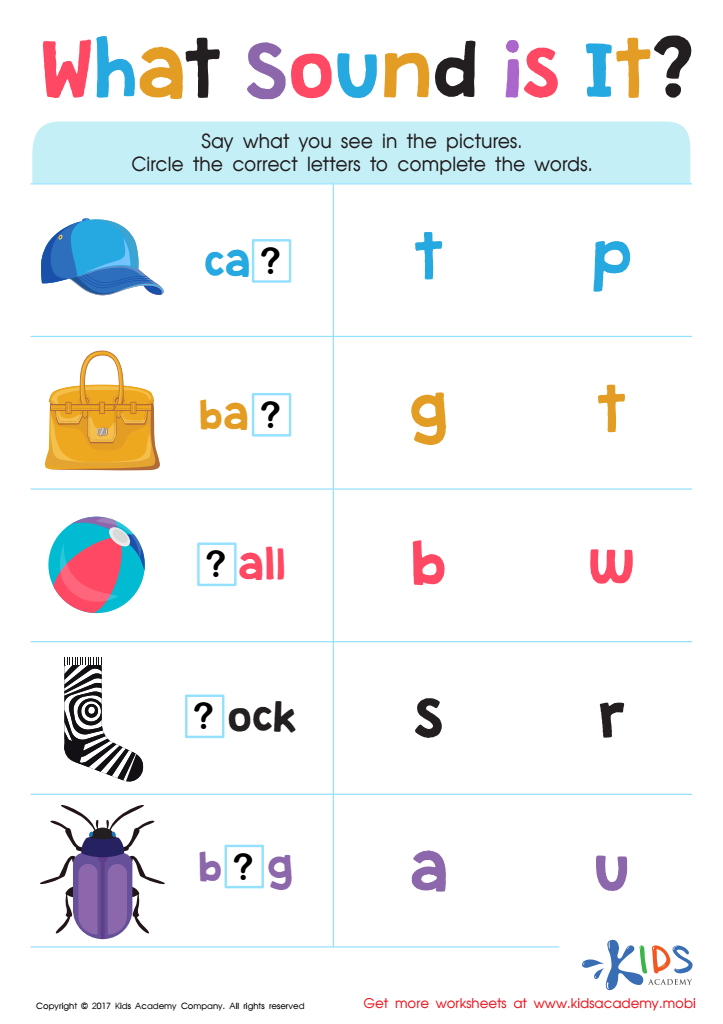
What Sound Is it? Worksheet
 Assign to My Students
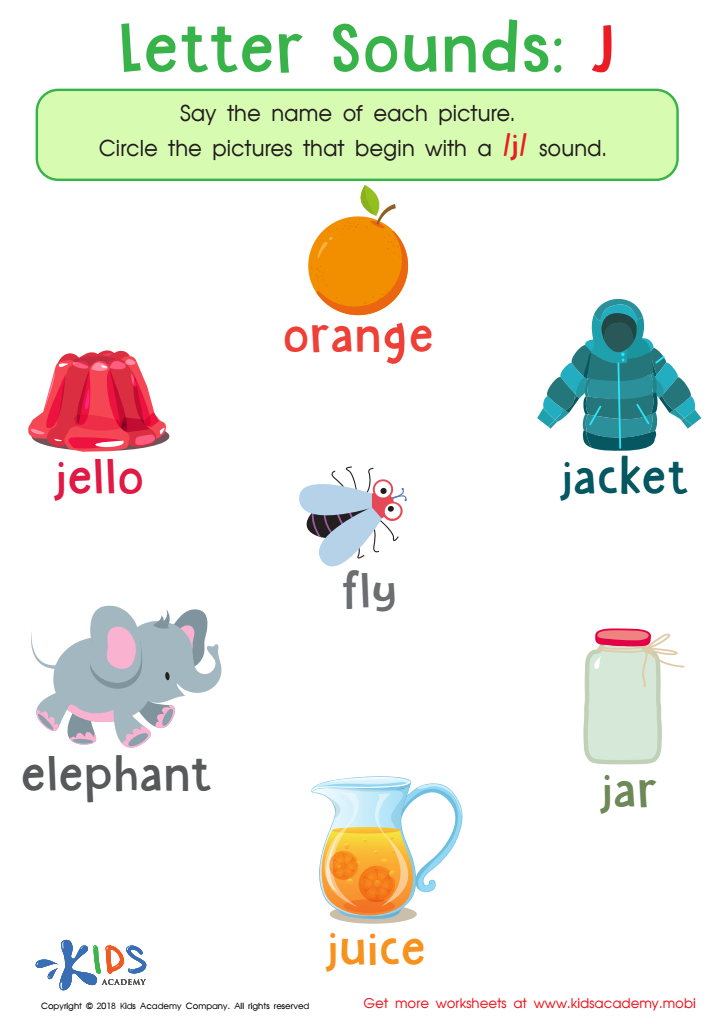
Letter Sounds: J Printable Worksheet
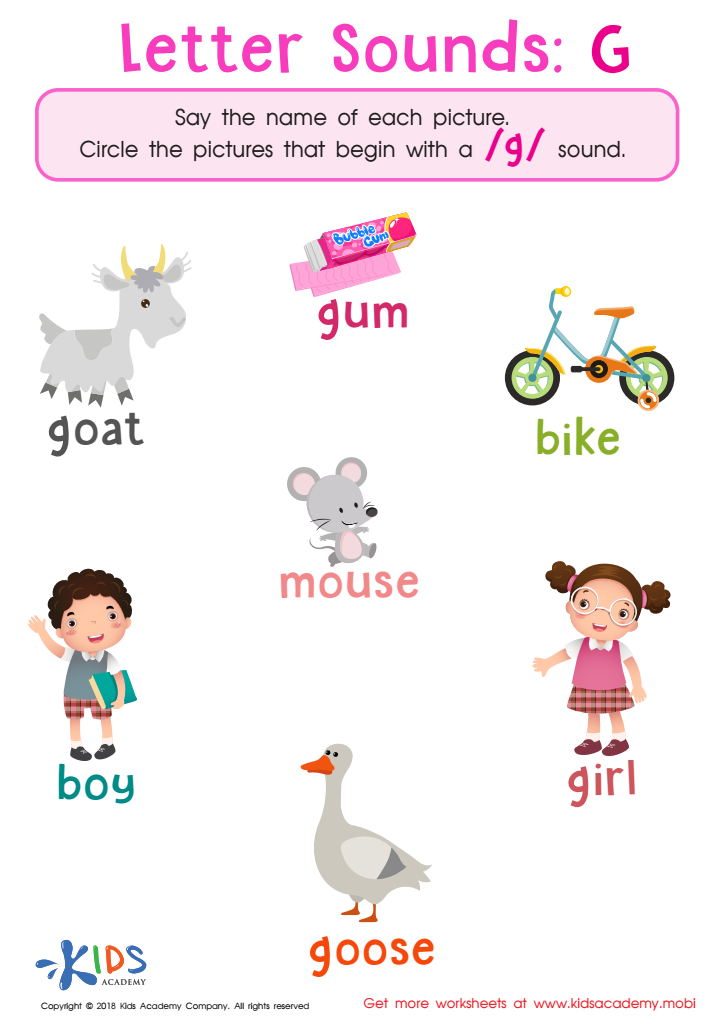
Letter G Sounds Worksheet








Reading skills development in 3-year-olds is crucial as it lays the foundation for future literacy and academic success. At this age, children are like sponges, enthusiastically absorbing information and developing their cognitive abilities. Learning the alphabet is a vital first step in this process.
Parents and teachers should care about this developmental milestone because recognizing letters’ shapes, sounds, and names fosters phonemic awareness, making it easier for children to learn how to read later. Introducing the alphabet through play, songs, and interactive activities sparks a love for reading, creating a positive association with literacy early in life.
Additionally, developing reading skills improves overall language proficiency, which enhances communication capabilities. Children who are exposed to rich vocabulary and reading practices are better prepared for school-ready literacy by kindergarten. This early investment influences not only academic achievement but also lifelong learning habits.
Moreover, strong reading skills contribute to confidence and social skills, allowing children to engage meaningfully with peers and adults. In essence, prioritizing alphabet recognition and reading skills development in 3-year-olds is a vital step toward ensuring that children not only succeed academically but also embrace literacy as an enjoyable and valuable lifelong pursuit.







