Shape Recognition Alphabet Worksheets for 3-Year-Olds
4 filtered results
-
From - To
Introduce your youngster to the joy of learning with our Shape Recognition Alphabet Worksheets for 3-year-olds! Designed to combine fun and education, these engaging worksheets help little ones identify and differentiate shapes while learning the alphabet. Each colorful worksheet is crafted to captivate children's imaginations and enhance fine motor skills and cognitive development. Perfect for at-home practice or preschool environments, these activities ensure your child builds a strong foundation in early learning. With easy-to-follow instructions and creative exercises, shape and alphabet mastery has never been more exciting. Download today and set the stage for academic success!
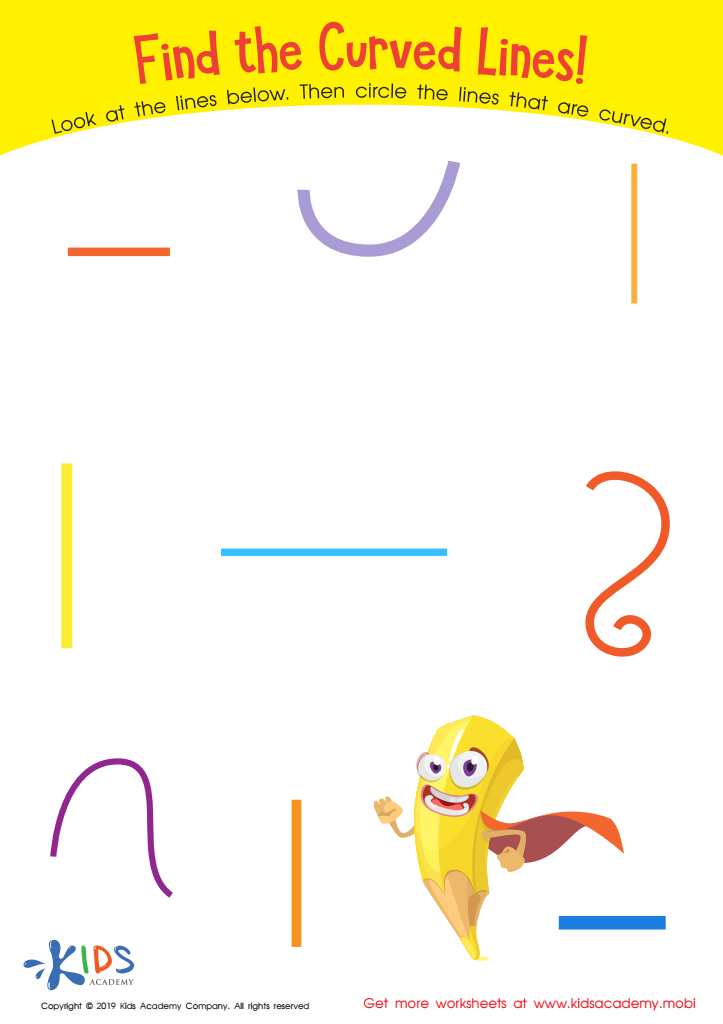
Find the Curved Lines! Worksheet
 Assign to My Students
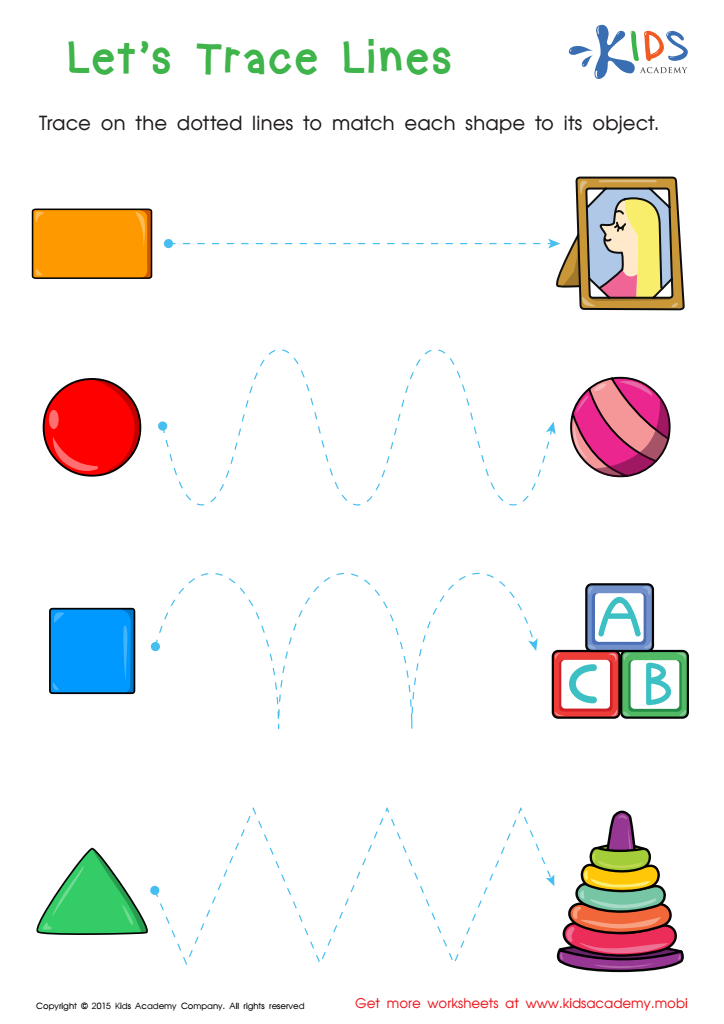
First Words: Let's Trace Lines Worksheet
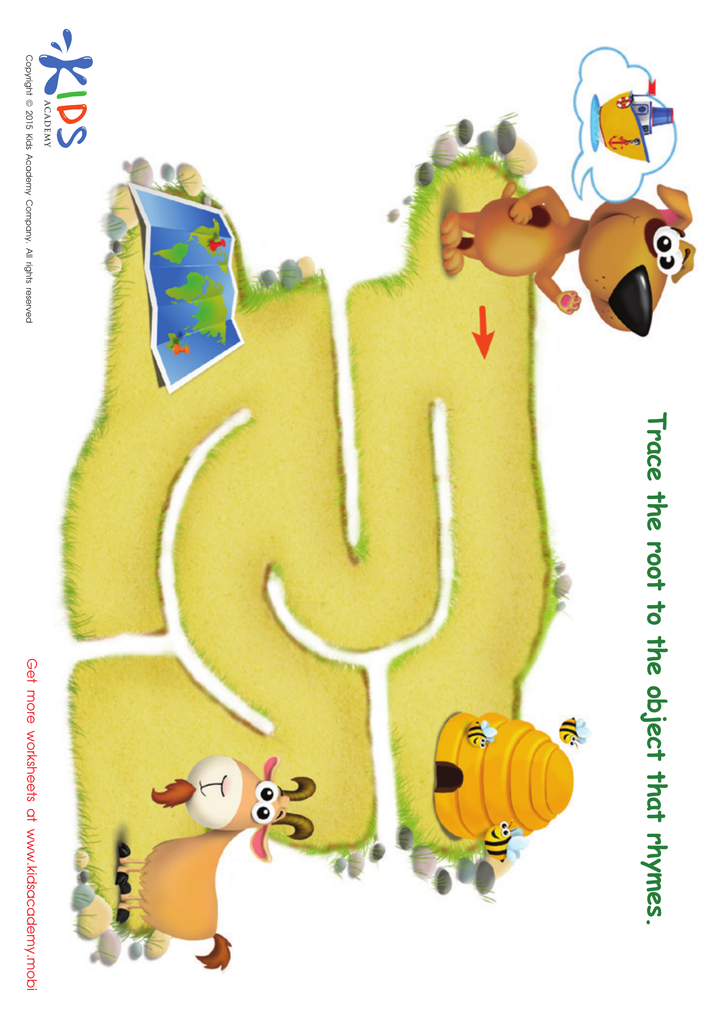
Boat Rhyming Words Worksheet
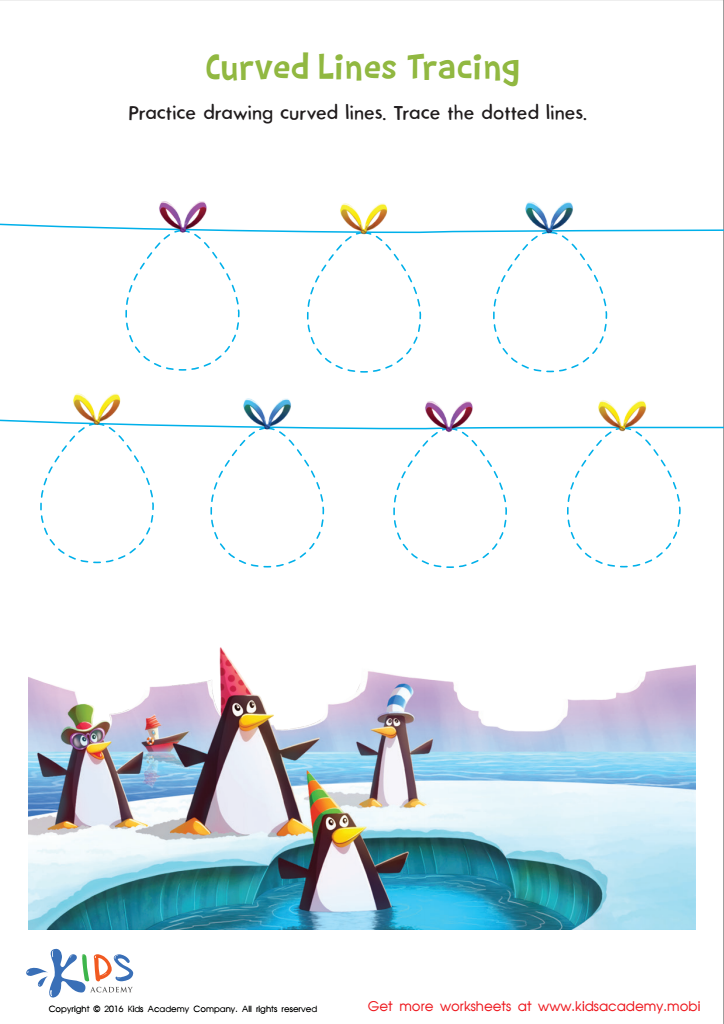
Curved Lines Tracing Worksheet







Parents and teachers should care about shape recognition, including shapes embedded in the alphabet, for 3-year-olds as it forms a fundamental part of early childhood development. Recognizing shapes within the alphabet links to foundational cognitive skills such as pattern recognition and spatial awareness. When children identify shapes like circles, squares, or triangles within letters, they’re learning to distinguish unique traits in visual symbols, which enhances problem-solving and critical thinking abilities.
Additionally, shape recognition aids in the improvement of fine motor skills, a vital component for writing and daily activities. By tracing or drawing shapes found in letters, children strengthen the muscles in their hands and fingers. Understanding these forms also paves the way for reading readiness. Knowing that the letter "O" resembles a circle or "D" has a half-circle shape helps kids remember and identify letters more easily, crucial for literacy development.
Finally, cultivating shape recognition through the alphabet engages children’s curiosity and fosters a love for learning. Making connections between shapes and letters can spark interest in both mathematics and language, laying a comprehensive educational foundation. Both at home and in educational settings, these early learning experiences are instrumental for a child's ongoing academic success and cognitive advancement.







