Sound identification Alphabet Worksheets for 3-Year-Olds
5 filtered results
-
From - To
Introduce your 3-year-old to the exciting world of sound identification with our engaging Alphabet Worksheets! Designed to enhance early literacy skills, these worksheets feature fun activities that connect letters to their corresponding sounds, making learning interactive and enjoyable. Your child will explore the sounds different letters make through colorful illustrations and simple exercises. These worksheets not only promote auditory discrimination but also encourage fine motor skills as kids practice writing and tracing letters. Perfect for parents and educators alike, our sound identification worksheets lay a strong foundation for a love of reading and language. Start your child's educational journey today!
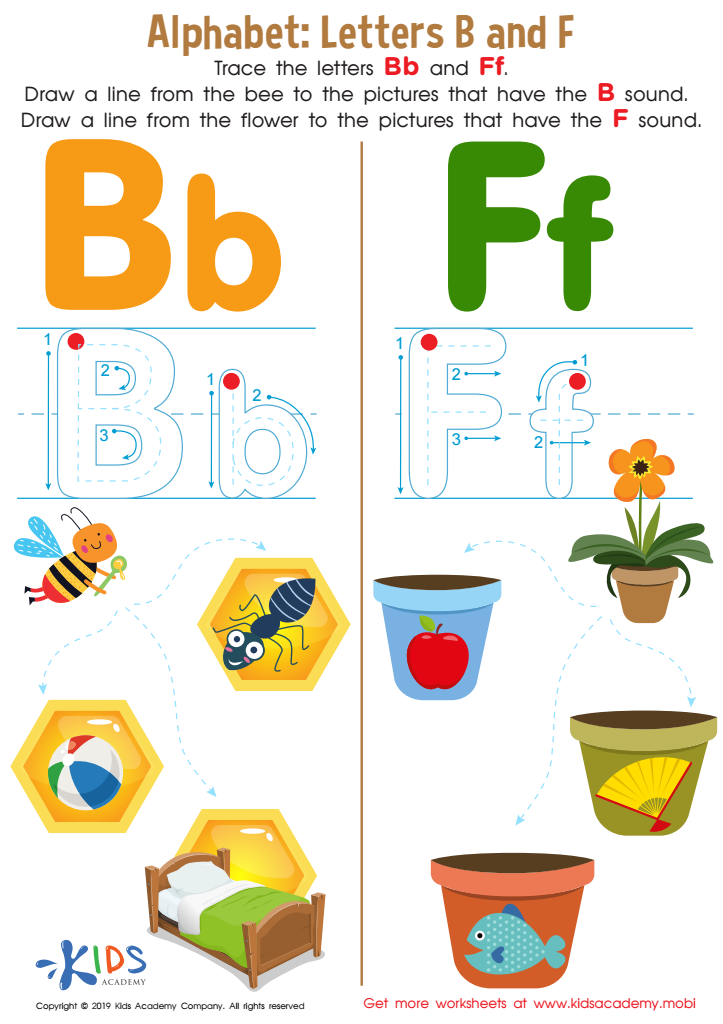
Letters B and F Tracing Worksheet
 Assign to My Students
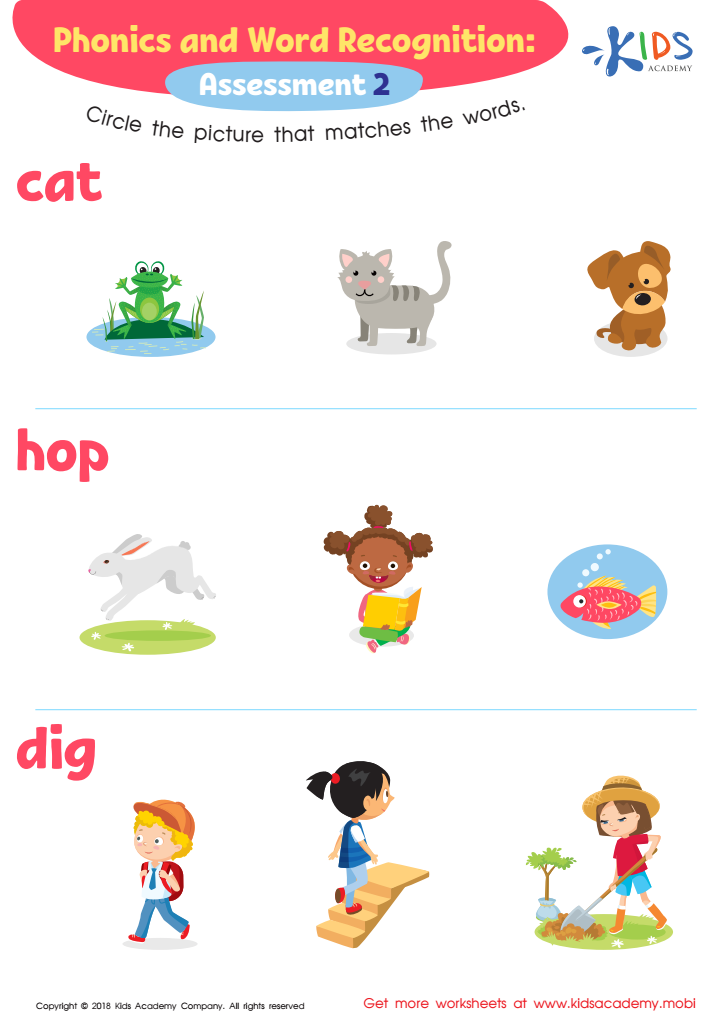
Phonological Awareness: Assessment 2 ELA Worksheet
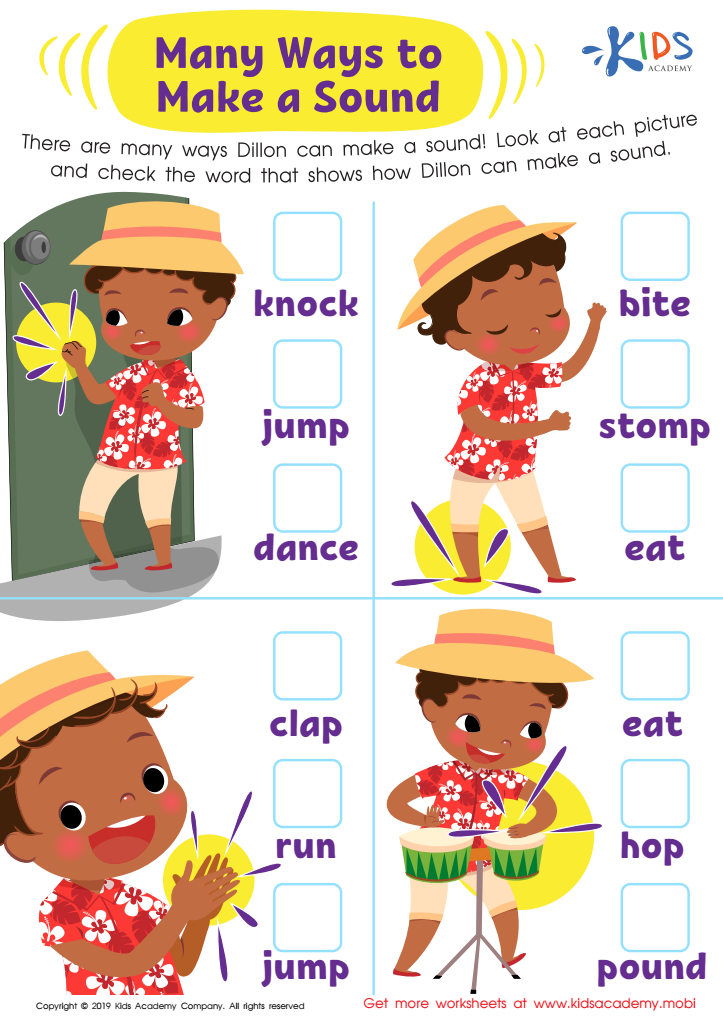
Many Ways to Make a Sound Worksheet
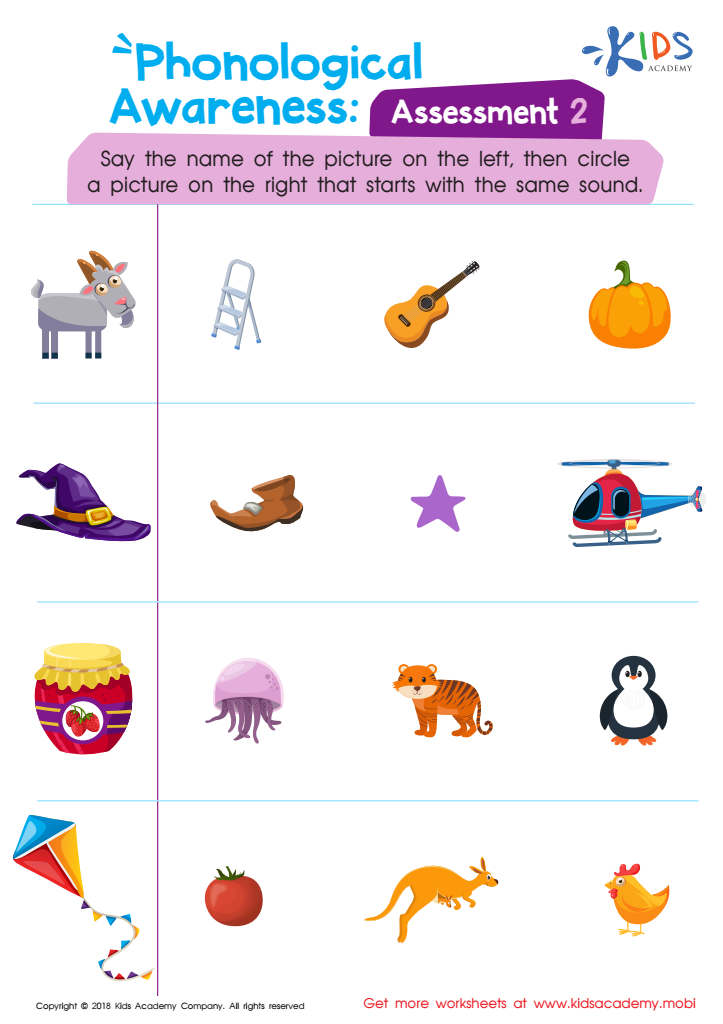
Phonological Awareness: Assessment 2 Worksheet
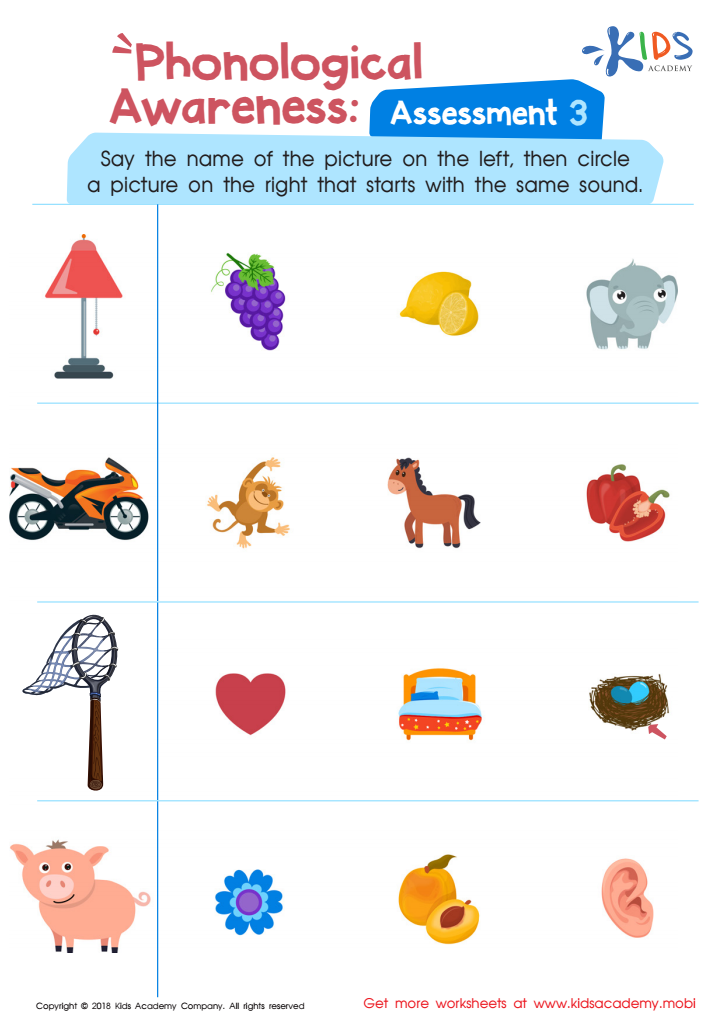
Phonological Awareness: Assessment 3 Worksheet







Sound identification is a crucial skill for 3-year-olds as it lays the foundation for reading and language development. Understanding the sounds associated with letters helps children recognize and decode words, which is essential for literacy skills. When children can identify the sounds in words, they become better equipped to make connections between spoken and written language, fostering reading comprehension down the line.
For parents and teachers, promoting sound identification engages young learners' auditory discrimination, enhancing their ability to distinguish between similar sounds—a critical cognitive skill. This is not merely about phonics but underpins language development; as children learn to identify sounds, they build their vocabulary and oral language skills.
Additionally, sound identification activities are often playful and fun, making them an enjoyable learning experience. Games, songs, and storytime can effectively incorporate sound identification, allowing children to learn in an interactive environment. Investing time in sound identification can lead to more confident readers and communicators, reducing the chances of future literacy challenges. When parents and teachers prioritize sound identification, they empower children with essential tools for lifelong learning and effective communication. Ultimately, fostering these skills contributes significantly to a child’s academic success and overall confidence in their abilities.







