Hand-eye Coordination Letter Recognition Worksheets for 3-Year-Olds
7 filtered results
-
From - To
Welcome to our Hand-eye Coordination Letter Recognition Worksheets designed specifically for 3-year-olds! These engaging worksheets help young learners develop crucial hand-eye coordination skills while mastering letter recognition. Through fun activities such as tracing, coloring, and matching letters, children who interact with these worksheets will enhance their fine motor skills and recognition of the alphabet. Each worksheet is crafted to cater to early childhood development, ensuring that learning is both enjoyable and effective. Foster a love for learning and set the foundation for literacy skills with our carefully curated worksheets today! Perfect for parents and educators alike, these resources make learning exciting!
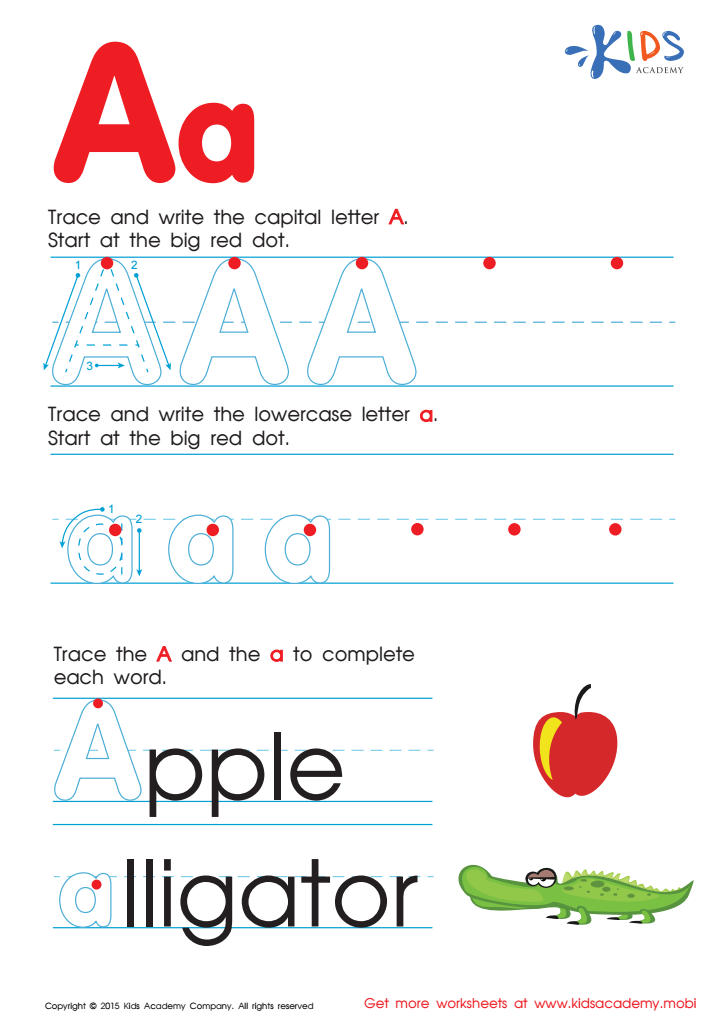
Letter A Tracing Page
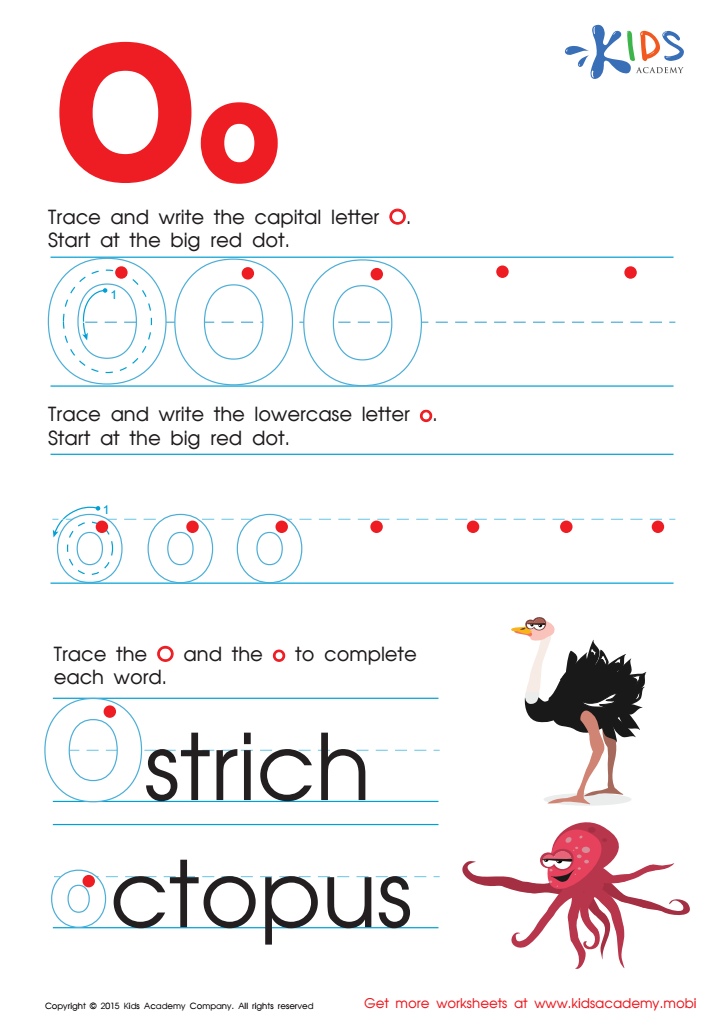
Letter O Tracing Page

Letter P Tracing Page
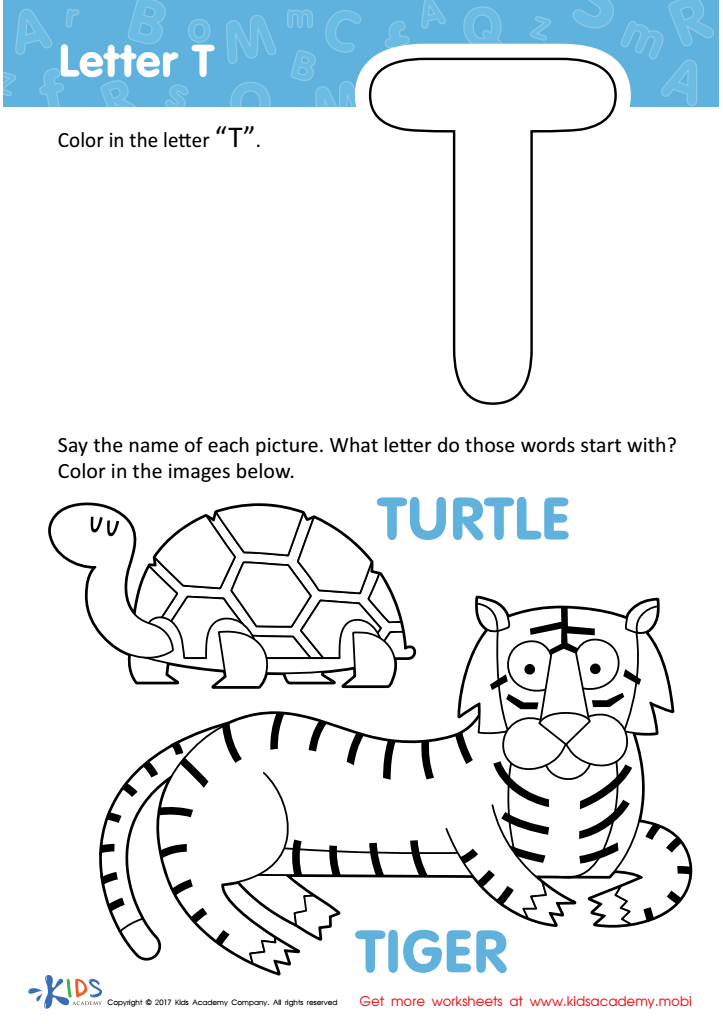
Letter T Coloring Sheet
 Assign to My Students

Letter H Tracing Page
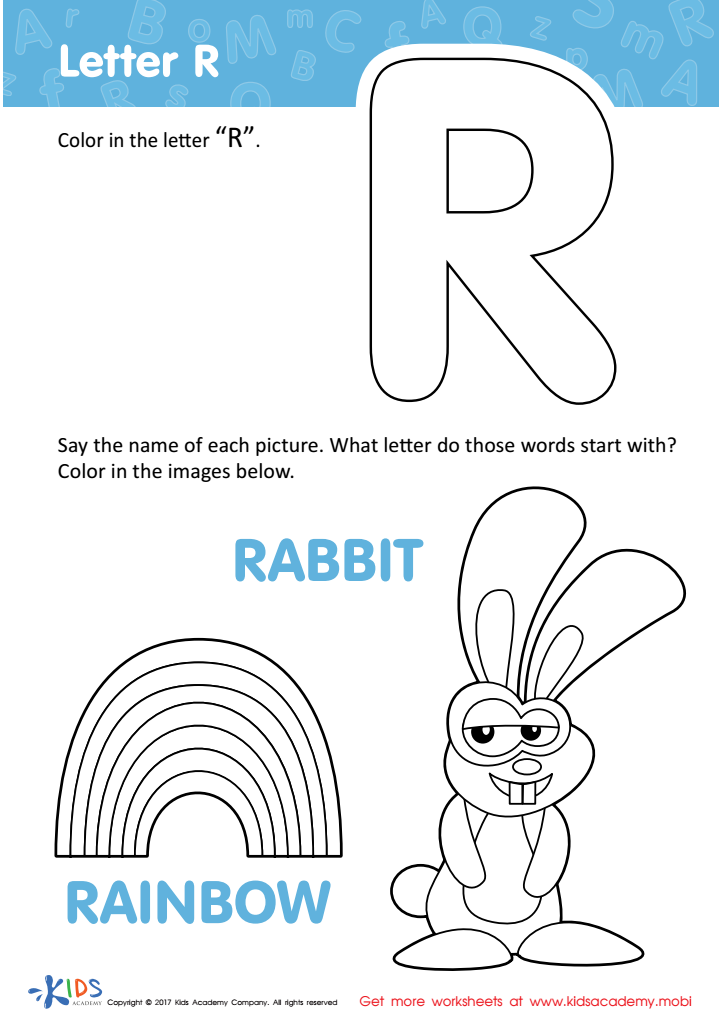
Letter R Coloring Sheet
Assign to My Students

Letter D Tracing Page








Hand-eye coordination and letter recognition are foundational skills crucial for a child’s development, particularly for 3-year-olds. At this age, children are rapidly developing their motor skills, cognitive abilities, and communication. Hand-eye coordination involves the ability to use visual input to guide hand movements, which is crucial for tasks like writing, drawing, and even basic self-care activities.
When parents and teachers focus on enhancing hand-eye coordination, they facilitate not just physical aptitude but also promote confidence in children's abilities. Engaging activities like throwing balls, stacking blocks, or coloring can reinforce these skills. Alongside motor development, introducing letter recognition at this stage sparks early literacy. Recognizing letters lays the groundwork for reading and writing, fostering a love for language that can last a lifetime.
Furthermore, hand-eye coordination paired with letter recognition can enhance a child's ability to participate in classroom activities, making learning more enjoyable and interactive. By prioritizing these areas, parents and teachers play a crucial role in paving the way for future academic success, social interaction, and overall cognitive development, making it essential to integrate these skills into daily play and learning experiences.







