
Alphabet Recognition Phonics Worksheets for 3-Year-Olds
6 filtered results
Difficulty Level
Grade
Age
-
From - To
Subject
Activity
Standards
Discover our engaging Alphabet Recognition Phonics Worksheets designed specifically for 3-year-olds! These interactive resources help young learners familiarize themselves with letters and their associated sounds, laying the foundation for early literacy skills. Each worksheet features fun illustrations and activities that capture children's attention and foster a love of learning. As they trace, match, and identify letters, kids develop important motor skills while reinforcing their phonics knowledge. Perfect for parents and educators, our worksheets make learning the alphabet enjoyable and effective. Start your child's phonics journey today and watch them flourish as they recognize letters with confidence!
Favorites
With answer key
Interactive
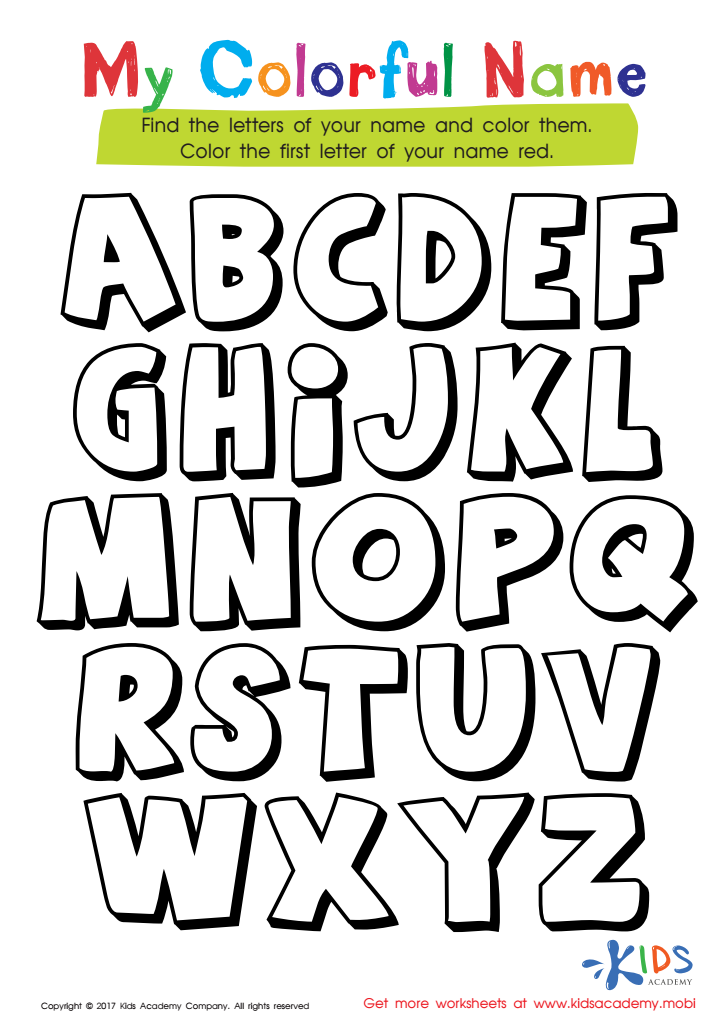
My Colorful Name Worksheet
Writing their names is a milestone for children. With this worksheet, they recall the letters in their name and color the letters one at a time. Spelling and alphabet order are reinforced as they find each letter. Use this fun printable to help kids learn to write their names!
Download (PDF)
 Assign to My Students
Assign to My Students
My Colorful Name Worksheet
Worksheet
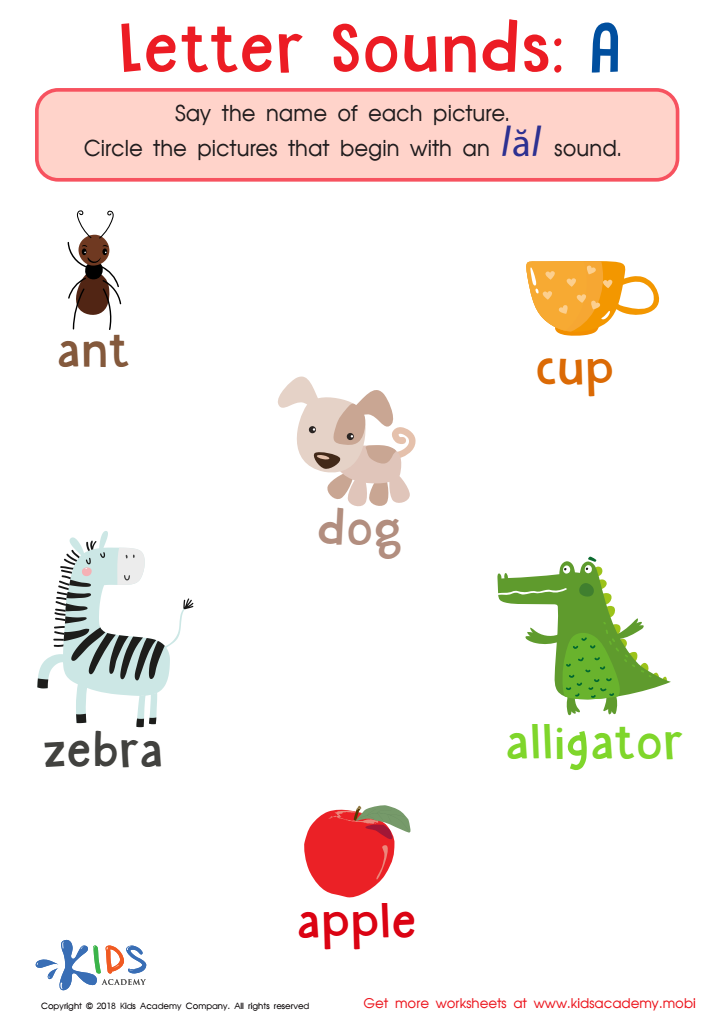
Letter A Sounds Worksheet
Encourage your new reader to practice the «ă» sound with this fun, free PDF worksheet. With the help of picture clues, they'll say the name of each word and trace circles around the items that start with «ă». This worksheet is an effective way to boost beginning sound skills while having fun!
Letter A Sounds Worksheet
Worksheet
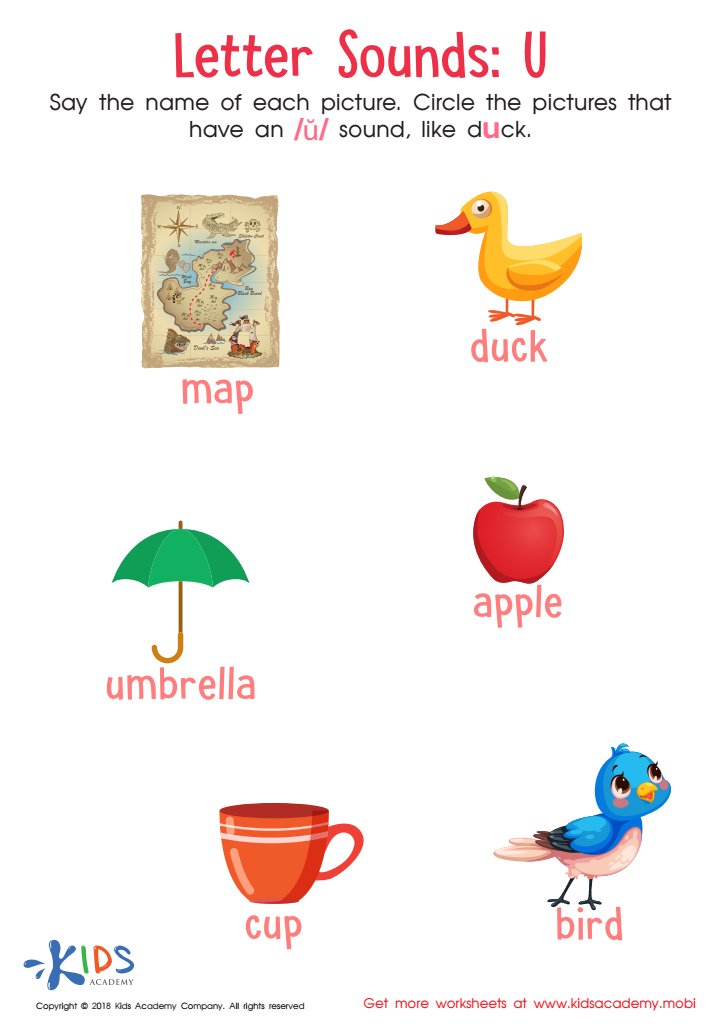
Letter U Sounds Worksheet
The letter U is special with multiple pronunciations. This worksheet helps kids identify the short «u» in words like duck and cup. Read the words aloud and listen closely to the sounds. Circle only words with the correct sound to complete the sheet. Kids will quickly know that words like "map" don't contain a U.
Letter U Sounds Worksheet
Worksheet
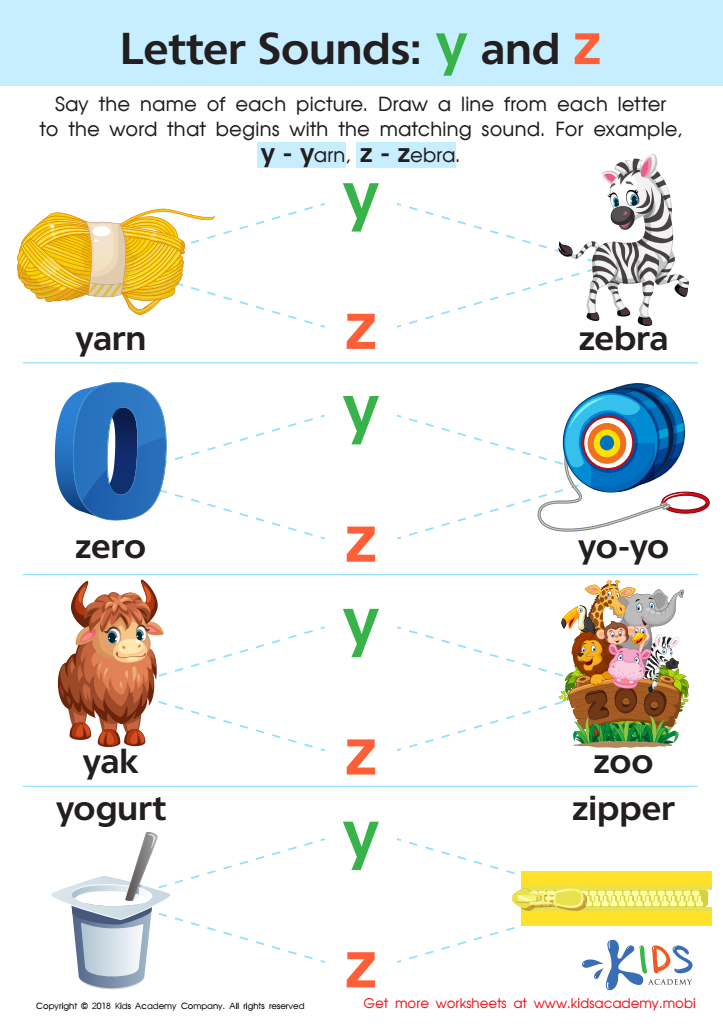
Letter Y and Z Sounds Worksheet
Y and Z can be tricky for kids to learn. Kids Academy has the answer with a great worksheet. "Yo-yo", "yak" and "zebra" help kids recognize, say and trace each letter. Plus, they can read the words and match them to images! Let your child try and help them master phonics at the end of the alphabet.
Letter Y and Z Sounds Worksheet
Worksheet
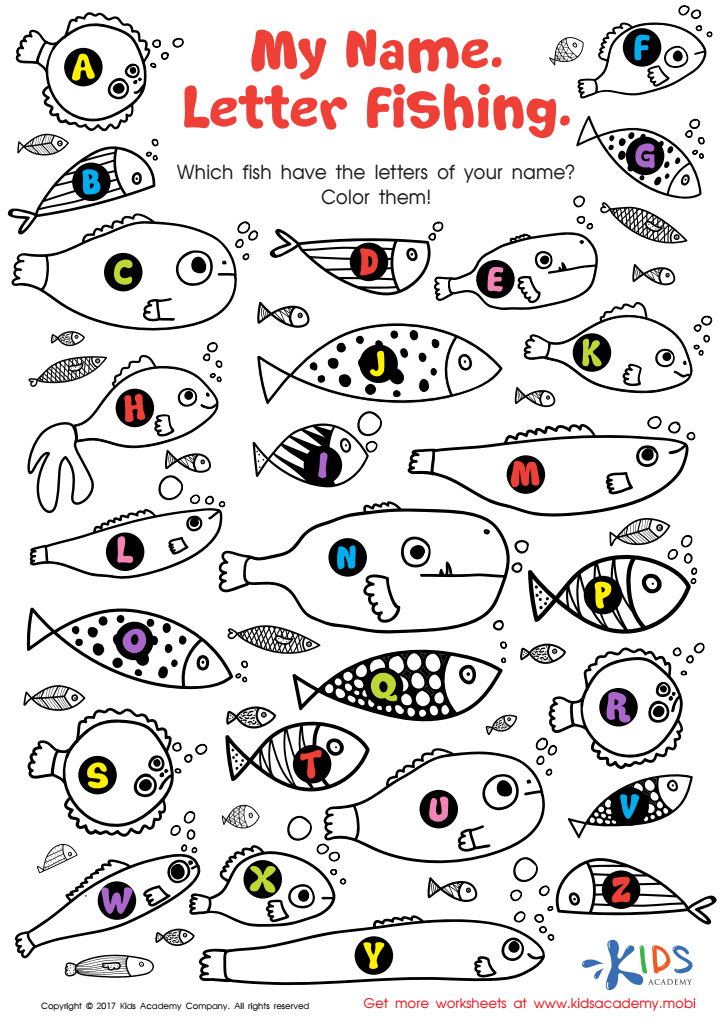
My Name: Letter Fishing Worksheet
Dive into the deep sea and search for fish with a letter on them. Can you find all the letters from your name? Color your favorite fish with crayons and be creative! On the other side, use the letters you found to write your name. Have fun coloring and finding the letters of your name! (80 words)
Download (PDF)
Assign to My Students
Assign to My Students
My Name: Letter Fishing Worksheet
Worksheet
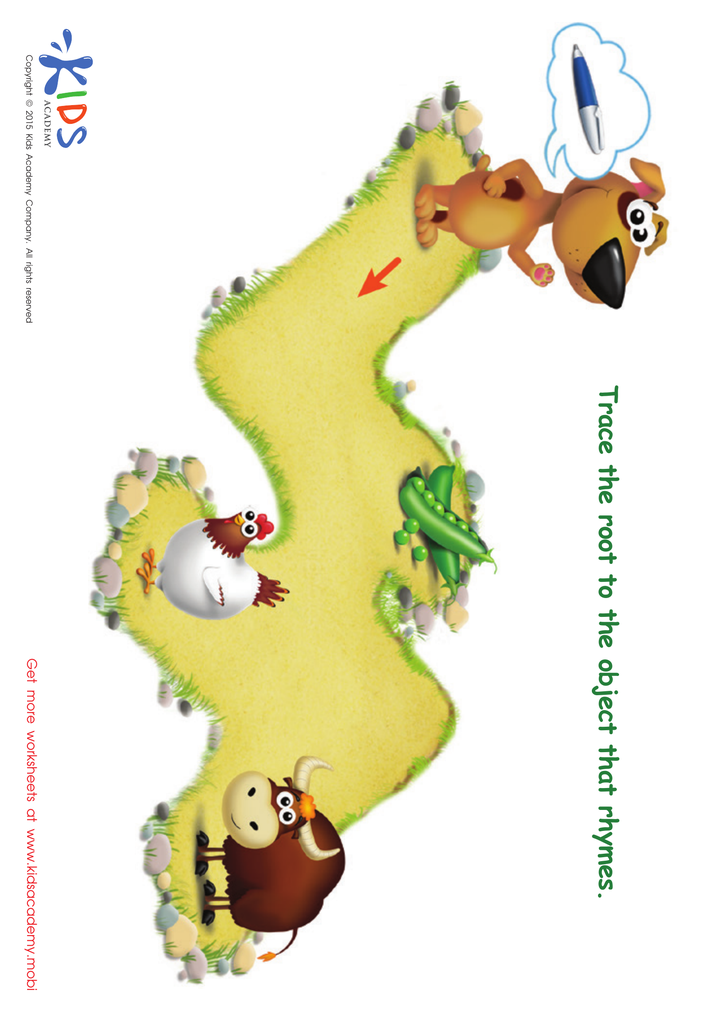
Pen Rhyming Words Worksheet
Check out the cute pup, pondering away. He's thinking of a root word - no suffix or prefix. Now check the hen, green beans, and the cow. Can you find the word that rhymes with pen? Draw a line from the root word to its rhyme for this simple yet beneficial worksheet. It helps young learners practice hearing and recognizing rhymes.
Pen Rhyming Words Worksheet
Worksheet
Join Kids Academy for Free
Who is primarily going to use this learning content?








Alphabet recognition and phonics are foundational skills that lay the groundwork for literacy and overall academic success. For parents and teachers of 3-year-olds, fostering these skills is particularly critical as early language development has profound implications for a child's cognitive growth and lifelong learning.
At this age, children are naturally curious and eager to explore new concepts. Introducing alphabet recognition helps them identify letters and understand their sounds, which is essential for reading. Research shows that early phonics instruction not only enhances recognition of letters but also improves a child’s ability to decode words, making reading easier and more enjoyable.
Moreover, engaging with letters and sounds supports a child's developmental milestones in vocabulary and comprehension, enhances communication skills, and boosts confidence. This foundation can have lasting effects on future academic performance.
Additionally, incorporating playful and interactive activities—such as singing alphabet songs or playing letter games—helps maintain their interest and can create positive associations with learning. Parents and teachers can work collaboratively to create a language-rich environment, ensuring that children are well-prepared for the complex tasks required in later schooling. Ultimately, caring about alphabet recognition and phonics is an investment in a child’s future, making learning a rewarding adventure from the very beginning.







