Phonics skills development Phonics Worksheets for 3-Year-Olds
3 filtered results
-
From - To
Discover the joy of learning with our Phonics Skills Development Worksheets designed for 3-year-olds! Our expertly crafted worksheets foster early reading and language skills through engaging, age-appropriate activities. Each worksheet focuses on foundational phonics elements like letter recognition, sound matching, and simple word building. Developed by educators, these printable resources make learning fun and effective. Ideal for home or classroom use, they ensure a solid phonics foundation for your little learners. Dive into the world of phonics today and watch your child's confidence soar as they explore sounds and letters with enthusiasm and ease!
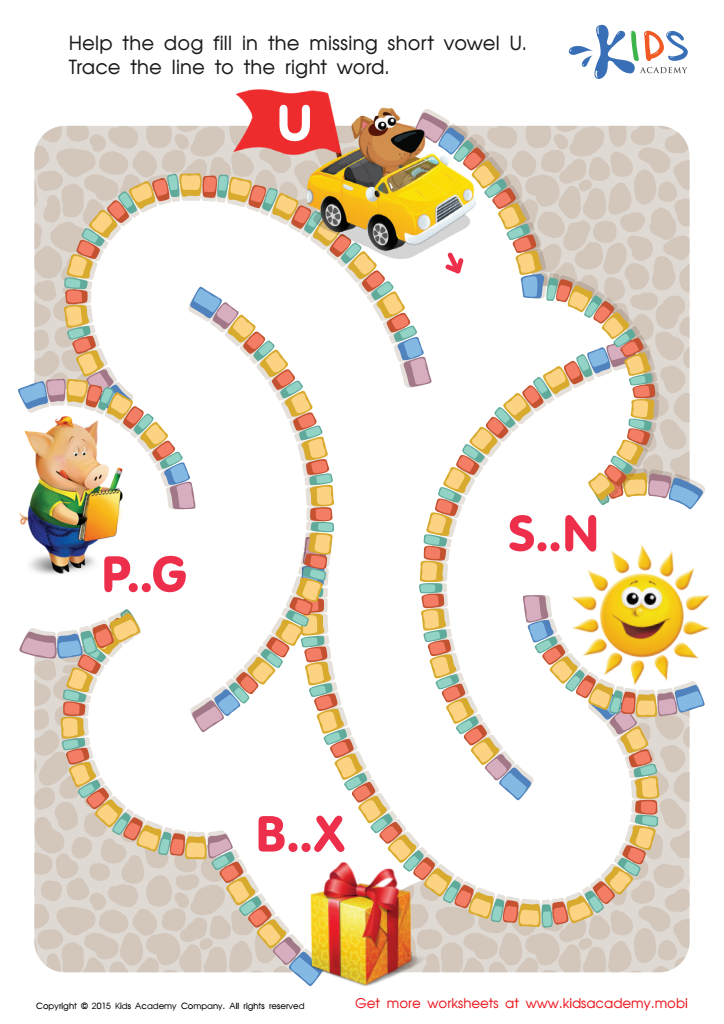
Short Vowel Sound U Worksheet
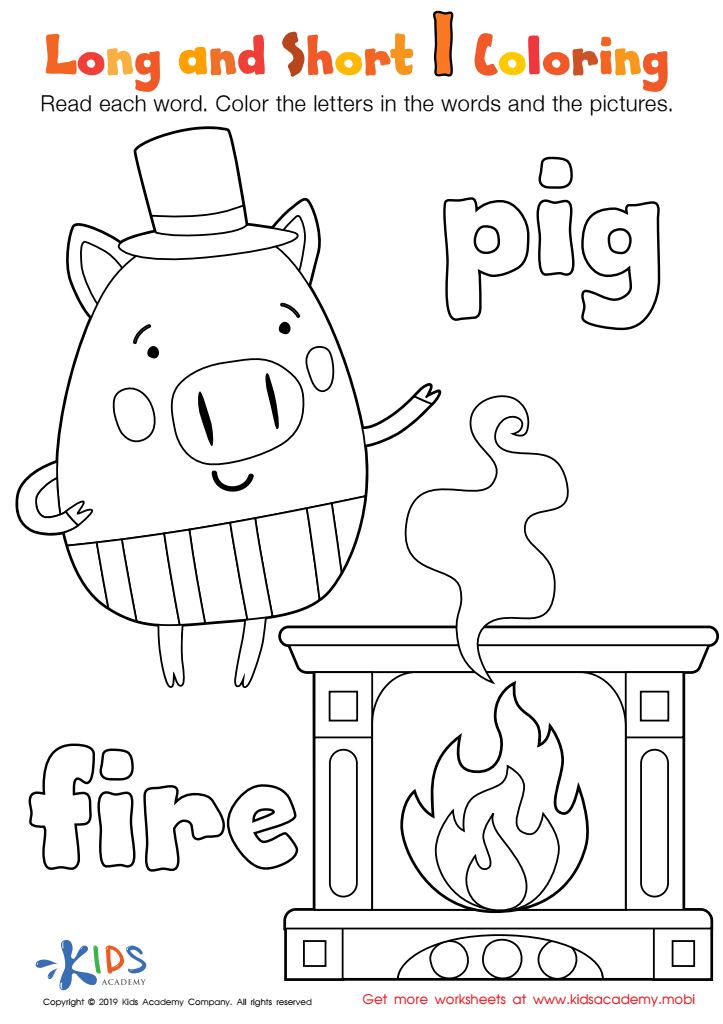
Long and Short I Worksheet
 Assign to My Students
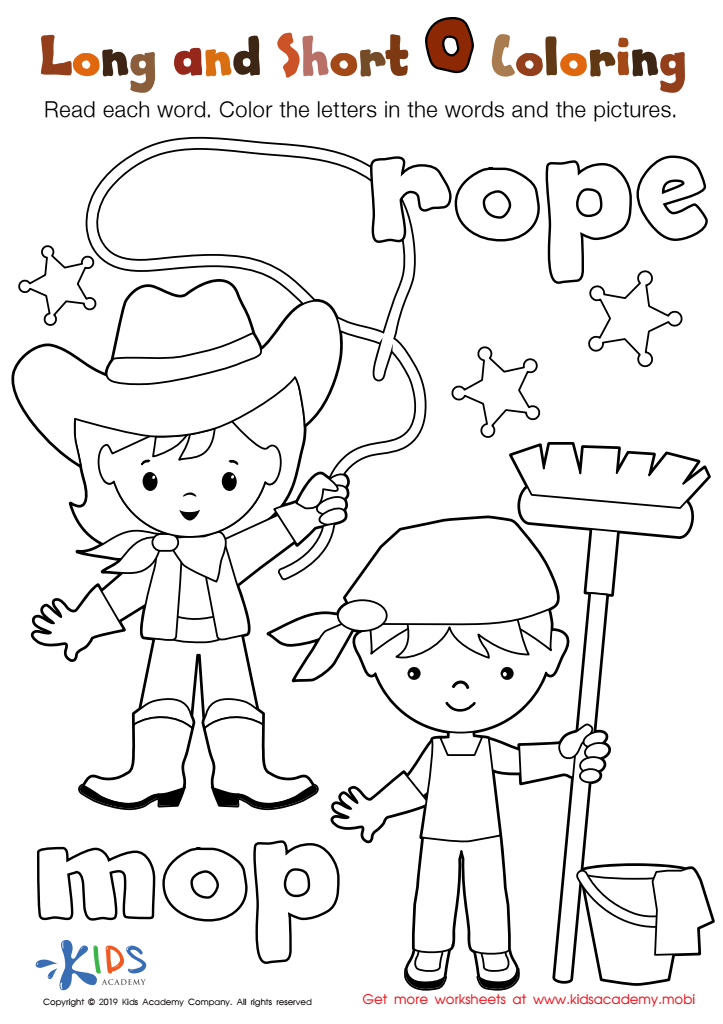
Long and Short O Worksheet
Assign to My Students








Developing strong phonics skills in 3-year-olds is crucial for laying a solid foundation for their future reading and writing abilities. Phonics involves the relationship between sounds and their corresponding letters, allowing children to decode words and understand their structure. Introducing these skills early can foster a love for reading and enhance literacy rates at a young age.
Firstly, early phonics instruction helps children recognize and distinguish between different sounds (phonemic awareness), which are essential pre-reading skills. As children become familiar with the sounds each letter makes, they can begin to blend these sounds to form words, accelerating their reading abilities. This early competency in decoding can lead to improved self-confidence and a more profound enjoyment of learning.
Moreover, early exposure to phonics creates a strong literacy foundation which is crucial for academic success. Reading and writing skills are integrated into virtually every learning area. Consequently, proficient readers often perform better across all subjects, not just language arts.
To support this, parents and teachers should use fun, engaging activities like rhymes, songs, and alphabet games that make phonics enjoyable and suitable for 3-year-olds. Fostering these skills at an early age ensures a smoother transition into formal education, setting the stage for lifelong learning and curiosity.







