Hand-eye Coordination Tracing Letters Worksheets for 3-Year-Olds
6 filtered results
-
From - To
Unlock your child's potential with our Hand-Eye Coordination Tracing Letters Worksheets designed specifically for 3-year-olds. These engaging worksheets are perfect for nurturing your little one's fine motor skills while honing their letter recognition. As kids trace fun letter designs, they enhance their hand-eye coordination, an essential skill for writing and other activities. Our colorful and interactive worksheets invite exploration and learning, keeping your child entertained while they develop confidence in their abilities. Ideal for home or classroom use, these tracing activities lay the foundation for future literacy skills. Start your child’s learning adventure today and watch them thrive!
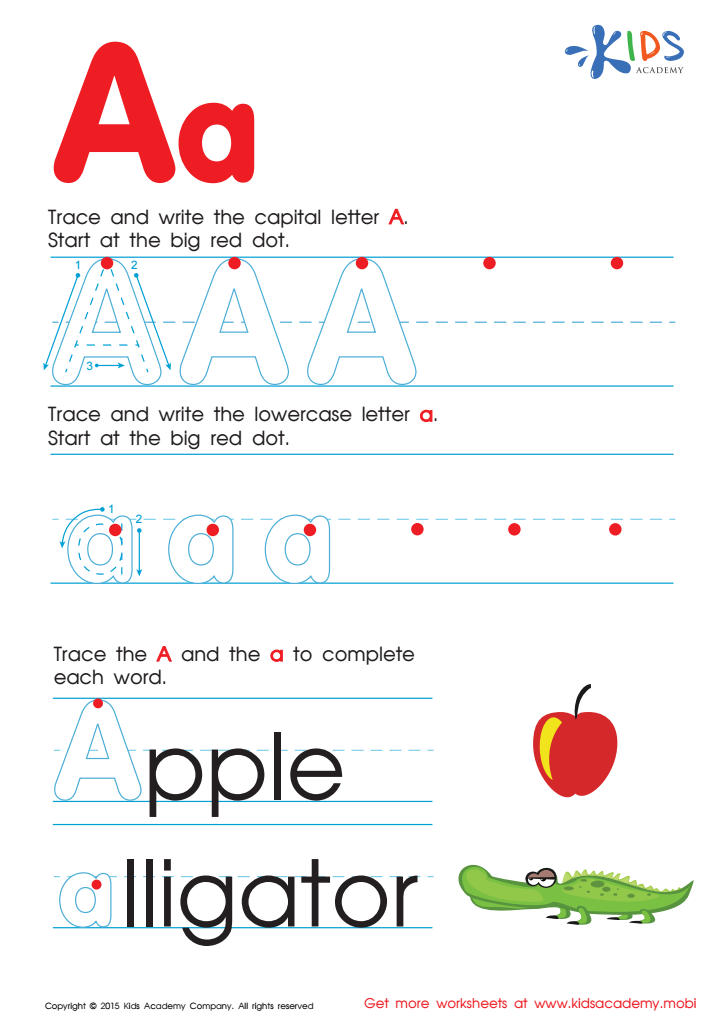
Letter A Tracing Page
 Assign to My Students
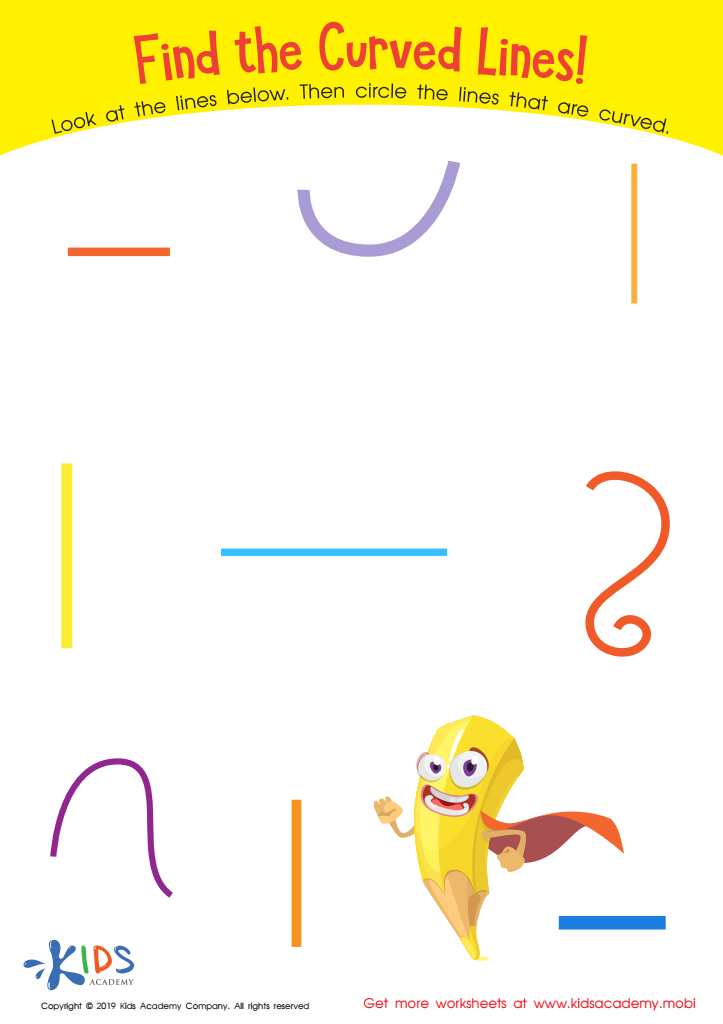
Find the Curved Lines! Worksheet
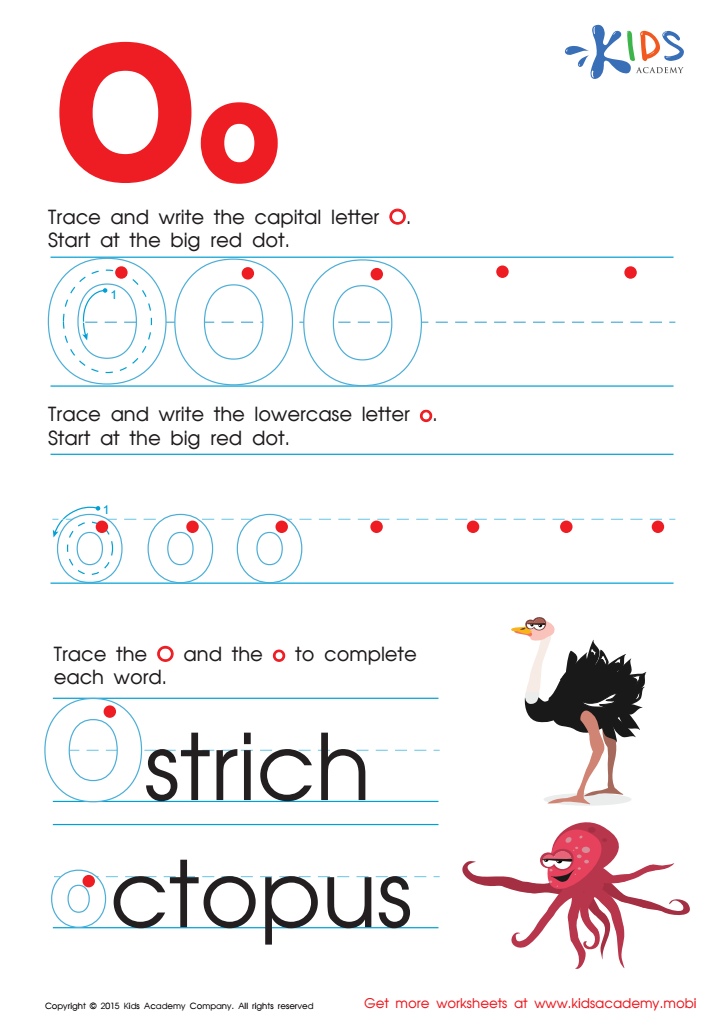
Letter O Tracing Page
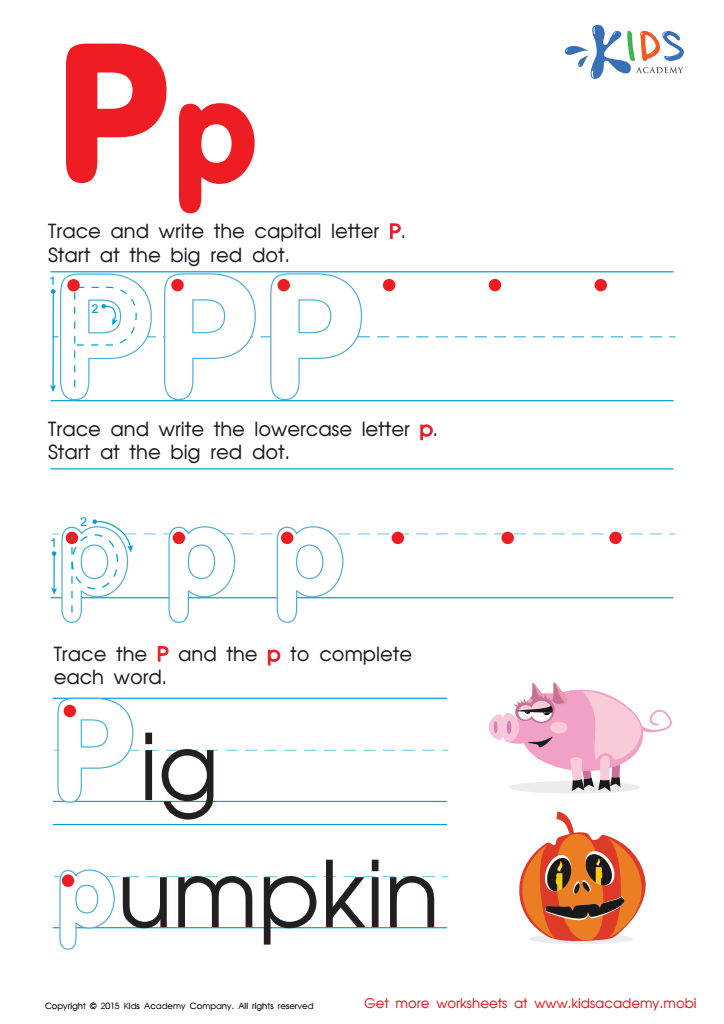
Letter P Tracing Page
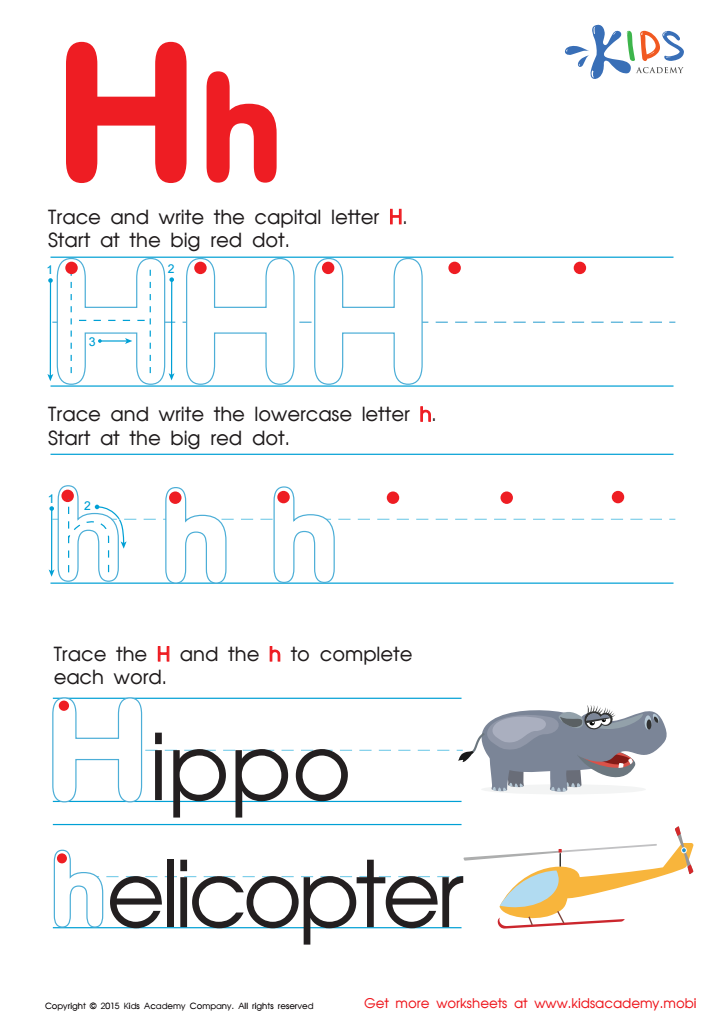
Letter H Tracing Page

Letter D Tracing Page








Hand-eye coordination is a crucial developmental skill for young children, particularly for a 3-year-old who is beginning to explore literacy. Tracing letters helps improve this coordination, as it requires the child to sync their hand movements with what they see visually. As children engage in tracing activities, they develop fine motor skills, essential for tasks like writing, drawing, or even buttoning clothes in the future.
Moreover, tracing letters establishes a foundational understanding of the alphabet, preparing children for more advanced literacy skills. It enhances recognition of letter shapes and sounds, aiding in early reading capabilities. Engaging in guided tracing exercises can also promote focus and concentration, as children practice the patience needed to complete a task.
Additionally, these activities can build a sense of accomplishment, boosting a child’s confidence and enthusiasm towards learning. Parents and teachers should care about tracing letters because it supports cognitive, physical, and emotional development in early childhood. By nurturing these skills, they help lay the groundwork for future academic success and motor proficiency, setting children on a positive learning trajectory from an early age. Thus, a simple tracing activity can have profound impacts on a child's growth and readiness for school.








