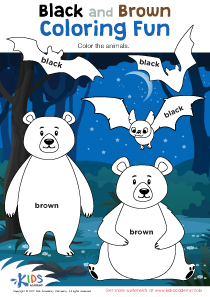
Alphabetical order understanding English for Beginners Worksheets for 3-Year-Olds
4 filtered results
-
From - To
Discover our engaging "Alphabetical Order Understanding English for Beginners Worksheets," specifically designed for 3-year-olds! These worksheets offer a fun introduction to the concept of alphabetical order, helping young learners develop essential literacy skills. Our vibrant, easy-to-follow activities and exercises encourage children to explore letters and words in a playful manner. By practicing sorting and sequencing, kids enhance their comprehension while boosting their vocabulary. Ideal for parents and educators alike, these resources foster an enjoyable learning experience that lays a solid foundation for future reading and writing success. Start your little one's journey into the world of letters today!
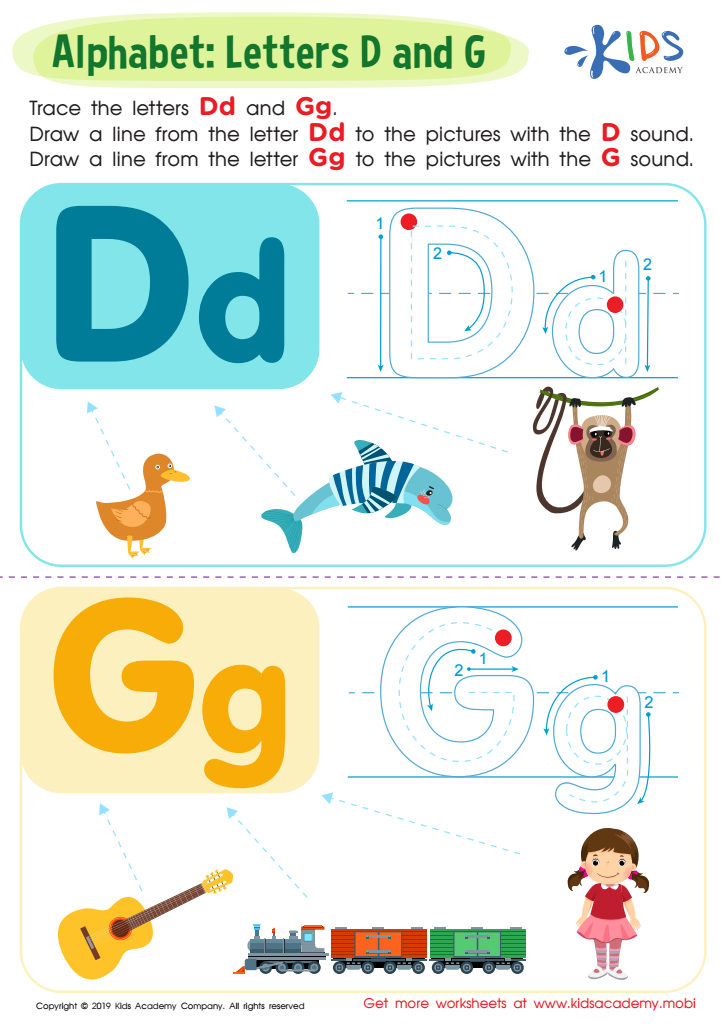
Letter D and G Tracing Worksheet
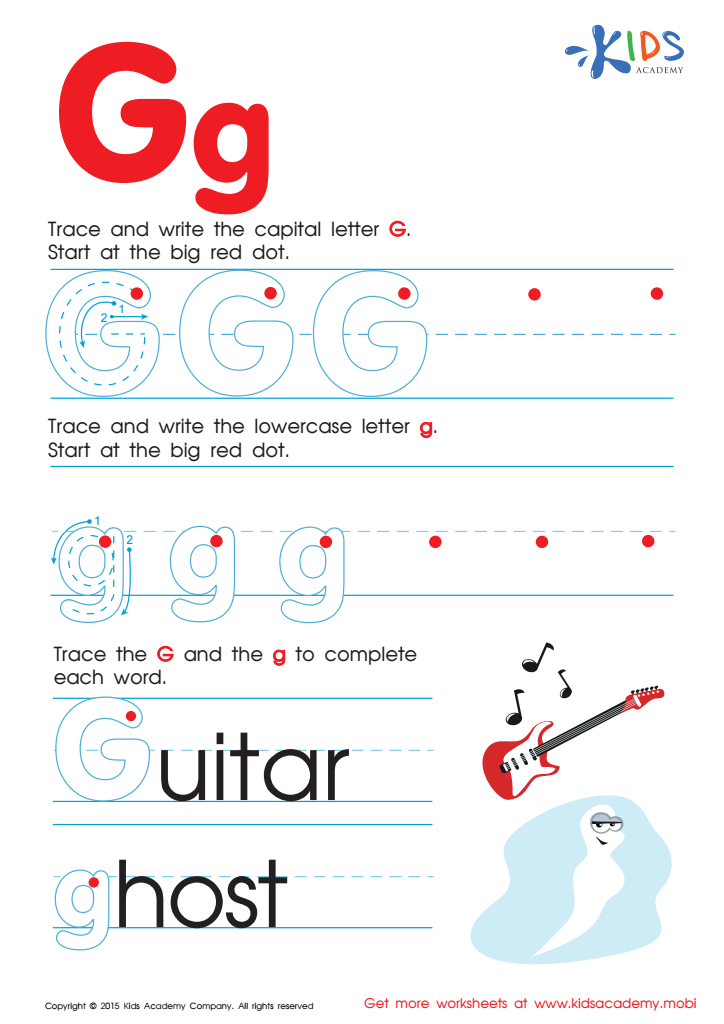
Letter G Tracing Page
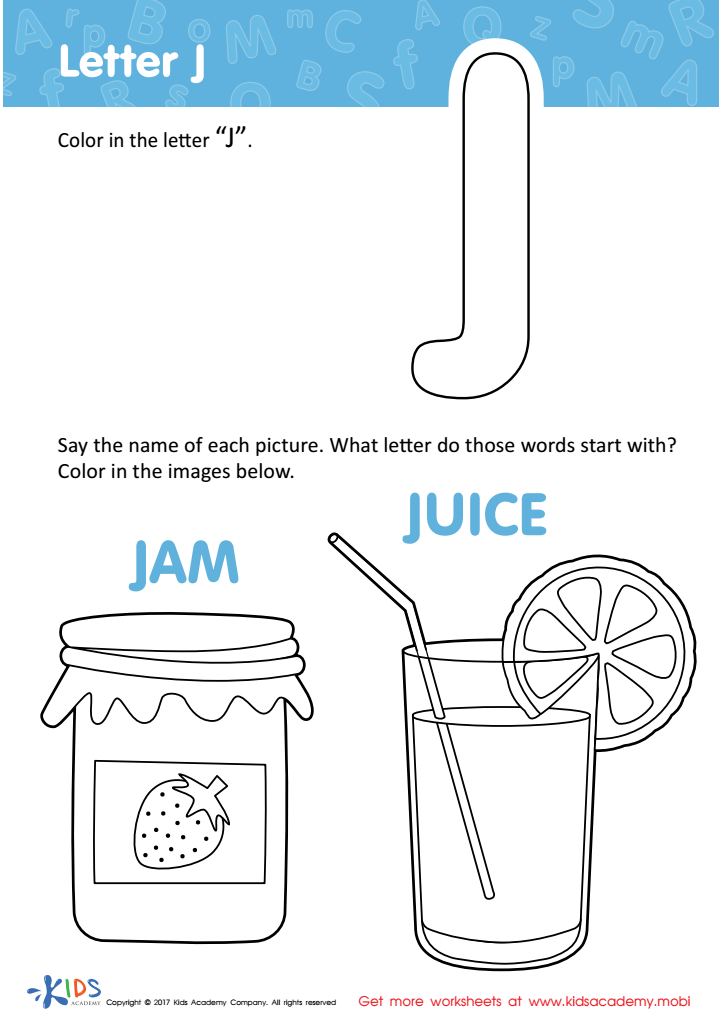
Letter J Coloring Sheet
 Assign to My Students
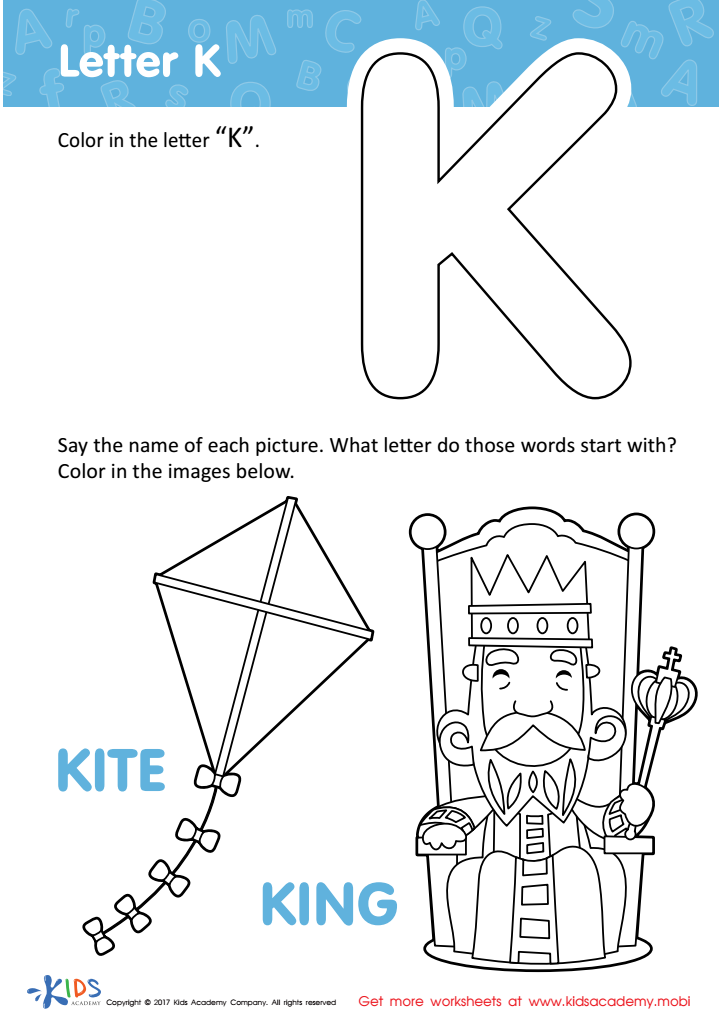
Letter K Coloring Sheet
Assign to My Students





Understanding alphabetical order is an essential building block for early literacy in young learners, particularly for 3-year-olds beginning their journey with English. First and foremost, alphabetical order helps children recognize letters and their sequence, which enhances their phonetic awareness. This phonetics grounding is crucial as it lays the foundation for future reading and writing skills.
Moreover, when children grasp the concept of alphabetical order, they begin to understand how words are organized in dictionaries, libraries, and other reference materials. This knowledge fosters independence in exploring reading resources, sparking a lifelong love for learning. Additionally, teaching alphabetical order develops cognitive skills such as categorization and sequencing, encouraging critical thinking.
In a classroom or home setting, incorporating fun activities—like singing the alphabet song or engaging in playful games that involve sorting objects by their initial letters—can make learning enjoyable. Given that literacy impacts academic success and confidence, parental and teacher support in nurturing alphabetical understanding helps set young learners on a positive educational path. By instilling these foundational skills early, we empower children to become enthusiastic readers and effective communicators as they progress in their learning journeys.