Letter Tracing English for Beginners Worksheets for 3-Year-Olds
6 filtered results
-
From - To
Welcome to our "Letter Tracing English for Beginners Worksheets for 3-Year-Olds"! Designed for young learners, these engaging worksheets focus on developing essential pre-writing skills through fun letter tracing activities. Ideal for children starting to learn English as a second language, our resources encourage hand-eye coordination and fine motor skills while introducing letters in an interactive way. Each worksheet features colorful illustrations and playful themes to captivate young minds. Make learning enjoyable and stimulating as your child gains confidence in writing letters and enhances their language skills. Perfect for home or classroom use, these worksheets lay the foundation for literacy success!
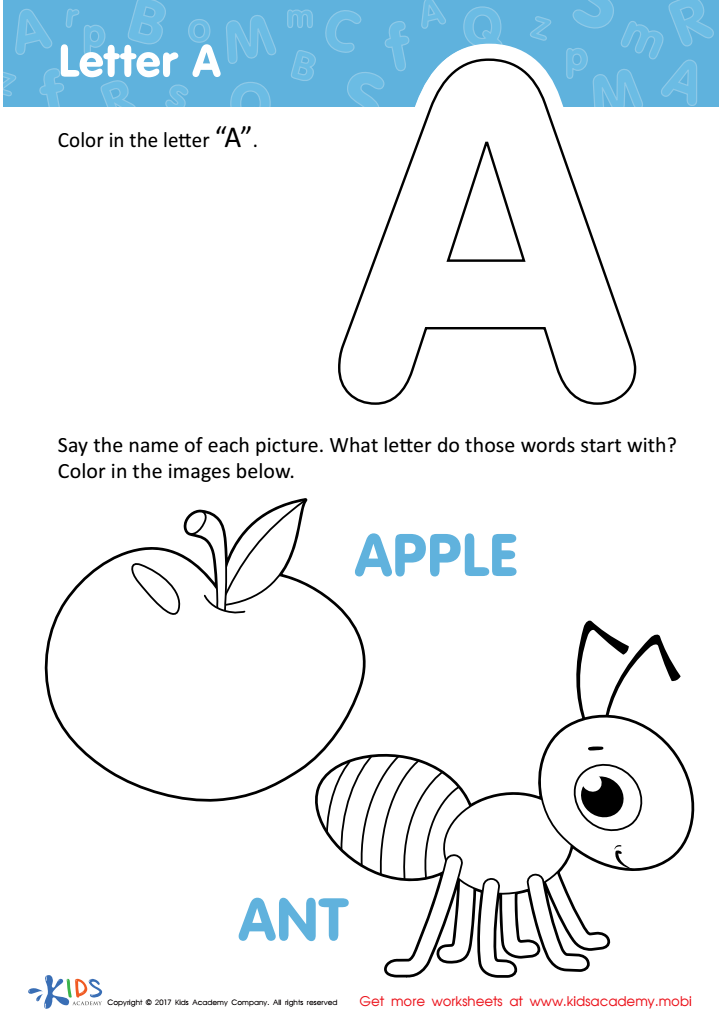
Letter A Coloring Sheet
 Assign to My Students
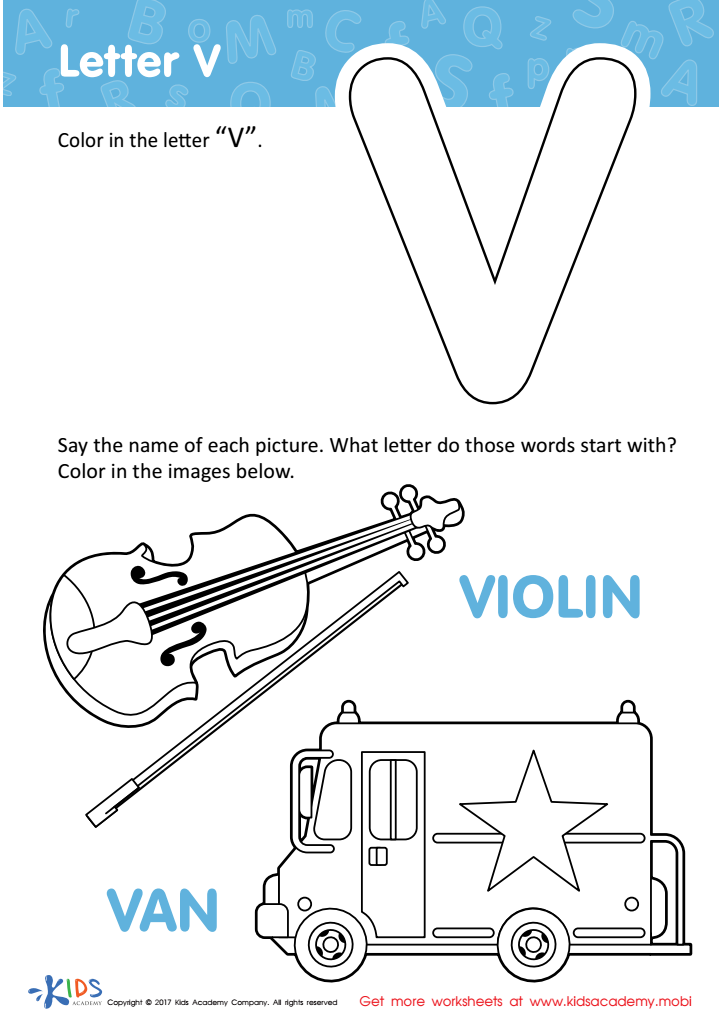
Letter V Coloring Sheet
Assign to My Students
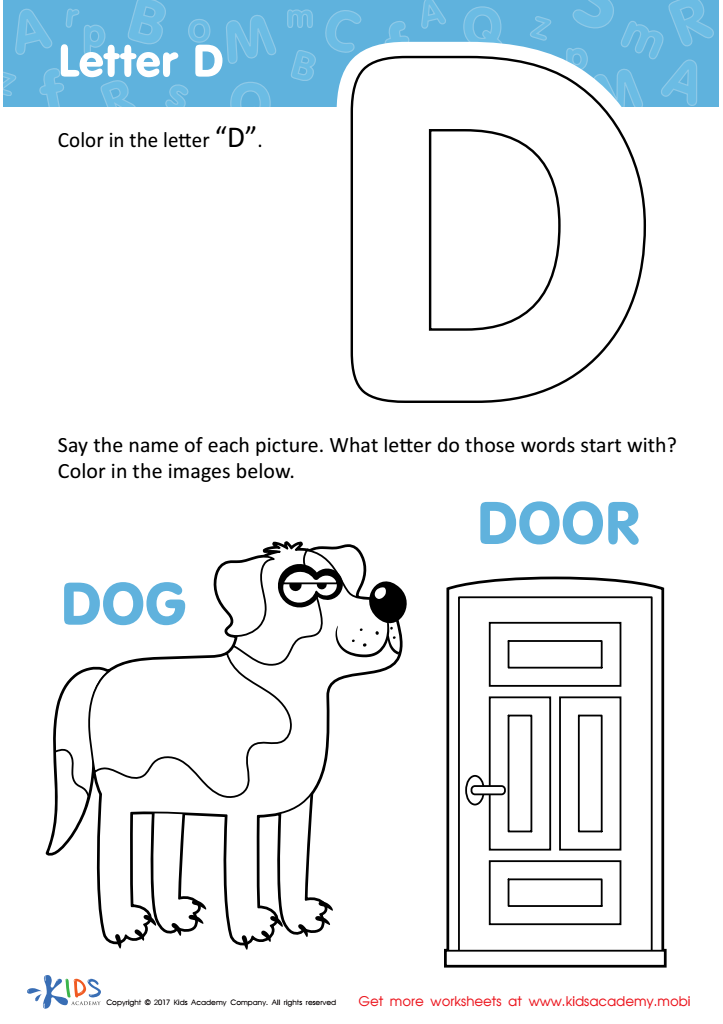
Letter D Coloring Sheet
Assign to My Students
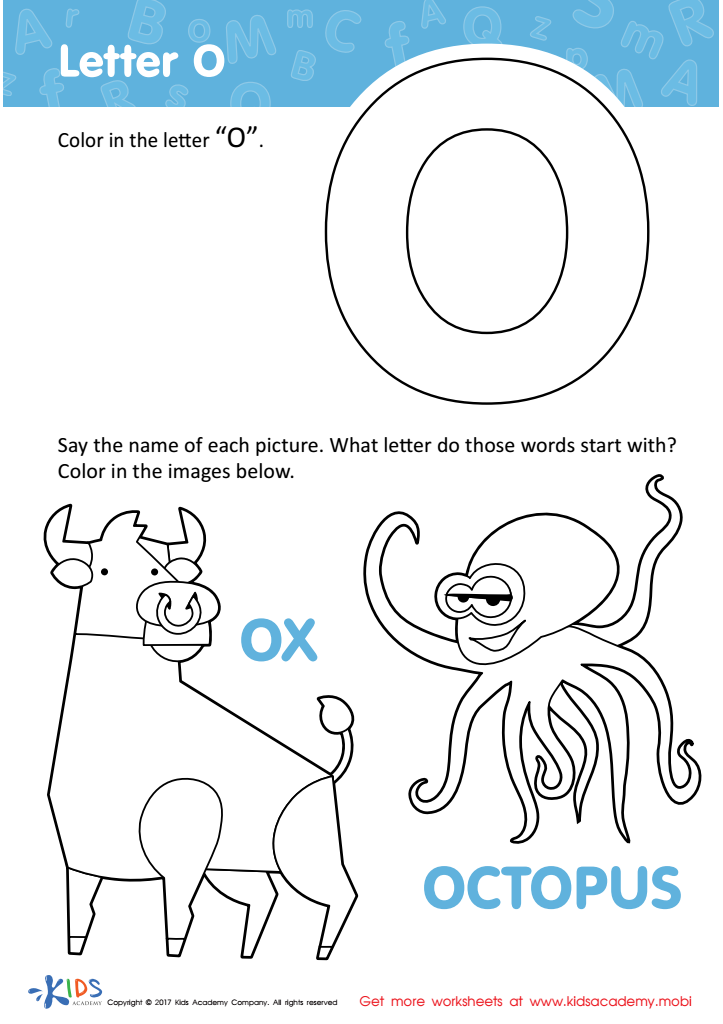
Letter O Coloring Sheet
Assign to My Students
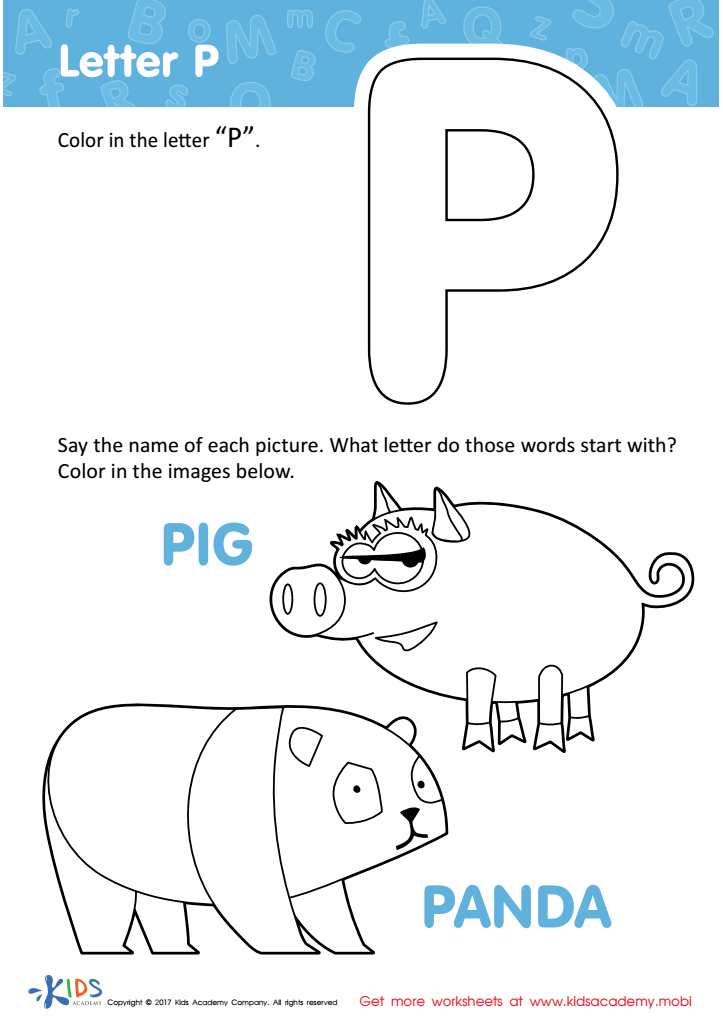
Letter P Coloring Sheet
Assign to My Students
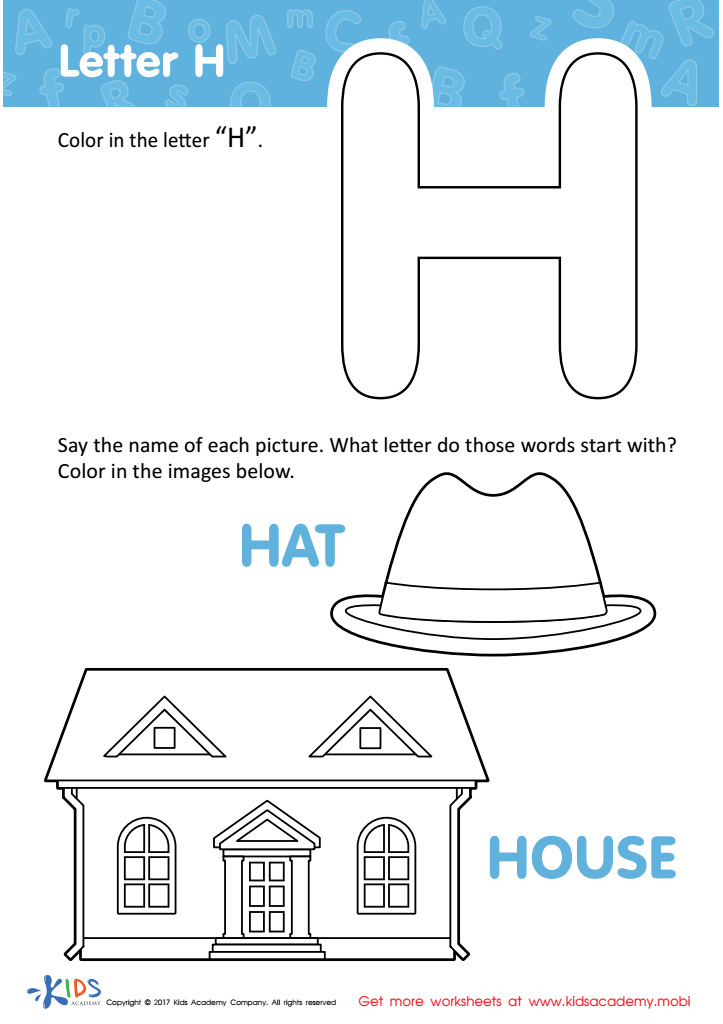
Letter H Coloring Sheet
Assign to My Students





Letter tracing for beginners is crucial for 3-year-olds as it lays the foundation for their literacy development. At this age, children are naturally curious and eager to explore their environment, including the alphabet. By engaging in letter tracing activities, they not only develop fine motor skills but also begin recognizing letter shapes, which is vital for reading and writing readiness.
Parents and teachers should care about these activities because they foster cognitive and linguistic growth. Tracing letters helps reinforce letter sounds and facilitates the connection between spoken and written language. This practice can make the transition to independent writing smoother, as children gain confidence in their abilities.
Additionally, letter tracing encourages focus and concentration. Completing tracing tasks can boost self-esteem and promote a sense of accomplishment. Furthermore, incorporating fun and interactive elements, such as colorful worksheets or tracing apps, makes learning enjoyable, thus instilling a lifelong love for education.
Early intervention in literacy not only boosts academic success but also promotes effective communication skills in the long run. In summary, letter tracing is an essential practice that nurtures foundational skills in young learners, shaping their future academic experiences.