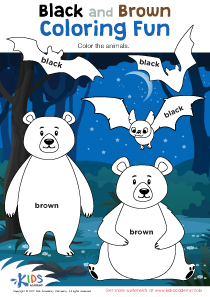
Sound Association English for Beginners Worksheets for 3-Year-Olds
5 filtered results
-
From - To
Welcome to our "Sound Association English for Beginners Worksheets for 3-Year-Olds" page! These engaging worksheets are designed to introduce young learners to the sounds of English while building vital language skills. Perfect for early childhood education, our activities combine fun visuals and familiar objects to strengthen sound recognition and enhance vocabulary. Through playful exercises, children will explore phonetics and improve their listening abilities. Ideal for parents and educators alike, these worksheets promote interactive learning through colorful illustrations and relatable themed contexts. Start your child’s language journey today with our delightful sound association worksheets!
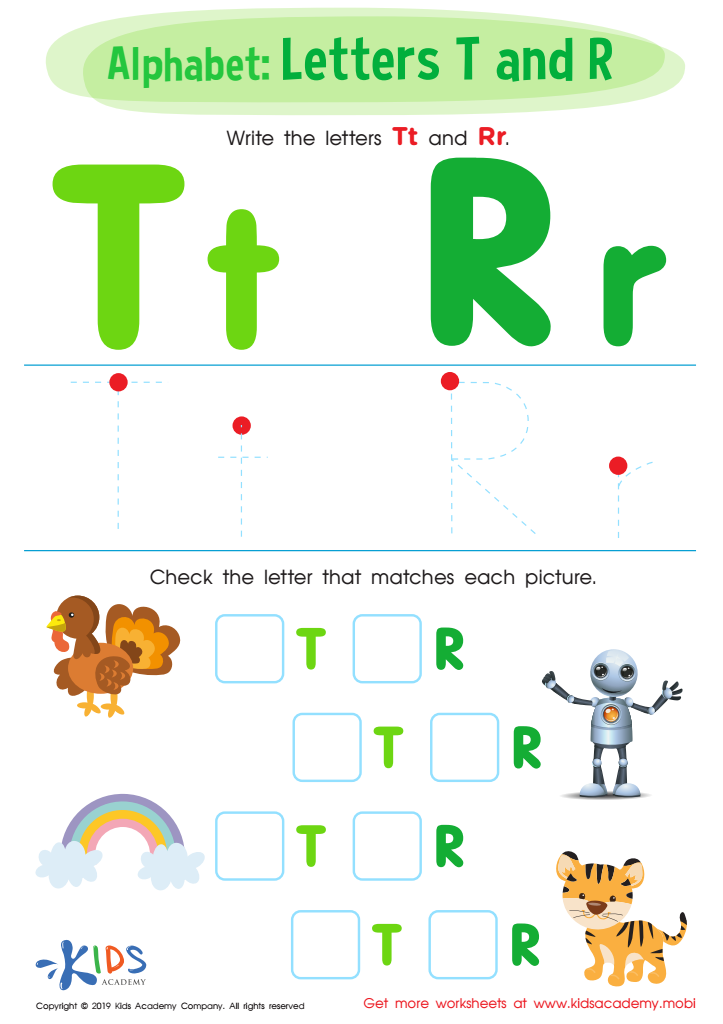
Letters T and R Worksheet
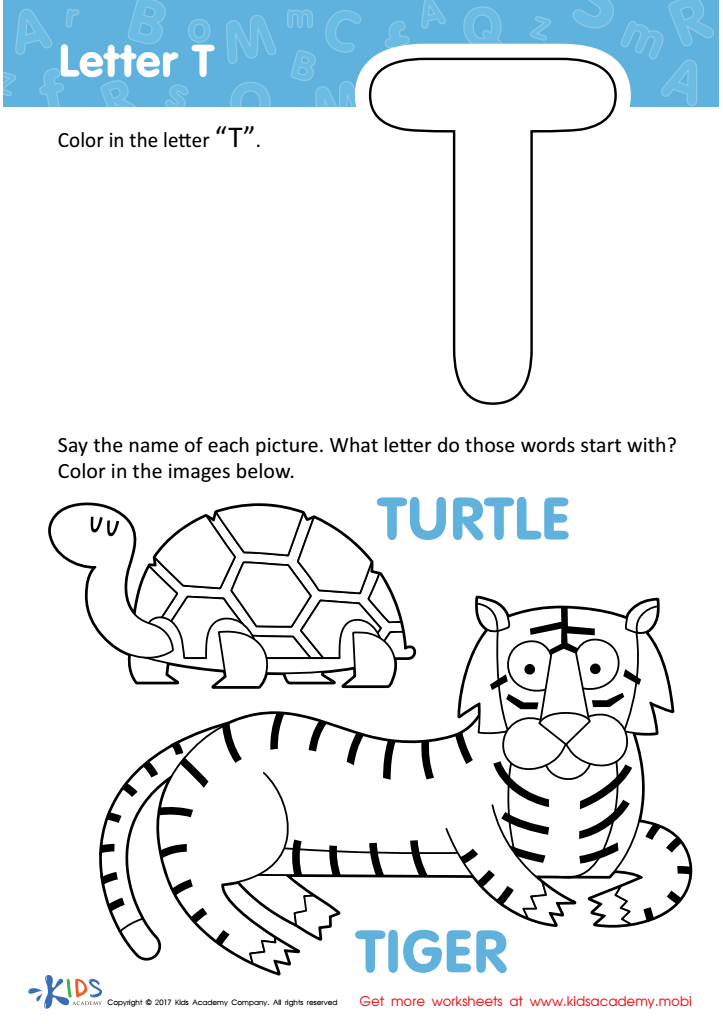
Letter T Coloring Sheet
 Assign to My Students
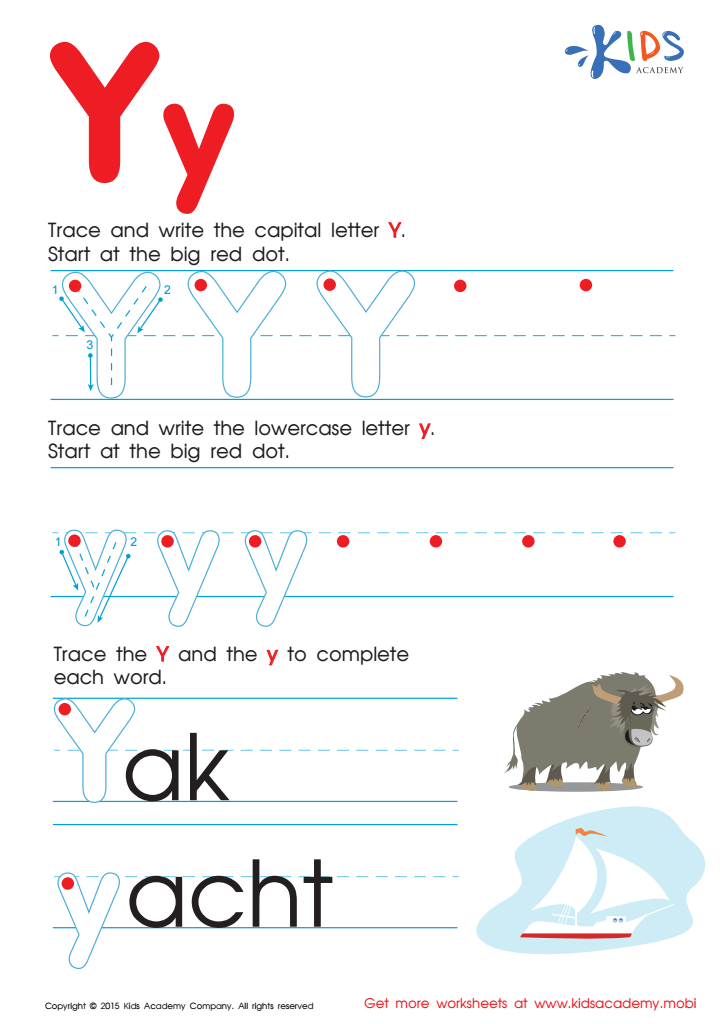
Letter Y Tracing Page
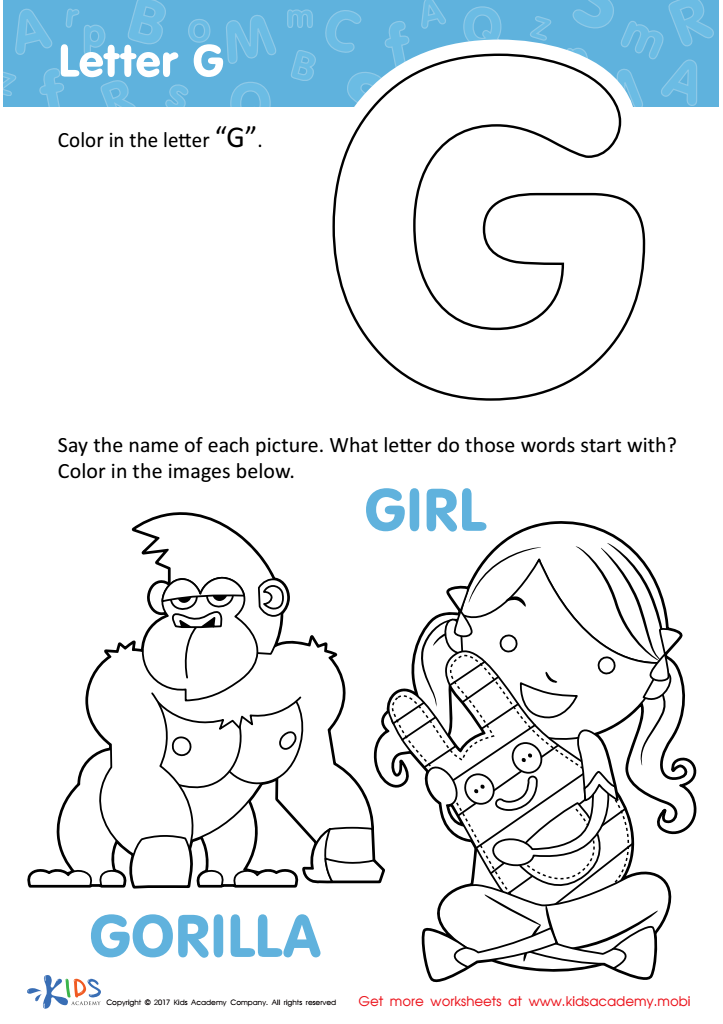
Letter G Coloring Sheet
Assign to My Students
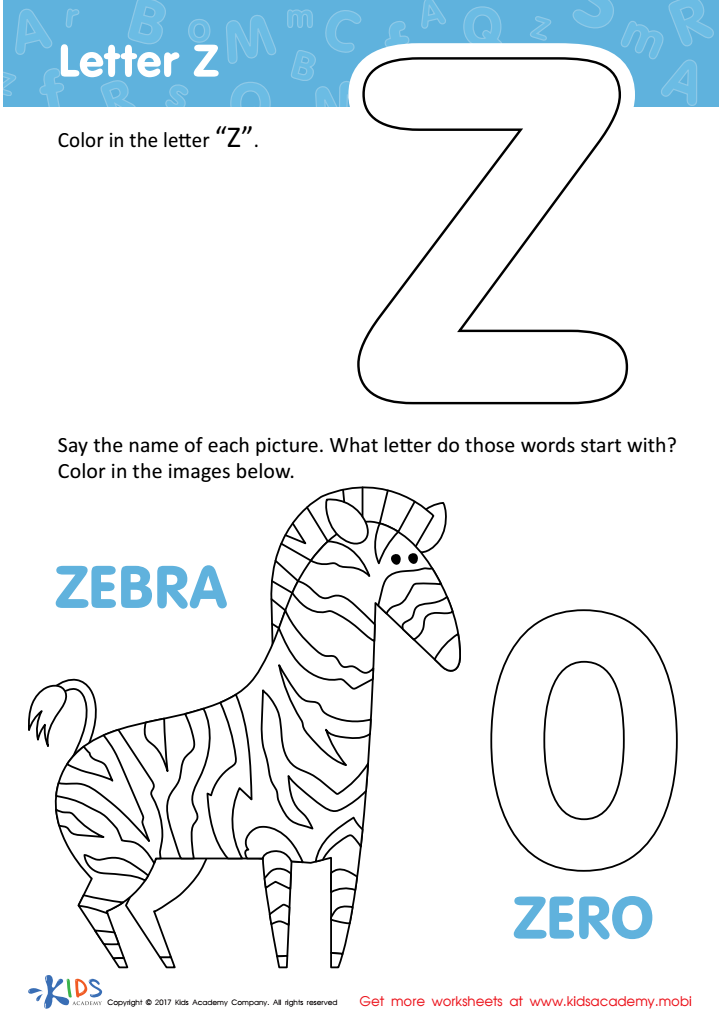
Letter Z Coloring Sheet
Assign to My Students





Sound Association English for Beginners is crucial for 3-year-olds as it lays the foundation for early literacy and language skills. At this age, children are highly receptive to auditory learning, making it the perfect time to introduce sound recognition and phonemic awareness. This program employs engaging methods to help young learners connect sounds with letters, enhancing their reading readiness.
By focusing on sound associations, children develop an understanding of how sounds form words. This is critical for their language development and expands their vocabulary. Additionally, the program stimulates curiosity and fosters a love for learning, setting a positive attitude toward future educational endeavors.
Parents and teachers should prioritize this approach because early intervention in literacy can lead to long-term academic success. Proficiency in phonemic awareness at a young age correlates with improved reading skills later on. Furthermore, sound association activities promote social interaction, enhancing communication skills and encouraging teamwork through shared learning experiences.
Investing time in Sound Association English not only equips children with essential literacy skills but also strengthens the home-to-school connection, where parents and educators work collaboratively to support a child’s growth and development. It’s a proactive step towards ensuring a bright educational future for every child.