Animal recognition Worksheets for 3-Year-Olds - Page 4
111 filtered results
-
From - To
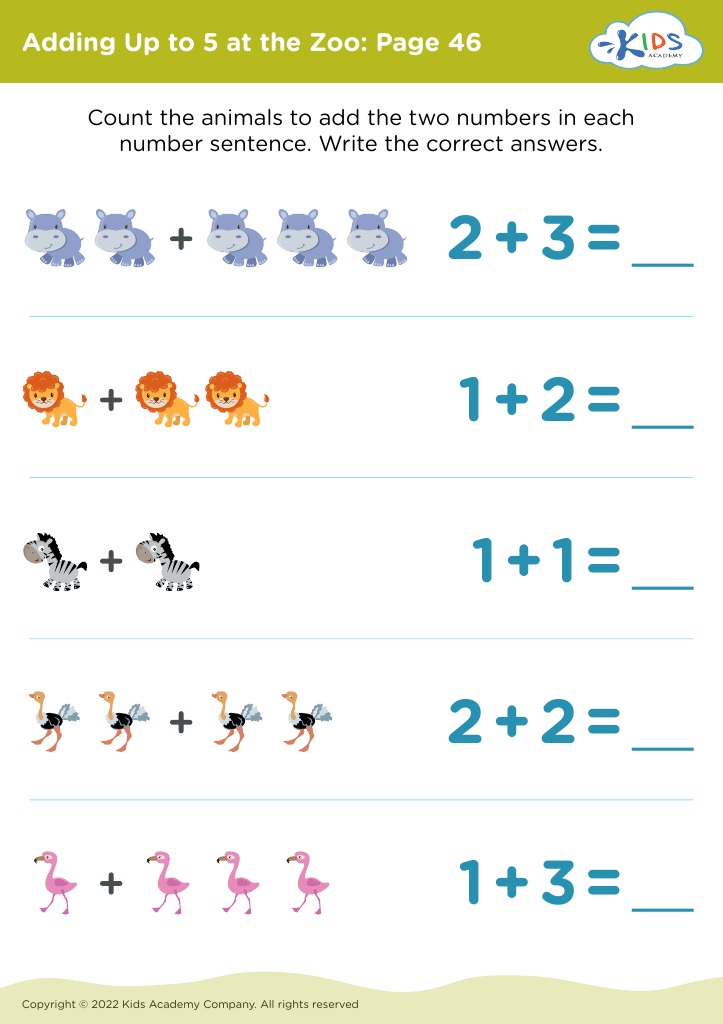
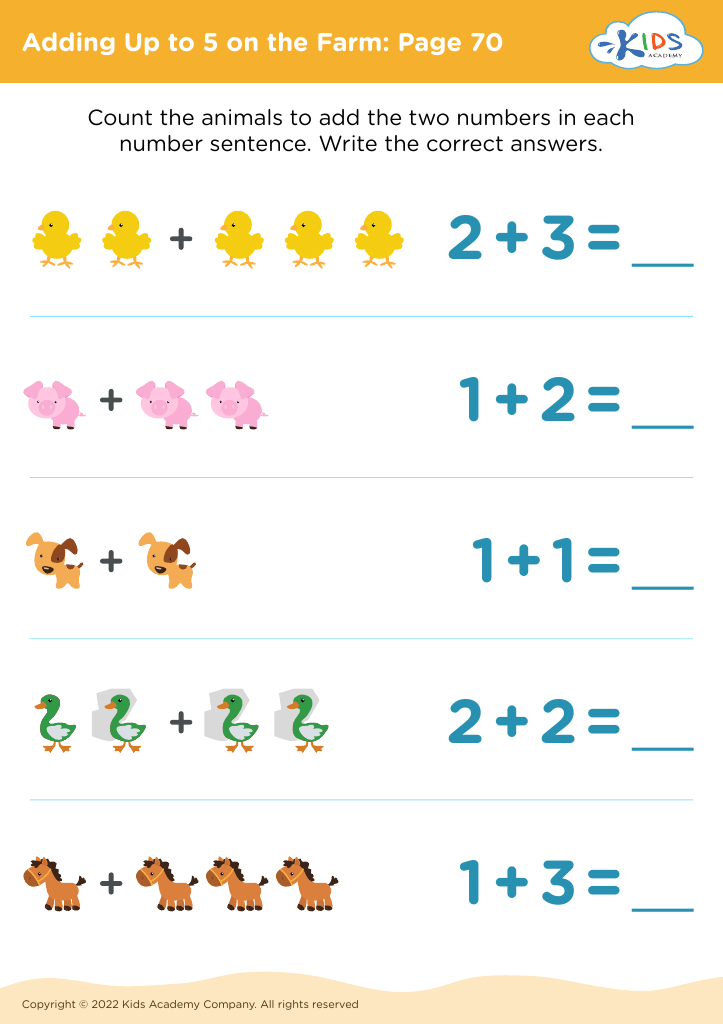
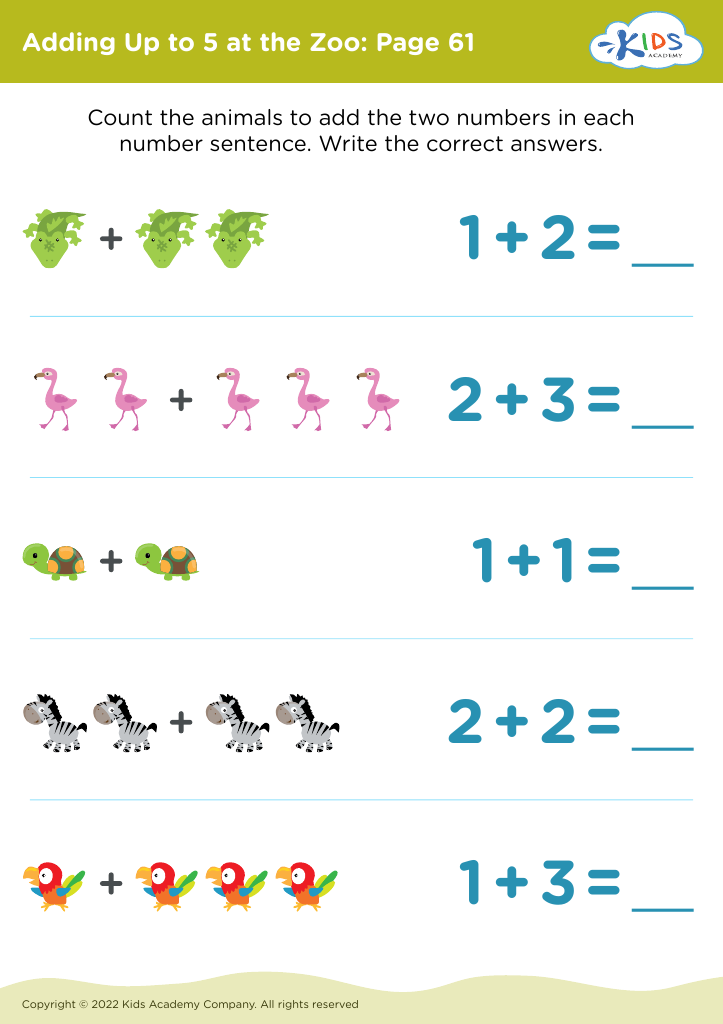
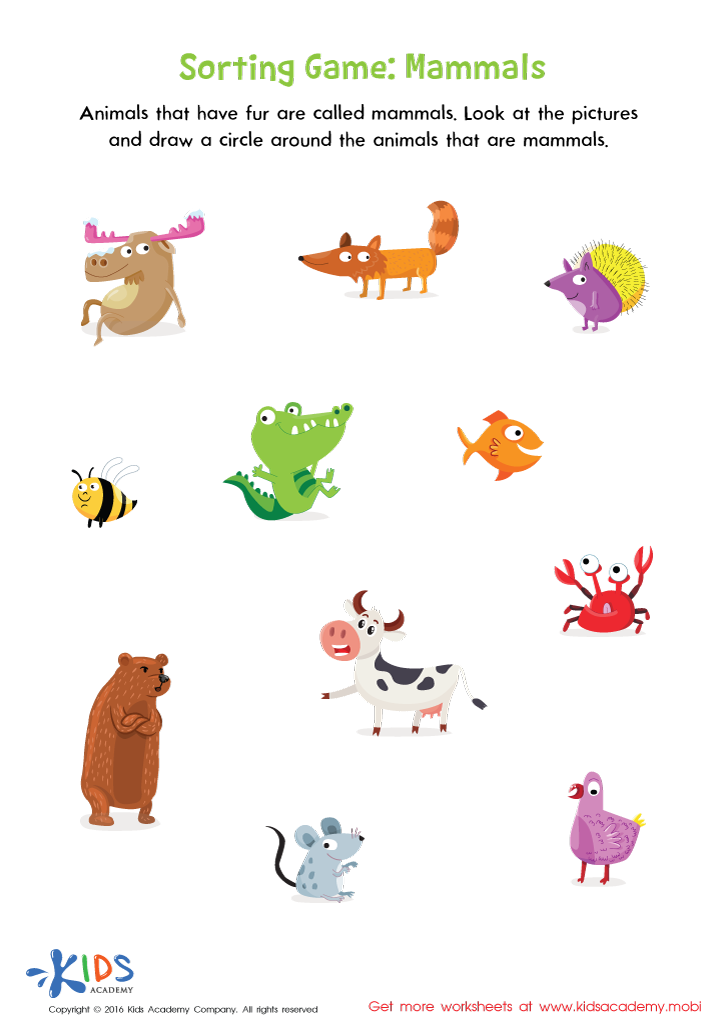
Mammals Sorting Worksheet
 Assign to My Students
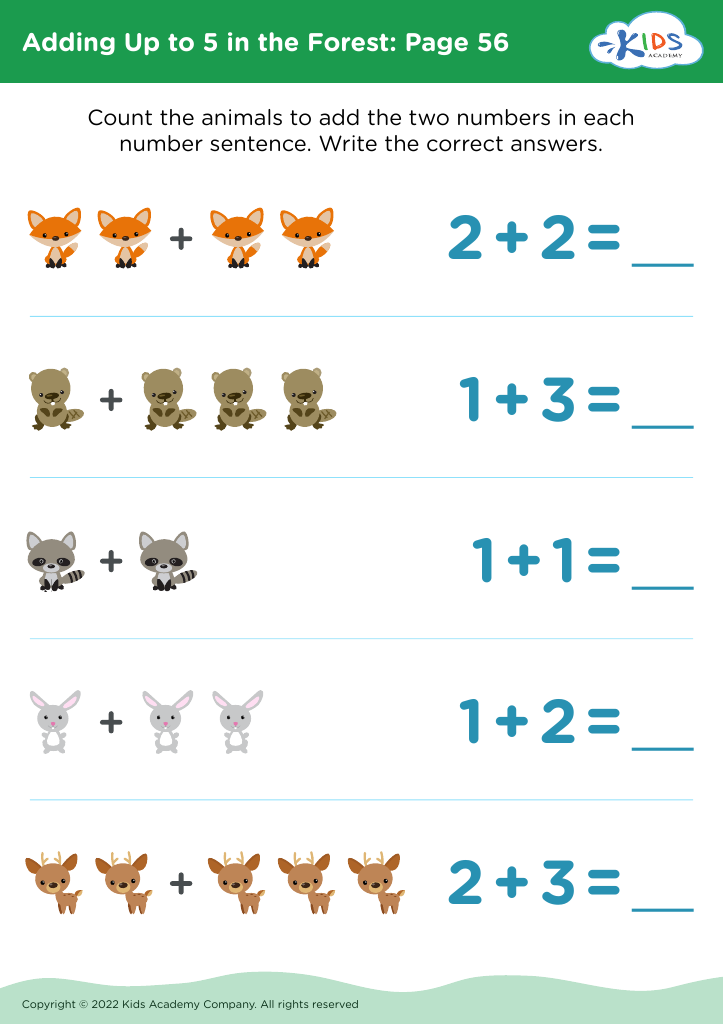
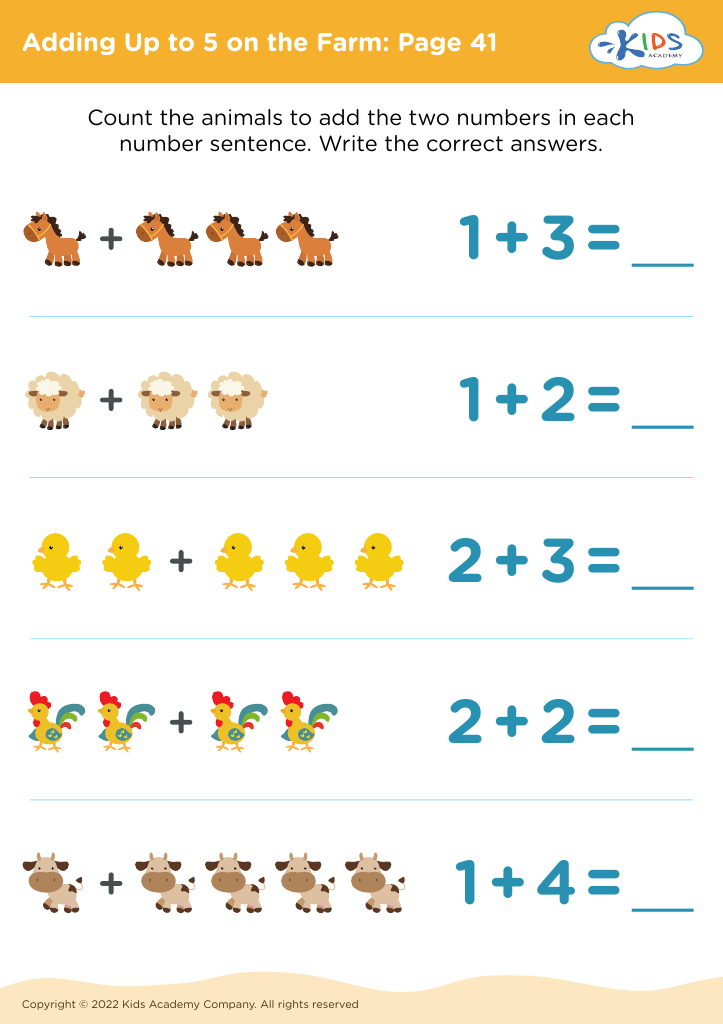
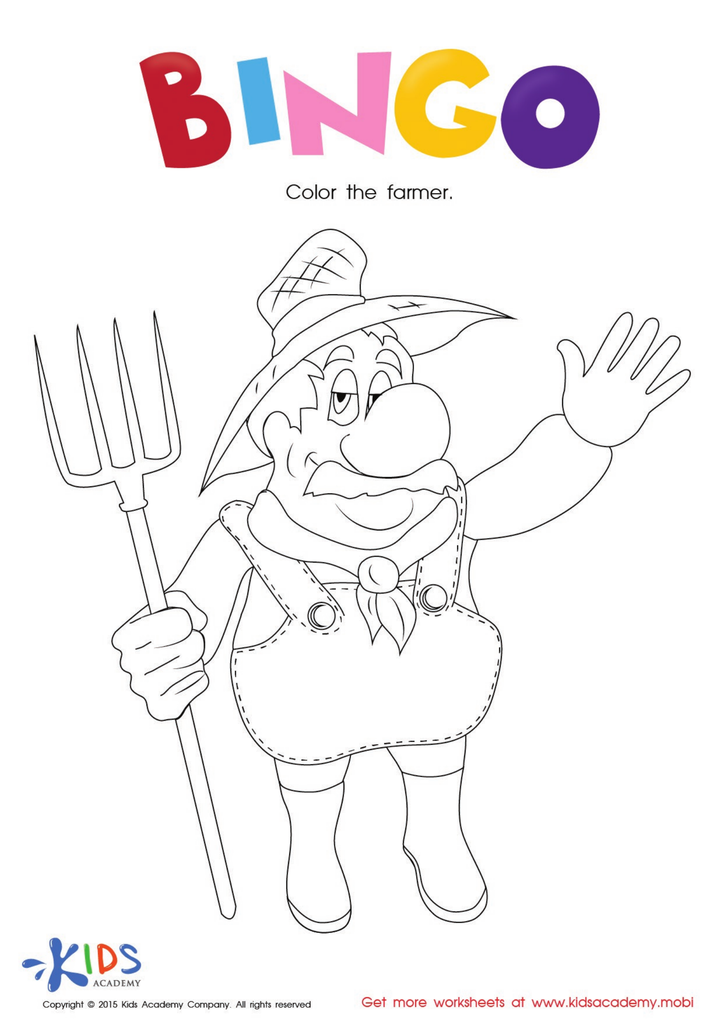
The Bingo Song: Coloring The Farmer Worksheet
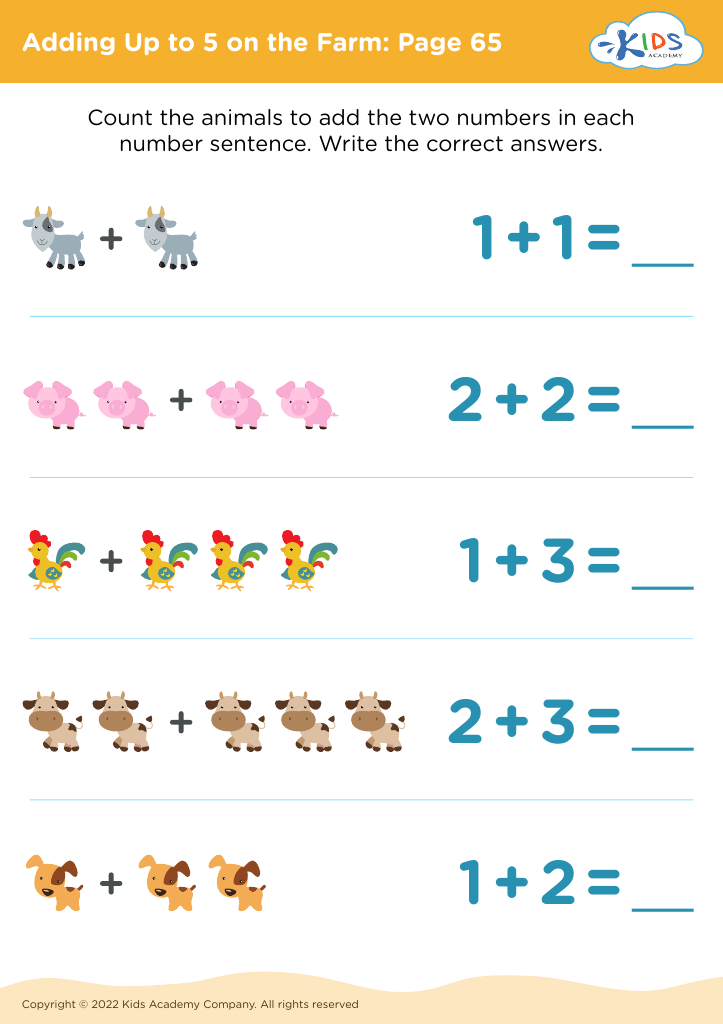
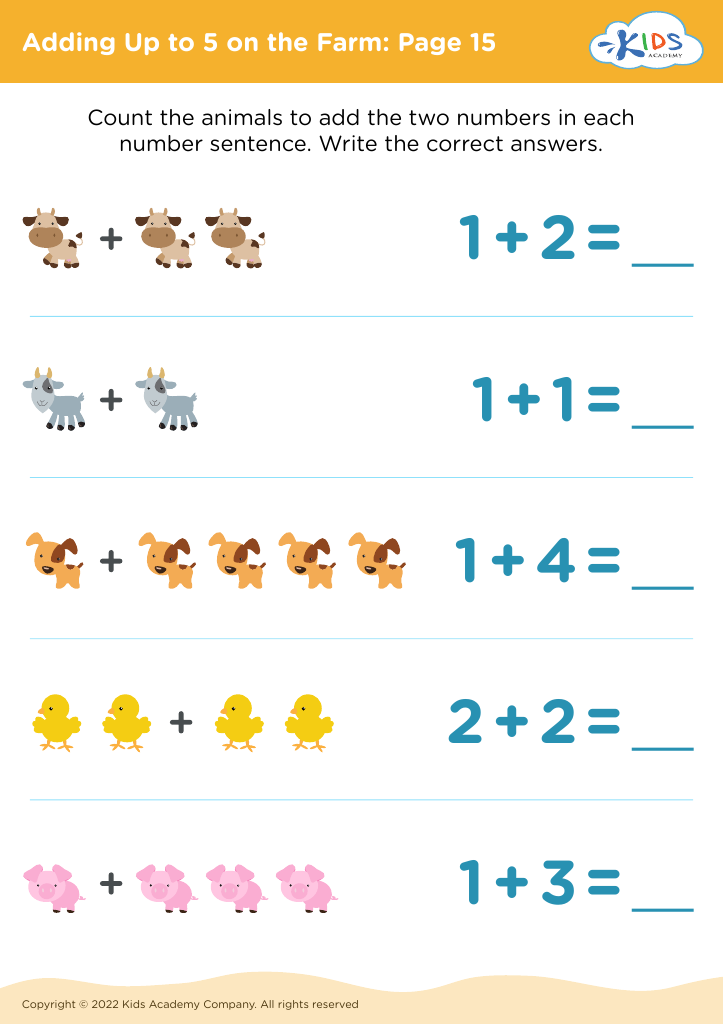
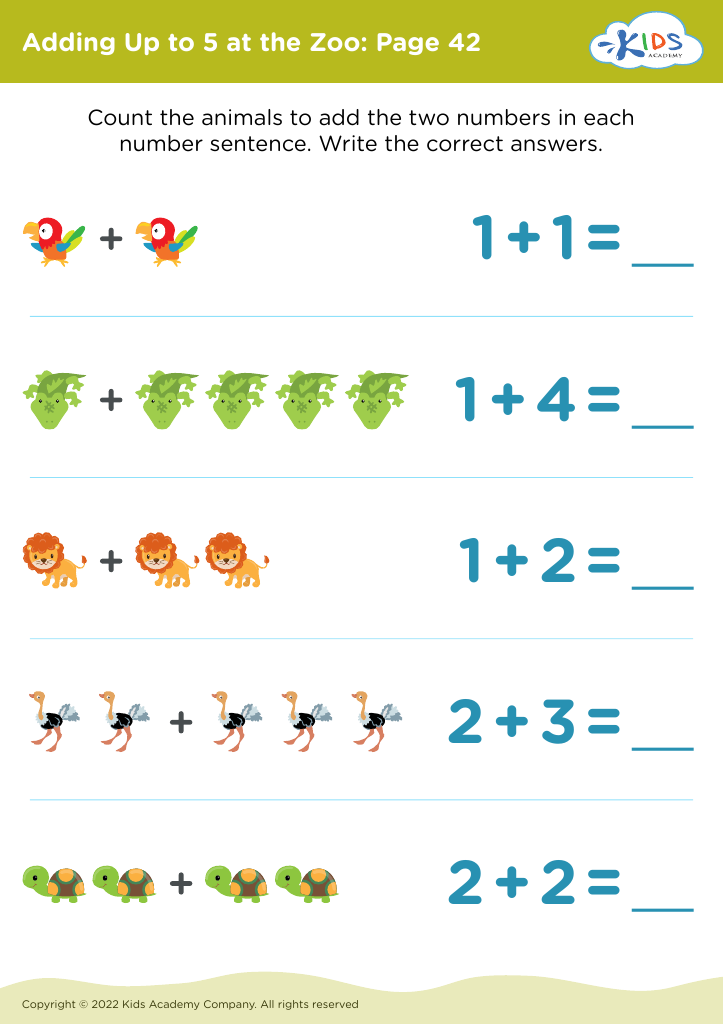
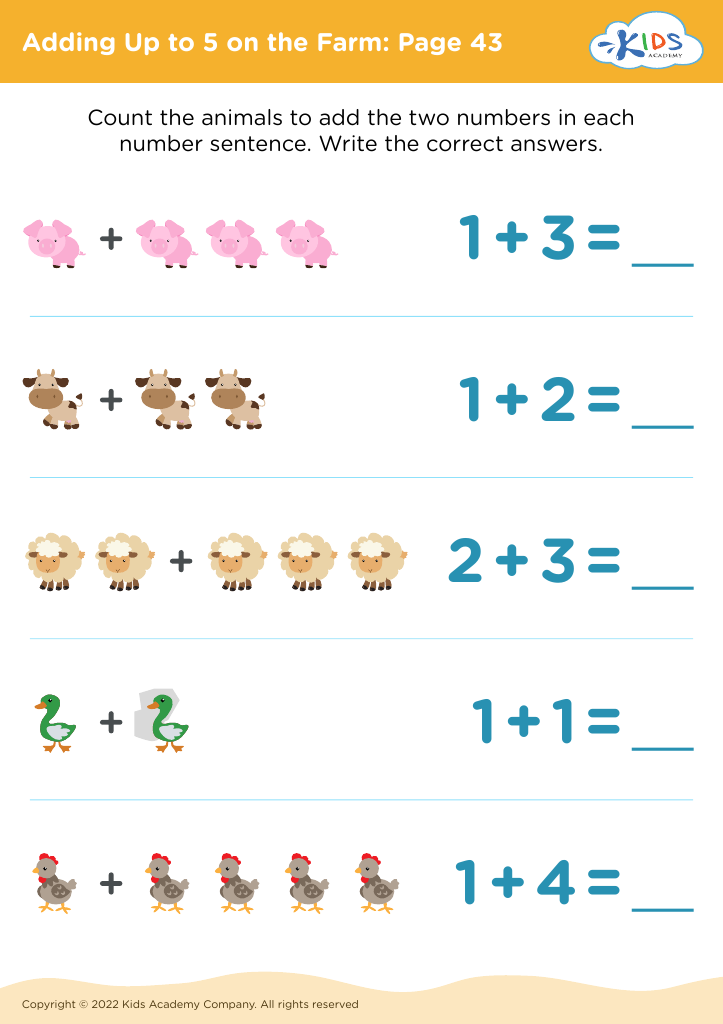
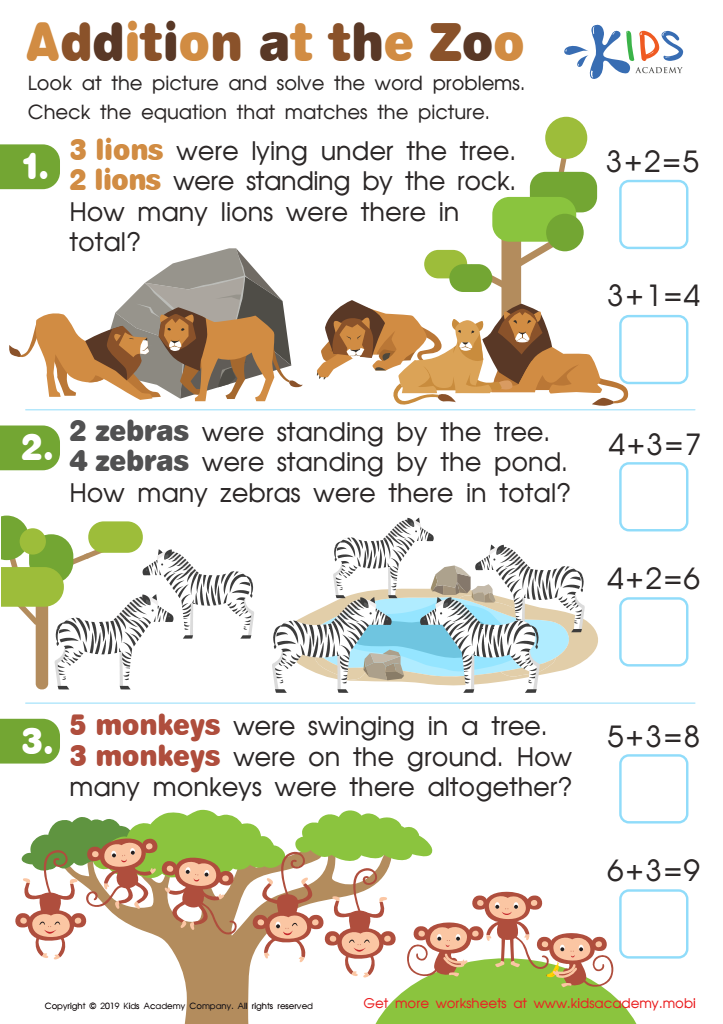
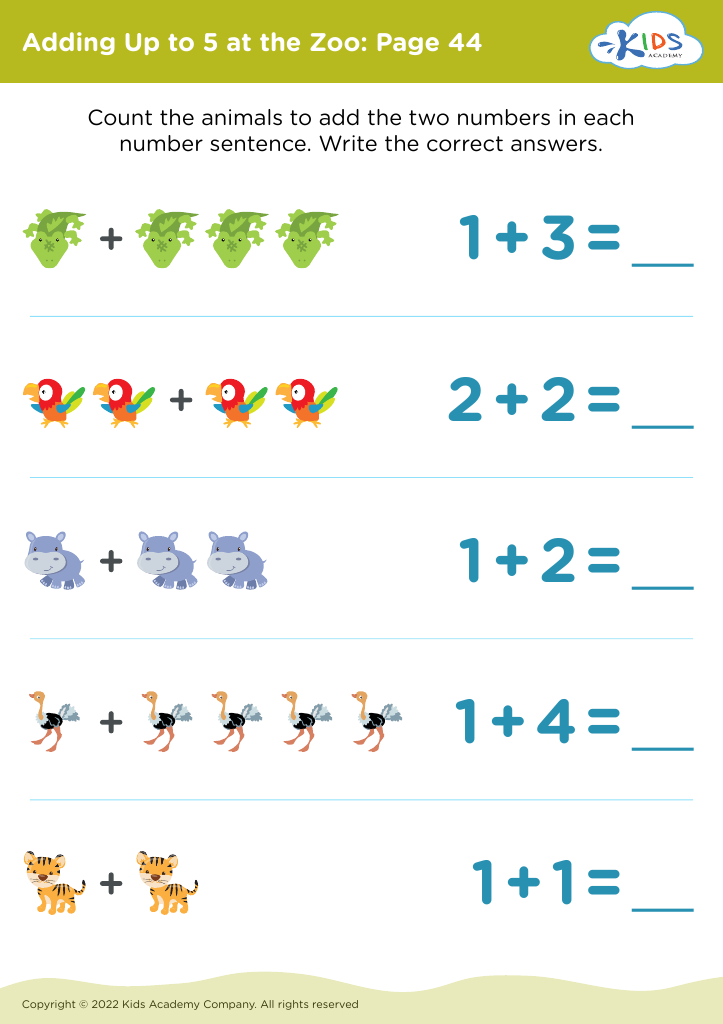
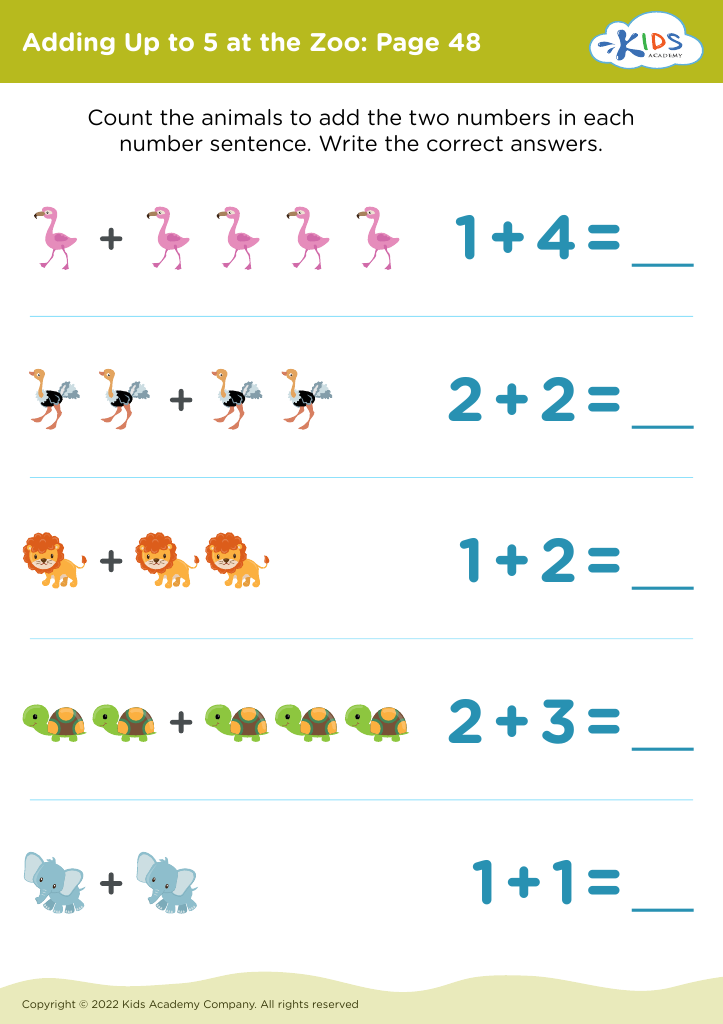
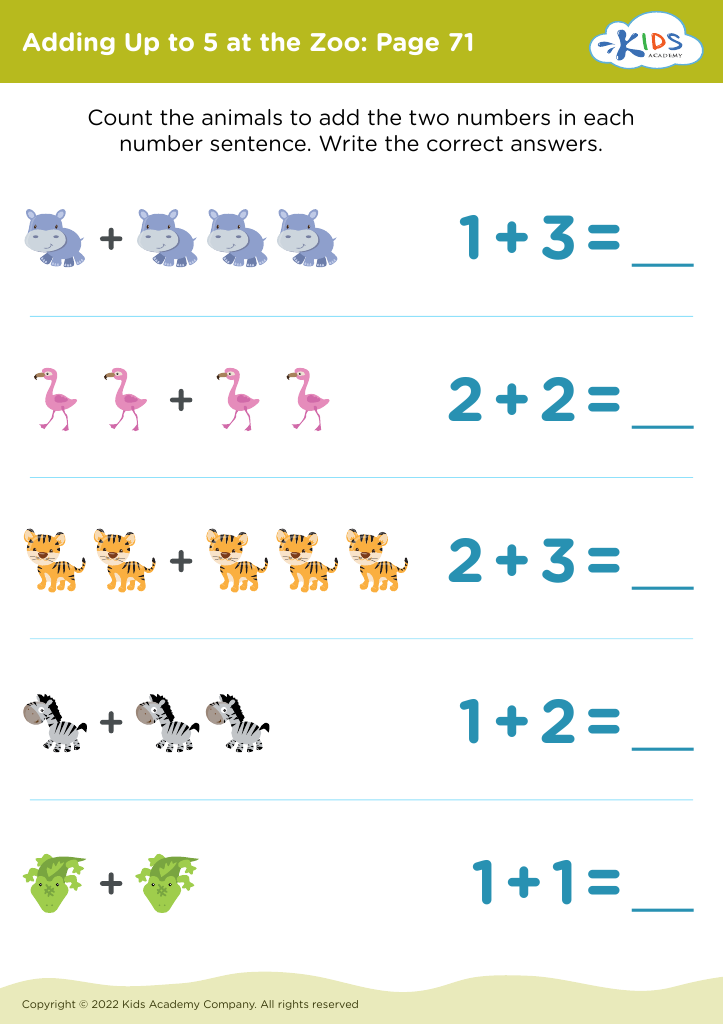
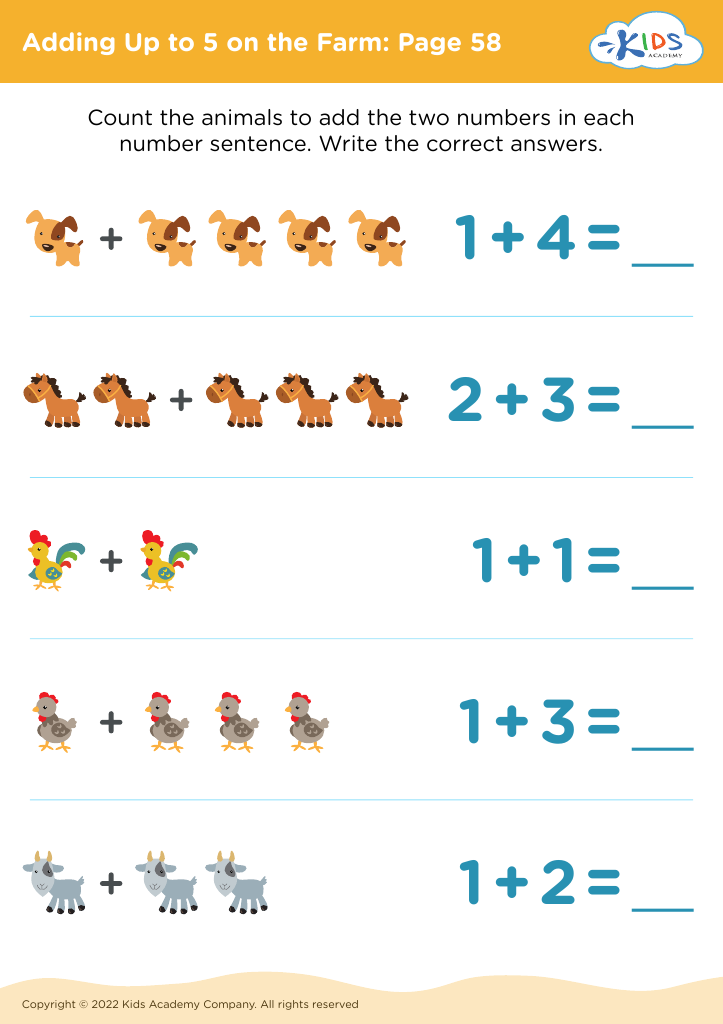
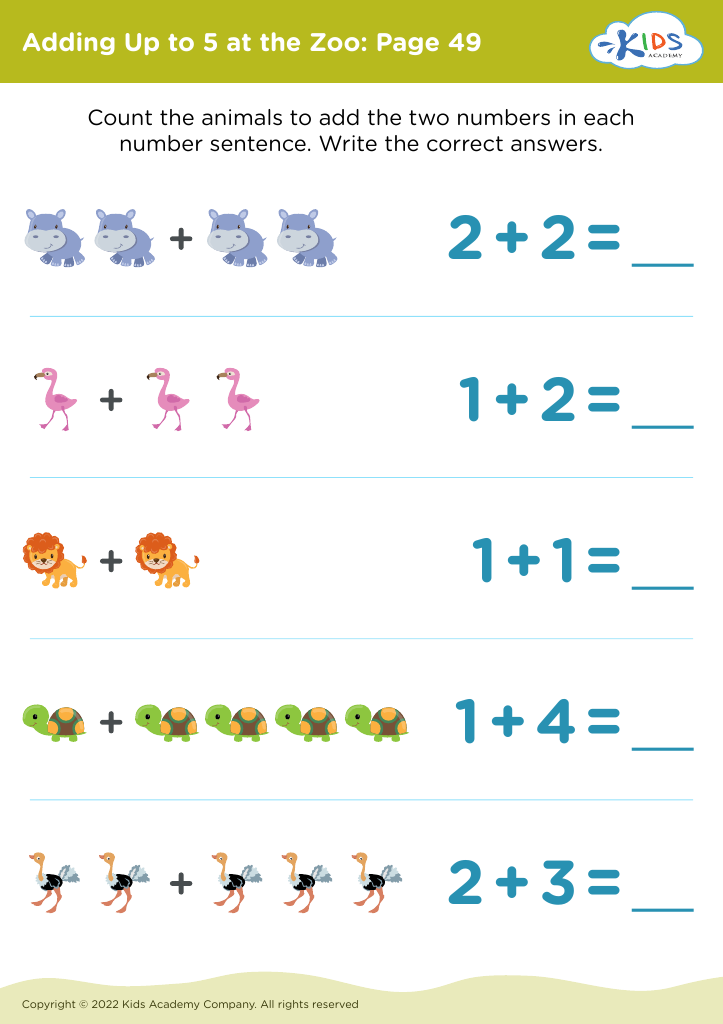
Addition at the Zoo Worksheet
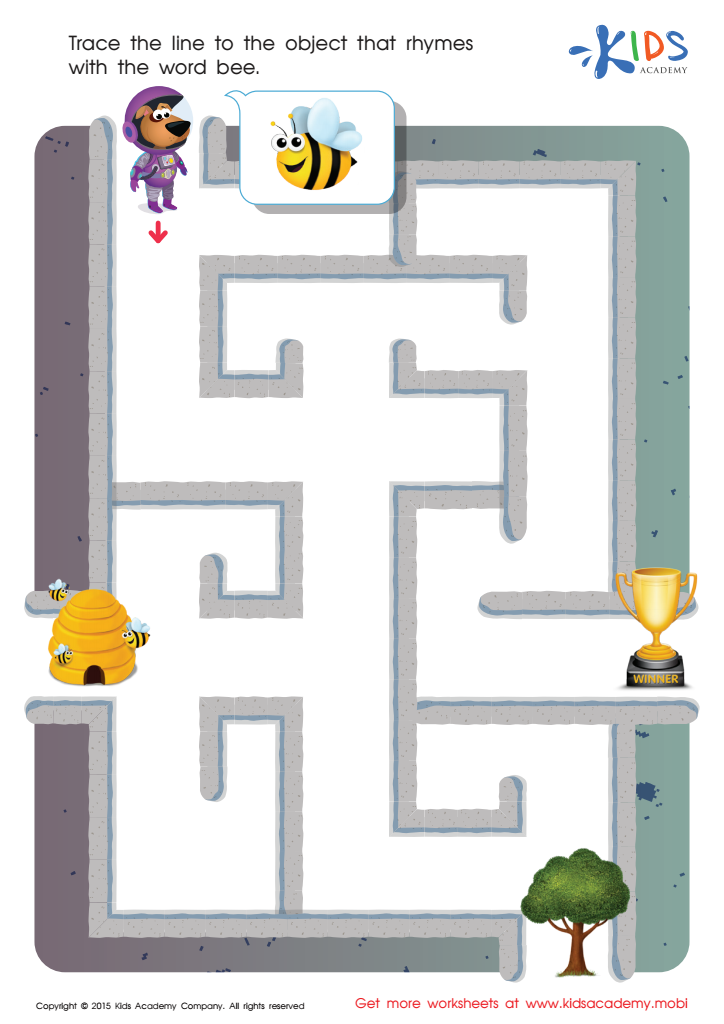
Bee Rhyming Words Worksheet







Animal recognition is a vital aspect of early childhood development, and parents and teachers should prioritize it for several reasons. First, recognizing animals fosters cognitive development in 3-year-olds by enhancing their memory and observation skills. When children learn to identify various animals, they engage in critical thinking as they differentiate between species and their unique traits.
Second, animal recognition supports language development. As children learn the names of animals, they expand their vocabulary and improve their communication skills. This early exposure can also facilitate an interest in storytelling and creative play involving animals, enriching their language experiences.
Moreover, connecting children to animals cultivates empathy and emotional intelligence. By understanding the needs and behaviors of different animals, kids learn to care for living beings, developing skills in empathy, compassion, and responsibility.
Lastly, teaching animal recognition can enhance children’s understanding of biodiversity and the environment, laying essential groundwork for educational topics such as conservation and ecology. This foundational knowledge promotes curiosity and a sense of stewardship for the world around them. In summary, emphasizing animal recognition in early education is crucial for overall development, language growth, empathy, and environmental awareness.








