Cultural awareness Worksheets for 3-Year-Olds
3 filtered results
-
From - To
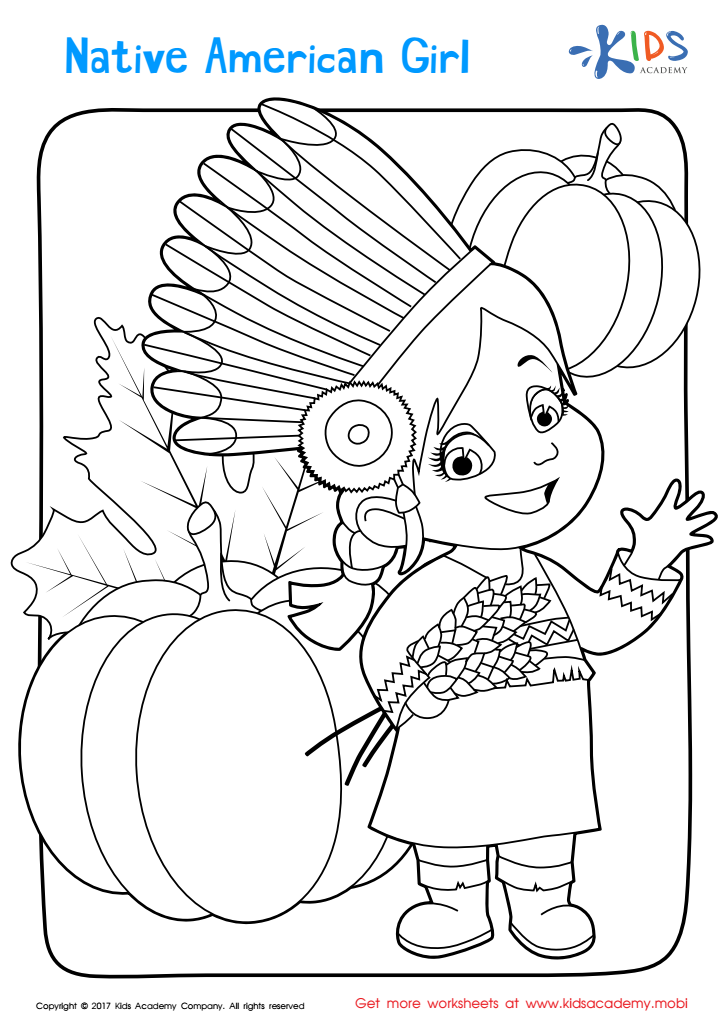
Introduce your little one to the rich tapestry of our world with our engaging Cultural Awareness Worksheets for 3-Year-Olds. At Kids Academy, our expert-crafted printables are designed to gently broaden young minds, sparking curiosity about diverse cultures and traditions. Each worksheet combines fun activities with essential learning, helping children recognize and appreciate cultural differences early on. Through coloring, matching, and simple puzzles, these worksheets promote inclusivity and understanding while building foundational skills. Perfect for both home and classroom settings, our resources provide a joyful journey into global awareness. Foster open-mindedness and respect with every sheet and nurture a more connected world.
 Assign to My Students
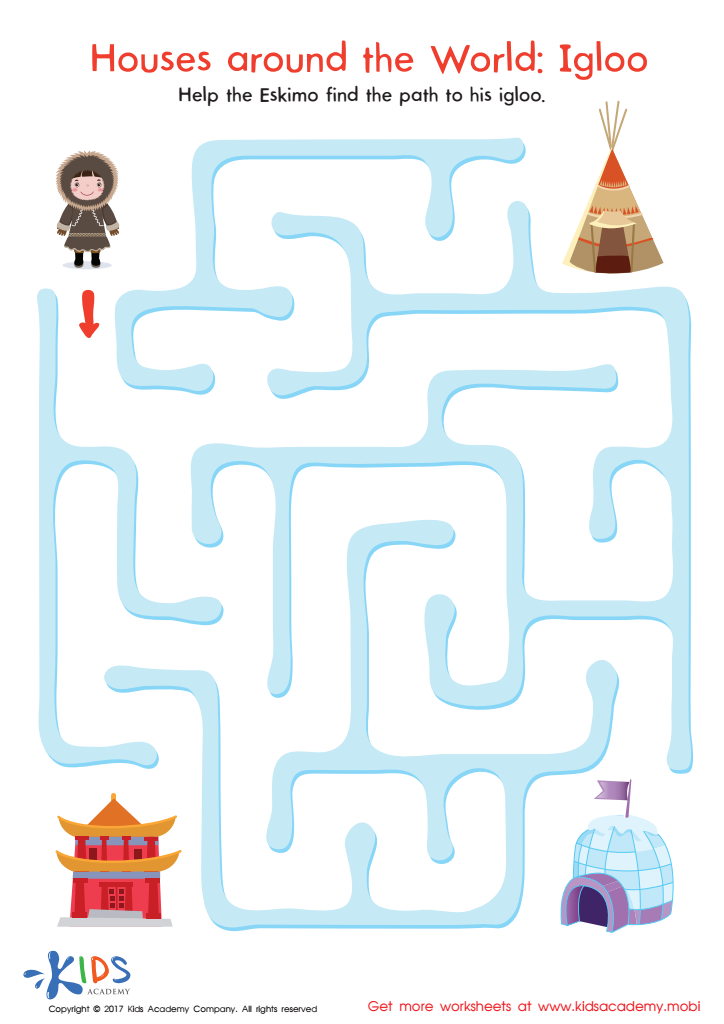
Houses Around the World: Igloo Printable





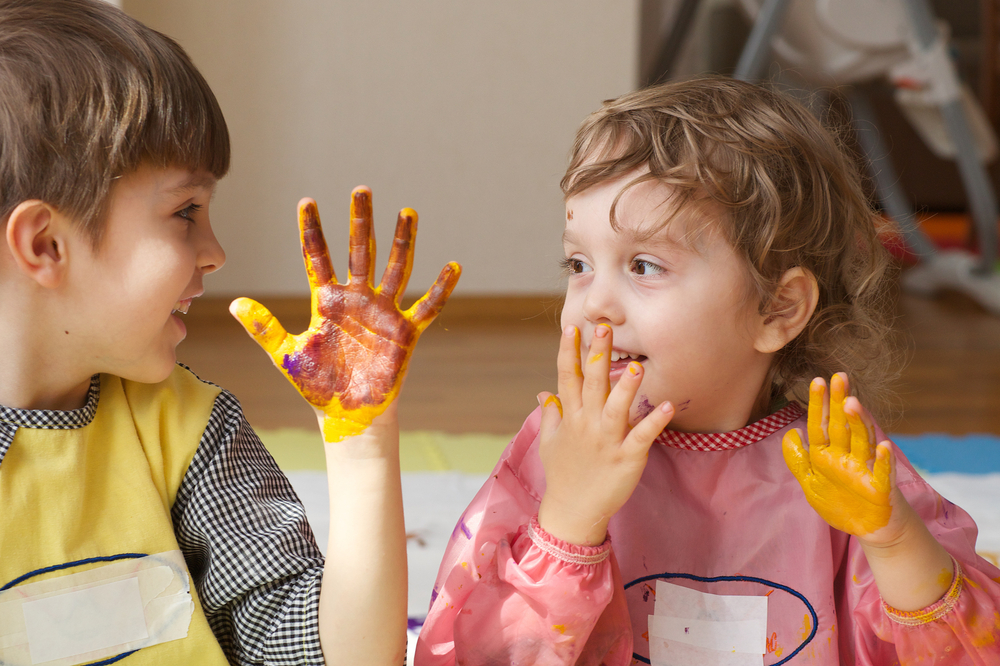

Cultural awareness is a crucial aspect of early childhood development that greatly benefits 3-year-olds. At this age, children's brains are highly adaptable and primed to absorb new information. Introducing cultural awareness early fosters open-mindedness, empathy, and respect for diversity. For parents and teachers, focusing on cultural awareness helps in creating a more inclusive and harmonious environment both at home and in school.
Firstly, children learn best through observation and imitation. When exposure to different cultures is a normalized part of their daily experiences, they naturally develop a sense of respect and appreciation for diversity. This lays the foundation for more effective social interactions and reduces prejudices and biases later in life.
Secondly, language acquisition is greatly enhanced when children are exposed to different languages and cultural practices. It promotes cognitive flexibility, better problem-solving skills, and overall higher academic performance in the long run.
Lastly, fostering cultural awareness contributes to healthier emotional development. Children who are aware of and appreciate a variety of cultural norms and values are better equipped to manage their own emotions and empathize with others. Therefore, teaching young children about cultural awareness is instrumental not just for individual growth, but for cultivating a more well-rounded and inclusive future generation.








