Developing fine motor skills Worksheets for 3-Year-Olds
4 filtered results
-
From - To
Enhance your child's creativity and coordination with our engaging fine motor skills worksheets designed specifically for 3-year-olds! These activities focus on developing essential skills through fun, interactive exercises that encourage grip strength, hand-eye coordination, and dexterity. From tracing lines to coloring pictures, each worksheet is crafted to keep little ones entertained while promoting essential developmental milestones. Our printable resources are easy to use, making learning enjoyable for both parents and children. Transform playtime into learning time and set the foundation for your child's future success with our captivating fine motor skills worksheets! Explore today and watch their abilities grow!
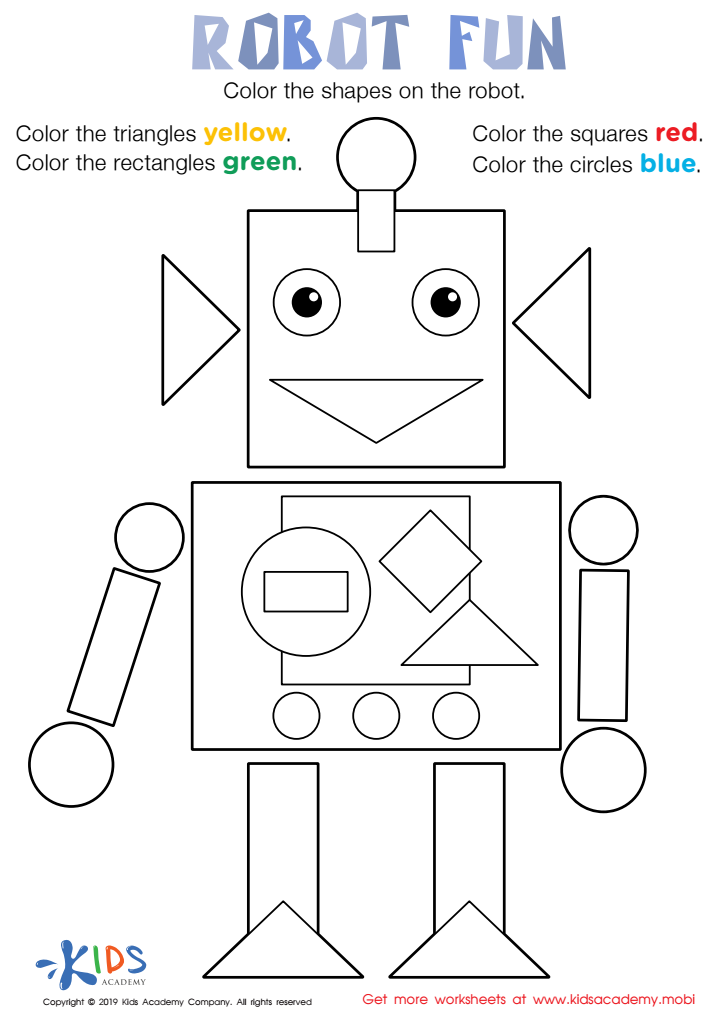
Robot Fun Worksheet
 Assign to My Students






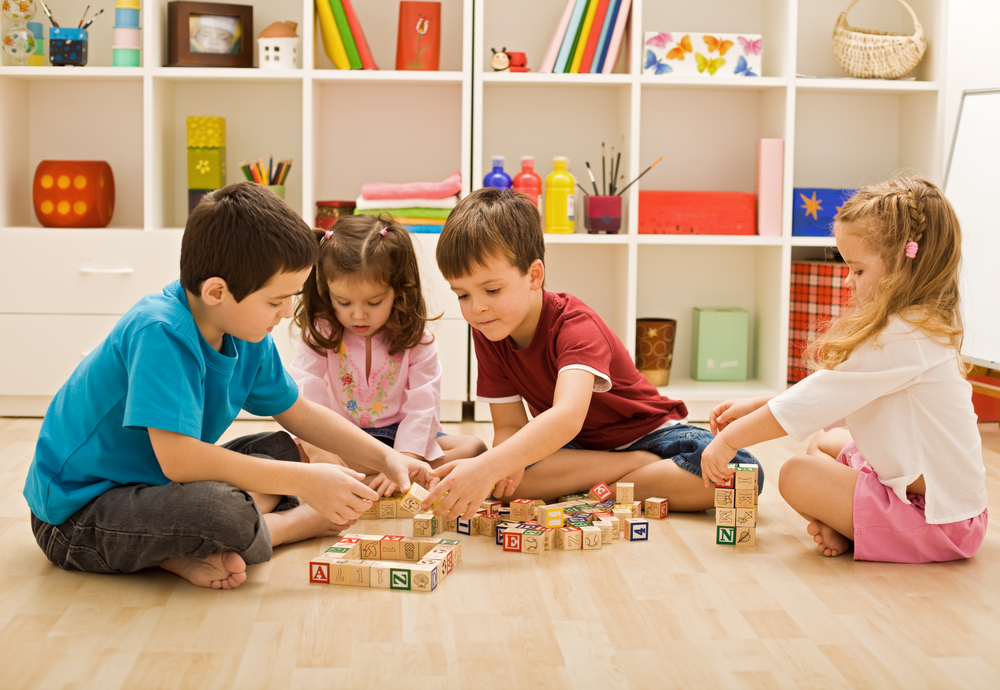

Developing fine motor skills is crucial for 3-year-olds as it lays the foundation for a range of future abilities and self-sufficiency. At this age, children engage in activities like coloring, building with blocks, and simple crafts, all of which help strengthen their hand-eye coordination and dexterity. These skills are important for everyday tasks, such as buttoning clothing, using utensils, and eventually writing.
Moreover, fine motor skill development enhances cognitive functions; as children manipulate objects, they gain an understanding of cause and effect, problem-solving, and spatial awareness. This developmental milestone is also linked to self-esteem, as children gain confidence from mastering new tasks.
Parents and teachers should prioritize activities that promote these skills, such as cutting with scissors, threading beads, or playing with dough, as these not only help develop physical abilities but also encourage creativity and imagination. Engaging in these activities reinforces the connection between play and learning, making it clear that skill-building can be enjoyable.
Additionally, fostering fine motor skills can promote social interactions, as children often collaborate on these tasks, building communication skills and friendships. Ultimately, prioritizing fine motor skill development supports holistic growth, setting the stage for future learning and independence.








